
Yes, you can grow herbs indoors year round with the right setup and some seasonal adjustments to your routine. Your kitchen windowsill can produce fresh basil in January and parsley in August without much trouble. You just need to give your plants what they need as conditions change through the year. Most common cooking herbs adapt well to indoor life with a bit of attention from you.
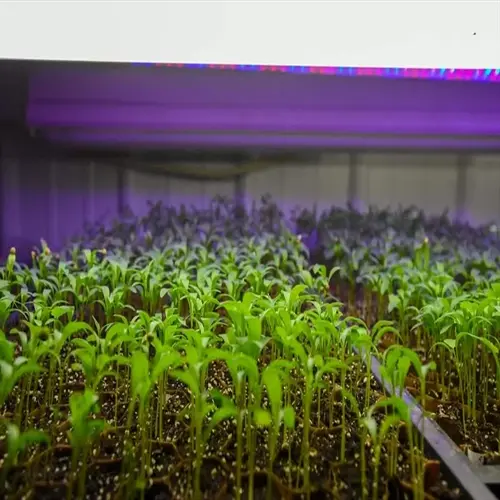
I tested this myself during a harsh Minnesota winter with my basil plants. The key was placing them under a simple LED grow light and keeping temperatures above 50°F (10°C) at all times. I ran that light for about 14 hours each day to mimic summer conditions indoors. My plants looked rough in November but bounced back strong by February once I dialed in the routine. That first winter taught me everything I needed to know about indoor herb care.
Winter brings the biggest challenge for your indoor herbs all seasons because daylight drops to just 8 or 9 hours in many regions. Your herbs evolved to grow during long summer days with plenty of sun exposure. They slow down or go dormant when light fades in winter months. Without supplemental lighting running 12 to 16 hours daily, your herbs will turn leggy and weak by mid-January. This happens because your plants stretch toward whatever light they can find.
Different herbs respond to seasons in their own ways based on their origins. Basil demands warmth and light no matter what month it is. This makes it the fussiest winter performer in my experience. Your mint and chives take a more relaxed approach to cold months. They might slow their growth in December but spring right back once daylight increases in March. Thyme and oregano handle your cool windowsills well. They come from Mediterranean climates with mild winters.
Getting your herbs through winter requires a few specific changes beyond just adding lights. Move your pots away from cold drafts near windows and doors. Sudden temperature swings stress your plants badly and can cause leaf drop overnight. Check for dry heat from nearby vents too because forced air sucks moisture from your leaves fast. A small pebble tray filled with water under your pots adds humidity without soaking the roots.
Your watering schedule needs to shift with the seasons as well. Herbs drink less water when growth slows during shorter days, so you need to cut back. Reduce your watering by about 30 to 40% from December through February to match their slower pace. Soggy soil in winter leads to root rot faster than any other time of year. Your plants just cannot use that water fast enough when growth stalls. Stick your finger an inch into the soil and only water when it feels dry to the touch.
Spring and summer make indoor herb growing easy for you since natural light floods through your windows for 14 hours or more. You can move your plants closer to sunny windows and water more often as growth speeds up. I find this is also the best time to take cuttings from healthy plants and start new pots. Those new starts will be ready for the following winter and keep your herb supply going strong all year long.
A year-round indoor herb garden takes some effort but pays off in fresh flavor every month of the year. Start with forgiving plants like mint and chives before you tackle demanding basil. Once you master the seasonal rhythm of light, water, and temperature, you will never buy dried herbs from the store again. Fresh herbs in February taste so much better than anything from a jar on your shelf.
Read the full article: Growing Herbs Indoors: Complete Guide