
Introduction
Fertilizing fruit trees can make or break your harvest each year. Penn State research shows that fruit trees respond to nitrogen more than any other nutrient you can give them. Most backyard growers dump on too much fertilizer or skip it entirely. They lack clear guidance on what actually works for their trees.
I spent years making both mistakes in my own home orchard before I figured out the research. The numbers shocked me when I dug into them. Mature fruit trees only absorb 25-55% of the nitrogen you apply according to a 2018 study. The rest washes away or escapes into the air. Nearly half your fertilizer budget goes to waste with poor timing or technique.
Think of fruit tree nutrition like feeding an athlete before a big race. The right nutrients at the right moment fuel peak performance in your trees. Too much food slows an athlete down. Nitrogen for fruit trees works the same way. Extra fertilizer pushes weak leafy growth instead of fruit.
This guide gives you practical home orchard care knowledge from university research. You will learn when to fertilize and how much to use for your trees. You will know which products work best for your specific situation. Feed your fruit trees like a pro without wasting money.
How to Fertilize Fruit Trees
Knowing how to fertilize fruit trees the right way matters more than which product you buy. I wasted fertilizer for years before I learned this lesson. WSU Extension data shows that proper technique can boost nitrogen uptake from 50% to 70%. Your trees get more food from the same amount when you apply it in the right spot.
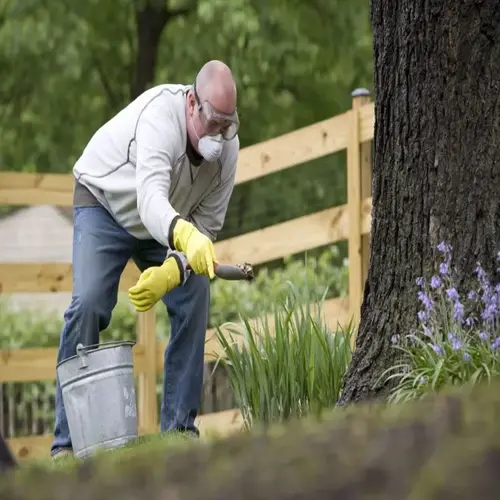
Most people spread fertilizer right around the tree trunk. This is like watering a plant at the stem instead of the roots. The tiny feeder roots that absorb nutrients grow out near the drip line where rain falls from branches. Your fertilizer application method matters less than where you put the product.
Research confirms that fruit and shoots pull over 90% of the nitrogen your tree uses each season. Getting nutrients to the active feeder roots matters most. I use drip line fertilization on my mature trees. Broadcast fertilizer works great for young trees. Leaf spray or foliar fertilization helps too. Surface application suits most home orchards.
Broadcast Method at Drip Line
- What It Is: Spreading granular fertilizer evenly in a circular band from 1 foot (30 cm) from the trunk outward to several feet (1 meter) beyond the drip line where feeder roots concentrate.
- How to Apply: Calculate the correct amount based on tree age, then scatter fertilizer evenly over the root zone while avoiding direct trunk contact that can cause bark damage.
- Best For: Most home orchard situations where irrigation systems are not in place and you want nutrients to reach the entire root zone with minimal equipment.
- Efficiency Rate: WSU research indicates 60% nitrogen efficiency for well-irrigated loamy soils using broadcast methods, making it effective for most home gardeners.
Fertigation Through Drip Irrigation
- What It Is: Delivering liquid fertilizer directly to the root zone through an existing drip irrigation system, combining watering and feeding in one efficient operation.
- How to Apply: Inject water-soluble fertilizer into your irrigation system at recommended dilution rates, typically during the first half of the watering cycle for best soil penetration.
- Best For: Established orchards with drip systems where precision application and labor savings justify the initial equipment investment for fertilizer injection.
- Efficiency Rate: WSU Extension reports over 70% nitrogen efficiency with fertigation in loamy soils, the highest efficiency of any application method available.
Foliar Spray Application
- What It Is: Applying diluted liquid fertilizer directly to leaves where nutrients absorb through leaf surfaces, particularly effective for micronutrient delivery and quick deficiency correction.
- How to Apply: Mix water-soluble fertilizer according to label directions, spray in early morning or evening to avoid leaf burn, and ensure complete leaf coverage on both surfaces.
- Best For: Addressing specific micronutrient deficiencies like boron, zinc, or iron that show visual symptoms, or providing quick nitrogen boost when soil application is impractical.
- Efficiency Rate: Penn State research shows foliar urea applications achieve 48-69% absorption and translocation to roots, making it effective for targeted supplementation.
Split Application Timing
- What It Is: Dividing the total annual fertilizer amount into two or more applications rather than one large dose, typically early spring and late spring for most fruit trees.
- How to Apply: Apply 50-60% of total nitrogen before bud break in early spring, then apply the remainder 4-6 weeks later as trees enter active growth phase.
- Best For: Sandy soils where nutrients leach quickly, heavy-bearing trees needing sustained nutrition, or climates with extended growing seasons requiring ongoing support.
- Efficiency Rate: Split applications prevent nutrient loss from leaching and match delivery to tree demand, improving overall uptake compared to single heavy applications.
Soil Incorporation Method
- What It Is: Lightly working granular fertilizer into the top 2-4 inches (5-10 cm) of soil rather than leaving it on the surface, improving contact with soil moisture for faster breakdown.
- How to Apply: After broadcasting fertilizer, use a garden rake to gently incorporate granules into mulch and topsoil layer, then water thoroughly to begin dissolution.
- Best For: Slow-release fertilizers, organic amendments like composted manure, or situations where surface application might be disturbed by wind or wildlife.
- Efficiency Rate: Incorporation reduces volatilization losses especially with urea-based fertilizers where surface application can lose nitrogen to the atmosphere before absorption.
Best Fertilizers for Fruit Trees
The best fertilizer for fruit trees depends on your soil, your trees, and your goals. I tested dozens of products over the years and found that no single choice works for every situation. What matters most is matching the right product to your specific orchard needs rather than grabbing the most popular bag at the store.
UConn Extension recommends a balanced fertilizer like 10-10-10 for most home orchards. That NPK ratio fruit trees need stays equal across all three nutrients. But mature trees should get 50-75% less than the bag suggests to avoid pushing too much leafy growth. I made that mistake for years before I noticed my trees grew lots of leaves but few apples.
You can choose between organic fertilizer fruit trees respond well to or synthetic options that work faster. Slow-release fertilizer feeds trees for months from a single dose. Nitrogen fertilizer gives results in days when trees look pale. Each product below has a clear purpose so you can pick what fits your orchard best.
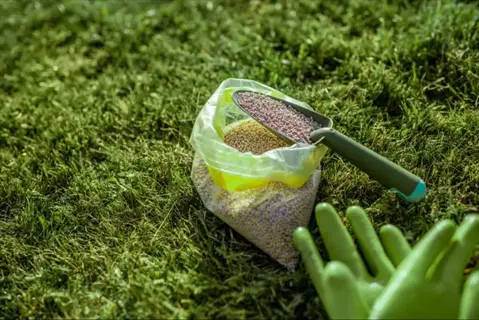
Balanced Granular Fertilizer
- NPK Profile: Balanced formulas like 10-10-10 or 12-12-12 provide equal parts nitrogen, phosphorus, and potassium suitable for general fruit tree nutrition needs throughout the growing season.
- Application Method: Broadcast granules evenly from 1 foot (30 cm) from trunk to beyond the drip line, then water in thoroughly to begin nutrient release and soil penetration.
- Best For: Home orchardists seeking straightforward nutrition without soil test complications, particularly effective for young trees establishing their root systems.
- Timing: Apply in early spring before bud break when soil temperatures reach 50 degrees Fahrenheit (10 degrees Celsius) and trees emerge from dormancy.
- Availability: Found at most garden centers and hardware stores, making it the most accessible option for home gardeners without specialized suppliers.
- Cost Factor: Typically the most economical choice per application, with a single bag treating multiple trees throughout the season at reasonable expense.
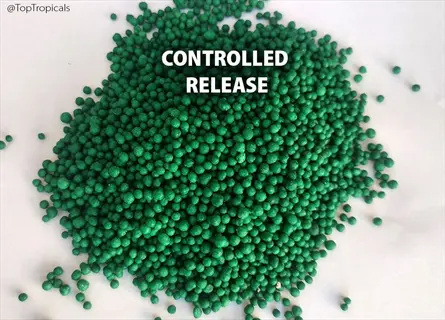
Slow-Release Tree Fertilizer
- NPK Profile: Formulated with coated granules that release nutrients over 2-4 months, typically featuring nitrogen ratios like 14-7-7 or 18-6-12 for sustained feeding.
- Application Method: Apply once in early spring and nutrients release gradually as soil warms, reducing leaching losses and providing consistent nutrition without reapplication.
- Best For: Gardeners who prefer minimal maintenance, sandy soils where quick-release fertilizers wash through rapidly, or situations where split applications are impractical.
- Timing: Single application in early spring provides season-long nutrition, eliminating need for mid-season applications common with standard granular fertilizers.
- Availability: Available at garden centers, often labeled specifically for fruit trees or ornamental trees with appropriate nutrient ratios for woody plants.
- Cost Factor: Higher upfront cost per bag but reduced labor from single application may offset price difference for larger orchards or busy gardeners.
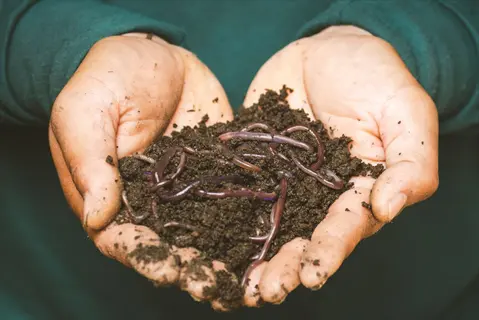
Composted Manure
- NPK Profile: Well-rotted manure provides approximately 1-2% nitrogen, 0.5-1% phosphorus, and 1-2% potassium, plus beneficial organic matter that improves soil structure.
- Application Method: Spread 2-4 inches (5-10 cm) layer under the drip line in late winter or early spring, keeping material 6-12 inches (15-30 cm) away from trunk to prevent rot.
- Best For: Organic gardeners building long-term soil health, established orchards where soil organic matter has declined, or trees showing micronutrient deficiencies.
- Timing: Apply in late winter before spring growth begins, allowing nutrients to mineralize and become available as trees break dormancy and demand increases.
- Availability: Purchase bagged from garden centers, source from local farms, or produce at home from livestock operations or municipal composting programs.
- Cost Factor: Free or low cost if sourced locally, provides dual benefit of nutrition and soil improvement that synthetic fertilizers cannot match.
Blood Meal
- NPK Profile: High nitrogen content of 12-13% with minimal phosphorus and potassium, making it ideal for boosting vegetative growth in nitrogen-deficient trees.
- Application Method: Work into soil around drip line at 1-2 lbs (0.5-1 kg) per inch (2.5 cm) of trunk diameter, watering thoroughly after application to prevent nitrogen volatilization.
- Best For: Organic orchards needing quick nitrogen boost, trees showing pale leaves or stunted growth, or supplementing low-nitrogen compost applications.
- Timing: Apply in early spring when rapid nitrogen availability is needed, or split into two applications for sustained release through the growing season.
- Availability: Sold at garden centers and organic supply stores, typically in smaller bags suited for home garden scale rather than commercial orchard applications.
- Cost Factor: Premium price compared to synthetic nitrogen sources but approved for certified organic production and provides additional soil biology benefits.
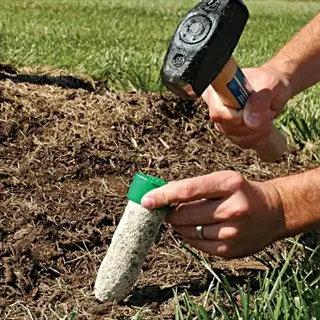
Fruit Tree Spike Fertilizer
- NPK Profile: Pre-measured stakes containing balanced nutrition typically in ratios like 10-15-15, designed to dissolve slowly as soil moisture contacts the spike material.
- Application Method: Drive spikes into ground at drip line following package directions for number per trunk diameter, typically 2-6 spikes depending on tree size.
- Best For: Beginning gardeners wanting foolproof application, container-grown fruit trees, or situations where broadcast application is difficult due to mulch or ground cover.
- Timing: Insert spikes in early spring and optionally again in early fall for extended feeding, with nutrients releasing over 60-90 days per application.
- Availability: Widely available at garden centers, hardware stores, and online retailers, with fruit-tree-specific formulations commonly stocked seasonally.
- Cost Factor: Convenient but typically most expensive per tree compared to bulk fertilizers, best suited for small orchards with few trees to treat.
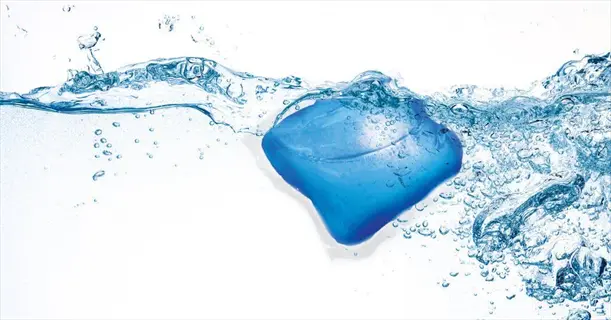
Water-Soluble Complete Fertilizer
- NPK Profile: Formulations like 20-20-20 dissolve completely in water for immediate availability, providing quick nutrition response within days rather than weeks.
- Application Method: Mix according to package directions and apply through watering can, hose-end sprayer, or irrigation system for thorough root zone coverage.
- Best For: Quick correction of deficiency symptoms, foliar feeding applications, fertigation through drip systems, or container fruit trees needing frequent light feeding.
- Timing: Apply every 2-4 weeks during active growth season, or use as rescue treatment when trees show acute nutrient deficiency symptoms needing fast response.
- Availability: Garden centers stock multiple brands with varying formulations, choose options with micronutrients included for complete fruit tree nutrition support.
- Cost Factor: Moderate cost but requires repeated applications, making total season expense higher than single granular application for equivalent nutrition.
Fertilizer Rates by Tree Age
How much fertilizer for fruit trees depends on one simple factor: tree age. Iowa State Extension uses a formula I follow every year. Give your tree 1/10 pound of actual nitrogen for each year of age. A 5 year old tree gets 0.5 pounds of nitrogen. Simple math makes this easy.
The fertilizer rate fruit trees need caps out at 1 pound of actual nitrogen for mature trees over 10 years old. More than that pushes excess leafy growth that steals energy from fruit production. UConn research confirms that mature trees should get 50-75% less than bag directions suggest. I learned this the hard way with my apple trees.
Here is the math that confuses most gardeners. A bag of 10-10-10 fertilizer contains 10% actual nitrogen by weight. So 10 pounds of product gives you 1 pound of actual nitrogen. The nitrogen rate fruit trees need determines how much product to buy. The table below shows fertilizer by tree age with the calculations done for you.
These rates work as starting points but your trees may need adjustments based on growth each year. Watch for 8-15 inches of new shoot growth on bearing trees. More growth means cut back on fertilizer. Less growth means add a bit more. Maximum fertilizer fruit trees should ever receive is the 1 pound limit regardless of tree size.
Seasonal Fertilization Guide
When to fertilize fruit trees matters as much as how much you apply. I wasted money for years feeding trees at the wrong time of year. The best time to fertilize is early spring before bud break when soil warms up. This seasonal fertilizing guide shows you exactly when to act based on what your trees need.
Skip calendar dates for spring fertilization since they change by location. Watch for soil temperature to reach 50 degrees Fahrenheit instead. That signals soil biology has woken up and roots can absorb nutrients again. Fertilize before bud break for best results. Your trees store 65% of their nitrogen in roots over winter.
Fertilization timing in summer requires a light touch or none at all. Late nitrogen pushes soft growth that cannot harden before frost hits. Penn State research found that over 75% of fall nitrogen stays in soil until spring uptake. So late fall feeding works if you miss the spring window. The calendar below guides your feeding schedule through every season.
Late Winter Preparation
- When: 4-6 weeks before expected bud break, typically late January through February in mild climates, March in northern regions.
- What To Do: Collect soil samples for testing if not done in past 2-3 years, as results take 2-3 weeks and you need data before fertilization decisions.
- Why It Matters: Planning now ensures you have correct products on hand when optimal application timing arrives, avoiding rushed purchases of wrong fertilizers.
- Key Indicator: Watch for swelling buds on early-blooming trees in your area as signal that soil is warming and biological activity begins.
Early Spring Primary Application
- When: Apply when soil temperatures consistently reach 50 degrees Fahrenheit (10 degrees Celsius) and before bud break, typically 2-4 weeks before bloom.
- What To Do: Apply primary nitrogen fertilization at calculated rates based on tree age, distributing evenly from near trunk to beyond drip line.
- Why It Matters: Trees rapidly mobilize stored reserves at bud break and benefit most from available soil nitrogen during this peak demand period.
- Key Indicator: Forsythia blooming in your area indicates soil temperature threshold reached in most temperate climate zones across the country.
Late Spring Secondary Application
- When: 4-6 weeks after primary application, typically as petal fall occurs and fruit begins developing on the tree.
- What To Do: Apply remaining 40-50% of total nitrogen if using split application method, particularly important for sandy soils or heavy-bearing trees.
- Why It Matters: Developing fruit creates significant nitrogen demand, and split applications match nutrient supply to tree demand throughout early season.
- Key Indicator: Fruit set becomes visible and initial June drop occurs, signaling trees have transitioned from flowering to fruit development phase.
Summer Maintenance Period
- When: Early June through mid-July in most climates, though avoid any nitrogen applications after July in northern regions.
- What To Do: Monitor tree growth and foliage color rather than applying more fertilizer, address only confirmed micronutrient deficiencies with foliar sprays.
- Why It Matters: Late-summer nitrogen stimulates tender growth that cannot harden off before winter, increasing frost damage risk to new shoots.
- Key Indicator: If shoot growth measures within target ranges (8-15 inches (20-38 cm) for bearing trees), no additional nitrogen is needed.
Fall Assessment and Planning
- When: After harvest and before leaf drop, typically September through October depending on your climate zone and tree varieties.
- What To Do: Evaluate season growth rates, fruit production, and overall tree health to plan next year's fertilization strategy and identify problems.
- Why It Matters: Fall observations guide next year's rates, as trees with excessive growth need reduced fertilization while poor performers may need increases.
- Key Indicator: Measure terminal shoot growth on several branches per tree and record results for comparison with recommended growth targets.
Late Fall Exception
- When: After complete leaf drop and ground freeze is imminent, typically November in northern climates where ground will freeze solid.
- What To Do: Apply fertilizer only if skipping spring application is necessary, as nutrients remain in frozen soil until spring thaw activates uptake.
- Why It Matters: California research confirms over 75% of fall-applied nitrogen remains available for spring uptake rather than leaching away over winter.
- Key Indicator: Trees fully dormant with no green tissue visible, soil temperature approaching freezing, and no growth response possible until spring.
Fertilizing Different Fruit Trees
Not all fruit trees eat the same amount. I learned this after fertilizing apple trees and peach trees with identical doses for years. WSU Extension data shows peaches remove 4.5-12 pounds of nitrogen per ton of fruit while apples take only 0.9-2.1 pounds. That huge gap explains why my peaches looked hungry while my apples grew too many leaves.
Stone fruit fertilization differs from pome fruit nutrition in key ways. Fertilizing peach trees means giving more nitrogen. Fertilizing cherry trees follows the same pattern. Your stone fruits should hit 12-18 inches of shoot growth on bearing trees each year. Your apples and pears stay healthy with just 8-12 inches.
Fertilizing pear trees requires extra care because of fire blight disease. Too much nitrogen makes pear shoots soft and tender. That tender growth invites the fire blight bacteria that can kill entire branches or whole trees. Keep pear fertilizer rates 25-50% lower than other fruit trees. The species guide below shows exactly what each type needs.
Apple Trees
- Nitrogen Needs: Apple trees extract only 0.9-2.1 lbs (0.4-1 kg) nitrogen per ton of fruit harvested, among the lowest of common fruit trees, requiring moderate fertilization.
- Growth Target: Bearing apple trees should produce 8-12 inches (20-30 cm) of terminal shoot growth annually, with more growth indicating over-fertilization.
- Optimal Leaf Nitrogen: WSU research indicates healthy apple leaves contain 1.7-2.5% nitrogen, measured through tissue analysis in mid-summer.
- Special Consideration: Apples are highly susceptible to bitter pit calcium deficiency, which may require calcium foliar sprays independent of soil fertilization programs.
- Boron Needs: Apply boron every 3 years on bearing trees to prevent fruit deformities and internal corking that affect fruit quality and storage.
Pear Trees
- Nitrogen Needs: Reduce standard fertilizer rates by 25-50% compared to other fruit trees, as pears require less nitrogen and respond poorly to excess.
- Growth Target: Bearing pear trees should achieve 8-15 inches (20-38 cm) shoot growth annually, similar to apples but with more tolerance for lower rates.
- Fire Blight Risk: Excess nitrogen dramatically increases fire blight susceptibility, a bacterial disease that can kill entire branches or trees within a season.
- Special Consideration: UConn Extension specifically recommends conservative nitrogen applications for pears to maintain tree health and reduce disease pressure.
- Boron Needs: Similar boron requirements to apples, with deficiency causing hard, dry fruit and reduced set that impacts overall yield significantly.
Peach Trees
- Nitrogen Needs: Peaches are heavy nitrogen users, extracting 4.5-12 lbs (2-5.4 kg) nitrogen per ton of fruit, requiring higher rates than pome fruits.
- Growth Target: Stone fruits including peaches should produce 12-18 inches (30-46 cm) of terminal shoot growth on bearing trees annually.
- Optimal Leaf Nitrogen: Target leaf nitrogen content of 2.7-3.5% according to WSU research, higher than apple requirements by nearly one percentage point.
- Special Consideration: Penn State notes 65% of nitrogen in peach trees during winter is stored in roots, making spring timing critical for mobilization.
- Split Application: Consider splitting nitrogen into early spring and post-bloom applications to match the extended nutrient demand of peach fruit development.
Cherry Trees
- Nitrogen Needs: Cherry trees extract 1.9-5.0 lbs (0.9-2.3 kg) nitrogen per ton harvested, placing them between apples and peaches in demand.
- Growth Target: Similar to other stone fruits, target 12-18 inches (30-46 cm) annual shoot growth on bearing trees for optimal fruit production.
- Optimal Leaf Nitrogen: Target leaf nitrogen of 2.0-3.03% for sweet cherries, with research showing internal nitrogen recycling is significant by mid-season.
- Special Consideration: Research shows 45-50% of nitrogen in cherry xylem sap three months after bud burst derives from internal recycling, not new fertilization.
- Timing: Early spring application is especially critical for cherries as early bloom means nutrient demand begins before many other fruit species.
Plum and Apricot Trees
- Nitrogen Needs: Similar requirements to peaches as fellow stone fruits, with moderate-high nitrogen extraction rates supporting vigorous annual growth.
- Growth Target: Target 12-18 inches (30-46 cm) shoot growth for bearing trees, reducing fertilizer if growth exceeds these benchmarks consistently.
- Special Consideration: Apricots bloom extremely early, making them vulnerable to late frosts, so avoid late fertilization that delays hardening off.
- European vs Japanese Plums: European plums typically require slightly less nitrogen than Japanese varieties, which show more vigorous growth habits.
- Regional Adaptation: Reduce rates in regions with long growing seasons where trees may continue growth later into fall if over-fertilized.
Organic Fertilization Methods
Organic fruit tree fertilizer works well when you understand how it differs from synthetic options. I switched to organic methods 5 years ago and my trees have never been healthier. Natural fertilizer fruit trees respond to feeds your soil, not just your trees. The nutrients release slowly as soil organisms break down the organic matter you add.
WSU research shows that each percent of soil organic matter provides 20 pounds of nitrogen per year. That means building healthy soil pays off big over time. Compost fruit trees love should have a carbon to nitrogen ratio below 20:1 for best nutrient release. A ratio around 15:1 works great. You build fertility that lasts for years instead of feeding once and watching it wash away.
Your main organic options include manure fruit trees have used for ages. Newer products like blood meal, bone meal, and alfalfa meal work great too. Some give quick nitrogen while others build long term soil health. The guide below shows what each organic option does best so you can pick the right tools for your orchard.
Composted Manure
- Nutrient Profile: Well-rotted manure provides 1-2% nitrogen, 0.5-1% phosphorus, and 1-2% potassium, plus essential micronutrients and beneficial soil biology.
- Application Rate: Apply 2-4 inches (5-10 cm) as mulch under the drip line annually, providing approximately 25-50 lbs (11-23 kg) of material per mature tree.
- Best Sources: Aged horse, cow, or chicken manure that has composted for at least 6 months to kill weed seeds and stabilize nitrogen content.
- Timing: Apply in late winter before spring growth begins, allowing nutrients to mineralize as soil warms and tree demand increases.
- Benefits Beyond Nutrition: Improves soil water retention, encourages beneficial earthworm activity, and builds long-term soil organic matter content.
Finished Compost
- Nutrient Profile: Balanced nutrition around 1-2% nitrogen with modest phosphorus and potassium, plus complete micronutrient profile from varied sources.
- Application Rate: Apply 1-2 inches (2.5-5 cm) annually as topdressing, with WSU noting each percent soil organic matter contributes 20 lbs (9 kg) available nitrogen.
- Quality Indicators: Look for dark color, earthy smell, and crumbly texture with carbon-to-nitrogen ratio below 20:1 for adequate nitrogen release.
- Timing: Apply anytime from late winter through early spring, or use as fall mulch knowing nutrients remain available for spring uptake.
- Benefits Beyond Nutrition: Feeds soil microbiome, improves soil structure, increases water infiltration, and reduces compaction around tree roots.
Blood Meal
- Nutrient Profile: High nitrogen content of 12-13% makes blood meal among the most concentrated organic nitrogen sources available for fruit trees.
- Application Rate: Apply 1-2 lbs (0.5-1 kg) per inch (2.5 cm) of trunk diameter, working into soil and watering thoroughly to prevent nitrogen loss.
- Release Speed: Breaks down relatively quickly compared to other organic sources, providing available nitrogen within 2-4 weeks of application.
- Timing: Best applied in early spring when rapid nitrogen availability matches tree demand during bud break and early shoot growth.
- Caution: Can attract animals due to scent, so incorporate into soil rather than surface application in areas with wildlife pressure.
Bone Meal
- Nutrient Profile: Primarily provides phosphorus (11-15%) with moderate calcium content, addressing root development and fruit production needs.
- Application Rate: Apply 1-3 lbs (0.5-1.4 kg) per tree worked into soil at planting or around drip line of established trees when soil tests indicate deficiency.
- Release Speed: Slow breakdown over months to years, making bone meal a long-term soil amendment rather than quick-response fertilizer.
- Timing: Best incorporated during fall or early spring planting, or when establishing new trees that benefit from root-zone phosphorus availability.
- Consideration: Most effective in acidic soils with pH below 7.0, as alkaline conditions reduce phosphorus availability from bone meal sources.
Alfalfa Meal
- Nutrient Profile: Provides approximately 2-3% nitrogen, 0.5% phosphorus, and 2% potassium, plus natural growth stimulants including triacontanol.
- Application Rate: Apply 2-5 lbs (1-2.3 kg) per tree scattered under drip line and lightly incorporated into mulch or soil surface annually.
- Release Speed: Moderate breakdown rate providing nutrition over 2-4 months as soil organisms decompose the plant material.
- Timing: Apply in early spring to feed early-season growth, or split between spring and early summer for sustained nutrition.
- Unique Benefit: Contains natural plant hormones that stimulate root growth and overall plant vigor beyond simple nutrient provision.
Cover Crop Integration
- Nutrient Profile: Legume cover crops fix atmospheric nitrogen through root nodules, adding 50-200 lbs (23-91 kg) nitrogen per acre when incorporated.
- Application Method: Plant crimson clover, hairy vetch, or winter peas in orchard alleys, mowing and allowing decomposition to release nutrients.
- Management Approach: Mow cover crops before seed set and allow residue to decompose in place, or rake under tree drip lines as mulch.
- Timing: Plant cover crops in fall for spring incorporation, or maintain living mulch mowed regularly throughout growing season.
- Benefits Beyond Nutrition: Suppresses weeds, prevents erosion, attracts beneficial insects, and builds soil organic matter over time.
5 Common Myths
Fruit trees need fertilizer every year regardless of growth or soil conditions to produce good harvests.
Trees only need fertilizer when growth falls below targets (8-15 inches (20-38 cm) for bearing trees) or soil tests reveal deficiencies. Over-fertilizing causes more problems than under-fertilizing.
More fertilizer always means more fruit, so applying extra cannot hurt your trees.
Excess nitrogen promotes leafy growth at the expense of fruit production and increases fire blight risk in pears. Research shows nitrogen efficiency in mature trees is only 25-55%.
You should fertilize fruit trees right at the trunk where roots begin.
Feeder roots extend to the drip line and beyond, not near the trunk. Apply fertilizer in a circular band from 1 foot (30 cm) from the trunk to several feet (1 meter) past the drip line for proper absorption.
Fall is the best time to fertilize fruit trees so they can store nutrients for spring growth.
Early spring before bud break is optimal timing. Fall nitrogen applications can stimulate tender growth vulnerable to winter damage and may leach away before spring uptake.
All fruit trees have the same fertilizer requirements, so one application rate works for every species.
Different species have vastly different needs. Peaches require 4.5-12 lbs (2-5.4 kg) nitrogen per ton harvested while apples need only 0.9-2.1 lbs (0.4-1 kg). Pears require 25-50% less fertilizer to prevent fire blight.
Conclusion
Fertilizing fruit trees comes down to three key decisions that shape your harvest each year. Time your applications for early spring before bud break when soil hits 50 degrees Fahrenheit. Apply about 1/10 pound of actual nitrogen for each year of tree age up to 1 pound maximum. Watch shoot growth to tell if your tree fertilization program works or needs changes.
Penn State research confirms that fruit tree nutrition depends more on nitrogen than any other nutrient you can add. But precision matters more than quantity for fruit tree care. Too much nitrogen pushes weak leafy growth that robs energy from fruit production and invites pest problems. The right amount fuels good crops without wasted fertilizer.
Start your home orchard feeding program with a soil test rather than guessing. Testing removes the mystery and shows what nutrients your soil lacks. Most growers can boost their results by improving technique rather than buying more products. Mature trees only absorb 25-55% of nitrogen you apply. Better technique offers the biggest gains.
Watch your trees this season and let their growth guide next year's fertilizing fruit trees plan. Measure terminal shoot growth in fall to see if your rates hit the target range. Trees that grow too much need less fertilizer next year. Trees that grow too little might need a boost. Your trees will tell you what they need if you pay attention to how they respond to your care.
External Sources
Frequently Asked Questions
Is Epsom salt good for fruit trees?
Epsom salt provides magnesium sulfate, which can benefit fruit trees showing magnesium deficiency symptoms like yellowing between leaf veins. However, most soils contain adequate magnesium, so apply only after soil testing confirms a deficiency to avoid nutrient imbalances.
What fertilizer increases fruit size?
Potassium-rich fertilizers promote larger fruit size and improved quality. Balanced fertilizers with adequate phosphorus and potassium, combined with proper nitrogen levels, support fruit development without excessive vegetative growth that diverts energy from fruit production.
Are coffee grounds good for fruit trees?
Coffee grounds add nitrogen and organic matter to soil but should be composted first rather than applied fresh. Fresh grounds can temporarily tie up nitrogen as they decompose. Use composted coffee grounds as part of a broader organic amendment strategy.
What fertilizer promotes fruiting?
Fertilizers with lower nitrogen and higher phosphorus and potassium ratios encourage fruiting over vegetative growth. Avoid high-nitrogen fertilizers on bearing trees, as excess nitrogen promotes leaf growth at the expense of fruit production.
Is it okay to fertilize trees in the fall?
Fall fertilization is generally not recommended for fruit trees in most climates. Late-season nitrogen can stimulate tender growth vulnerable to winter damage. If needed, apply fertilizer in late fall after leaves drop so nitrogen remains in soil for spring uptake.
What happens if you fertilize too late?
Late fertilization stimulates new growth that cannot harden off before winter, leading to frost damage and reduced cold hardiness. The tree expends energy on vulnerable shoots instead of storing reserves, potentially affecting next season's fruit production.
Can I fertilize in the rain?
Light rain can help dissolve and move granular fertilizer into the soil. However, heavy rain may wash fertilizer away before roots absorb nutrients, causing runoff and environmental concerns. Apply fertilizer when light rain is expected or water in manually after application.
Is tomato feed good for fruit trees?
Tomato fertilizers are formulated for heavy-feeding annual plants and typically contain higher nutrient concentrations than fruit trees need. While not harmful in small amounts, purpose-made fruit tree fertilizers provide better-balanced nutrition for perennial tree crops.
How do you fertilize potted fruit trees?
Potted fruit trees require more frequent fertilization than in-ground trees because nutrients leach from containers with watering. Use slow-release fertilizer or apply diluted liquid fertilizer every 2-4 weeks during the growing season, reducing container size considerations.
Can you over-fertilize fruit trees?
Yes, over-fertilization causes excessive vegetative growth, reduced fruit production, increased disease susceptibility, and potential root burn. Signs include dark green leaves, excessive shoot growth, and poor fruiting. Always base applications on soil tests and growth monitoring.