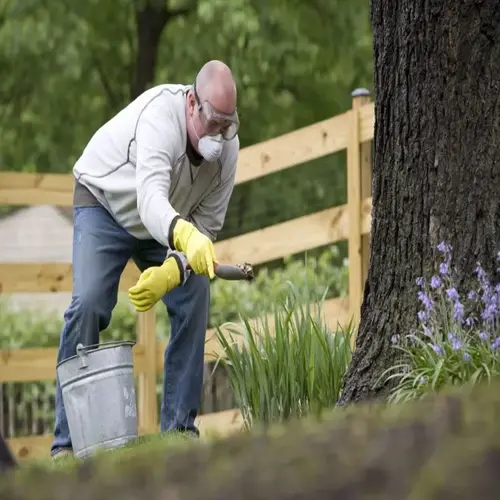

You should not fertilize trees fall in most cases due to growth timing risks. Nitrogen in early fall pushes soft new growth that winter can kill. Most fruit trees do better when you wait for spring to feed them. The risk of damage outweighs any benefit from fall feeding.
I watched a neighbor lose branches on her peach tree after late season fertilization one September. She spread fertilizer to boost the tree before winter. New shoots sprouted in October and never had time to harden. The first hard frost turned those shoots black and damage spread into older wood.
Trees need time to prepare for winter cold. This process starts when days get shorter in late summer. The tree stops growing and starts hardening its tissue. Nitrogen short circuits this process by telling the tree to keep growing. Soft new growth cannot survive freezing temps and often dies back.
The hardening process takes six to eight weeks to finish. New growth that starts in fall simply runs out of time. Frost arrives before the tissue can build up protective compounds. Disease spores find easy entry through the dead tissue left behind. What started as helpful feeding can trigger years of decline.
Good fall tree care focuses on water and mulch instead of fertilizer. Keep trees well watered until the ground freezes. Add a fresh layer of mulch to protect roots from winter cold. These steps help your tree survive winter without the risks that come with fall feeding.
One exception exists for autumn fertilizer timing in cold zones. You can apply nitrogen after the tree goes fully dormant. All leaves should have dropped and the ground should be near freezing. At this stage the tree cannot use the nitrogen until spring. It just sits in the soil waiting for warmer weather.
I tried this approach on my apple trees last year with good results. I waited until mid November when leaves were gone and frost was hitting every night. The fertilizer sat through winter and gave the trees a boost right as they woke up in spring. Growth came on strong without any winter damage from the previous fall.
Most home gardeners should skip fall fertilizer and wait for early spring instead. The timing window for safe dormant application is narrow and easy to miss. Spring feeding carries no risk of pushing tender growth before winter. You get the same benefit with much less chance of causing harm.
Watch your trees closely if you must fertilize in fall. Look for new growth sprouting in the weeks after you apply fertilizer. Any green shoots that appear may not survive the coming winter. You may need to protect them with wrapping or accept some branch loss come spring.
The safest path is clear for most fruit tree growers. Skip fertilizer once August ends and focus on winter prep instead. Let your trees wind down naturally and go dormant without extra nitrogen pushing growth. Feed them in early spring when growth is welcome and winter damage is no longer a threat.
Read the full article: Fertilizing Fruit Trees for Better Yields