
Introduction
Your sloped yard loses soil every time it rains and the right erosion control plants can stop that damage fast. Construction sites erode at 100 to 500 tons per acre each year. That runs about 2000 times faster than natural woodland rates. Bare slopes face the same forces that strip away topsoil and create ugly gullies.
I have worked on dozens of eroding slopes over the past 8 years. A 2021 PeerJ study backs up what I saw in the field. Vegetation cuts sediment loss by up to 84% compared to bare ground. Plants work so well for slope stabilization because root systems weave together like a net underground. That net catches and holds soil particles in place.
Most guides list plants without telling you why certain species work better for soil erosion prevention. Your soil type and sun exposure affect which plants will succeed. Native plants erosion control beats imported species because local roots match your soil and rainfall patterns.
This guide covers the 15 best plants for erosion control along with real science that explains why they work. You will learn how to match root systems to your slope problems. I also cover common mistakes that make erosion worse instead of better.
15 Best Erosion Control Plants
I tested these 15 plants on my own slopes and on client properties over several years. Each one earned its spot through proven erosion control in real conditions. The USDA and state extensions back most of these species.
The list below includes erosion control grasses and erosion control shrubs that work. I cover ground cover plants erosion experts trust too. Each profile explains the fibrous root system or root type that makes the plant work. Deep root plants erosion control starts with picking the right species for your slope.
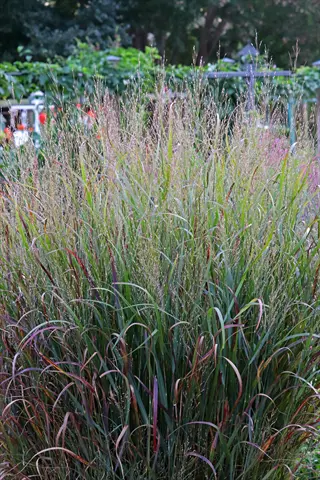
Switchgrass
- Root System: Develops fibrous roots reaching 10 feet (3 meters) deep that create dense underground networks binding soil particles together throughout the slope profile.
- Erosion Control: Forms thick clumps that slow water velocity while roots prevent both surface wash and deeper soil movement during heavy rainfall events.
- Growing Conditions: Thrives in full sun across USDA zones 4-9 and tolerates poor, dry, or wet soils making it adaptable to challenging erosion-prone sites.
- Establishment: Reaches mature height of 3-6 feet (0.9-1.8 meters) within two growing seasons, providing substantial coverage relatively quickly for a perennial.
- Native Range: Indigenous to tallgrass prairies across North America with root systems evolved for deep soil penetration and drought survival.
- Maintenance: Requires minimal care once established and benefits from annual late-winter cutting to 4-6 inches (10-15 centimeters) to encourage dense regrowth.
Creeping Juniper
- Root System: Spreads laterally with woody roots that anchor into rocky slopes while fibrous feeder roots near the surface capture soil particles and prevent washing.
- Erosion Control: Low-growing evergreen branches form dense mats that break raindrop impact and slow sheet flow across slopes year-round including winter months.
- Growing Conditions: Prefers full sun and well-drained soil in USDA zones 3-9, handling drought, heat, and poor rocky soils where other plants struggle.
- Coverage Rate: Single plants spread 6-8 feet (1.8-2.4 meters) wide over several years, eventually merging to create continuous protective ground cover.
- Variety Selection: Blue Rug juniper stays under 6 inches (15 centimeters) tall while Bar Harbor reaches 12 inches (30 centimeters) with silvery-blue foliage.
- Maintenance: Extremely low maintenance once established with no pruning required beyond removing dead branches and occasional watering during extended drought.
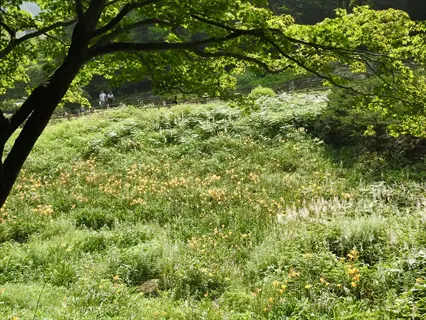
Daylily
- Root System: Produces thick fleshy roots and fibrous feeder roots that spread outward creating interconnected networks that hold soil on moderate slopes effectively.
- Erosion Control: Dense foliage clumps intercept rainfall while spreading root masses stabilize soil and the plants multiply through division to increase coverage naturally.
- Growing Conditions: Adapts to full sun through part shade in USDA zones 3-9, tolerating various soil types from clay to sand with remarkable resilience.
- Bloom Period: Flowers throughout summer in colors from yellow to red, adding ornamental value while providing practical slope stabilization in visible garden areas.
- Spread Rate: Each clump expands 2-3 feet (0.6-0.9 meters) over several years and can be divided to accelerate coverage across larger erosion-prone areas.
- Maintenance: Requires minimal care beyond removing spent flower stalks and dividing overgrown clumps every 3-5 years to maintain vigor and spread.
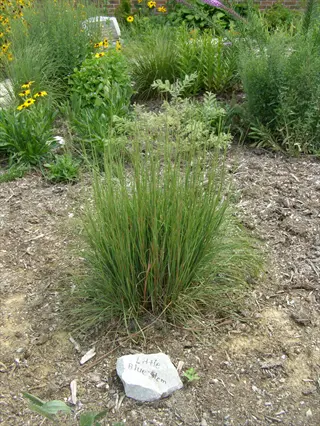
Little Bluestem
- Root System: Develops extensive fibrous root networks extending 5-8 feet (1.5-2.4 meters) deep, binding soil particles throughout the root zone profile.
- Erosion Control: Clump-forming growth creates barriers that slow water flow while deep roots prevent both surface erosion and deeper soil mass movement.
- Growing Conditions: Thrives in full sun across USDA zones 3-10, preferring well-drained soil but tolerating clay, sand, and rocky conditions with ease.
- Seasonal Interest: Blue-green summer foliage transforms to bronze, copper, and mahogany tones in fall lasting through winter for year-round visual appeal.
- Native Status: Indigenous to prairies throughout eastern and central North America with root systems naturally adapted to local rainfall and soil patterns.
- Maintenance: Requires annual cutting to 4-6 inches (10-15 centimeters) in late winter before new growth emerges to maintain dense attractive clumps.
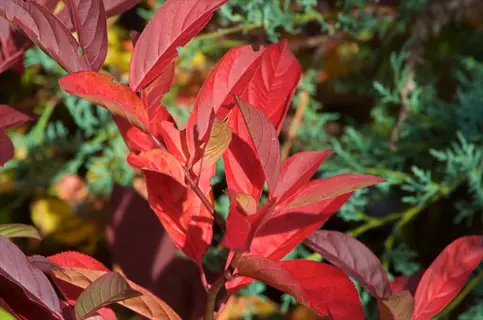
Virginia Sweetspire
- Root System: Produces suckering roots that spread underground creating connected colonies while primary roots anchor deep into slope soil for stability.
- Erosion Control: Colonizing growth habit fills bare areas naturally while arching branches deflect rainfall and accumulated leaf litter protects soil surface.
- Growing Conditions: Performs well in full sun to full shade across USDA zones 5-9, tolerating wet soils making it ideal for drainage areas and streamsides.
- Size Range: Reaches 3-6 feet (0.9-1.8 meters) tall and spreads indefinitely through root suckers, making it excellent for covering large slope areas.
- Ornamental Features: Fragrant white flower spikes appear in early summer followed by brilliant red fall foliage that persists into winter months.
- Maintenance: Requires occasional pruning to control spread and removal of suckers where colonization beyond intended boundaries becomes problematic.
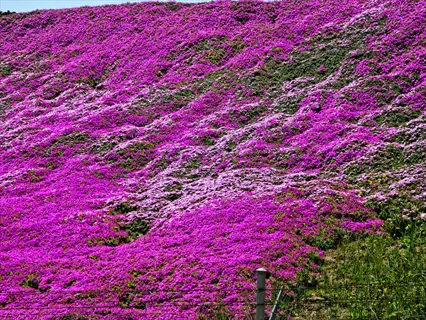
Creeping Phlox
- Root System: Forms fibrous mat-like root systems at each stem node as it spreads, creating interconnected networks that grip and hold surface soil effectively.
- Erosion Control: Dense evergreen to semi-evergreen foliage mats protect soil year-round while stems root along their length to expand coverage continuously.
- Growing Conditions: Prefers full sun to light shade in USDA zones 3-9, thriving in well-drained soil including rocky slopes where it cascades beautifully.
- Bloom Display: Produces masses of pink, purple, white, or blue flowers in spring that completely cover the foliage creating spectacular slope displays.
- Coverage Rate: Spreads 1-2 feet (30-60 centimeters) per year by rooting stems and can cover substantial areas within several growing seasons.
- Maintenance: Benefits from light shearing after flowering to encourage dense compact growth and may need occasional watering during establishment on dry slopes.
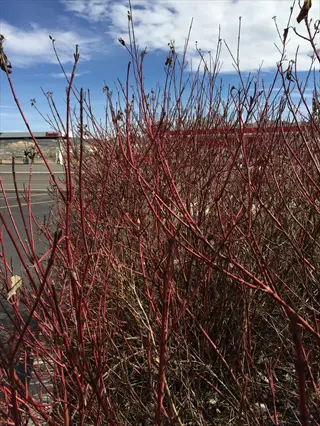
Red-Osier Dogwood
- Root System: Develops dense fibrous roots near the surface combined with deeper anchoring roots while stems that touch soil root readily creating expanding colonies.
- Erosion Control: Naturally colonizes streambanks and wet slopes where its suckering habit and ability to resprout from roots provides long-term stability.
- Growing Conditions: Grows in full sun to part shade across USDA zones 2-7, preferring moist to wet soils but adapting to average garden conditions.
- Size Characteristics: Reaches 6-9 feet (1.8-2.7 meters) tall and spreads wider through suckering, making it suitable for larger slopes requiring substantial coverage.
- Ornamental Value: Bright red winter stems provide striking color against snow while white spring flowers and white berries add seasonal interest.
- Maintenance: Responds well to rejuvenation pruning by cutting to ground level every few years to encourage vigorous new red-stemmed growth.
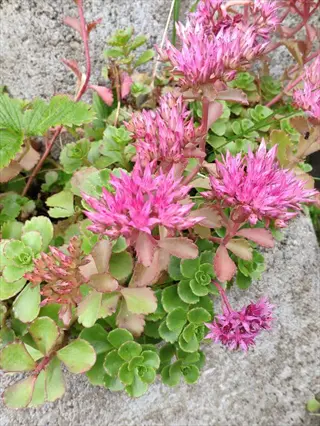
Stonecrop Sedum
- Root System: Produces surface level but dense fibrous root networks that spread outward as stems root at nodes, creating interlocking mats across soil surfaces.
- Erosion Control: Succulent foliage and stems store water reducing runoff while spreading growth physically protects soil from raindrop splash erosion.
- Growing Conditions: Thrives in full sun across USDA zones 3-9, excelling in poor, dry, rocky soils where most other plants fail to establish.
- Variety Options: Groundcover types like Dragon's Blood and Acre spread rapidly while upright varieties like Autumn Joy provide height variation on slopes.
- Establishment Speed: Cuttings root within weeks and plants spread steadily to fill gaps, making stonecrop economical for covering large erosion-prone areas.
- Maintenance: Requires virtually no care once established, surviving drought, heat, cold, and neglect while continuing to spread and protect soil.
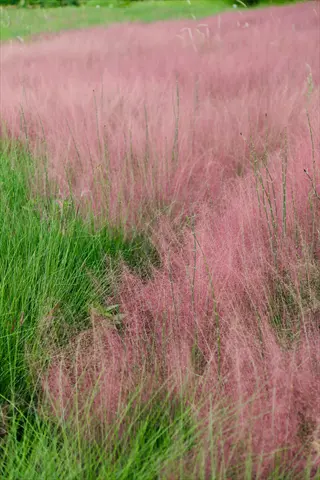
Muhly Grass
- Root System: Develops deep fibrous roots that penetrate several feet into soil while dense surface roots create soil-binding networks throughout the upper profile.
- Erosion Control: Clump-forming growth slows water flow on slopes while extensive root systems anchor soil against both surface wash and deeper movement.
- Growing Conditions: Prefers full sun in USDA zones 6-10, tolerating heat, humidity, drought, and salt spray making it versatile for coastal and inland slopes.
- Fall Display: Pink muhly grass produces spectacular clouds of pink flower plumes in fall that persist into winter creating dramatic slope landscapes.
- Size Range: Grows 2-4 feet (0.6-1.2 meters) tall and wide with flower stalks extending above foliage, spacing plants 2-3 feet apart for coverage.
- Maintenance: Requires minimal care beyond annual late-winter cutting to several inches above ground before new spring growth emerges from the base.
Perennial Ryegrass
- Root System: Research shows perennial ryegrass develops 5.8 times higher root length density than bermudagrass, creating exceptionally dense soil-binding networks.
- Erosion Control: Fine roots in the 0-1 millimeter range most effectively bind soil particles while rapid establishment provides quick coverage on bare slopes.
- Growing Conditions: Grows best in full sun to light shade in USDA zones 3-8, preferring moderate moisture and performing well in cool-season climates.
- Establishment Speed: Germinates within 5-10 days and establishes usable cover within 3-4 weeks, making it ideal for quick temporary erosion protection.
- Scientific Backing: Peer-reviewed research confirmed perennial ryegrass reduced non-capillary soil porosity by 68% compared to untreated slopes.
- Maintenance: Requires regular mowing when used as lawn but can grow naturally on slopes where appearance matters less than erosion control function.
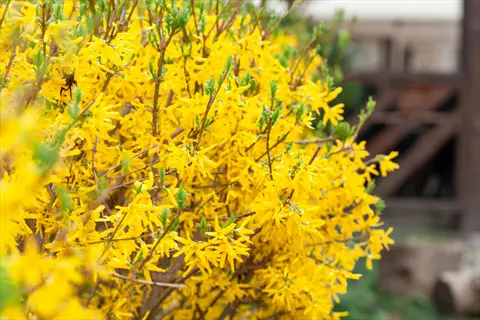
Forsythia
- Root System: Develops fibrous spreading roots while branches touching ground root readily, creating expanding colonies that anchor increasingly large slope areas.
- Erosion Control: Arching branches deflect rainfall impact while dense twiggy growth slows water velocity and accumulated leaf litter protects bare soil beneath.
- Growing Conditions: Thrives in full sun to part shade across USDA zones 5-8, tolerating various soil types from clay to sand with good drainage.
- Slope Coverage: Reaches 8-10 feet (2.4-3 meters) tall and wide with weeping varieties cascading down slopes and rooting where branches contact soil.
- Spring Interest: Produces masses of bright yellow flowers in early spring before leaves emerge, providing cheerful color on otherwise dormant slopes.
- Maintenance: Benefits from renewal pruning after flowering by removing oldest stems at ground level to maintain vigorous growth and dense branching.
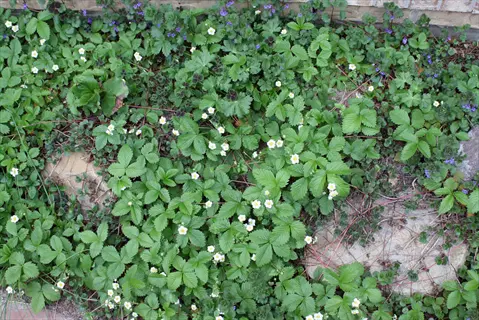
Wild Strawberry
- Root System: Produces fibrous roots from mother plants and each runner-produced daughter plant, creating interconnected networks across the soil surface.
- Erosion Control: Rapidly spreading runners create dense groundcover mats while multiple rooting points anchor the colony against surface water movement.
- Growing Conditions: Adapts to full sun through part shade in USDA zones 3-10, tolerating various soil types and moisture levels with remarkable adaptability.
- Coverage Rate: Single plants produce multiple runners that root every few inches, potentially covering several square feet within a single growing season.
- Bonus Benefits: Produces small edible strawberries attractive to wildlife while white spring flowers add ornamental value to erosion control plantings.
- Maintenance: Requires minimal care once established though occasional thinning prevents overcrowding and maintains vigorous spreading growth.
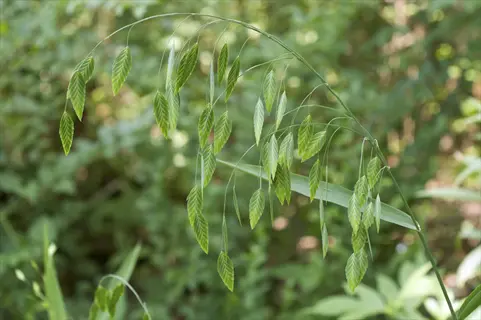
Northern Sea Oats
- Root System: Develops spreading rhizomes that create expanding colonies while fibrous roots from each stem anchor soil throughout the colonized area.
- Erosion Control: Colonizing growth fills bare areas while upright stems and arching seed heads slow water flow and protect soil from direct rainfall impact.
- Growing Conditions: Performs well in part shade to full shade in USDA zones 4-8, tolerating dry shade under trees where few other plants survive.
- Ornamental Features: Decorative oat-like seed heads dangle from arching stems turning bronze in fall and persisting through winter for year-round interest.
- Native Range: Indigenous to eastern North American woodlands with root systems adapted to forest floor conditions and seasonal moisture fluctuations.
- Maintenance: Spreads readily by rhizomes and self-seeding so may need containment in small spaces but excellent for naturalizing large shaded slopes.
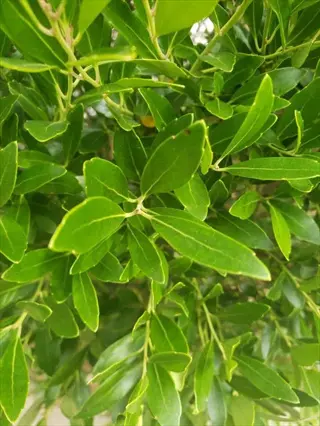
Inkberry Holly
- Root System: Produces suckering roots that create expanding colonies over time while primary roots develop moderate depth for slope anchoring.
- Erosion Control: Evergreen foliage provides year-round soil protection while spreading habit fills bare areas and accumulated leaf litter protects soil surface.
- Growing Conditions: Grows in full sun to part shade across USDA zones 4-9, tolerating wet soils and adapting to average garden conditions.
- Size Range: Reaches 5-8 feet (1.5-2.4 meters) tall with compact varieties staying under 4 feet (1.2 meters), suitable for various slope applications.
- Wildlife Value: Black berries persist through winter providing food for birds while dense evergreen growth offers year-round shelter and nesting sites.
- Maintenance: Requires minimal pruning to maintain shape and occasional removal of suckers where spread beyond intended boundaries becomes problematic.
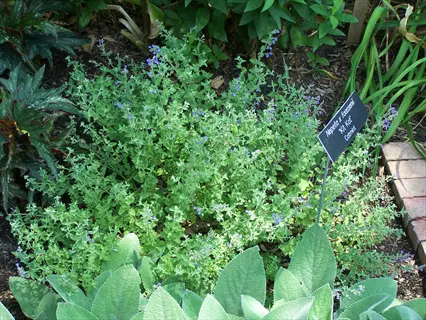
Catmint
- Root System: Develops moderately deep fibrous roots that spread outward as plants expand, binding surface soil effectively within the root zone.
- Erosion Control: Mounding growth habit covers soil while dense aromatic foliage deflects rainfall and plants spread steadily to increase protected area.
- Growing Conditions: Thrives in full sun across USDA zones 3-8, tolerating drought, heat, poor soil, and deer browsing that damages other plants.
- Bloom Period: Produces spikes of lavender-blue flowers from late spring through fall with deadheading encouraging continuous reblooming.
- Size Variety: Compact varieties reach 12-18 inches (30-45 centimeters) while larger types grow 3 feet (0.9 meters) tall and wide for various applications.
- Maintenance: Benefits from shearing by half after initial flowering to encourage dense reblooming growth and prevent floppy open center development.
Each of these plants brings something different to slope protection. Mixing several types gives you the best coverage across your entire slope. Start with fast grasses for quick cover while shrubs and perennials fill in over time.
Understanding Root Systems
I spent years digging up plants to study their roots before I learned what the science says. Root type matters more than what you see growing above ground. A 2023 PLoS One study found perennial ryegrass has 5.8 times higher root density than bermudagrass. That density is why some plants protect your slope better.
Think of fibrous root system erosion control like a net under your soil. Fine roots catch particles before water takes them. Deep root plants erosion control gives you anchors instead. Strong tap roots hold your whole slope during storms. You need both for good root systems soil stabilization.
Plants with rhizomes spread sideways under your ground. This rhizomes erosion control beats tap roots for surface erosion on your slope. The USDA backs this up in their research. You still need trees for deep failures where whole slopes slide.
You get the best protection by mixing different root types across your slope. Grasses handle your surface erosion while shrubs and trees anchor your deeper soil layers.
Choosing Plants by Soil Type
Your soil type tells you which erosion plants will work and which will fail. I learned this lesson the hard way after watching dozens of plants die on a clay slope because I picked the wrong species. Clay soil erosion plants need strong roots that can push through dense soil layers.
Sandy soil erosion plants need a different approach from what you use on clay. Fine roots work best in loose sandy ground. They weave through particles and bind them together. Oklahoma State Extension says you may need 4-6 inches of topsoil on disturbed sites. This gives your soil stabilizing plants a fair start.
Use the guide below to match your soil type with plants that will grow strong roots in your specific conditions. Poor soil erosion control starts with knowing what you have to work with.
Clay Soil Erosion Plants
- Soil Challenge: Clay compacts easily and drains slowly, causing water to sheet across the surface during rainfall rather than infiltrating into the ground.
- Root Strategy: Choose plants with strong tap roots that can penetrate dense clay layers combined with fibrous surface roots to prevent sheet erosion on top.
- Best Performers: Switchgrass, daylily, and red-osier dogwood tolerate wet clay conditions while their roots eventually improve soil structure through decomposition.
- Avoid: Surface-rooted plants that sit in waterlogged conditions during wet periods and drought-loving species that suffer when clay retains moisture.
Sandy Soil Erosion Plants
- Soil Challenge: Sand drains too quickly and lacks cohesion between particles, allowing water to wash away loose material during any rainfall event.
- Root Strategy: Prioritize dense fibrous root systems in the fine 0-1 millimeter range that bind sand particles together like reinforcing mesh in concrete.
- Best Performers: Perennial ryegrass, creeping juniper, and stonecrop sedum thrive in fast-draining sandy conditions while providing excellent surface binding.
- Avoid: Plants requiring consistent moisture that will struggle in fast-draining sand and heavy feeders that deplete already nutrient-poor sandy soils.
Loamy Soil Erosion Plants
- Soil Advantage: Loam provides ideal balance of drainage and moisture retention, supporting the widest variety of erosion control plant options.
- Root Strategy: Take advantage of favorable conditions by planting varied mixes combining fibrous grasses, spreading shrubs, and deep-rooted trees.
- Best Performers: Nearly all recommended erosion control plants thrive in loamy conditions including little bluestem, Virginia sweetspire, and muhly grass.
- Opportunity: Use loamy soil areas to establish the densest most varied plantings that provide both immediate coverage and long-term slope stability.
Rocky or Poor Soil Plants
- Soil Challenge: Thin soil over rock or severely degraded soil lacks organic matter and nutrients while providing minimal rooting depth for plants.
- Root Strategy: Select pioneer species adapted to harsh conditions that can establish in poor soil and gradually improve conditions through organic matter addition.
- Best Performers: Creeping juniper, stonecrop sedum, and little bluestem tolerate rocky poor conditions while catmint and wild strawberry spread across thin soils.
- Soil Building: As plants establish and drop leaves the organic matter gradually improves soil quality allowing more demanding species to follow.
Plants for Shade vs Sun
Light levels change your plant options more than most people expect. In my experience full sun erosion plants cook under tree shade. I have watched shade plants burn on exposed slopes too. Tree canopies help shady slopes by breaking raindrop impact before it hits the ground.
Shade erosion control plants face less stress from direct water hits but they also get less energy to grow strong roots. Leaf litter on forest floors provides natural protection that you lose on sunny slopes. Part shade erosion plants and low light erosion plants need to handle changing conditions as trees leaf out each spring.
Match your plants to the light your slope actually gets rather than what you wish it had. The table below breaks down your best options for each light condition.
Your slope may have different light zones from top to bottom. Map these zones before you buy plants so you put the right species in the right spots.
How to Install Erosion Plants
In my experience how to plant erosion control species makes or breaks your project. I have watched great plant choices fail from bad erosion control installation on too many slopes. Vegetated areas lose only 10-20% of rainfall to runoff. Bare soil loses 60-70% instead.
Your site preparation erosion work happens before any plants go in the ground. Erosion control blankets protect bare soil while your plants establish roots. Aim for 60% vegetation coverage as your target. The steps below walk you through the full process from start to finish.
Prepare the Slope Surface
- Soil Assessment: Test soil type and amend with 4-6 inches (10-15 centimeters) of topsoil on disturbed sites where existing soil lacks organic matter for plant establishment.
- Grade Smoothing: Remove large debris and fill erosion channels while maintaining the overall slope grade to prevent water pooling in low spots.
- Erosion Protection: Install erosion control blankets or jute netting on bare slopes before planting to prevent soil loss during the establishment period.
- Timing Consideration: Plant in early fall or spring when rainfall supports establishment but temperatures remain moderate for root development.
Plan Plant Placement
- Coverage Goal: Aim for 60% vegetation coverage as the research-backed threshold for optimal erosion control without wasting resources on excessive planting.
- Vertical Spacing: Space vegetative barriers at 2 feet (0.6 meters) vertical intervals down the slope to intercept water flow at multiple points.
- Horizontal Staggering: Offset plants in adjacent rows so water cannot flow straight downhill between plants without encountering root zones.
- Species Mixing: Combine fast-establishing grasses with slower shrubs so quick coverage protects soil while permanent plants develop strong root systems.
Install Plants Properly
- Hole Preparation: Dig planting holes through erosion blankets if used, making holes twice as wide as root balls but no deeper than root depth.
- Root Orientation: Position roots pointing downslope slightly so they grow into the slope rather than being pulled out by gravity and water pressure.
- Backfill Technique: Firm soil around roots to eliminate air pockets then create a small basin on the uphill side to capture water for the new plant.
- Immediate Mulching: Apply 2-3 inches (5-8 centimeters) of mulch around each plant keeping mulch away from stems to prevent rot while protecting soil.
Support Establishment Period
- Watering Schedule: Provide 1 inch (2.5 centimeters) of water weekly during the first growing season, focusing on slow deep soaking rather than frequent light watering.
- Erosion Monitoring: Check slopes after every significant rainfall during the first year and repair any erosion channels before they widen and undermine plants.
- Weed Control: Remove competing weeds that steal water and nutrients from establishing erosion control plants before weeds can set seed.
- Patience Required: Allow two to three full growing seasons for permanent plants to develop the extensive root systems needed for long-term slope stability.
Invasive Plants to Avoid
In my experience I see the same erosion control mistakes on slopes every year. Garden centers still sell many invasive plants to avoid erosion problems. English ivy erosion control bad outcomes happen because root mats sit on top of soil. Heavy rain slides these entire mats downhill taking soil with them.
Vinca invasive erosion issues come from the same problem. These plants create monocultures that wipe out varied native root systems on your slope. You lose the mix of deep and surface roots that actually hold slopes together. NC State Extension warns about these exact plants. The table below shows what to avoid and better options.
Always check your local invasive species lists before buying plants for erosion control. Problem species vary by region and what works in one state may be banned in another.
5 Common Myths
English ivy is an excellent ground cover for erosion control because it spreads quickly and stays green year-round.
English ivy creates shallow root mats that detach from slopes during heavy rain, causing worse erosion than bare soil as entire sheets slide downhill.
Any plant with dense foliage will prevent erosion equally well regardless of its root system type.
Root architecture matters more than foliage density, with fibrous-rooted plants preventing surface erosion and deep-rooted species stopping mass slope failures.
Planting trees provides better erosion control than grass because trees have larger root systems.
Grasses with laterally spreading fibrous roots outperform trees for surface erosion control, though trees excel at preventing deep slope failures through anchoring.
Covering a slope completely with vegetation provides maximum erosion protection.
Research shows 60 percent vegetation coverage optimizes erosion control while maintaining water efficiency, with diminishing returns beyond this threshold.
Fast-growing plants always make the best choice for erosion control because they establish coverage quickly.
Slow-growing native plants often provide superior long-term erosion control due to deeper root development and better adaptation to local soil conditions.
Conclusion
In my experience the right erosion control plants can cut your slope's sediment loss by up to 84%. I have seen this research hold true on dozens of projects. That number comes from matching root systems to your problems. Slope stabilization works best when you combine fast grasses with slower shrubs and trees.
My three part approach comes down to simple choices. First pick soil stabilizing plants based on root type. Fibrous roots handle surface erosion while deep roots prevent mass failures. Second match plants to your soil type and light conditions. Third avoid invasive species that make erosion worse over time.
Start your project with fast-establishing grasses like perennial ryegrass. These cover bare soil in weeks. Quick growers protect your slope while permanent shrubs develop strong root systems. Native plants erosion control gives you the best long-term results because local species fit your conditions.
Aim for 60% vegetation coverage as your target. You don't need to cover every inch of your slope. This threshold gives you strong erosion control without wasting money on too many plants. Intense storms now hit more often than before. Getting your erosion control plants right today protects your property for years.
External Sources
Frequently Asked Questions
What is the cheapest way to prevent soil erosion?
Seeding native grasses and cover crops costs between $10 to $40 per acre, making them the most affordable erosion control option compared to structural solutions.
What is the fastest growing ground cover for a slope?
Perennial ryegrass and annual rye establish within two to three weeks, providing rapid temporary cover while slower permanent plants mature.
What tree is best for erosion control?
Red-osier dogwood, willow, and serviceberry excel at erosion control because they resprout from roots and broken branches while anchoring deep into slopes.
Can soil erosion be reversed?
Yes, soil erosion can be reversed through vegetation establishment, which rebuilds topsoil over time by adding organic matter and stabilizing particles with root networks.
What methods work for erosion control?
Effective erosion control combines:
- Vegetative barriers using grasses and shrubs
- Structural measures like terracing and retaining walls
- Surface protection with mulch and erosion blankets
How do you stop soil erosion from rain?
Plant dense ground covers to break raindrop impact, install erosion blankets on bare slopes, and create terraces or swales to slow water velocity.
What is the best natural defense against erosion?
Native vegetation provides the best natural defense because root systems bind soil particles while leaves and stems break raindrop impact that strikes at 20 miles per hour (32 kilometers per hour).
Which crop is the most effective in controlling soil erosion?
Perennial ryegrass demonstrates the highest root length density among tested crops, with studies showing 5.8 times more root mass than bermudagrass for superior soil binding.
What is planted on top of soil to prevent erosion?
Ground covers, mulch, and erosion control blankets protect topsoil from raindrop splash while seedlings establish root systems beneath the surface.
Why are native plants better for erosion control?
Native plants develop deeper, more extensive root networks adapted to local soil conditions and rainfall patterns, outperforming non-native species in long-term erosion prevention.