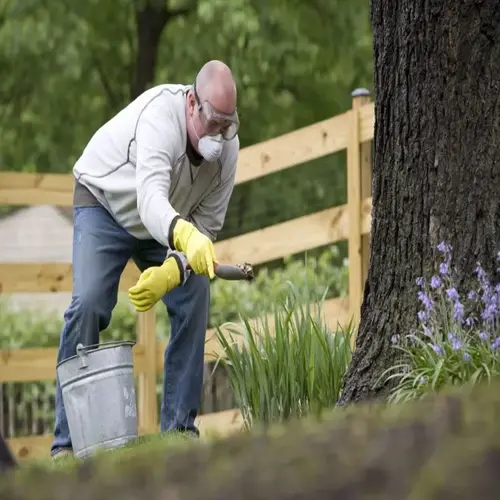

What gets planted on top of soil to prevent erosion includes both living plants and surface covers that shield bare dirt. Ground cover plants spread across your slopes and grip soil with their roots below the surface. Mulch and blankets protect the dirt while your plants get started growing. You often need both types working together for the best results on bare ground.
I used this layered approach on a steep slope behind my shed that kept washing out after every rain storm. First I rolled out erosion blankets to hold the loose dirt in place right away. Then I seeded fast grass through the blanket mesh for quick cover. Last I planted native shrubs in holes cut through the fabric for long term stability. That combo stopped all erosion within the first growing season.
Erosion control ground cover plants work by spreading leaves and stems across your soil surface to block rain. Clover, creeping thyme, and native grasses all make good choices for this job on your land. Their roots grow down and weave through the dirt to bind it together below. Above ground they break raindrop force before drops can blast soil loose from the surface.
Mulch for erosion control gives you protection right away while you wait for plants to fill in over time. Straw costs little and breaks raindrop impact within hours of spreading it on bare soil. Wood chips last longer but cost more to buy and spread across large areas of your slopes. Both types hold moisture in the ground which helps your planted seeds sprout faster.
Erosion blankets work best on steep slopes where loose mulch would slide off or wash away in storms. These fabric mats pin down to the soil surface and stay put through wind and rain events. Seeds and small plants can grow right through the mesh openings in the blanket material. The fabric breaks down over one to three years as your plants take over the protection job.
Studies show 60% plant coverage works as the target for good erosion control on slopes. Below that level you still lose too much soil during storms. Above that level your plants catch most rain and hold most dirt in place. Aim for this coverage number when you plan your planting work on bare areas.
Layer your erosion protection from fastest to slowest for the best results over time on your property. Start with blankets or mulch for instant coverage of your bare ground. Add fast grass seed that sprouts in one to two weeks and fills gaps quick. Plant permanent ground covers and shrubs that take months to grow but last for years. This approach protects your soil at every stage.
Check your slopes after each big rain to see what needs more coverage or repair work from you. Look for bare spots where mulch washed away or seeds did not sprout like you planned. Add more seed or mulch to problem areas before the next storm hits your land. Your attention in the first year makes the difference between success and failure on erosion projects.
Read the full article: 15 Best Erosion Control Plants for Slopes