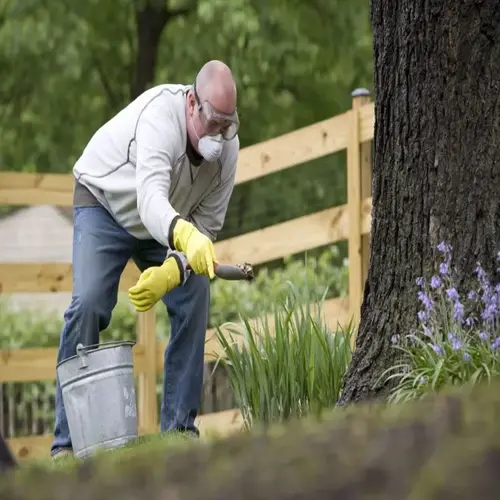

Yes, soil erosion reversed is possible when you give your land the right plants and enough time to heal. Plants can rebuild eroded slopes over several years. They add organic matter back into the dirt through their roots and fallen leaves. Your damaged ground can recover if you take the right steps and stay patient.
I have watched this happen on a badly eroded slope behind my house over the past five years of work. When I bought the place that hill was bare red clay with gullies two feet deep running down it. I planted native grasses and let leaf litter pile up each fall instead of raking it away. Today that same slope has four inches of dark topsoil where there was none before. The gullies have filled in flat and grass covers the whole area now.
A friend of mine had the same problem at her farm down the road from my place. She tried compost tea and cover crops on her worst hillside for three seasons straight. That spot went from bare subsoil to soft loamy earth that you can push your finger into with ease. Her results matched mine and proved this approach works in different soil types around our area.
Erosion recovery takes time because soil builds up slow compared to how fast it washes away. Plants add about one inch of topsoil every hundred years under normal conditions in nature. You can speed this up by using fast growing cover crops and adding compost or mulch to your slopes. Still you should plan on waiting three to five years to see real changes in your soil depth and texture.
Plants rebuild eroded soil through a cycle that works around the clock without any help from you at all. Their roots grow through the dirt and die back each year. This leaves tiny tubes of organic matter behind in the ground. Leaves fall and break down into humus that darkens your soil. Earthworms and bugs mix everything together and create spongy texture over time.
Research shows why planted ground heals while bare ground keeps losing dirt year after year. Areas covered with plants retain 80-90% of rainfall that hits them during storms. Bare soil only holds onto 30-40% with the rest running off and taking topsoil with it. Your plants create a cycle where more water soaks in and less soil washes out each time it rains on your land.
You can restore eroded slopes faster by picking plants that add lots of organic matter to your soil. Legumes like clover fix nitrogen from the air and build soil health as they grow. Deep rooted prairie grasses leave networks of dead roots that become humus over time. Mix several species together so your slope gets different types of organic inputs through the year.
Watch for signs that your work is paying off on your damaged slopes around the property. Soil color should shift from light tan or red toward darker brown over time. Your ground should feel softer and more spongy when you walk on it after a few years. Rain should soak in faster instead of pooling on the surface and running off.
The key to success is stopping new erosion while you wait for old damage to heal on your land. Mulch bare spots with straw or wood chips until your plants fill in those gaps. Direct water flow away from damaged areas during storms so they get a break. Your patience will pay off as your slopes transform from bare dirt into healthy living soil.
Read the full article: 15 Best Erosion Control Plants for Slopes