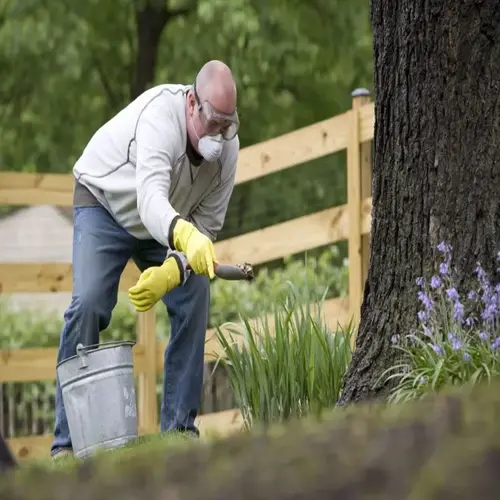

Yes you can over-fertilize fruit trees and this common mistake causes real damage to your orchard. Too much fertilizer pushes soft leafy growth at the expense of fruit production. The excess salts also burn roots and throw off nutrient balance. More is not better when feeding fruit trees.
I rescued my neighbor's apple tree after she dumped a whole bag of fertilizer under it one spring. The leaves turned dark green and shoots grew two feet long in weeks. But the tree set almost no fruit that year. It took three years of careful management for that tree to return to normal crops.
The excess nitrogen symptoms show up first as very dark green leaves and wild shoot growth. Branches get long and whippy instead of compact and fruiting. The tree looks healthy from a distance but close inspection shows something is wrong. All that energy went into leaves instead of flowers and fruit.
Fertilizer burn fruit trees suffer shows up as brown leaf edges and tips. Salt buildup in soil draws water out of roots through reverse osmosis. The damaged roots cannot take up water or nutrients well. Whole branches may die back in severe cases leaving you with a struggling tree.
Research shows that mature trees only use 25-55% of nitrogen applied around them. The rest either leaches into groundwater or builds up in soil to harmful levels. Home gardeners often apply far more than trees can use thinking it will help growth. This waste harms both trees and the environment.
Too much fertilizer trees get also attracts pests and diseases. Soft succulent growth makes easy targets for aphids and other sap feeders. Pear trees overfed with nitrogen face much higher risk of fire blight infection. The disease spreads fast through tender shoots and can kill young trees outright.
Fix over fertilized trees by watering heavy to leach excess salts down past the root zone. Run a sprinkler for several hours every few days for a couple of weeks. Skip all fertilizer for at least one full year while the tree recovers. Let growth calm down before adding any more nutrients.
I used this approach on that apple tree and watched it slowly return to balance. Growth slowed to normal lengths the second year. Fruiting came back by year three. The recovery showed me how resilient trees can be when you stop making things worse and let them heal on their own.
Prevent problems by measuring what your trees actually need. Soil tests show nutrient levels so you know what to add if anything. Watch shoot growth rather than following calendar schedules. Trees making 6-12 inches of new growth per year need no extra nitrogen at all.
Less fertilizer often means more fruit from your trees. Let natural soil processes feed roots most of the time. Add only what soil tests show is lacking. Your trees will produce better with less input and you will save money while protecting the environment from excess runoff.
Read the full article: Fertilizing Fruit Trees for Better Yields