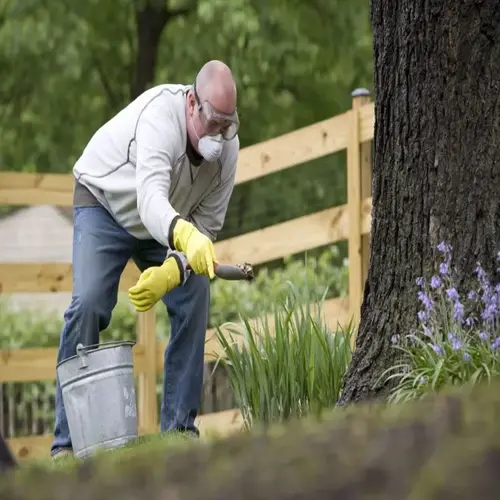

Using Epsom salt fruit trees as a treatment works only when your soil lacks magnesium. This home remedy gives trees magnesium sulfate for healthy green leaves. Most garden soils have enough magnesium without extra help. You need to test your soil first before adding this supplement.
I spotted magnesium deficiency fruit trees problems on my old apple tree a few years back. The older leaves showed yellow patches between the veins while the veins stayed dark green. This classic pattern told me the tree was pulling magnesium from old leaves to feed new growth. The soil had run short and the tree was struggling to keep up with demand.
The role of magnesium for fruit trees comes down to basic plant science. This element sits at the center of every chlorophyll molecule. Your tree cannot run photosynthesis without it. Trees use this process to turn sunlight into energy for branches, roots, and fruit. Without enough magnesium, growth slows and fruit quality drops fast.
The tricky part about fruit tree supplements like Epsom salt is knowing when they help versus hurt. Most soils in North America contain plenty of magnesium for fruit trees. Adding more when levels are fine causes real problems. Excess magnesium blocks calcium and potassium uptake at the root level. You create new deficiencies while trying to fix one that never existed.
A soil test costs around fifteen dollars and tells you what your trees need. Skip the guesswork and get the facts before adding supplements to your orchard soil. Testing labs give you precise numbers. They show whether magnesium falls short or sits right where it should be. County extension offices often test soil for low prices.
When tests confirm a true deficiency, Epsom salt works fast as either soil amendment or foliar spray. Mix 1 tablespoon per gallon of water for spraying leaves during growing season. For soil application, work 1 cup per tree into the ground around the drip line. That zone sits where feeder roots live and take up nutrients. The foliar method shows results within weeks while soil work takes longer.
My own apple tree bounced back after two foliar sprays spaced three weeks apart. The yellow patches faded and new leaves came in solid green. I tested first and found my sandy soil had leached away much of its natural magnesium. Years of rain had washed it down past the root zone. Friends who added Epsom salt without testing often saw no change at all.
Watch for signs that tell you magnesium might be low. Yellowing between leaf veins on older leaves is the main clue. The pattern moves up from the bottom of the tree since magnesium is mobile in plant tissue. Young leaves stay green longer because the tree moves nutrients to support new growth first. Severe cases show leaf edges turning brown and crispy.
Some fruit trees need more magnesium than others. Citrus trees and apples tend to show deficiency more often than stone fruits. Sandy soils lose magnesium faster than clay soils do. Acid soils also make magnesium less available to roots. All these factors affect whether Epsom salt will help your specific situation.
Save your money and your trees by testing before treating. Epsom salt helps hungry trees but does nothing for well fed ones. Worse, overdoing it throws off nutrient balance and creates harder problems. Get the soil report first and let the numbers guide your decision. Your fruit trees will thank you with better growth and bigger harvests.
Read the full article: Fertilizing Fruit Trees for Better Yields