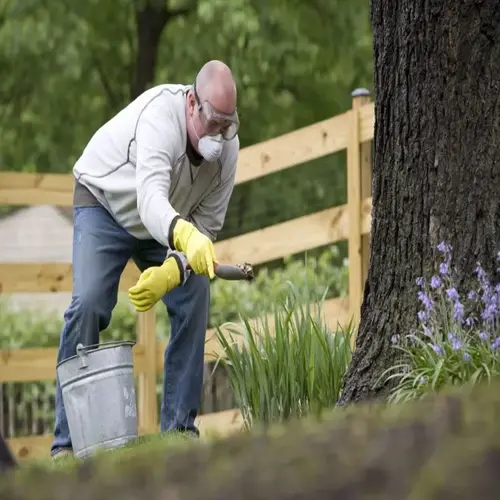

A fertilizer promotes fruiting best when it has low nitrogen. High phosphorus and potassium content also helps a lot. This mix shifts your tree's energy away from leaves toward making fruit. Trees fed heavy nitrogen grow lots of green shoots but make small crops. The right formula pushes fruit instead.
I saw this play out with my own cherry tree several years back. Heavy lawn fertilizer drifted onto the root zone and the tree exploded with leafy growth. Shoots grew two feet long in a single season. But the cherry crop that year was the worst I ever had. Too much nitrogen sent all the tree's energy into leaves and branches.
Each nutrient in fertilizer plays a different role in plant growth. Nitrogen drives leaf and stem production. Phosphorus potassium fruit growth works another way. Phosphorus supports flowers and strong roots. Potassium moves sugars into fruit and helps with size. Together they shift the balance toward reproduction.
The battle between fruiting vs vegetative growth comes down to resources. Trees can either make leaves or make fruit with the energy they collect. High nitrogen tells the tree to invest in growth. Lower nitrogen with strong P and K sends the signal to reproduce instead. You control this balance through fertilizer choice.
Look for low nitrogen fertilizer trees products with NPK ratios like 4-8-8 or 5-10-10 at your garden center. The first number should be smaller than the other two. These blends give just enough nitrogen for healthy leaves while pushing energy toward fruit production. Avoid lawn fertilizers which reverse this ratio.
Skip nitrogen entirely on trees that grow wild but fruit poorly. These vigorous trees have enough nitrogen stored in their tissue. Adding more just makes the problem worse. Let them burn off the excess while you focus on potassium and phosphorus. Growth will calm down and fruiting will pick up within a season or two.
My neighbor tried this approach on an apple tree that had not fruited in five years. She stopped all nitrogen and applied potassium sulfate in spring. That fall the tree set its first crop of fruit. Watching that tree finally perform showed me how much fertilizer choice matters.
Sunlight affects fruiting more than most people realize. A tree in deep shade will not fruit well no matter what you feed it. Make sure your fruit trees get at least six hours of direct sun before blaming fertilizer problems. Prune to open up the canopy and let light reach fruiting branches throughout the tree.
Apply fruiting fertilizer in early spring as buds swell and again after fruit sets. These timing windows catch the tree when it makes decisions about growth versus reproduction. Late applications miss this window and may push unwanted growth before winter. Stick to the spring timing for best results on fruit set and size.
The right fertilizer balance transforms a leafy tree into a productive one. Cut nitrogen, boost phosphorus and potassium, and watch your fruit crops improve. Add plenty of sunlight and good timing to complete the picture. Your tree will thank you with baskets of fruit instead of piles of leaves to rake.
Read the full article: Fertilizing Fruit Trees for Better Yields