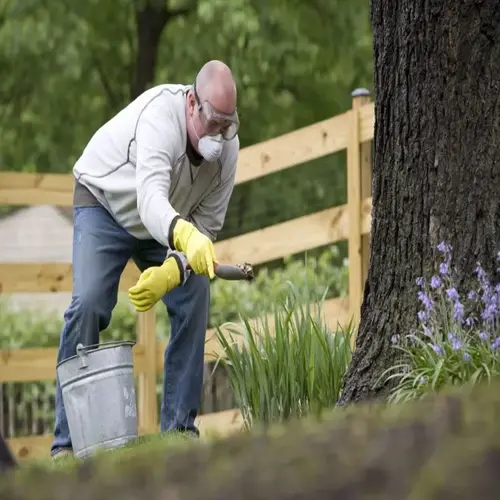

When you fertilize too late in the season your fruit trees push new growth that cannot survive winter. The nitrogen triggers shoots that stay soft and green instead of hardening. These tender branches die when frost arrives. The damage often spreads into older wood and weakens the whole tree.
I saw late fertilization damage on my own plum tree after making this mistake years ago. I spread fertilizer in late August thinking it would help the tree store energy. Instead the tree put out new shoots in September. The first freeze turned those shoots black at the tips. Bark split on some branches and cankers formed the next year.
Trees build winter hardiness trees need through a process that takes weeks to finish. The plant stops growing and starts moving sugars into its wood. Cell walls thicken and water content drops. This hardening only happens when days get short and temps cool down. New growth from late feeding never gets the chance to harden.
The frost damage new growth shows up in several ways after winter ends. Look for blackened shoot tips that snap off dry and dead. Check for bark that cracked and peeled on young branches. Watch for whole sections of the tree that fail to leaf out in spring. All these point back to feeding too late the year before.
Most experts say to stop nitrogen by early July in northern areas. This gives trees eight to ten weeks before frost to finish their growth. Southern growers can push a bit later but should still stop well before fall. Mark your calendar and skip any urge to feed once that date passes.
The damage goes beyond what you can see on the surface. Trees fighting to heal winter wounds have less energy for making fruit. Disease spores enter through cracks and dead tissue. What seemed like a small mistake in August can cost you crops for years as the tree struggles to recover.
If you already fed your trees late by accident, take steps to limit the damage. Stop all watering except during true drought so growth slows down. Do not prune anything in fall since cuts can trigger more growth. Consider wrapping young trees with burlap or tree wrap before hard frost hits.
I helped a friend save his cherry tree after late feeding by wrapping the new shoots in burlap. We also piled extra mulch around the base for root protection. Some shoots still died but the main structure survived. It took two years for the tree to bounce back to normal fruiting.
Spring gives you a fresh start to do things right. Feed your trees when buds swell in early spring and stop by midsummer at the latest. This timing matches the natural growth cycle and sets trees up for winter success. One season of careful feeding helps erase the effects of past mistakes.
Late feeding is one of the most common fruit tree mistakes home growers make. The urge to help your trees as winter comes feels natural. But holding back is the real help they need. Let them slow down and harden off on their own schedule for the best chance at winter survival.
Read the full article: Fertilizing Fruit Trees for Better Yields