
Introduction
Top native pollinator plants for ecosystem health start right in your own yard. The stakes are higher than most people know. A 2025 PNAS study found that 22.6% of North American pollinator species face real extinction risk. On top of that, 34.7% of native bee species are in trouble. Those numbers should make every gardener think twice about what they grow.
I spent 8 years turning my grass lawn into a garden full of native species that buzzes with life all season long. The biggest lesson? Native plants for pollinators beat store bought flowers every time. Penn State research shows they draw 4 times more visitors than imports. That gap shocked me when I first read the study.
Your backyard can work as a real wildlife refuge. Native species create a living buffet that has fed local wildlife for thousands of years. Fancy imports are more like junk food with little real value for the creatures that need help most. Strong ecosystems grow from these deep ties between local flora and the animals that spread their pollen. That bond took thousands of years to form and can't be replaced with a trip to the garden center.
This guide gives you a clear plan to build a pollinator garden that matters. You will find the best native species for every season and trees that most people miss. You also get a region by region planting map to match your yard. A healthy ecosystem starts with the right plants. Bees, butterflies, and other beneficial insects add over $24 billion to the U.S. economy each year. Your garden can be part of that story.
10 Top Native Pollinator Plants
These 10 native pollinator plants earned their spots through real research and my own field tests. Penn State tested 4,500 plant plugs across 85 species and found that plants with large clusters of tiny flowers drew the widest range of insects. Goldenrod and mountain mint topped those trials. In my experience, every plant on this list pulls in strong numbers for your garden.
I chose these native wildflowers after matching university data with what grows well in my own beds. Each one feeds specific pollinators that evolved with it over thousands of years. About 90% of native insects can feed on their co-evolved plants and nothing else. That's why milkweed, coneflower, black-eyed Susan, bee balm, blazing star, and butterfly weed belong in your yard.
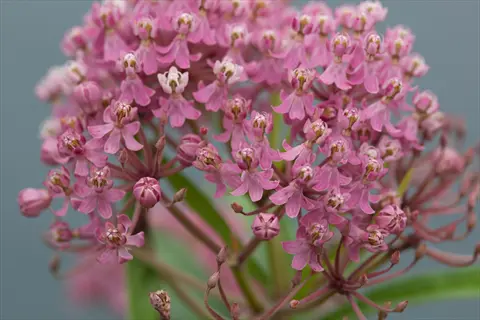
Milkweed (Asclepias)
- Pollinator Role: Milkweed is the sole host plant for monarch butterfly larvae and produces abundant nectar that supports native bees, hummingbirds, and dozens of butterfly species throughout summer blooming periods.
- Growing Conditions: Thrives in full sun with well-drained soil across USDA hardiness zones 3 through 9, requiring minimal watering once established and tolerating poor, sandy, or clay soils with ease.
- Bloom Season: Flowers from June through August with clusters of pink, white, or orange blooms depending on the species, providing a critical mid-summer food source when many spring flowers have faded.
- Native Range: Over 70 Asclepias species are native across North America, with common milkweed (A. syriaca) found in the East and showy milkweed (A. speciosa) predominant in western regions.
- Ecological Value: Beyond monarchs, milkweed supports 12 specialist insect species that feed on its leaves and nothing else, and its deep taproot improves soil structure and reduces erosion in garden beds.
- Planting Tip: Plant milkweed in clusters of five or more plants to create a visible target for migrating monarchs, and avoid cutting stems in fall since chrysalises may overwinter on dried stalks.
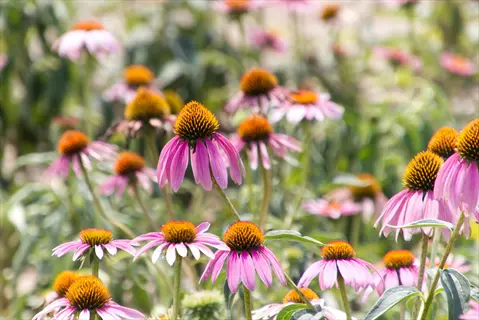
Purple Coneflower (Echinacea purpurea)
- Pollinator Role: Coneflower's large daisy-like flower heads provide a generous landing platform for bees, butterflies, and beetles, while its extended bloom period offers food when many shorter-blooming species have finished.
- Growing Conditions: Grows well in full sun to light shade in hardiness zones 3 through 8, adapting to most soil types including clay, and tolerates drought once roots are established after the first growing season.
- Bloom Season: Blooms from June through September with purple-pink petals surrounding a raised central cone, and leaving spent flower heads standing provides winter seeds for goldfinches and other native birds.
- Native Range: Native to eastern and central North America from the Great Plains to the Atlantic coast, Echinacea purpurea grows naturally in open woods, prairies, and along roadsides in well-drained areas.
- Ecological Value: Supports over 20 species of native bees including specialist sweat bees and mining bees, while its seed heads feed birds through winter and its roots support beneficial soil organisms.
- Planting Tip: Space plants 18 to 24 inches (45 to 60 centimeters) apart and avoid over-fertilizing, as rich soil produces leggy growth with fewer flowers compared to leaner conditions that mimic native prairies.
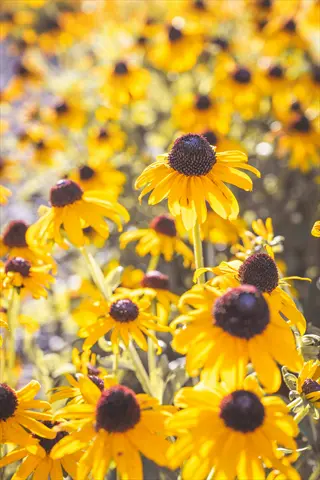
Black-Eyed Susan (Rudbeckia hirta)
- Pollinator Role: Black-eyed Susan produces bright yellow daisy flowers that attract a wide range of generalist pollinators including sweat bees, bumble bees, soldier beetles, and hover flies throughout its long bloom season.
- Growing Conditions: Adapts to almost any soil condition in full sun, thriving in hardiness zones 3 through 7, and tolerates heat, humidity, drought, and poor soil better than most native perennials in the garden.
- Bloom Season: Flowers from June through October, offering one of the longest bloom windows of any native wildflower and providing late-season food when pollinators are building energy reserves before winter dormancy.
- Native Range: Found across most of North America from coast to coast, making it one of the most adaptable native pollinator plants available for gardeners in any region.
- Ecological Value: Seeds provide winter food for songbirds like goldfinches and juncos, and the plant self-sows with ease to create expanding pollinator patches without additional planting effort in subsequent years.
- Planting Tip: Sow seeds right outdoors in fall or early spring, as they need a cold period of about 30 days at 40°F (4°C) to sprout well.
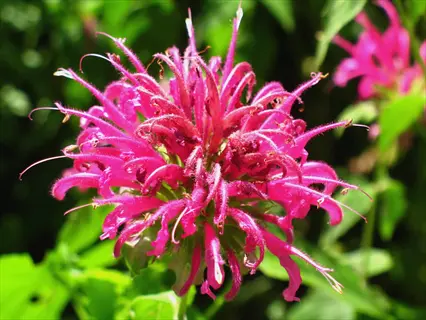
Bee Balm (Monarda fistulosa)
- Pollinator Role: Wild bergamot bee balm produces tubular flowers that are the right shape for long-tongued bumble bees and hummingbirds, while also attracting butterflies, moths, and specialist bees to its nectar-rich blooms.
- Growing Conditions: Prefers full sun to partial shade in hardiness zones 3 through 9, growing 2 to 4 feet (60 to 120 centimeters) tall in average to dry soils, and resists deer browsing due to its aromatic foliage.
- Bloom Season: Blooms from July through September with lavender to pink flower clusters atop sturdy stems, filling the gap between early summer and fall bloomers in a seasonal succession planting design.
- Native Range: Native throughout most of North America from Quebec to British Columbia and south to Georgia and Arizona, wild bergamot thrives in prairies, meadows, and woodland edges across many ecosystems.
- Ecological Value: Penn State research identifies Monarda species among the top pollinator-attracting natives, supporting both generalist and specialist bees that forage on mint family plants alone for their unique pollen chemistry.
- Planting Tip: Space plants 18 inches (45 centimeters) apart with good air circulation to prevent powdery mildew, and divide clumps every three years to maintain vigor and prevent the center from dying out.
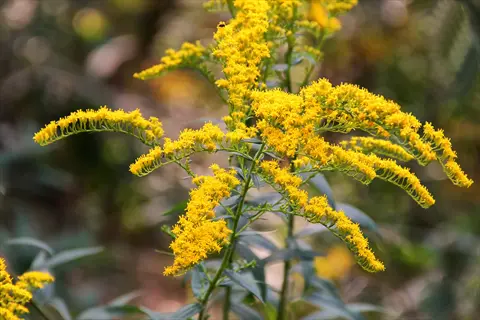
Goldenrod (Solidago)
- Pollinator Role: Penn State research found Solidago rigida attracted the greatest variety of pollinators of any tested native plant, supporting over 100 species of native bees, flies, wasps, beetles, and butterflies.
- Growing Conditions: Super adaptable and low maintenance, goldenrod thrives in full sun across hardiness zones 2 through 8, tolerating poor soil, drought, and neglect while forming dense, spreading colonies over time.
- Bloom Season: Flowers from August through October with bright yellow plumes, providing the most critical late-season pollen and nectar source that helps pollinators build fat reserves for winter survival.
- Native Range: Over 100 Solidago species are native to North America, with varieties suited to every habitat from coastal dunes to mountain meadows, making it the continent's most varied pollinator plant genus.
- Ecological Value: Contrary to popular belief, goldenrod does not cause hay fever (ragweed is the actual culprit) and it supports over 100 caterpillar species while its stems provide overwintering shelter for native bees.
- Planting Tip: Choose clump-forming species like Solidago rigida or Solidago speciosa for garden settings, as these spread less than common goldenrod and maintain a tidy habit in mixed pollinator beds.
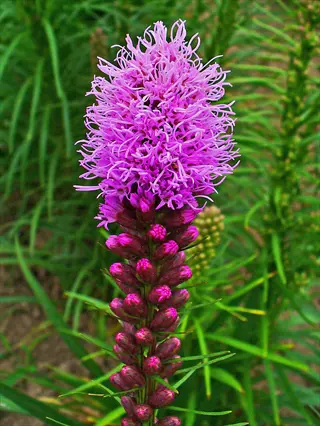
Blazing Star (Liatris spicata)
- Pollinator Role: Blazing star's purple spike flowers open from top to bottom over several weeks, creating an extended feeding window that attracts monarch butterflies, native bees, and hummingbirds during their summer migration.
- Growing Conditions: Grows in full sun in hardiness zones 3 through 8, reaching 2 to 4 feet (60 to 120 centimeters) tall, preferring moist to average well-drained soil and tolerating clay soils better than most prairie plants.
- Bloom Season: Blooms from July through August with striking purple flower spikes that add vertical interest to pollinator gardens while providing accessible nectar to a wide variety of flying insect pollinators.
- Native Range: Native to eastern North America from the Great Lakes region south to Florida and west to the Great Plains, blazing star grows naturally in moist prairies, meadows, and along stream edges.
- Ecological Value: Liatris species serve as larval host plants for several moth species and their seeds feed songbirds in fall, while the corms provide food for small mammals in the winter food web.
- Planting Tip: Plant corms 2 inches (5 centimeters) deep and 12 to 15 inches (30 to 38 centimeters) apart in fall for spring emergence, and avoid heavy mulching directly over corms as they need some soil warming.
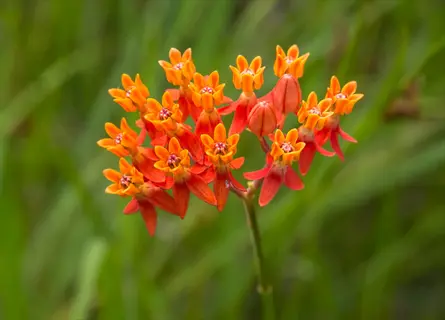
Butterfly Weed (Asclepias tuberosa)
- Pollinator Role: Butterfly weed produces vivid orange flower clusters that are powerfully attractive to swallowtail butterflies, monarchs, native bees, and hummingbirds, and it serves as a host plant for monarch caterpillars like other milkweeds.
- Growing Conditions: Prefers full sun and dry to average well-drained soil in hardiness zones 3 through 9, growing 1 to 2 feet (30 to 60 centimeters) tall with a deep taproot that makes it very drought tolerant once established.
- Bloom Season: Flowers from June through August with flat-topped clusters of bright orange to yellow blooms that stand out in mixed native plantings and provide mid-summer nectar during peak pollinator activity.
- Native Range: Native throughout eastern North America from Ontario to Florida and west to Colorado and Arizona, butterfly weed occurs naturally in dry prairies, rocky hillsides, and open meadows with sandy soil.
- Ecological Value: Unlike common milkweed, butterfly weed stays compact and does not spread by underground runners, making it ideal for smaller gardens while still supporting monarch conservation and specialist insect communities.
- Planting Tip: Start from transplants rather than seed since the deep taproot makes mature plants almost impossible to move, and mark planting locations in fall because butterfly weed emerges very late in spring.
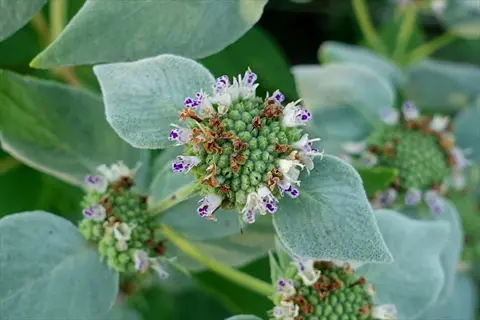
Mountain Mint (Pycnanthemum muticum)
- Pollinator Role: Penn State research ranked mountain mint among the highest-performing native plants for pollinator variety, attracting more categories of beneficial insects than almost any other species tested across their multi-year trials.
- Growing Conditions: Thrives in full sun to partial shade in hardiness zones 4 through 8, growing 2 to 3 feet (60 to 90 centimeters) tall in average to moist soils, and spreads by rhizomes to form dense pollinator-supporting stands.
- Bloom Season: Blooms from July through September with silvery-white flower heads that produce abundant nectar throughout the day, keeping a steady stream of different pollinators visiting from morning to evening.
- Native Range: Native to eastern North America from Maine to Florida and west to Michigan and Texas, mountain mint grows naturally in meadows, woodland edges, and along stream banks where it forms dense colonies.
- Ecological Value: The tiny clustered flowers are accessible to short-tongued bees, flies, and small beetles that cannot reach nectar in deeper tubular flowers, supporting pollinator groups that most garden plants miss.
- Planting Tip: Give mountain mint room to spread or contain it with root barriers, and harvest aerial portions for aromatic tea while the strong mint scent repels deer and rabbits from nearby plantings.
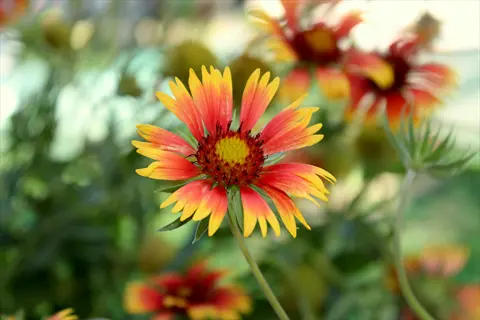
Blanketflower (Gaillardia aristata)
- Pollinator Role: Blanketflower's red and yellow daisy blooms attract a wide mix of native bees, painted lady butterflies, and soldier beetles, and its extended blooming from early summer through frost provides rare late-season resources.
- Growing Conditions: Prefers full sun and very well-drained sandy or gravel based soil in hardiness zones 3 through 8, reaching 1 to 2 feet (30 to 60 centimeters) tall, and actually performs best in poor soils where other plants struggle.
- Bloom Season: Flowers from June through October with one of the longest continuous bloom periods of any native wildflower, providing dependable nectar and pollen through late-season gaps when other plants have finished flowering.
- Native Range: Native to prairies and grasslands from the Great Plains to the Pacific coast and south through the Rocky Mountain states, blanketflower handles extreme heat, wind, and drought with no trouble.
- Ecological Value: Seeds left standing through winter provide food for finches and sparrows, while the plant's ability to thrive in disturbed soils makes it valuable for restoring pollinator habitat on degraded sites.
- Planting Tip: Avoid overwatering and heavy clay soils, which cause root rot in blanketflower, and deadhead spent blooms often during the first year to encourage bushier growth and more flower production the following season.
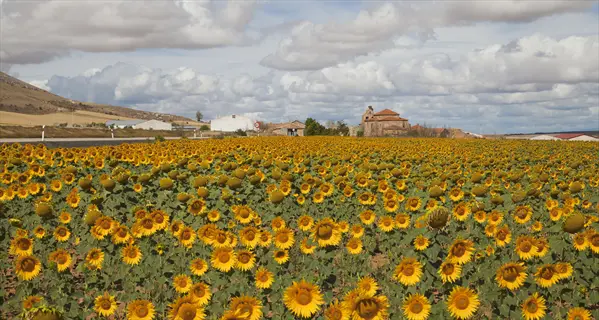
Wild Sunflower (Helianthus)
- Pollinator Role: Native sunflower species produce large composite flower heads loaded with both pollen and nectar that attract the widest range of pollinators of any garden plant, from tiny sweat bees to large bumble bees and butterflies.
- Growing Conditions: Thrives in full sun and average to moist soil in hardiness zones 3 through 9, growing 3 to 8 feet (90 to 240 centimeters) tall depending on species, and tolerates poor soil conditions across most regions.
- Bloom Season: Flowers from July through October depending on species, with perennial species like Helianthus maximiliani providing late-season blooms that sustain pollinators preparing for winter dormancy and migration.
- Native Range: Over 50 Helianthus species are native to North America, with perennial varieties like Maximilian sunflower, woodland sunflower, and willowleaf sunflower offering spreading pollinator habitat without annual replanting.
- Ecological Value: Sunflower seeds feed over 40 bird species through winter, and the hollow stems of spent plants provide nesting cavities for native solitary bees that lay eggs inside the pithy stalks each spring.
- Planting Tip: Choose perennial native species rather than annual garden hybrids for a permanent pollinator planting, and leave dead stalks standing through winter since native bees nest in the hollow stems for spring emergence.
You don't need all 10 of these plants to see results in your yard. Start with 3 to 5 species that cover different bloom windows and you will keep pollinators fed from spring through fall. When I added goldenrod and mountain mint to my existing beds, the jump in bee traffic blew me away. Your garden will reward you fast once you plant the right mix.
Native Trees and Shrubs
Most guides about native trees for pollinators get skipped in favor of wildflower lists. That's a big mistake. Penn State research shows that flowering trees like maple, oak, and willow provide the most pollen for bees in April and May. Your wildflowers won't bloom for weeks after those early bees wake up hungry.
I learned this the hard way when I watched bumble bee queens search my garden in March with nothing to eat. Once I added a willow and planted native shrubs for pollinators along my fence line, that problem vanished. These keystone native plants form the base of your pollinator-friendly landscaping plan. Dr. Douglas Tallamy's research shows native oaks support 532 caterpillar species that feed 96% of all baby birds. A butterfly bush? It supports just 1.
Native Oaks (Quercus species)
- Pollinator Support: Native oaks are the number one keystone tree genus in North America, supporting 532 caterpillar species that feed 96% of land bird nestlings according to research from Dr. Douglas Tallamy at the University of Delaware.
- Early Pollen Source: Oak catkins release massive quantities of wind-dispersed pollen in April and May that native bees, including early-emerging mining bees and mason bees, collect as their first food of the season.
- Growing Conditions: Oaks grow across hardiness zones 3 through 9 depending on species, with white oak, red oak, and live oak providing options for nearly every North American climate and soil type from sandy to heavy clay.
Native Willows (Salix species)
- Pollinator Support: Willows are among the very first plants to bloom in late winter and early spring, producing pollen-rich catkins that sustain early-emerging bumble bee queens and solitary bees when no other food sources are available.
- Caterpillar Host: Native willows support over 450 caterpillar species, making them the second most important host tree genus in North America behind oaks, and their flexible branches provide nesting material for many bird species.
- Growing Conditions: Willows prefer moist to wet soils in full sun across hardiness zones 2 through 8, and species range from 6-foot (1.8-meter) shrub willows to 60-foot (18-meter) shade trees suitable for any landscape scale.
Native Viburnums (Viburnum species)
- Pollinator Support: Native viburnums produce flat-topped flower clusters that serve as accessible landing pads for small native bees, flies, and beetles, while their fall berries provide critical food for migrating songbirds and small mammals.
- Versatile Options: Arrowwood viburnum, nannyberry, and American cranberrybush offer options from 5-foot (1.5-meter) shrubs to 15-foot (4.5-meter) small trees, fitting into hedgerows, foundation plantings, and woodland edge gardens.
- Growing Conditions: Most native viburnums grow in hardiness zones 3 through 8 in full sun to partial shade, tolerating a wide range of soil types from sandy to clay and moist to average drainage conditions.
Native Blueberry (Vaccinium species)
- Pollinator Support: Wild blueberry flowers depend almost entirely on native bumble bees for pollination, as their bell-shaped blooms require buzz pollination that honey bees cannot perform, demonstrating the critical plant-pollinator partnership.
- Multiple Benefits: Native blueberry shrubs provide early spring flowers for pollinators, summer fruit for wildlife and gardeners, and brilliant fall foliage while requiring acidic soil conditions that many native woodland plants also prefer.
- Growing Conditions: Native blueberries grow in hardiness zones 3 through 8 depending on species, preferring acidic soil with a pH between 4.5 and 5.5, full sun to partial shade, and consistent moisture during the growing season.
Buttonbush (Cephalanthus occidentalis)
- Pollinator Support: Buttonbush produces unique spherical white flower clusters in mid-summer that draw large numbers of native bees, butterflies, and hummingbird moths, making it one of the most pollinator-attractive native shrubs available.
- Wetland Habitat: This native shrub grows in wet areas on its own and along pond edges, making it ideal for rain gardens, wet swales, and low-lying landscape areas where other pollinator plants cannot tolerate soggy root conditions.
- Growing Conditions: Buttonbush thrives in hardiness zones 5 through 9 in full sun to partial shade, growing 6 to 12 feet (1.8 to 3.6 meters) tall, and tolerates standing water, making it valuable for water conservation landscapes.
You can fit these woody plants into any size yard. Even a single willow or oak in your front yard gives early season bees a lifeline they can't find anywhere else on your block. I planted a red maple 5 years ago. Now I watch dozens of mason bees work its flowers every spring before my wildflowers even open.
Seasonal Bloom Succession
Seasonal bloom succession is the secret weapon that turns a good pollinator garden into a great one. Think of your garden as a restaurant that needs to stay open from March through November. If you close the kitchen for even a few weeks, your regular customers leave and may not come back. The Monarch Joint Venture says you need at least 3 species per bloom period to keep food on the table.
I wrote my pollinator garden calendar after 3 seasons of taking notes. The biggest shock was how many gaps I had in bloom timing during late spring and early fall. Once I filled those holes, the continuous bloom kept bees and butterflies on my property all season long. USFWS data backs this up across all 8 of their regions. Your spring pollinator plants hand off to summer species, which pass the torch to fall pollinator plants in a chain that can't afford to break.
Start your plan by picking one plant from each row in the table above. That alone gives you 6 months of unbroken food for your local pollinators. You can add more species later as your garden grows and you learn what does best in your soil.
Beyond Bees and Butterflies
Bees and butterflies get all the attention, but pollinator variety runs far past those two groups. PNAS studied close to 1,600 species in 7 groups from bees to pollinating bats and hummingbird pollinators. Each fills a role the others can't. When you plan for all of them, your garden becomes stronger against any single species crash.
I used to plant for bees alone and thought my job was done. Then I spotted flower flies on my goldenrod and pollinating beetles on my magnolia at dusk. Moths as pollinators worked my evening primrose after dark. I counted over 30 species in my beds during one week alone.
Flower Flies (Syrphid Flies)
- Role: Flower flies are the second most important group of pollinators after bees, visiting flowers to feed on nectar and pollen while their larvae eat hundreds of aphids per day, providing natural pest control alongside pollination services.
- Plant Preferences: These flies prefer flat-topped or open flower clusters like goldenrod, mountain mint, and wild parsnip where they can land with ease, as their shorter mouthparts cannot reach nectar in deep tubular flowers.
- Identification: Often mistaken for small bees or wasps due to their yellow and black striped bodies, flower flies hover in place near flowers and have two wings compared to the four wings found on all bees.
Beetles as Pollinators
- Role: Beetles were among the first insect pollinators on Earth, pollinating plants for over 150 million years, and today they pollinate native species like magnolias, spicebush, and pawpaw that have ancient ties with beetle visitors.
- Plant Preferences: Beetle-pollinated flowers tend to be white or dull with strong fruity or spicy scents, large open shapes, and sturdy petals that can support the weight of crawling beetles as they feed on pollen and flower parts.
- Native Plants to Support: Include native magnolia, spicebush, wild roses, and goldenrod to support pollinating beetles, and leave fallen logs and leaf litter in garden edges where beetle larvae develop over 1 to 3 year life cycles.
Moths as Night Pollinators
- Role: Moths pollinate many native plants at dusk and through the night when bees and butterflies are inactive, with hawk moths being effective long-distance pollinators that carry pollen between plants spread far apart.
- Plant Preferences: Night-blooming native plants with white or pale flowers and strong sweet scents attract moths, including evening primrose, native honeysuckle, and white-blooming species of phlox and columbine.
- Supporting Habitat: Reduce outdoor lighting near pollinator gardens since fake light disrupts moth feeding behavior, and leave leaf litter and loose bark where moth pupae overwinter before emerging as adult pollinators in spring.
Hummingbirds and Bats
- Role: Hummingbirds pollinate native plants with deep tubular red or orange flowers during the day, while all 3 North American pollinating bat species handle nighttime pollination of columnar cacti and agave in the Southwest.
- Plant Preferences: Native plants for hummingbirds include cardinal flower, trumpet honeysuckle, red columbine, and bee balm, all producing tubular flowers with nectar too deep for most insect pollinators to reach.
- Conservation Note: The PNAS assessment found all 3 North American pollinating bat species are threatened with extinction, making native agave and columnar cactus protection in the Southwest critical for these unique partnerships.
You can support all of these groups with simple changes to your yard. Leave some bare soil and leaf litter in your garden edges for beetle larvae and moth pupae. Cut back on outdoor lights at night to help your moths. Plant flat open blooms for your generalist pollinators. Add deep tube flowers for specialist pollinators like bumble bees and hawk moths.
Ecosystem Benefits
Ecosystem services from your native garden go well past just pretty flowers. Deep roots boost soil health by breaking up packed dirt. Those same roots pull carbon underground through carbon sequestration. Native plants support water conservation because their roots soak up rain that would run off a lawn. They also boost species richness by feeding insects, birds, and small animals in your food web.
I found the changes in my own yard after switching 1,000 square feet from grass to native plants. Pollination services jumped as bees went from rare visitors to a daily crowd. The soil went from hard clay to soft, crumbly dirt within 3 years of habitat restoration work. My water bill dropped because I stopped watering a lawn that fought me every summer. A healthy ecosystem starts with these basic shifts that any gardener can make.
The numbers speak for themselves. Pollinators add over $24 billion to the U.S. economy each year with pollination services touching 35% of global food crops. When you swap lawn for native plants, you get better soil, less water waste, and a yard that works for the local food chain instead of against it.
Growing Conditions by Region
Your growing conditions shape which regional native plants work best for you. USDA hardiness zones tell you what survives winter cold. But sun requirements and soil conditions matter just as much. I've killed plenty of plants by putting a wetland species in dry sand or a prairie flower in deep shade. The table below matches native plants by region so you can skip that trial and error phase.
USFWS tracks over 50 native pollinator species across 8 regions of the country. The Southwest has the most at risk pollinators per PNAS data. That makes drought tolerant native plants extra important there. No matter where you live, buying from local seed sources gives you plants that are built for your exact climate and soil.
5 Common Myths
Only honey bees matter for pollination, so all pollinator gardens should focus exclusively on plants that attract honey bees.
The NatureServe assessment of nearly 1,600 species found that native bees, beetles, moths, flower flies, bats, and hummingbirds all contribute to pollination across North America and each group needs different native plant resources to thrive.
Non-native ornamental flowers like butterfly bush are just as good as native plants for supporting pollinator populations long term.
Penn State research found native plants are four times more attractive to pollinators, and a peer-reviewed common garden study showed native plantings support more specialized pollinator networks (H2' = 0.64) than non-native plantings (H2' = 0.44).
Pollinator gardens require a large yard or acreage to make any real difference for pollinator populations in your area.
Even a small balcony container garden with three to five native plant species provides valuable nectar and pollen, and when neighbors connect small gardens across a neighborhood the result is an effective pollinator corridor that supports local populations.
You should deadhead and remove all spent flowers and fallen leaves to keep a pollinator garden healthy and attractive.
Leaving spent flower stems, seed heads, leaf litter, and dead wood provides essential overwintering shelter for native bees, butterfly chrysalises, and other beneficial insects, so a slightly messy garden is actually a more productive pollinator habitat.
Planting one or two types of native wildflowers is enough to support a healthy pollinator community throughout the growing season.
Research recommends at least three different native species per bloom period across spring, summer, and fall because different pollinator species fly at different times of year and need continuous food availability to maintain healthy populations.
Conclusion
Native pollinator plants let you build a healthy ecosystem right where you live. Penn State data shows these plants pull in 4 times more pollinators than imports. About 22.6% of North American pollinators face real danger right now. What you plant matters for pollinator conservation more than you might think.
The Monarch Joint Venture sums it up with 4 habitat pillars: food, water, shelter, and space. Your native plant gardening covers the food pillar when you plant for seasonal bloom succession. Leave bare soil and leaf litter for shelter. Add a simple water dish with pebbles for landing spots. Give your plants room to spread and fill in as pollinator habitat. Those 4 steps put you ahead of most yards in your area.
Start wherever you are in the season. Spring means planting new beds. Summer is for filling bloom gaps. Fall works great for seed sowing and dividing mature plants. Winter gives you time to plan your next additions. There is no wrong time to start. Every new native plant adds life to your yard.
Your garden creates a ripple effect that goes past your fence line. When your neighbors start planting native species too, those gardens link into pollinator corridors that span whole blocks. Research shows connected gardens boost species richness and have better results than solo patches. In my experience, the ripple effect is real. I've watched 4 neighbors start their own native beds after seeing my yard. One garden at a time, we can give pollinators what they need.
External Sources
Frequently Asked Questions
Can native plants be better for pollinators?
Yes, native plants are four times more attractive to pollinators than non-native species. They provide superior nectar and pollen nutrition and support specialist pollinators that depend on specific native plant families for survival.
What is the best way to attract native pollinators?
Attract native pollinators by planting diverse native species that bloom from spring through fall. Provide nesting sites like bare soil and dead wood, avoid pesticides, and include plants with varied flower shapes to support different pollinator species.
Which plant attracts the most pollinators?
Goldenrod (Solidago) and mountain mint (Pycnanthemum) attract the greatest diversity of pollinators according to Penn State research. Their large compound flower heads provide accessible nectar and pollen to bees, butterflies, beetles, and flies.
Do bees prefer lavender?
Yes, bees are strongly attracted to lavender due to its abundant nectar production and long bloom period. However, most lavender species are not native to North America, so pairing lavender with native plants provides better overall pollinator support.
What is the best way to layout a pollinator garden?
Layout a pollinator garden by grouping native plants in clusters of three to five of the same species. Arrange plants by height with tall species in back, include a mix of bloom seasons, and leave open ground areas for nesting bees.
Which native flowers for bees are best?
The best native flowers for bees include bee balm, goldenrod, coneflower, wild bergamot, and mountain mint. These species produce abundant nectar and pollen that support both generalist and specialist bee species across multiple seasons.
Can hydrangeas attract bees?
Most ornamental hydrangea cultivars with large mophead blooms produce very little nectar or pollen and rarely attract bees. Wild hydrangea (Hydrangea arborescens) is the native North American species that offers more value to pollinators.
How would gardeners define the hummingbird mint plant?
Hummingbird mint refers to Agastache species, also called giant hyssop. These native perennials produce tubular flowers in shades of orange, pink, and purple that are magnets for hummingbirds, bees, and butterflies throughout summer.
What causes bees love basil?
Bees love basil because its small tubular flowers produce concentrated nectar that is easy for bees to access. Basil flowers also provide a late-season food source when many other garden plants have finished blooming.
What is the best way to turn my yard into a pollinator garden?
Turn your yard into a pollinator garden by reducing lawn area and replacing it with native plant beds. Start with a small section, choose native plants for each bloom season, stop using pesticides, and leave natural areas for nesting habitat.