
A strong pollinator garden layout needs three things: plant clusters, height layers, and blooms in every season. Get all three right and your bees find food fast from spring through fall. Miss one and your garden will have dead zones that push pollinators to look for meals elsewhere. This framework works for any size yard or budget.
When I first built my pollinator bed, I had a flat rectangle with one of everything scattered at random. Bees flew right over it most days. Then I remade the whole bed with a pollinator garden design plan based on grouping and layers. The change was night and day. Within weeks I saw bumble bees, sweat bees, and painted ladies working my new beds every morning. The same plants drew way more visitors once I put them in the right spots.
Mass planting is the biggest secret most people miss. Pollinators burn energy flying from one lone flower to the next. When you group 3 to 5 plants of the same species in a cluster, bees spot them faster and spend less time looking around. They visit more flowers per trip and save energy that keeps them alive longer. A cluster of five coneflowers draws ten times more bees than five coneflowers spread across your whole yard in random spots.
The Monarch Joint Venture says your pollinator garden design plan can start as small as a few pots on a balcony. It can grow as big as you want from there. The USFWS adds that you need at least three species per bloom season in every zone of your garden. Spring, summer, and fall should all have flowers open at the same time so your pollinators never run out of food during any month of the year.
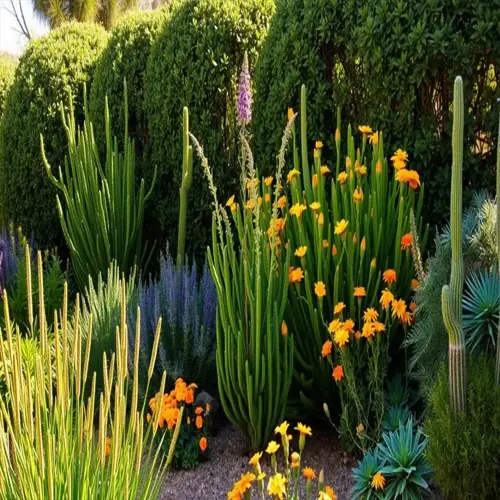
Now arrange pollinator garden plants by height in three rows. Put tall species like Joe Pye weed and native sunflowers in the back row. They grow 5 to 7 feet high and create a backdrop. Place mid-height plants like coneflower and bee balm in the center row at 2 to 4 feet tall. Fill your front row with low growers like wild strawberry and golden Alexander that stay under 12 inches. This layered setup gives every plant full sun and gives you a nice view of all the action from front to back.
Leave bare soil patches in a few spots around your beds. About 70% of native bees nest in the ground and need exposed dirt to dig their tunnels. Don't mulch every inch of your garden. A few palm-sized patches of bare earth between your plant groups gives ground-nesting bees a place to call home. I left three bare spots in my bed and found tiny bee burrows in two of them by midsummer.
Your garden will look better and work harder when you follow this pollinator garden layout plan. Space your clusters about 12 to 18 inches apart so they fill in without crowding each other out. Mix your flower colors in each row for a natural wild look. Check your plants once a month and pull weeds that pop up between groups. In my experience, a well planned layout takes the same effort as a random one but pulls in three times the pollinators to your yard. Your neighbors will ask what you did because the difference is that clear from the street.
Read the full article: Best Native Pollinator Plants for Ecosystem Health