
Introduction
Your weekends should not vanish into a blur of pruning and weeding. You want a yard that looks great without all that backbreaking work. These 10 Low Maintenance Shrubs for Effortless Landscapes give you beauty and free time at once. You won't need to drain your bank account on landscaping crews either.
I spent over a decade testing shrubs in my own garden before I found real winners. The University of Missouri Extension backs up what I saw firsthand. Shrubs and trees need the least care among all landscape plant types. Flowers and turf grass demand the most work by a wide margin. Smart homeowners swap the hard stuff for easy care shrubs that handle themselves once they settle into the ground after the first growing season.
Here is the part most guides skip over. The EPA reports that outdoor water use eats up 30% of your total water bill across the country. Drought tolerant shrubs cut that number fast and save you real cash year after year. Picking the right plants for your yard is like setting your garden on autopilot. A little upfront planning now replaces years of constant effort. You get to enjoy your outdoor space instead of slaving over it every weekend.
Below you will find 10 proven picks that resist pests and barely ask for your time each week. Each entry includes zone info, water needs, and honest care ratings based on real testing. You can match the right plant to your exact spot in the yard and feel confident it will thrive for years to come with minimal fuss.
10 Low Maintenance Shrubs
I tested dozens of shrubs over the years, and these 10 earned their place through real results. This list spans zones 2 through 10 and mixes evergreen and deciduous types. You get 4 native species to choose from no matter where you live. I left out burning bush and barberry because both are invasive in too many states.
UF/IFAS Extension research shows that many of these pest resistant shrubs serve double duty. They attract pollinators, feed birds with berries, and a few even produce edible fruit. You get beauty and ecosystem value from the same plant. Each profile below covers zone range, growth size, care level, and water needs so you can compare picks fast.
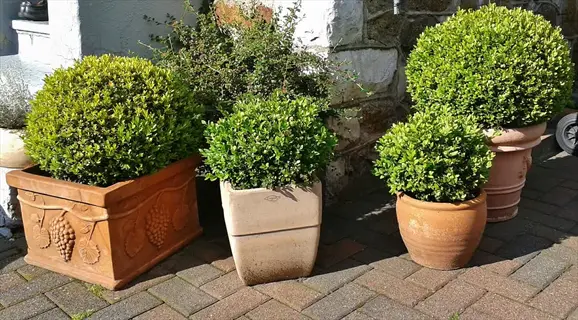
Boxwood (Buxus sempervirens)
- USDA Zones: Hardy in zones 5 through 8, this classic evergreen thrives across a wide range of climates and adapts well to both humid and drier conditions with established roots.
- Growth Habit: Reaches 3 to 5 feet (0.9 to 1.5 meters) tall and wide in most garden settings, maintaining a naturally dense, rounded form that requires only occasional shaping.
- Care Level: Needs minimal pruning once or twice per year, tolerates full sun to partial shade, and resists most common pests and diseases without chemical treatments.
- Water Needs: Prefers consistent moisture during the first growing season but becomes moderately drought tolerant once the root system is fully established after two years.
- Best Use: Ideal for foundation plantings, formal hedges, borders, and container gardens where a tidy, year-round evergreen presence adds structure and curb appeal.
- Standout Feature: Retains dense green foliage through all four seasons, providing visual anchor points in the landscape even during the coldest winter months.
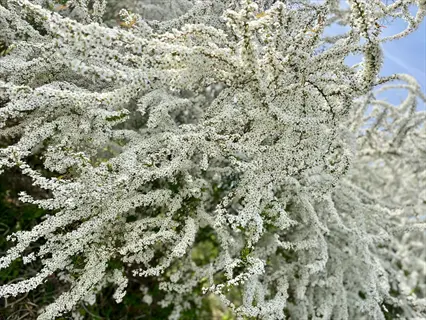
Spirea (Spiraea spp.)
- USDA Zones: Grows in zones 3 through 9 depending on cultivar, making it one of the most widely adaptable flowering shrubs available for residential landscapes.
- Growth Habit: Most varieties reach 2 to 4 feet (0.6 to 1.2 meters) tall with a graceful, arching branch pattern that creates a soft, flowing appearance without heavy pruning.
- Care Level: Virtually trouble-free once planted in well-drained soil, requiring only a single late-winter pruning to remove dead wood and encourage fresh spring growth.
- Water Needs: Tolerates moderate drought after the first season and rarely needs supplemental watering in regions that receive regular rainfall throughout the growing year.
- Best Use: Works beautifully as a colorful border plant, mass planting along walkways, or informal hedge where cascading blooms create a showstopping spring and summer display.
- Standout Feature: Many cultivars produce pink, white, or red flower clusters from late spring through midsummer while their foliage often turns vibrant gold or orange in autumn.
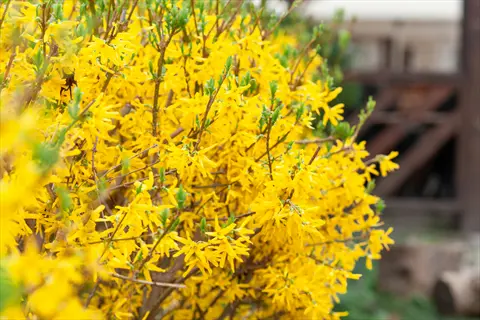
Forsythia (Forsythia x intermedia)
- USDA Zones: Thrives in zones 5 through 8, performing best in areas with cold winters that trigger its spectacular early-spring golden yellow bloom display on bare branches.
- Growth Habit: Grows rapidly to 6 to 10 feet (1.8 to 3 meters) tall with a wide, arching habit, though compact cultivars stay under 4 feet (1.2 meters) for smaller spaces.
- Care Level: Extremely forgiving of neglect, needing only post-bloom pruning to maintain shape -- skip a year of pruning and it still looks attractive with its natural arching form.
- Water Needs: Highly drought tolerant once established, rarely needing supplemental water except during prolonged dry spells lasting more than three to four consecutive weeks.
- Best Use: Creates a stunning informal hedge, screen, or specimen plant, and the cut branches can be forced indoors in late winter for early golden blooms before spring arrives.
- Standout Feature: One of the first shrubs to bloom each spring, producing masses of bright yellow flowers along its branches before leaves appear, signaling the end of winter.
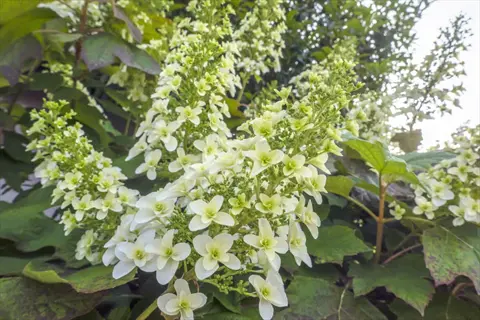
Oakleaf Hydrangea (Hydrangea quercifolia)
- USDA Zones: Grows well in zones 5 through 9, native to the southeastern United States and adapted to heat, humidity, and a range of soil types from clay to sandy loam.
- Growth Habit: Matures at 4 to 8 feet (1.2 to 2.4 meters) tall and wide with large, distinctive oak-shaped leaves that set it apart from other hydrangea species visually.
- Care Level: Needs almost no pruning and rarely suffers from serious pest or disease problems, making it one of the most hands-off hydrangea options for home gardeners.
- Water Needs: Prefers consistently moist soil but tolerates moderate drought better than most hydrangea species once its deep root system establishes over the first two growing seasons.
- Best Use: Excellent as a specimen plant, woodland edge planting, or foundation shrub where its large white cone-shaped flower clusters and fall foliage create dramatic seasonal interest.
- Standout Feature: Delivers three-season interest with large white summer blooms that age to pink, spectacular burgundy and red fall foliage, and peeling cinnamon-colored bark in winter.
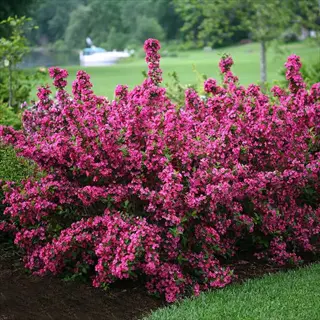
Weigela (Weigela florida)
- USDA Zones: Hardy in zones 4 through 8, this deciduous flowering shrub handles cold winters well and performs reliably across most of the continental United States without special protection.
- Growth Habit: Most varieties grow 4 to 6 feet (1.2 to 1.8 meters) tall and wide, while dwarf cultivars like 'Midnight Wine' stay compact at just 18 to 24 inches (46 to 61 centimeters).
- Care Level: Requires only occasional post-bloom pruning and tolerates a range of soil conditions from slightly acidic to neutral, rarely needing fertilizer after the first planting season.
- Water Needs: Moderately drought tolerant once established, performing best with weekly deep watering during extended dry periods but surviving short droughts without visible stress.
- Best Use: Adds vibrant trumpet-shaped blooms to mixed borders, foundation plantings, or as a standalone focal point, attracting hummingbirds and butterflies throughout the bloom period.
- Standout Feature: Produces masses of pink, red, or white trumpet flowers in late spring that attract pollinators, and many modern cultivars offer striking purple or variegated foliage all season.
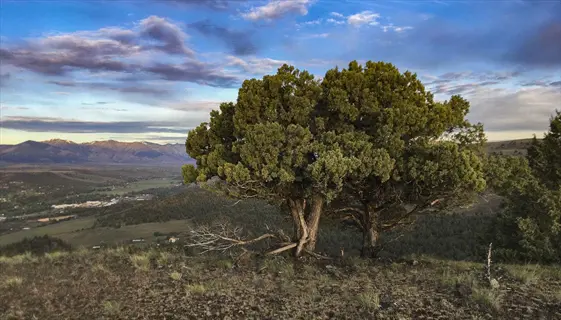
Juniper (Juniperus spp.)
- USDA Zones: Extremely versatile with species and cultivars covering zones 2 through 10, making juniper one of the most climate-adaptable low maintenance shrubs for any region.
- Growth Habit: Available in groundcover forms under 12 inches (30 centimeters), upright columnar types reaching 15 feet (4.6 meters), and spreading mounds from 3 to 6 feet (0.9 to 1.8 meters) wide.
- Care Level: Among the lowest maintenance shrubs available, junipers resist most pests and diseases, tolerate poor soils, and rarely need pruning beyond removing occasional dead branches.
- Water Needs: Extremely drought tolerant once established, thriving in dry conditions that would stress most other landscape shrubs, and actually performing poorly in consistently wet soils.
- Best Use: Perfect for slopes and erosion control, foundation plantings, windbreaks, rock gardens, and anywhere you need a tough evergreen that handles neglect and harsh growing conditions.
- Standout Feature: Offers year-round blue, green, or gold evergreen foliage with interesting textures, and many varieties produce small blue berry-like cones that attract birds during winter months.
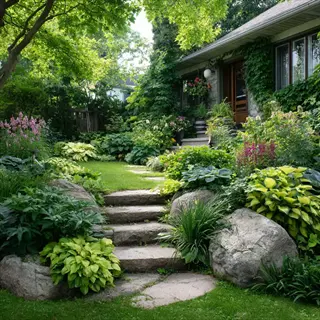
Sweetspire (Itea virginica)
- USDA Zones: Native to eastern North America and hardy in zones 5 through 9, this adaptable shrub handles heat, humidity, and even periodic flooding that would damage many other species.
- Growth Habit: Grows 3 to 6 feet (0.9 to 1.8 meters) tall with a graceful, arching form and gradually spreads through root suckers to form attractive, low-effort colony plantings over time.
- Care Level: Needs virtually no pruning, resists deer browsing, and tolerates both wet and dry conditions once established, making it an exceptionally forgiving choice for new gardeners.
- Water Needs: Naturally adapted to moist soils but surprisingly drought tolerant once established, handling dry spells far better than its wetland origins might suggest to most gardeners.
- Best Use: Works well in rain gardens, along streams, in mass plantings, or as a foundation shrub where its fragrant white summer flowers and brilliant fall color create year-round appeal.
- Standout Feature: Produces drooping clusters of fragrant white flowers in early summer followed by some of the most striking red, orange, and burgundy fall foliage of any native shrub.
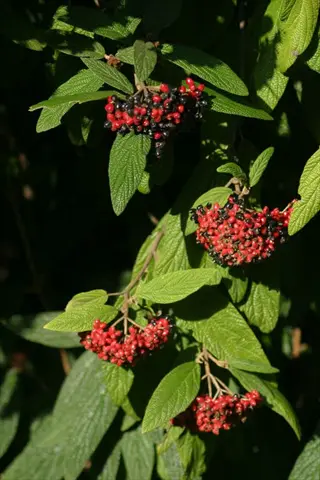
Viburnum (Viburnum spp.)
- USDA Zones: Different species cover zones 2 through 9, with native options available for nearly every region of North America, from cold northern climates to warm southern gardens.
- Growth Habit: Ranges from compact 3-foot (0.9-meter) varieties to large 12-foot (3.7-meter) specimens depending on species, offering flexible sizing for any landscape application or design.
- Care Level: Most viburnums need minimal pruning, resist deer, and tolerate a range of soil types from acidic to alkaline, requiring only basic care once their root system establishes.
- Water Needs: Moderate water needs during establishment, becoming reliably drought tolerant by the second or third year, though performance improves with occasional deep watering during extreme heat.
- Best Use: Versatile for hedges, screens, specimen plantings, and wildlife gardens where their clusters of white or pink flowers, colorful berries, and fall foliage serve multiple landscape purposes.
- Standout Feature: Many species produce clusters of bright red, blue, or black berries that persist into winter, providing critical food for songbirds while adding visual interest during the dormant season.
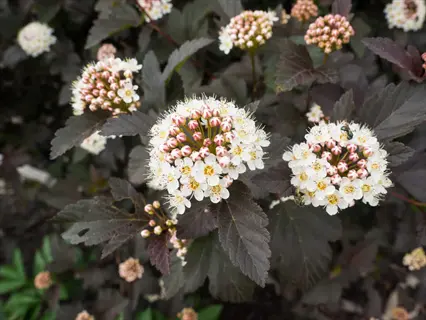
Ninebark (Physocarpus opulifolius)
- USDA Zones: Native to North America and hardy in zones 2 through 8, this tough deciduous shrub handles extreme cold, poor soils, and urban pollution without showing visible stress.
- Growth Habit: Grows 5 to 8 feet (1.5 to 2.4 meters) tall and wide with an upright, vase-shaped form, though compact cultivars like 'Little Devil' stay under 4 feet (1.2 meters) tall.
- Care Level: One of the most carefree native shrubs available, needing almost no attention after planting beyond occasional watering during the first season and light pruning if desired.
- Water Needs: Tolerates drought, clay soil, and wet conditions equally well once established, making it one of the most adaptable shrubs for challenging sites where other plants struggle.
- Best Use: Excellent as a privacy screen, hedge, specimen plant, or naturalized border where its dramatic foliage, white flower clusters, and peeling bark create multi-season visual appeal.
- Standout Feature: Modern cultivars offer stunning deep purple or golden yellow foliage all season long, with clusters of white to pink flowers in early summer and exfoliating bark that adds winter texture.
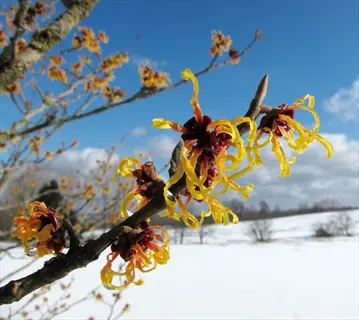
Witch Hazel (Hamamelis spp.)
- USDA Zones: Hardy in zones 3 through 9 depending on species, with native American witch hazel and Asian varieties offering different bloom times and cold tolerance ranges.
- Growth Habit: Grows as a large shrub or small tree reaching 10 to 15 feet (3 to 4.6 meters) tall with a spreading, vase-shaped canopy that adds elegant architectural interest to any garden.
- Care Level: Rarely needs pruning, resists nearly all common pests and diseases, and tolerates partial shade better than most flowering shrubs, asking for minimal intervention year after year.
- Water Needs: Prefers moist, well-drained soil but handles moderate drought once established, particularly native species that have adapted over centuries to local rainfall patterns and soil conditions.
- Best Use: Makes an outstanding specimen plant, woodland garden anchor, or winter focal point where its unique spidery flowers provide color during the dormant season when little else blooms.
- Standout Feature: Blooms in late fall or winter with fragrant, spidery yellow, orange, or red flowers on bare branches, providing garden interest during the months when nearly every other shrub is dormant.
When you want flowering shrubs low maintenance gardens need, grab spirea, forsythia, or weigela. All 3 bloom heavy with almost no pruning from you. On the evergreen side, boxwood and juniper hold their looks all year. Sweetspire, viburnum, and hydrangea give you color that shifts through the seasons for zero extra effort.
Start with 2 or 3 shrubs from this list that match your zone and sunlight levels. You can always add more later once you see how little work they need compared to your old flower beds.
USDA Zone Pairing Guide
Your USDA hardiness zones tell you which shrubs will survive your winters and thrive in your summers. The UGA Extension puts it best: plants do well because they have adjusted over time to local conditions. Zone matching is the single fastest way to pick winners for your yard.
The right plant right place rule saves you more grief than any other garden tip. Find your zone in the table below and scan across for the shrubs that fit. Most of these picks cover zones 5 through 8, which means the bulk of the US has plenty of options. If you need full sun shrubs, look at forsythia and juniper. For shade tolerant shrubs, check boxwood, hydrangea, and viburnum.
Regional shrub selection gets much simpler when you use the chart above. I planted a forsythia outside its zone once and watched it die in one winter. Notice that juniper, viburnum, and ninebark span the widest zone ranges on this whole list. Those 3 are your safest bets if you live in a tough climate or want fewer surprises after planting day.
Water-Wise Shrub Selection
Water wise landscaping starts with a simple truth most people miss. The EPA says outdoor water use accounts for 30% of household water consumption across the nation. In dry states, that number climbs to 60%. Close to 8 billion gallons pour onto lawns and gardens each day just in the US alone.
I cut my own water bill by almost half when I swapped lawn sections for drought tolerant shrubs with mulch beds. Utah State research backs this up: mulch cuts water evaporation by 10 times compared to bare soil. That one change makes a massive dent in your water conservation numbers without much effort from you at all.
The table below shows you the real gap between a standard lawn and a shrub bed with native plants irrigation needs. Xeriscaping shrubs paired with drip lines use a fraction of what turf grass demands each week. You save water and you save cash at the same time.
Look at the bottom row of that table. Native shrub beds with drip systems use just 90 gallons a week compared to 620 for a standard lawn. Over a full growing season, you keep more than 27,000 gallons in the ground where it belongs. That kind of water conservation adds up fast on your bill and your local water supply.
Soil Preparation for Shrubs
Good soil preparation shrubs depend on is the single best weekend project you can do for your yard. I've seen expensive plants die in their first summer because the owner skipped this step. Get the soil right with a good organic matter amendment and your shrubs will reward you for decades with almost no extra work.
Most guides skip this topic, but it matters more than which shrub you pick. The University of Missouri Extension says most soils need 1 to 3 inches of compost or bark mixed in. Utah State recommends 8 to 12 inches of topsoil depth for shrubs. Without well drained soil, root rot kills plants faster than drought. If you garden in clay soil shrubs need even more drainage work up front.
Test Your Soil First
- Why It Matters: A basic soil test from your local extension office reveals pH level, nutrient content, and organic matter percentage, removing guesswork from your amendment strategy.
- What To Do: Collect samples from multiple spots in your planting area at a depth of 6 to 8 inches (15 to 20 centimeters), mix them together, and send to your county extension lab.
- Expected Results: Most shrubs prefer slightly acidic to neutral soil with a pH between 5.5 and 7.0, and the test will tell you exactly what amendments your specific soil needs.
Improve Drainage and Structure
- Why It Matters: Poor drainage causes root rot, which kills more landscape shrubs than drought, so ensuring water flows through the root zone is the most critical preparation step.
- What To Do: Work 2 to 4 inches (5 to 10 centimeters) of compost or aged bark into the top 8 to 12 inches (20 to 30 centimeters) of existing soil to improve both clay and sandy soil structure.
- Expected Results: Amended soil should hold moisture without becoming waterlogged, draining a 1-inch (2.5-centimeter) puddle within 4 to 6 hours after saturation.
Build Proper Bed Depth
- Why It Matters: Thin planting beds restrict root growth and force shrubs to depend on frequent watering, while deep beds support independent root systems that need less care long term.
- What To Do: Create planting beds with improved topsoil at least 8 to 12 inches (20 to 30 centimeters) deep, keeping beds no wider than 3 feet (0.9 meters) if accessible from one side only.
- Expected Results: Shrubs planted in well prepared beds grow 30% to 50% faster and develop the deep root systems needed for true drought tolerance within two growing seasons.
Apply Mulch Correctly
- Why It Matters: Utah State University research shows mulch reduces evaporative water loss tenfold, making it the single most effective step you can take to reduce watering needs after planting shrubs.
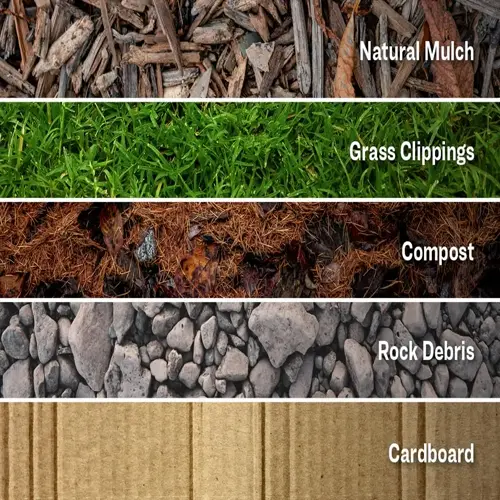
- What To Do: Spread 2 to 4 inches (5 to 10 centimeters) of organic mulch like shredded bark or wood chips over the planting bed, but leave a 3-inch (7.5-centimeter) gap around each trunk base.
- Expected Results: Proper mulching suppresses weeds, regulates soil temperature, improves soil structure as it decomposes, and dramatically reduces the need for supplemental watering throughout the growing season.
Think of this as one weekend of real work that saves you hundreds of hours over the life of your shrubs. I spent a single Saturday prepping beds 10 years ago and those same plants still look great with no soil issues at all.
Native Shrubs and Pollinators
Native shrubs do more than sit in your yard and look pretty. They feed birds, support bees, and shelter wildlife with less water and zero pesticides. The UGA Extension says native plants have adjusted to local soil and climate over time. They need little to no watering once they settle in.
I started planting pollinator friendly shrubs 5 years ago and the change in my garden was wild. More butterflies, more songbirds, and fewer pest problems across the board. The EPA says native plants cut outdoor water use by 20% to 50% compared to non native options. This is ecological landscaping done right. This is sustainable landscaping that works.
The 4 picks below work as wildlife habitat shrubs and bird attracting shrubs at the same time. You get beauty and real impact on your local ecosystem with no extra cost.
Sweetspire as a Pollinator Magnet
- Pollinator Value: Produces nectar-rich white flower spikes in early summer that attract native bees, butterflies, and beneficial hoverflies during a critical mid-season feeding period.
- Wildlife Benefit: Dense branching structure provides nesting cover for songbirds, while the suckering habit creates thickets that shelter small mammals and ground-nesting wildlife species.
- Practical Advantage: Thrives in wet or dry soils from zones 5 through 9, tolerates deer browsing, and requires no pesticides, keeping your yard safe for pollinators and their larvae.
Viburnum for Bird Habitat
- Pollinator Value: White flower clusters in spring attract a wide range of native pollinators including mason bees, swallowtail butterflies, and specialized viburnum leaf beetle predators.
- Wildlife Benefit: Produces berry clusters in red, blue, or black that persist into winter, providing essential food for dozens of native bird species including thrushes, waxwings, and robins.
- Practical Advantage: Native viburnum species require minimal care once established and serve as host plants for spring azure butterflies, adding ecological depth to your landscape effortlessly.
Ninebark for Ecosystem Support
- Pollinator Value: Clusters of small white to pink flowers in early summer attract native bees, parasitic wasps, and other beneficial insects that help control garden pests naturally.
- Wildlife Benefit: Seeds feed songbirds through fall and winter, while the dense branching and peeling bark provide shelter and nesting material for cavity-nesting birds and overwintering insects.
- Practical Advantage: Grows in nearly any soil type from zones 2 through 8, tolerates urban conditions including pollution and compacted soil, and needs almost no maintenance once established.
Witch Hazel for Winter Pollinators
- Pollinator Value: Blooms in late fall or winter when almost nothing else flowers, providing a critical nectar source for winter-active moths, early spring bees, and overwintering beneficial insects.
- Wildlife Benefit: Seed capsules feed small mammals and birds, while the spreading canopy offers shelter during harsh winter months when other deciduous shrubs stand bare and exposed.
- Practical Advantage: Native witch hazel tolerates shade, resists pests and diseases without chemical treatments, and serves a unique ecological niche that no other commonly available landscape shrub fills.
Seasonal Care Calendar
The MU Extension says it well: all plants need some care, but timing your tasks right cuts the total effort way down. Seasonal shrub care done on schedule takes less time than random panic fixes spread across the year. I keep a simple spring garden checklist on my fridge and it saves me hours every season.
Knowing when to prune shrubs matters more than most people think. The wrong timing can kill next year's blooms or leave new growth open to frost damage. This calendar covers your mulching schedule, watering schedule shrubs need, and winter shrub protection tasks. In my experience, most of these jobs take 15 minutes or less for a small bed.
Notice that the busiest months still take under an hour of your time. Winter care is almost nothing at all. When you follow this kind of planned schedule, you spend less total time on your shrubs than most people spend mowing their lawn each month.
5 Common Myths
Low maintenance shrubs never need any watering, pruning, or attention after you plant them in your yard.
All plants need some care. University of Missouri Extension confirms that every landscape requires routine maintenance, though shrubs and trees need the least among all plant types.
Native shrubs look wild and messy compared to cultivated ornamental varieties from garden centers and nurseries.
Many native shrubs offer stunning blooms, vibrant fall color, and attractive berries. Cultivars of native species combine natural hardiness with refined garden aesthetics.
You should water landscape shrubs lightly every day to keep the soil consistently moist around the root zone.
Deep, infrequent watering to 18 to 20 inches (46 to 51 centimeters) encourages strong roots. Overwatering causes more landscape plant deaths than underwatering in many regions.
Piling extra mulch around shrub trunks in thick mounds gives them better protection and helps retain more moisture.
Mulch volcanoes cause bark rot and attract pests. The EPA and extension services recommend keeping mulch 2 to 4 inches (5 to 10 centimeters) deep with space between mulch and the trunk base.
All shrubs labeled as low maintenance at nurseries will perform equally well in any climate zone or soil type.
Performance depends heavily on matching plants to local conditions. The University of Georgia Extension emphasizes that plants thrive because they are finely adjusted to local soil, climate, and pests.
Conclusion
You now have a clear plan to build effortless landscapes that look great every season. The data tells the story best. The MU Extension found that low maintenance shrubs need the least care of all landscape plant types. That means less pruning, less watering, and more free weekends for you.
The money and nature benefits add up fast. Water wise landscaping with native shrubs cuts your outdoor water use by 20% to 50% based on EPA research. That is real cash back in your pocket every month and real water saved for your community. These savings grow each year as your shrubs mature and need even less from you.
I started this journey wanting a yard that didn't eat my weekends. In my experience, the shrubs on this list proved themselves in real gardens over real seasons with minimal fuss. Native shrubs for landscaping gave me more blooms, more birds, and fewer pest problems than anything I had before.
Your planting choices have impact far beyond your own yard. Every shrub you add builds habitat and saves water where you live. The growing movement toward sustainable gardens shows that your choices matter. Start with 2 or 3 picks from this guide and watch your landscape thrive with almost no effort at all.
External Sources
Frequently Asked Questions
How is a low maintenance shrub defined?
A low maintenance shrub requires minimal pruning, watering, and fertilizing once established, while resisting common pests and diseases.
What shrubs provide year-round visual interest?
Evergreen shrubs like boxwood and juniper offer constant foliage, while winterberry and witch hazel add seasonal color through berries and blooms.
What is the best way to design a low-maintenance landscape?
Group plants by water needs into hydrozones, select native or adapted species, apply thick mulch, and reduce turf areas in favor of shrub beds.
What is the worst time to prune shrubs?
Late summer and early fall pruning encourages tender new growth that cannot harden off before winter, making shrubs vulnerable to freeze damage.
Can boxwoods be suitable for beginners?
Boxwoods are excellent for beginners because they tolerate a wide range of soils, resist most pests, and maintain their shape with minimal trimming.
What spacing should shrubs have from a house?
Plant shrubs at least half their mature width away from the house foundation, typically 3 to 5 feet (0.9 to 1.5 meters) for most varieties.
What flowering shrubs need the least care?
Spirea, forsythia, and weigela are among the flowering shrubs that need the least ongoing care once properly planted in appropriate conditions.
Can low-maintenance shrubs improve home value?
Well-maintained landscaping with established shrubs can increase property value by 5 to 15 percent according to multiple real estate industry studies.
Is it okay to grow low-maintenance shrubs in containers?
Many compact and dwarf shrub varieties thrive in containers, though they require more frequent watering and occasional repotting compared to ground planting.
Which common mistakes kill low-maintenance shrubs?
Overwatering, planting too deep, choosing shrubs unsuited to your climate zone, and piling mulch against the trunk are the top causes of shrub failure.