
Good low-maintenance landscape design starts with one rule: right plant, right place. You group your shrubs by water needs and sun exposure so every plant gets what it wants without extra effort from you. This approach cuts your weekly yard work down to almost nothing once the plants take root.
I proved this to myself when I tore out half the lawn in my front yard and replaced it with a shrub-focused design. That lawn had eaten up three hours every weekend between mowing, edging, and watering. After the swap, my front yard needed about thirty minutes a month of light attention. The key was hydrozone planting, where I grouped my drought-tolerant shrubs together and kept the few thirsty plants in their own bed near the hose bib.
Hydrozone planting means you sort your plants into groups based on how much water they drink. Dry-loving shrubs like juniper and barberry go in one zone. Moderate drinkers like viburnum and spirea share another zone. This setup stops you from drowning one plant while starving the next. Your irrigation runs less often and your water bill drops because each zone gets only what it needs.
The EPA WaterSense program backs this strategy with hard data. They say you should keep turf grass separate from your shrub areas because lawns need far more water than most woody plants. They also warn against heavy fertilizer use. Too much fertilizer triggers fast new growth that needs constant pruning and extra watering. Sticking to native species gives you plants that handle your local climate without extra care.
Sketch Your Yard
- Draw a rough map: Grab some graph paper and mark your house, driveway, walkways, and any trees or structures that are already in place.
- Note sun patterns: Watch your yard during the day and mark which spots get full sun, partial shade, and deep shade throughout the hours.
- Measure key distances: You don't need exact numbers but walk off the rough length and width of each planting area you want to fill.
Map Your Water Zones
- Find dry spots: Areas near pavement, on slopes, or far from your hose will dry out fastest and need drought-tolerant shrubs only.
- Mark wet areas: Low spots where water pools after rain need shrubs that can handle soggy roots without rotting out on you.
- Plan irrigation: Run a single drip line per zone so you water each group based on its needs instead of blasting everything the same.
Pick Your Shrubs
- Match to zones: Choose shrubs that fit the water and sun conditions you mapped in steps one and two for the best results.
- Check mature size: Read the plant tag for full-grown width and height so your shrubs won't crowd each other in three to five years.
- Go native first: Native shrubs already thrive in your area's soil and climate, which means less work for you over the long run.
Plan Mulch Coverage
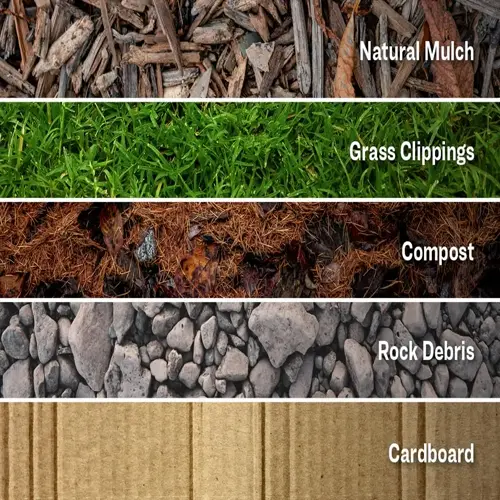
- Layer it thick: Spread 2 to 3 inches of shredded bark or wood chips around every shrub to hold moisture and block weeds for months.
- Keep clear of trunks: Leave a gap of a few inches between the mulch and the base of each shrub to prevent bark rot and pests.
- Budget the amount: Plan on about one cubic yard of mulch for every 100 square feet of bed space you need to cover.
When landscape planning shrubs for your final layout, space them based on mature width and not the tiny size you see in the nursery pot. A shrub that looks small today can double in size within a few seasons. Give each one room to grow and you'll avoid costly removal or heavy pruning later on.
Smart landscape planning shrubs around your low-maintenance landscape design means less work each year, not more. Start with a sketch this weekend and you'll have a clear plan before you ever visit the garden center. Your future self will thank you every Saturday morning when your neighbors are mowing and you're drinking coffee.
Read the full article: 10 Easy-Care Shrubs for Effortless Landscapes