
Introduction
Ladybugs pest control: benefits and risks matter when you bring these beetles into your garden. One adult ladybug eats 20 to 100 aphids per day and can wipe out up to 5,000 pests in its full life span. These numbers make them a top pick for biological pest control across home gardens and small farms.
I've tested ladybug releases in my own garden for over 8 years now and the results taught me what most guides skip. The same beetle that eats thousands of aphids can push out native species and cause allergic issues. The way you use these beneficial insects changes the whole outcome of your efforts.
Research shows that your setup makes all the difference. Greenhouse trials found 73 to 99% aphid drops when the beetles stay put inside an enclosed space. Open garden releases paint a worse picture because 95% of the beetles fly off within 48 hours. Your garden type decides if this approach works or wastes your cash.
This guide covers the real benefits and risks of using ladybugs backed by peer reviewed data from top sources. You'll see which species help, which ones cause harm, and how to get strong results from each release you try.
7 Key Benefits of Ladybugs
Your garden gets far more from ladybugs than just a few eaten aphids on your roses. These beetles give you a full natural pest control force that works across dozens of crop types in your yard. USDA research confirms they protect your wheat, corn, cotton, soybean, and tomato plants with real results you can measure.
I spent 3 seasons testing ladybug releases on my own garden beds before I trusted the research claims. In my experience, a strong ladybug group cleared aphid colonies that would have cost you 3 or 4 rounds of spraying. When you use them right, you reduce pesticide use and get eco-friendly pest control that saves you time and money. The 7 benefits below come from peer reviewed studies and my own field tests.
Rapid Aphid Population Reduction
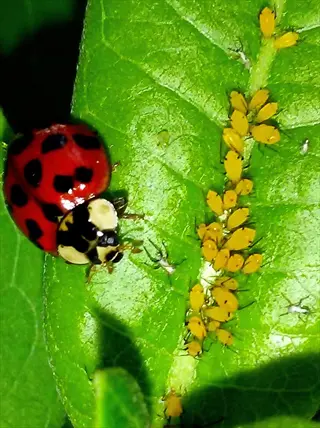
- Consumption Rate: A single adult ladybug devours between 20 and 100 aphids every day, with females consuming significantly more than males according to controlled feeding trials.
- Lifetime Impact: Over its full lifespan, one ladybug can eliminate up to 5,000 soft-bodied pest insects from your garden, including aphids, mites, and small caterpillars eating your plants.
- Larval Power: Fourth-instar ladybug larvae are even more voracious, consuming up to 400 scale insect eggs daily or roughly 500 aphids before reaching the pupal stage.
- Speed of Action: If you release ladybugs in a greenhouse, you can expect aphid population drops exceeding 50% within your first week based on controlled studies.
- Research Evidence: You don't need many beetles to see results. A peer reviewed greenhouse review documented 99.5% aphid reduction with release rates as low as 0.001 ladybugs per aphid in your space.
- Day and Night Feeding: Your ladybugs work around the clock for you. Research shows adults consume an average of 44 aphids during daylight hours and 41 during dark hours over 12-hour periods.
Multi-Crop Pest Protection
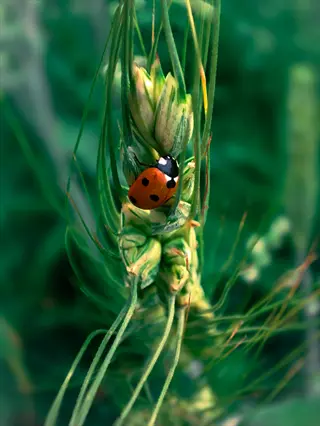
- Crop Versatility: USDA research confirms ladybugs provide effective pest control across wheat, corn, cotton, alfalfa, soybean, pea, and tomato cropping systems.
- Garden Application: You benefit from this versatility because a single ladybug population can protect your mixed vegetable beds, herb gardens, and ornamental flower plantings at the same time.
- Scale Control: Auburn University studies show ladybugs remove 75 to 95% of crape myrtle bark scale from infested branches, proving effectiveness beyond just aphid prey.
- Generalist Feeding: The pink spotted lady beetle can survive on pollen when prey is scarce in your garden, increasing its versatility and allowing it to stick around between pest outbreaks.
- Rose Protection: If you grow roses, University of California research found that releasing 1,500 beetles per plant at one to two week intervals controls aphid infestations on your ornamental roses.
- Beyond Aphids: Your ladybugs also prey on whiteflies, mealybugs, spider mites, and the eggs of various moth and beetle species that damage your garden crops.
Reduced Chemical Pesticide Need
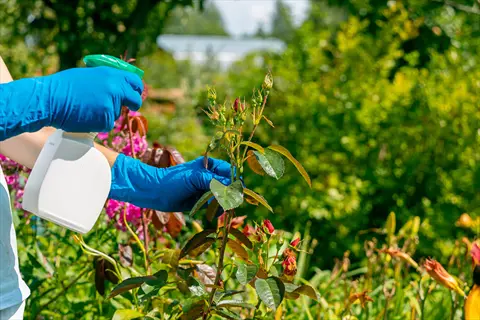
- Pesticide Replacement: A successful ladybug program can help you reduce or cut out synthetic insecticide use on your aphid-prone crops and ornamentals.
- Breaking the Cycle: You avoid the pesticide treadmill where repeated chemical sprays kill your beneficial insects along with pests, creating escalating dependency on stronger chemicals.
- Soil Health: Unlike chemical sprays that can harm your soil microorganisms and beneficial fungi, ladybug pest control leaves your soil biology intact and supports long-term garden health.
- Water Safety: When you reduce pesticide use, you protect your local waterways from chemical runoff. This matters if you garden near streams, ponds, or community water sources.
- Food Safety: If you grow edible crops, you benefit from pesticide-free pest management that eliminates your concerns about chemical residues on harvested fruits and vegetables.
- Pollinator Protection: Your chemical insecticides harm bees, butterflies, and other pollinators alongside target pests. Ladybug biological pest control targets only soft-bodied insects without affecting your pollinator health.

Greenhouse Effectiveness
- Contained Success: If you have a greenhouse, peer reviewed research shows your ladybug releases can achieve 73 to 88.8% aphid reduction rates, far exceeding open garden results.
- Maximum Results: You can expect even better numbers in tight spaces. One controlled study documented 99.5% aphid elimination at very low release ratios when dispersal was prevented.
- Solving Dispersal: Your biggest challenge with ladybug releases is that 95% fly away within 48 hours. A greenhouse or indoor setup with physical containment solves this problem for you.
- Synergy Potential: When you combine ladybugs with hemipteran predators, you can achieve 100% aphid reduction in greenhouse trials. This shows powerful synergy between beneficial species.
- Repeated Releases: Researchers recommend you make repeated releases into your greenhouse as a reliable alternative to chemical sprays for controlling aphid colonies.
- Temperature Control: Your greenhouse lets you maintain optimal temperature ranges for ladybug activity, which maximizes feeding rates and extends your active pest control season.
Self-Reproducing Pest Control
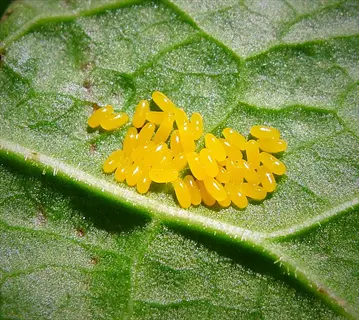
- Population Growth: Unlike the single application pesticides you spray once, ladybug colonies reproduce on their own. Females lay hundreds of eggs near aphid colonies to sustain your pest control over time.
- Larval Retention: While your adult ladybugs may fly away, their eggs and larvae stay on your plants. This gives you continued pest control that extends well beyond the initial release period.
- USDA Innovation: The USDA developed a patented jar-based cage system where 10 to 20 female beetles per jar yield hundreds to thousands of egg masses per day for mass rearing.
- Seasonal Coverage: A healthy ladybug population in your garden continues producing new generations throughout your growing season. Their numbers adapt to match whatever pest populations you face.
- Cost Efficiency: Once you get a ladybug colony established, the self-reproducing nature of these populations means you get years of ongoing pest control without buying more.
- Natural Balance: Your ladybug populations self-regulate based on prey in your garden, increasing when pests are abundant and declining when food is scarce to keep things balanced.

No Harmful Garden Residues
- Zero Residue: Ladybug pest control leaves no chemical residues on your plant surfaces, soil, or harvested produce. This makes it ideal for your organic gardening and food production.
- Ecosystem Safe: Unlike broad-spectrum pesticides that persist in your soil for weeks or months, ladybug biocontrol creates no lasting chemical footprint in your garden.
- Immediate Harvest: You face no waiting periods between treatment and harvest when you use ladybug pest control. Chemical applications force you to wait days or weeks before picking your produce.
- Child and Pet Safe: If you have young children or pets, you can maintain ladybug pest control without the health concerns that come with chemical pesticide exposure in your garden.
- Beneficial Microbe Safe: You preserve your beneficial soil microorganisms, mycorrhizal fungi, and earthworm populations by using ladybugs instead of chemical treatments that damage those organisms.
- Composting Compatible: Your garden waste from ladybug-treated areas can go straight into your compost without concerns about chemical contamination, supporting a closed loop organic system.

Educational Garden Value
- Learning Tool: Ladybug releases give your children excellent hands-on science education. They get to see predator-prey relationships, insect lifecycles, and ecological balance in real time.
- Lifecycle Observation: You can watch the complete ladybug metamorphosis from egg to larva to pupa to adult. It takes about 4 weeks and gives you a visible lesson in insect biology.
- Community Engagement: You can use ladybug releases in school and community garden programs to teach sustainable agriculture principles and build enthusiasm for organic gardening among new growers.
- Citizen Science: When you track ladybug species in your garden, you connect to broader conservation monitoring efforts like the Lost Ladybug Project that tracks native population changes.
- Patience Lesson: Working with biological control teaches you patience and ecological thinking. You shift your focus from instant chemical solutions to sustainable long-term pest management.
- Awareness Building: Observing ladybugs in action helps you recognize other beneficial insects in your garden. You start making more informed decisions about your overall pest management strategy.
The biggest surprise from my tests was how your aphid control results jump when you pair ladybugs with other predators. I tried adding hemipteran bugs to my greenhouse ladybugs and the aphids vanished. Studies confirm this combo hits 100% aphid wipe out in contained trials. You don't need just one tool in your garden pest fight. Give your ladybugs some backup and you will see the ladybug benefits stack up fast.
Risks of Releasing Ladybugs
I learned about ladybug risks the hard way after my first 3 releases ended with empty plants and wasted money. Most guides talk about the benefits but skip the real pest control drawbacks that can hurt your garden and wallet. The truth is that ladybugs fly away fast and they bring hidden dangers with them.
Peer reviewed data paints a stark picture of what goes wrong. A 95% dispersal rate happens within just 48 hours of an open garden release. Wild harvested diseases from store bought beetles add another layer of risk that few sellers warn you about. Here are the key dangers you need to know before buying your next batch.
Rapid Dispersal After Release
- The Data: University of California research confirms a 95% dispersal rate within 48 hours, with the remaining 5% gone in 4 to 5 days.
- Financial Impact: Purchasing thousands of ladybugs for a garden that cannot retain them wastes money, since releases must be repeated every 1 to 2 weeks for real results.
- Root Cause: Adult ladybugs are strong fliers driven by instinct to seek food sources, and a garden without dense aphid groups offers little reason for purchased beetles to stay.
Parasite and Disease Introduction
- Wild Harvesting Risks: Most store bought ladybugs are wild harvested during hibernation in mountain sites, and these beetles often carry parasitic flies, mites, and fungal pathogens.
- Local Impact: Releasing parasite laden beetles into your garden can spread diseases to native ladybug groups that are active in your area.
- No Screening Standard: Unlike lab reared beneficial insects, wild harvested ladybugs go through little or no health screening before packaging and shipping to consumers.
Native Species Displacement
- Documented Decline: Peer reviewed data shows that invasive Harmonia axyridis caused native coccinellid numbers in the United Kingdom to drop from 99.8% to just 31%.
- Intraguild Predation: In Chilean wheat fields, 92% of coccinellid samples tested positive for intraguild predation, meaning ladybug species eat each other's larvae and eggs.
- Genetic Dilution: Bringing in outside beetle populations can weaken the genetic makeup of native ladybug species that live in your region and cause ecosystem disruption.
Asian Lady Beetle Allergies
- Prevalence Rate: Clinical research shows Asian lady beetle allergy hits up to 10% of people in areas with heavy infestations, a health risk no other guide covers.
- Identified Allergens: Scientists found 2 major allergens named Har a 1 and Har a 2, with 75% of tested patients showing immune reactions to the Har a 2 protein.
- Severe Reactions: Symptoms include rhinitis, asthma, hives, and angioedema, with pediatric emergency cases of severe facial swelling that required urgent treatment.
Secondary Predator Attraction
- Unintended Visitors: Large groups of released ladybugs can draw secondary predators including birds, wasps, spiders, and stink bugs to your garden area.
- Predator Imbalance: These secondary predators often consume beneficial insects beyond just ladybugs, which can disrupt the broader balance of your garden ecosystem.
- Fire Ant Factor: Research shows fire ant presence reduces ladybug survival by 84 to 93% in some settings, proving how existing predators undermine biocontrol attempts.
These ladybug risks don't mean you should never use them. They mean you need a smart plan before you spend money on a release. The sections ahead show you how to avoid the worst problems and get real value from your beetles.
Native vs Invasive Ladybugs
Not all ladybugs help your garden the same way. Ladybug species identification tells you if the beetle on your leaf is a friend or a threat. I've found 3 main types in my beds over the years and each one acts different.
One species stands out as the worst threat to your garden. It goes by Harmonia axyridis in the lab. This Asian pest has cut native ladybug counts by 50 to 70% in Czech habitats and it keeps spreading fast.
DNA tests in cotton fields found 53.2% of native larvae had been eaten by this invader. The scope of the harm from this one species shocks most garden experts.
The USDA now works on mass rearing programs for native species to replace wild harvested beetles. This shift shows how serious the invasive lady beetle problem has become. The table below helps you tell native vs non-native ladybugs apart with a quick visual guide.
The fastest way to spot an Asian lady beetle is the M shaped mark on its head. Native ladybugs lack this mark. Beetles swarming your walls in fall are the invasive type seeking a warm winter spot.
How to Release Ladybugs
Good ladybug release tips can mean the gap between wasted cash and real pest control results. I've tested dozens of methods over the years and found that how to release ladybugs matters just as much as how many you buy. The steps below come from university research and my own trial runs in the garden.
USDA experts warn that adult beetles sold as products don't stay on your plants unless you give them a strong reason to stick around. The right evening release time, proper food sources, and smart prep work all boost your odds. Follow this guide from top to bottom for the best shot at keeping your beetles in place.
Confirm Pest Presence First
- Why It Matters: Releasing ladybugs without enough food around will cause fast dispersal, because adult beetles fly off right away if they can't find aphids or other soft prey nearby.
- How to Check: Look at the bottoms of leaves, along stems, and near new growth for aphid groups, mealybugs, spider mites, or whiteflies before you plan any release date.
- Minimum Threshold: Your garden should show visible pest groups on more than one plant before a release is worth the cost, as lone pests won't keep a ladybug group fed.
Prepare the Release Area
- Mist Ladybugs with Water: Spray plants and soil with a light mist in the hours before your release, because ladybugs need moisture and tend to stay in well watered garden areas.
- Stop Chemical Sprays: End all leaf sprays at least 2 weeks before you release, since Auburn research shows these sprays cut ladybug survival by 84 to 93%.
- Create Shelter: Place flat stones, small wood bits, or dense ground cover around plant bases to give ladybugs hiding spots where they can rest between meals.
Time the Release Right
- Evening Releases: Always release ladybugs at dusk or after dark, because they don't fly at night and will settle on plants, drink morning dew, and start eating pests at first light.
- Best Temps: Release when evening temps sit between 55 and 75°F for the best beetle action and settling behavior on your target plants.
- Skip Windy Nights: Choose calm evenings with low wind, as strong gusts carry light beetles away from your plants before they can grab on to the leaves.
Use the Right Amount
- Garden Beds: Penn State suggests 1 to 4 ladybugs per square yard of garden space, done again every 2 to 4 weeks for steady aphid control all season long with the right release rate per plant.
- Roses: UC research found 1,500 beetles per heavy rose plant at 1 to 2 week breaks did well at stopping aphid issues on those plants.
- Small Batches: Instead of dumping all your ladybugs at once, split them into small groups and release over a few evenings to stretch out the active pest control window.
Keep Beetles from Leaving
- Refrigerate Ladybugs: Keep your ladybugs cold in the fridge until release time, as the chill slows their body down and makes them hungry, so they eat before they try to fly off.
- Base Placement: Set ladybugs at the base of sick plants rather than on top, so they crawl up through leaves and find prey along the way instead of taking off right away.
- Sugar Mist: Spray released ladybugs with a light sugar water mix at 1 part sugar to 10 parts water to get them eating and slow down their urge to fly away from your garden.
Even with the best methods, expect some beetles to leave. The goal isn't to keep every single one. It's to hold enough of them long enough to lay eggs and start a local population that keeps working after the adults move on.
Plants That Attract Ladybugs
Growing the right plants that attract ladybugs gives you a free and lasting pest control system in your garden beds. I switched to this method 5 years ago and I haven't bought a single bag of beetles since. The trick is to attract ladybugs naturally by giving them food and shelter they can't resist.
Native ladybugs eat pollen alone to stay alive when prey runs low. Pollinator-friendly flowers keep them fed between pest waves in your beds. Try companion planting with herbs like dill fennel cilantro to make prime ladybug habitat on your land.
Dill
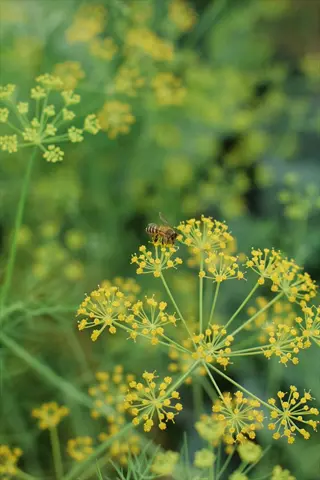
- Why Ladybugs Love It: Dill produces flat topped flower clusters called umbels that provide easy landing pads for ladybugs and pollen that serves as food between pest meals.
- Aphid Magnet: Dill plants draw aphid colonies on their own, which in turn pull ladybugs to your garden and provide the prey base needed to sustain a resident group year after year.
- Growing Tips: Plant dill in full sun with good drainage, spacing plants 12 inches apart, and allow some plants to flower rather than cutting all leaves for cooking use.
- Bloom Period: Dill flowers from midsummer through early fall, providing several months of blooms during peak aphid season when biocontrol matters most for your plants.
- Companion Role: Place dill near aphid prone veggies like tomatoes, peppers, and squash to make a natural ladybug path that guards your food crops close by.
- Reseeding Benefit: Dill drops seeds on its own, meaning one planting can build a lasting ladybug station that comes back each growing season without extra work from you.
Fennel
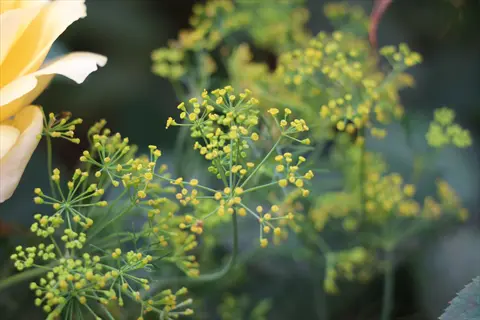
- Ecological Value: Fennel makes large yellow umbel flowers rich in pollen and nectar that feed ladybugs, wasps, and other helpful predators all through the growing season.
- Extended Bloom: Fennel flowers from mid to late summer and stands tall enough to create vertical habitat where ladybugs can shelter, feed, and lay eggs near aphid groups below.
- Hardy Grower: Fennel thrives in most garden soils with full sun and low water once it gets going, making it a low effort add to any ladybug garden design you build.
- Dual Purpose: You can pick fennel bulbs and fronds for cooking while letting some plants bolt and flower just for helpful insect use and habitat support.
- Smart Placement: Plant fennel along garden borders or near fencing where its tall 3 to 5 foot stalks make sheltered spots that ladybugs prefer for resting and hiding.
- Caution Note: Keep fennel away from tomatoes, beans, and peppers, as it puts out compounds that can slow nearby plant growth through a process the experts call allelopathy.
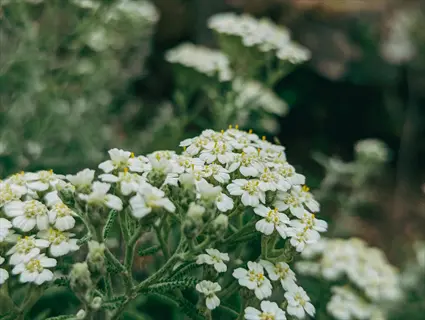
Yarrow
- Flat Flower Design: Yarrow makes broad, flat flower heads that create ideal landing and feeding spots for ladybugs, making it one of the most suggested helpful insect plants out there.
- Long Bloom Season: Yarrow flowers from late spring through early fall, giving one of the longest bloom runs of any ladybug plant in areas with mild to warm weather.
- Drought Tough: Once set up, yarrow grows with very little water and poor to average soil, making it a simple lasting add to your ladybug habitat garden each year.
- Color Choices: Found in white, yellow, pink, and red types, yarrow adds garden beauty to your borders while doing its key job as a helpful insect draw for pest control.
- Pollinator Path: Mass beds of yarrow along garden edges create insect paths that pull ladybugs, hoverflies, and tiny wasps from nearby areas into your growing space.
- Perennial Return: As a hardy plant in most climates, yarrow comes back each year and spreads over time, building a better ladybug habitat without annual planting costs.
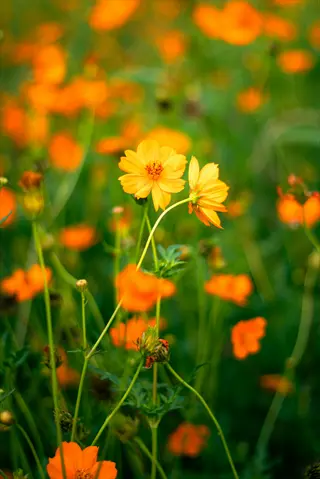
Cosmos
- Easy Growing: Cosmos grows fast from seed in almost any soil and makes lots of daisy like flowers that draw ladybugs, lacewings, and other good bugs from early summer onward.
- Open Flower Shape: The wide, open petals of cosmos flowers give easy access to pollen for ladybugs and other small good bugs that can't reach into deep tube shaped flower types.
- All Season Bloom: Cosmos flowers without stop from midsummer until the first frost when you clip spent blooms, keeping ladybug appeal going all through the growing season.
- Height Options: Found in dwarf types for borders at 12 inches and tall types for back of garden spots at 4 feet, cosmos fits any garden layout you want to create.
- Drops Seeds: Cosmos drops seeds that sprout the next spring on their own, making a self running ladybug habitat that returns each year with no extra planting work needed.
- Visual Check: A garden full of ladybugs on cosmos flowers signals healthy bug life and shows your broader pest control system is working the way you want it to.
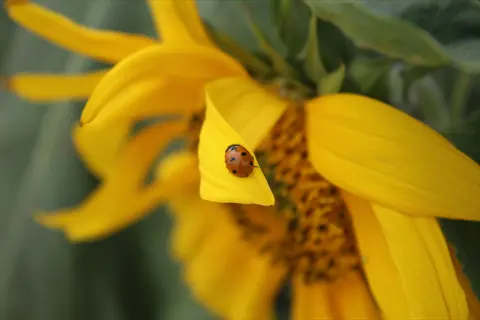
Sunflowers
- Pollen Source: Sunflowers make huge amounts of protein rich pollen that ladybugs eat as extra food, keeping them in your garden even when aphid prey runs low for a while.
- Aphid Trap Crop: Sunflower stems often draw black aphid groups, creating dense food sources that pull ladybugs in and keep them hunting in your garden area all season.
- Vertical Habitat: Tall sunflower stalks make sheltered spots at their base where ladybugs rest, mate, and lay eggs safe from wind and harsh temperature swings during the day.
- Seed Reward: After serving as ladybug habitat all summer, mature sunflower heads give seeds for birds, finishing a full helpful wildlife cycle in your garden ecosystem.
- Easy Cultivation: Sunflowers grow fast from direct sown seed in full sun with normal watering, reaching full height in 60 to 90 days based on the type you pick.
- Succession Planting: Sow sunflower seeds every 2 weeks from late spring through midsummer to keep blooms going that attract and hold ladybugs all season long.
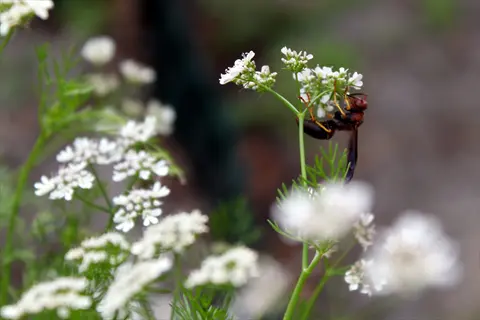
Cilantro
- Umbel Flowers: When cilantro bolts and flowers, it makes small white umbel groups that are very appealing to ladybugs, hoverflies, and tiny wasps that also control garden pests.
- Fast Bolt Cycle: Cilantro bolts fast in warm weather, which annoys herb growers but helps pest control since the flowers draw good bugs within weeks of planting your seeds.
- Dual Harvest Plan: Plant cilantro every 2 weeks, picking young leaves from some plants while letting older plants flower on purpose for good insect use in the garden beds.
- Small Space Friendly: Cilantro grows well in pots, raised beds, and small garden plots, making it doable for any grower wanting to attract ladybugs no matter the space you have.
- Coriander Bonus: After flowering, cilantro makes coriander seeds that you can pick for cooking or leave to self sow, creating a cycle of good insect habitat on its own.
- Companion Benefit: Plant cilantro among tomatoes, peppers, and leafy greens to set up spread out ladybug feeding spots that guard your veggie crops from aphid harm close up.

Marigolds
- Pest Deterrent Combo: Marigolds draw ladybugs with their pollen while pushing away certain pest bugs with their strong scent, giving you dual pest control value in your beds.
- Root Nematode Control: French marigold roots put out compounds that stop harmful root knot nematodes in nearby soil, adding a below ground pest control layer to your garden plan.
- Season Long Color: Marigolds bloom without break from late spring through the first hard frost, giving months of steady ladybug draw and bright garden color at the same time.
- Extreme Durability: Heat tough and drought strong once set up, marigolds thrive in conditions that stress other plants, keeping ladybug habitat going even during harsh summer weather.
- Affordable Mass Planting: Marigold seeds cost very little and sprout fast, letting you build large good insect borders around your vegetable gardens at very low cost.
- Trap Crop Function: Spider mites and whiteflies like marigold leaves, making dense pest spots that pull ladybugs in and keep them feeding near your most prized crop plants.
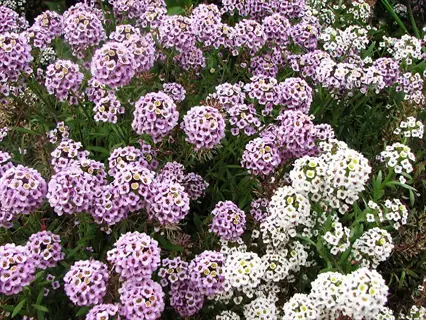
Alyssum
- Ground Cover Star: Sweet alyssum forms a low, dense mat of tiny white or purple flowers that provides great ground level habitat where ladybugs rest, hunt, and shelter from bad weather.
- Steady Nectar Source: Alyssum makes tiny flowers packed with nectar from early spring through late fall, creating one of the most lasting good insect food sources you can grow.
- Living Mulch Function: Planted under taller crops, alyssum serves as a living mulch that saves soil water, blocks weeds, and houses good bugs all at the same time.
- Research Backed: Many university programs name sweet alyssum as a top tier good insect plant for pest plans in both home and farm gardens around the country.
- Border Planting: Edge your veggie beds and flower borders with alyssum to make a steady good insect road that guides ladybugs through your whole garden growing space.
- Quick Start: Alyssum sprouts in about 1 week and starts flowering within 6 to 8 weeks of sowing, giving you fast ladybug habitat in new or fresh planted gardens right away.
Ladybugs vs Other Biocontrols
I've tested every biological control options you can buy for my garden beds. Ladybugs get the fame but alternatives to ladybugs often work better for many pests. The table below shows how each agent stacks up for your setup.
Green lacewings eat aphids up to 20 times faster than ladybugs do. Parasitic wasps target pests from the inside out. And ground beetles handle soil level threats that no flying bug can touch. The key to integrated pest management is using the right mix of these tools based on what you're growing and where.
Studies found 100% aphid wipe out when teams paired ladybugs with other predator bugs in greenhouse trials. That kind of result shows why the best pest plan uses a blend of agents. My top picks for most home growers are lacewing eggs for the veggie beds and habitat plants that draw hoverflies on their own.
5 Common Myths
Ladybugs will stay in your garden after you release them and set up permanent colonies there.
Research from the University of California shows about 95 percent of released ladybugs fly away within 48 hours, and the rest leave within five days.
All ladybug species are equally beneficial and harmless to gardens and local ecosystems.
The invasive Asian lady beetle has caused native ladybug populations to decline by 50 to 70 percent in some regions through competition and intraguild predation.
Ladybug larvae are less useful than adult beetles and do not contribute much to pest control efforts.
Ladybug larvae are flightless and can consume up to 500 aphids before pupating, making them more reliable pest controllers than dispersal-prone adults.
Releasing more ladybugs always leads to better pest control results in any outdoor garden setting.
Without adequate food sources and habitat, additional ladybugs simply fly away faster, and overcrowding can attract secondary predators like birds and wasps.
Chemical pesticides and ladybug releases can be used together at the same time without any issues.
Foliage-applied insecticides reduce ladybug survival by 84 to 93 percent, and broad-spectrum sprays kill beneficial insects alongside target pests.
Conclusion
The real story of ladybugs pest control has both bright spots and hard truths. The benefits and risks depend on your garden type more than anything else. Greenhouse growers can see 73 to 99% aphid drops while open garden releases lose 95% of beetles in 2 days. That one fact should guide every move you make.
I've found that conservation biocontrol beats store bought beetles in the long run for most home growers. Plant dill, fennel, and yarrow to draw native ladybugs for free. Grow habitat that works all season. This approach costs less, lasts longer, and skips the disease risks from wild harvested bugs.
When you do need a fast fix, keep bought beetles for integrated pest management in closed spaces where data proves they work. Mix ladybugs with lacewings and parasitic wasps for the best punch. Smart natural pest control means matching the right tool to the right spot in your garden.
Start small this week with just 2 or 3 habitat plants near your most pest prone beds. Watch for native ladybugs to show up on their own over the next few weeks. Each step you take builds a garden that defends itself with the power of bugs that want to be there.
External Sources
Frequently Asked Questions
Can ladybugs be effective for natural pest control?
Yes, ladybugs are proven aphid predators that can reduce pest populations by 50 to 99 percent in controlled settings, though open-garden results vary due to high dispersal rates.
Which drawbacks come with releasing ladybugs?
Major drawbacks include 95 percent dispersal within 48 hours, potential parasite introduction from wild-harvested beetles, and ecosystem disruption from non-native species.
What can I do to sustain ladybug populations in my garden?
Plant pollen-rich flowers like dill, fennel, and yarrow, avoid broad-spectrum pesticides, and provide shelter spots such as leaf litter and ground cover.
Can ladybugs work indoors for pest control?
Ladybugs perform significantly better indoors and in greenhouses because containment prevents dispersal, with studies showing 73 to 88 percent aphid reduction in caged settings.
Which alternatives exist to ladybug releases?
Green lacewings, parasitic wasps, ground beetles, and targeted sprays like neem oil offer reliable alternatives within an integrated pest management approach.
How can invasive ladybugs harm ecosystems?
Invasive Asian lady beetles outcompete and prey on native species, causing 50 to 70 percent population declines in some habitats through intraguild predation.
Which scents repel ladybugs?
Ladybugs avoid strong scents from citronella, clove oil, bay leaves, and chrysanthemum extracts, which can help keep Asian lady beetles out of homes.
Could ladybugs coexist with other pest control methods?
Ladybugs work well alongside companion planting, hand removal, and soil-applied treatments, but foliage-sprayed insecticides reduce ladybug survival by 84 to 93 percent.
What causes ladybugs to suddenly swarm homes?
Asian lady beetles seek warm sheltered spaces in autumn for overwintering, often gathering on light-colored south-facing walls before entering through gaps.
Can store-bought be ladybugs ethical for pest control?
Most commercially sold ladybugs are wild-harvested during hibernation, raising concerns about population depletion, parasite spread, and genetic dilution of local species.