
Introduction
Your garden looks great one week, then strange marks show up on your tomato leaves out of nowhere. This Identify Plant Diseases: 8 Types & Control Guide gives you the tools to catch problems before they spread through your whole growing space. The FAO reports that pests and infections wipe out up to 40% of food crops each year around the globe. That adds up to over $220 billion in trade losses alone, which shows just how much damage goes unchecked in gardens and farms worldwide.
I lost a full bed of squash to powdery mildew during my second year of growing food at home. That failure taught me a lesson I carry into every new season now. Catching a problem early is like catching a cold before it turns into something far worse. The sooner you act on plant health issues in your garden, the better the outcome for every crop growing there.
This guide connects the dots between dense research and real backyard action you can take starting today. You will learn how to spot 8 common infections by sight and use modern disease detection tools that work for home growers. PNAS research shows rice crops lose over 30% of their yield each season while potatoes lose about 17%. Knowing the basics of plant disease identification puts you well ahead of most growers out there right now.
Below you will find a clear path from first symptoms to proven solutions. Each section builds on the one before it, so you can identify plant diseases with confidence. Your garden will thank you for the effort you put in here today.
8 Common Plant Diseases
These 8 infections are the ones I run into most in home gardens and small growing spaces. Each one has telltale plant disease symptoms you can spot with your own eyes if you know what to look for. I grouped them by how common they are so you can focus on the biggest threats to your crops first.
Fungal diseases make up the bulk of this list because fungi cause most garden infections across all climate zones. You will also find bacterial diseases and viral threats below. PNAS data shows that rice crops lose about 30.3% of their yield to these kinds of problems each year, while wheat loses around 21.5%. In my experience, even a small home garden can face the same pathogens that hit large farms. Note that blossom end rot is not on this list because it stems from a calcium issue rather than a true pathogen.
Powdery Mildew
- Cause: Powdery mildew is caused by several species of fungi in the Erysiphales order that thrive in warm, dry conditions with high humidity and poor air circulation around plant foliage.
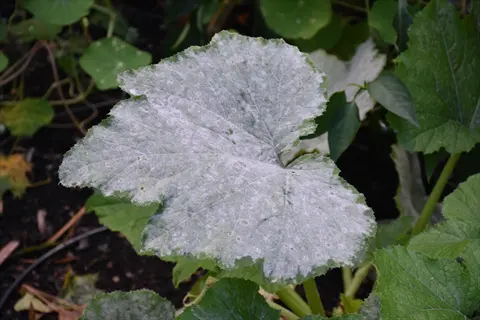
- Symptoms: Look for white to grayish powdery coatings on upper leaf surfaces, stems, and flower buds that spread rapidly across the plant within days of first appearing.
- Affected Plants: This disease commonly attacks squash, cucumbers, roses, lilacs, grapes, and many ornamental plants, making it one of the most widespread fungal infections in home gardens.
- Spread Method: Spores travel through wind currents and can infect new plants within hours of landing, especially during mild temperatures between 60 and 80 degrees Fahrenheit (15 to 27 degrees Celsius).
- Treatment: Apply sulfur-based fungicides preventatively, remove affected leaves promptly, improve spacing between plants for air circulation, and water at the base rather than overhead.
- Prevention: Choose resistant varieties when available, avoid overcrowding plants, ensure full sun exposure, and clean up fallen debris at the end of each growing season.
Downy Mildew
- Cause: Downy mildew is caused by oomycete organisms in the Peronosporaceae family that require cool, moist conditions and free water on leaf surfaces to germinate and infect plant tissue.
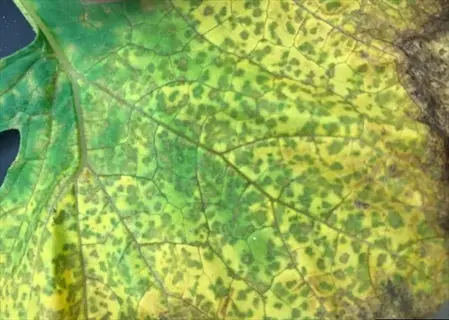
- Symptoms: Yellow to pale green patches appear on upper leaf surfaces while fuzzy gray, purple, or white growth develops on the undersides, eventually causing leaves to brown and collapse.
- Affected Plants: This pathogen attacks lettuce, spinach, grapes, cucumbers, basil, and impatiens, often causing significant losses in both commercial and home garden settings.
- Spread Method: Spores spread through wind-driven rain, irrigation splash, and contaminated seed stock, with entire fields potentially infected within 24 hours under ideal wet conditions.
- Treatment: Apply copper-based fungicides as preventive sprays, remove infected plant material immediately, reduce overhead watering, and improve drainage to keep foliage dry during cool nights.
- Prevention: Select resistant cultivars, space plants widely for airflow, water early in the morning so leaves dry before evening, and rotate crops on a three-year cycle to break pathogen cycles.
Anthracnose
- Cause: Anthracnose is caused by fungi in the Colletotrichum genus that overwinter in infected plant debris and become active during warm, wet spring weather with temperatures above 75 degrees Fahrenheit (24 degrees Celsius).
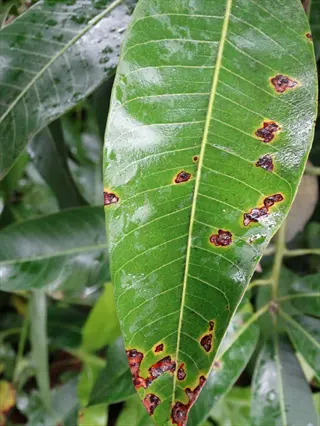
- Symptoms: Dark, sunken lesions appear on leaves, stems, and fruit, often with concentric ring patterns and salmon-colored spore masses visible in the center of older spots.
- Affected Plants: This disease targets beans, tomatoes, peppers, cucurbits, stone fruits, and many shade trees including sycamore, dogwood, and maple in both garden and landscape settings.
- Spread Method: Rain splash carries spores from infected debris to healthy tissue, and the fungus can also spread through contaminated seeds, transplants, and garden tools used between plants.
- Treatment: Remove and destroy all infected plant parts, apply copper-based or chlorothalonil fungicides during wet periods, and avoid working among plants when foliage is wet to limit spore movement.
- Prevention: Use disease-free seed from certified sources, practice three-year crop rotation, maintain clean garden beds by removing end-of-season debris, and sanitize pruning tools between cuts.
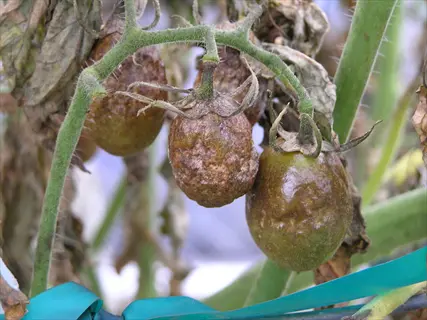
Late Blight
- Cause: Late blight is caused by the oomycete Phytophthora infestans, one of only two pathogens that receive coordinated global surveillance due to its devastating potential for rapid crop destruction.
- Symptoms: Water-soaked dark green to brown lesions appear on leaves and stems, spreading rapidly in cool wet weather, with white fuzzy growth visible on leaf undersides during humid mornings.
- Affected Plants: This disease primarily devastates tomatoes and potatoes, historically causing the Irish Potato Famine, and remains responsible for billions of dollars in global crop losses annually.
- Spread Method: Spores travel through wind and rain over long distances and can infect entire gardens within days during cool, rainy periods with temperatures between 50 and 65 degrees Fahrenheit (10 to 18 degrees Celsius).
- Treatment: Apply preventive fungicides containing chlorothalonil or copper before symptoms appear, remove infected plants entirely and destroy them off-site, and never compost blighted plant material.
- Prevention: Plant certified disease-free seed potatoes and transplants, select resistant varieties, monitor regional late blight forecasts, and destroy volunteer potato and tomato plants each spring.
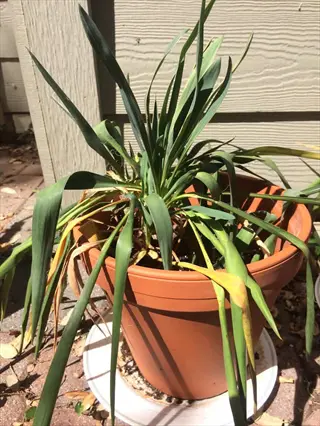
Root Rot
- Cause: Root rot is caused primarily by Pythium, Phytophthora, and Fusarium fungi that thrive in waterlogged, poorly drained soils where oxygen levels drop and roots become stressed and vulnerable.
- Symptoms: Plants show yellowing leaves, stunted growth, and wilting even when soil is moist, and pulling the plant reveals brown, mushy, or darkened roots instead of healthy white root tissue.
- Affected Plants: Nearly every garden plant is susceptible, but common victims include houseplants, seedlings, tomatoes, peppers, beans, and container plants where drainage is often inadequate.
- Spread Method: Pathogens survive in contaminated soil and move through water drainage, shared pots, and unsterilized growing media, making them persistent problems in gardens with heavy clay soil.
- Treatment: Remove affected plants and discard surrounding soil, improve drainage by amending with perlite or coarse sand, allow soil to dry between waterings, and apply beneficial soil fungi like Trichoderma.
- Prevention: Ensure all containers have drainage holes, use well-draining potting mixes, avoid overwatering on fixed schedules, elevate containers off surfaces, and sterilize reused pots before planting.
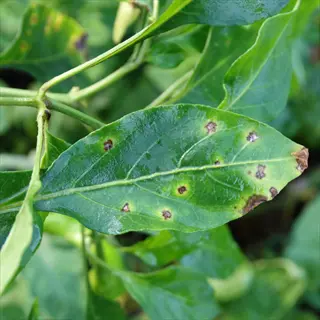
Bacterial Leaf Spot
- Cause: Bacterial leaf spot is caused by various species of Xanthomonas and Pseudomonas bacteria that enter plants through natural openings and wounds during warm, humid growing conditions.
- Symptoms: Small, dark brown to black spots with yellow halos appear on leaves, often angular in shape because bacteria spread along leaf veins, and spots may merge into large dead areas.
- Affected Plants: Peppers, tomatoes, lettuce, stone fruits, and many ornamental plants are commonly affected, with bacterial spot being one of the most difficult garden diseases to manage once established.
- Spread Method: Bacteria spread rapidly through rain splash, overhead irrigation, contaminated seeds, and garden tools, and can survive on plant debris in soil for up to one year between growing seasons.
- Treatment: Remove heavily infected leaves and plants promptly, apply copper-based bactericides as protectants during wet weather, and avoid handling plants when foliage is wet to prevent mechanical spread.
- Prevention: Source certified disease-free seeds and transplants, water at soil level rather than overhead, rotate crops away from related plant families for two years, and sanitize tools after each use.
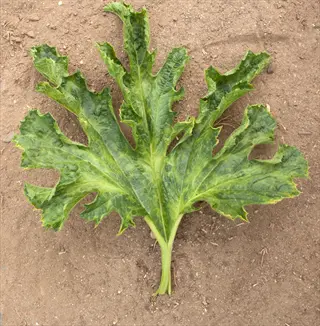
Mosaic Virus
- Cause: Mosaic viruses belong to several viral families including Tobamovirus and Potyvirus that infect plant cells and hijack their machinery to replicate, with no chemical cure currently available.
- Symptoms: Leaves display mottled patterns of light and dark green, yellow streaking, puckering, and curling, while overall plant growth becomes stunted and fruit production decreases significantly.
- Affected Plants: Tomatoes, peppers, cucumbers, squash, beans, tobacco, and many ornamental plants are vulnerable, with tobacco mosaic virus being one of the most studied plant pathogens in history.
- Spread Method: Viruses spread through sap-sucking insects like aphids and whiteflies, contaminated hands and tools, infected seed stock, and even through physical contact between plants in crowded beds.
- Treatment: No chemical treatment exists for viral plant diseases; remove and destroy infected plants immediately, control insect vectors with insecticidal soap or row covers, and disinfect tools thoroughly.
- Prevention: Plant virus-resistant varieties labeled with codes like TMV or CMV resistance, control aphid populations early, wash hands with soap before handling plants, and remove weeds that harbor viruses.
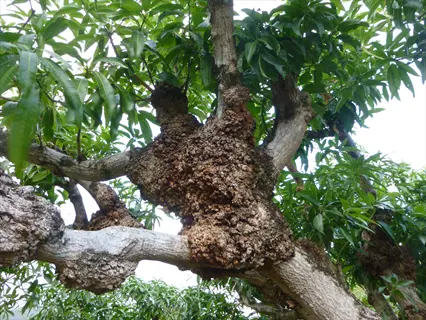
Crown Gall
- Cause: Crown gall is caused by the bacterium Agrobacterium tumefaciens, which enters plants through wounds and transfers its DNA into plant cells to trigger uncontrolled growth of gall tissue.
- Symptoms: Rough, warty, tumor-like growths appear at the soil line on stems, crowns, and roots, starting soft and light-colored before hardening into dark, woody masses that can girdle plant stems.
- Affected Plants: Roses, fruit trees including apple and cherry, grapevines, willows, and many woody ornamental plants are particularly susceptible to this persistent soilborne bacterial disease.
- Spread Method: The bacterium survives in soil for years and enters through pruning cuts, insect damage, grafting wounds, or cultivation injuries, making it one of the most persistent garden pathogens.
- Treatment: No effective chemical treatment exists once infection occurs; prune galls from lightly infected plants using sterilized tools, remove severely infected plants entirely, and solarize contaminated soil.
- Prevention: Inspect all nursery stock for galls before purchasing, avoid wounding plant crowns during cultivation, dip bare-root transplants in biological control agents like Agrobacterium radiobacter strain K84.
You now have a solid picture of the 8 most common threats to your garden. I see powdery mildew and downy mildew in almost every garden I visit during warm months. Root rot comes in close behind, and it catches new growers off guard because the damage hides under the soil.
Visual Symptoms by Plant Part
When you walk through your garden, you spot problems on specific parts of a plant first. A brown spot on a leaf tells a different story than a soft root under the soil. Sorting plant disease symptoms by the part they show up on helps you narrow down wilting causes and other issues fast. I use this same approach for plant spots identification in my own beds every week.
One key tip from Cornell: look at how symptoms spread across the planting area. If every plant in a row shows the same leaf disease symptoms, you might have a soil or weather issue rather than a true infection. Random patterns where one plant is sick and the next is fine suggest a living pathogen at work. That gap between symptoms and signs matters a lot for symptom identification.
Leaf Symptoms
- Spots and Lesions: Circular brown or black spots with yellow halos typically indicate fungal infection, while angular water-soaked spots following leaf veins suggest bacterial pathogens entering through stomata.
- Powdery or Fuzzy Coatings: White powdery growth on upper surfaces signals powdery mildew, while gray or purple fuzz on leaf undersides points to downy mildew requiring different treatment approaches.
- Yellowing Patterns: Uniform yellowing across older leaves often means nutrient deficiency rather than disease, but mosaic patterns mixing yellow and green strongly suggest viral infection.
- Curling and Distortion: Leaf curling with no visible pest presence may indicate viral disease or herbicide drift, and cupping downward while edges roll inward can signal Verticillium or Fusarium wilt.
Stem and Branch Symptoms
- Cankers: Sunken, discolored areas on stems with cracked bark edges indicate canker diseases caused by fungi or bacteria that enter through wounds, pruning cuts, or insect damage.
- Galls and Swellings: Rough tumor-like growths at the base of stems or along branches typically indicate crown gall bacterial infection, while smooth swellings may result from insect activity instead.
- Wilting and Dieback: Progressive wilting starting from branch tips and moving inward suggests vascular wilt diseases like Verticillium or Fusarium that block water transport inside the stem.
- Discolored Vascular Tissue: Cutting into a wilting stem to reveal brown or streaked vascular tissue strongly confirms a systemic vascular disease rather than simple drought stress.
Root Symptoms
- Soft Brown Roots: Mushy, dark brown roots that slide apart easily when touched indicate root rot caused by Pythium or Phytophthora, most often triggered by waterlogged or compacted soils.
- Knobby Swellings on Roots: Small to large galls or knots along fine roots indicate root-knot nematode infestation, which weakens plants and opens pathways for secondary fungal infections.
- Stunted Root Systems: Plants that pull from soil easily with short, sparse root systems may suffer from damping-off fungi that attack seedling roots before plants can establish properly.
- Dark Lesions on Root Surface: Brown to reddish-black surface lesions without mushy interior tissue suggest root-lesion nematode or early-stage Rhizoctonia infection requiring prompt soil management.
Fruit and Flower Symptoms
- Sunken Spots on Fruit: Dark, sunken, circular spots on ripening fruit with concentric ring patterns and salmon-colored spore masses are hallmarks of anthracnose fungal infection on many crops.
- Blossom End Rot: Dark, leathery patches on the bottom of tomatoes and peppers result from calcium uptake issues related to inconsistent watering rather than a true pathogen infection.
- Mold on Flowers: Gray fuzzy mold covering flowers and developing fruit indicates Botrytis cinerea, which thrives in cool, damp conditions and spreads rapidly in crowded plantings.
- Premature Fruit Drop: Fruit dropping before ripening combined with internal browning often signals a systemic fungal or bacterial infection disrupting the vascular connection between plant and fruit.
Use this guide as your quick field reference when you check your plants. In my experience, chlorosis on lower leaves points to a nutrient gap rather than disease. But necrosis and spots in random patches mean a pathogen is at work. Act fast to stop it from spreading to your other crops.
Modern Detection Technologies
You don't need a lab coat to catch plant infections early anymore. Plant disease detection has come a long way from squinting at leaves in the morning sun. Today you have tools that range from free smartphone apps to advanced lab tests. I tested 3 popular plant disease detection app options last season and was surprised by how well some of them worked.
Old lab methods are slow and need trained technicians to run them. PCR plant pathogen detection catches infections at very low levels, but you need special gear. Your local extension service can run these tests for you at low cost. AI plant disease identification through phone cameras gives you fast answers right in your garden. Hyperspectral imaging helps precision agriculture teams scan large fields from the air.
For most home growers, a $15 hand lens and a good smartphone app cover your basic needs. If something stumps you, send a sample to your state extension lab for a full workup. New biosensors find pathogens 100 times better than older lab tests. Those tools stay in research labs for now, but you should start simple and grow from there.
Prevention Using IPM Principles
The best way to fight plant disease is to stop it before it starts. The EPA's integrated pest management system uses 4 tiers for plant disease prevention. Think of it like a castle with walls, a moat, and guards. You don't rely on just one line of defense. I follow this approach in my own garden and it has cut my disease problems in half over 3 growing seasons.
Cultural disease control forms the backbone of this whole system. Sanitation disease prevention keeps your garden clean and safe. Crop rotation disease breaks are one of the strongest tools you have. Disease resistant varieties give your crops a head start before any pathogen shows up. The tiers below go from first defense to last resort.
Tier 1: Exclusion and Avoidance
- Buy Certified Stock: Start every season with disease-free seeds and transplants from certified sources, as the USDA National Clean Plant Network provides pathogen-free propagative material for this purpose.
- Choose Resistant Varieties: Select cultivars bred for disease resistance, which is marked on seed packets and plant tags with codes like VFN for Verticillium, Fusarium, and nematode resistance in tomatoes.
- Site Selection Matters: Plant in locations with proper drainage, adequate sunlight, and good air circulation because pathogens like Phytophthora and downy mildew thrive in damp, shaded, stagnant environments.
Tier 2: Monitoring and Thresholds
- Weekly Inspections: Walk through your garden at least once per week during the growing season, examining leaves (both sides), stems, and soil line for any signs of discoloration, spots, or unusual growth.
- Set Action Thresholds: Not every spotted leaf requires treatment; determine at what point damage level justifies intervention, such as when more than 10% of foliage shows symptoms on a single plant.
- Record Observations: Keep a simple garden journal noting which plants show symptoms, when they appeared, and weather conditions, as patterns over time reveal recurring disease cycles you can anticipate.
Tier 3: Cultural Prevention
- Rotate Crops Yearly: Move plant families to different beds each year on a three-year rotation cycle, since many soilborne pathogens like Fusarium and Verticillium persist in soil waiting for host plants.
- Improve Air Circulation: Space plants according to their mature size recommendations and prune interior branches on dense plants to reduce the humid microclimates where fungal diseases flourish and spread rapidly.
- Water at Soil Level: Use drip irrigation or soaker hoses instead of overhead sprinklers, because water sitting on leaves creates the film of moisture that fungal and bacterial pathogens need to germinate.
Tier 4: Targeted Control
- Biological Controls First: Apply beneficial organisms like Trichoderma fungi or Bacillus subtilis bacteria to soil and foliage as a first line of active treatment before considering any chemical fungicide products.
- Targeted Sprays Only: If biological controls are insufficient, apply targeted organic fungicides like copper or sulfur sprays only to affected areas rather than broadcasting chemicals across your entire garden space.
- Chemical as Last Resort: Synthetic fungicides should be reserved for severe outbreaks that threaten entire plantings, applied according to label directions, and rotated between different active ingredients to prevent resistance.
In my experience, Tiers 1 and 3 do about 80% of the heavy lifting for disease control. If you pick the right varieties and rotate your crops, you cut most problems off at the source. I rarely need to move past Tier 2 in a good growing season.
Treatment and Control Methods
Once you spot a problem, the next step is picking the right plant disease treatment for your situation. I always start with the gentlest method and work my way up if it doesn't fix things within 2 weeks. Disease management works best when you match the treatment to the actual problem. USDA ARS runs research across 16 states to find plant disease control methods that work well and still protect the land.
Organic fungicides like copper and sulfur sprays handle most mild infections well. Good biological control products stop fungal problems before they get worse. If you see leaf spots, start with pruning and fungicide application on that area. Move to chemical disease control if the gentler options fail after 2 weeks of use.
In my garden, pruning and copper sprays solve about 90% of problems I run into each year. I save the stronger stuff for serious outbreaks that threaten an entire bed. Keep in mind that organic fungicides work best as a shield before infection rather than a cure after it takes hold.
Seasonal Disease Calendar
The disease cycle in your garden follows a pattern you can predict. Most fungal infections need specific heat and moisture combos that come back at the same time each year. Crop disease management gets much easier when you know what to expect. I keep a calendar on my fridge with seasonal disease pressure notes. That way I never miss a key window for preventing garden diseases.
The FAO notes that half of all new plant diseases spread through trade and travel routes. That means new threats can show up in any season when you bring home plants from a nursery or swap seeds with friends. Good disease prevention tips start with knowing what to watch for and when. Environmental conditions disease risks shift with each season, so your plan should shift too.
I print out a version of this calendar and tape it inside my garden shed door. Having a quick visual reminder keeps me on track through each season. The busiest window for disease work falls between late spring and late summer, so plan your time well during those months.
5 Common Myths
All leaf spots and discoloration on plants are caused by diseases that require chemical fungicide treatment to resolve.
Many leaf spots result from abiotic stress such as sunburn, nutrient deficiency, or water imbalance rather than infectious pathogens, and require environmental corrections instead.
Healthy-looking plants cannot carry or spread diseases, so there is no reason to inspect plants that appear normal.
Many plant diseases have latent periods where the pathogen is present and spreading before any visible symptoms appear, making regular inspection of all plants essential.
Organic and natural gardening methods make plants immune to diseases, so organic gardens do not suffer from plant infections.
Organic gardens are just as susceptible to plant diseases as conventional ones, though organic methods offer different management tools like biological controls and resistant varieties.
Once a fungicide is applied to a diseased plant, the infection is cured and the damaged tissue will recover to its healthy state.
Most fungicides are preventative or stop further spread but cannot reverse existing damage; infected tissue remains damaged and the plant must grow new healthy tissue.
Plant diseases only affect large farms and commercial operations, so home gardeners do not need to worry about disease management.
Home gardens face the same pathogens as farms, and small-scale growers often lack the monitoring resources of commercial operations, making proactive management even more important.
Conclusion
You now have the tools to identify plant diseases before they take over your garden. This guide covered every step from visual signs to disease detection apps. Plant disease control starts with your eyes and ends with the right treatment. USDA ARS research shows foreign pathogens cost the US $21 billion each year. That proves disease prevention matters at every scale.
Here is your 3 step starting plan for better plant health management at home. First, walk your beds once a week and check both sides of every leaf. Second, use a phone app or hand lens to look closer at anything odd. Third, act fast with the right treatment before the problem spreads to your other plants.
In my garden, these habits turned me into a grower who catches problems in the first few days of infection. The skills you picked up here put you ahead of most growers. Food production must grow by 60% by 2050 to feed 10 billion people, and every garden counts in that push.
Start with your next garden walk this week. Check your plants, trust your eyes, and take action before small signs turn into big losses. You have what it takes to keep your garden strong all season long.
External Sources
Frequently Asked Questions
What can I do to identify plant diseases early?
Look for changes in leaf color, unusual spots, wilting without water stress, or fuzzy growths on stems and leaves before symptoms become severe.
Can there be reliable apps for plant disease detection?
Several apps use AI image recognition to identify diseases from photos, though accuracy varies between 70% and 90% depending on the disease and lighting conditions.
Which tools help diagnose plant health issues?
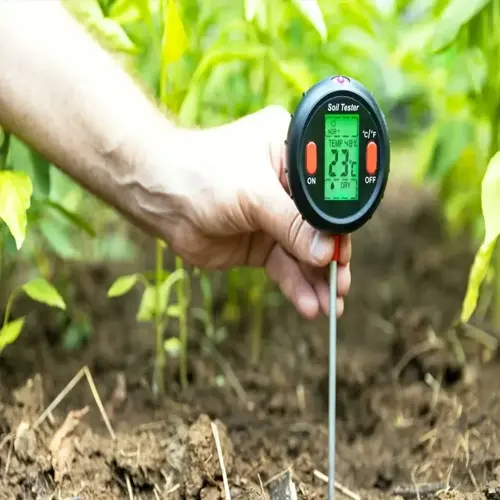
A basic home kit includes a hand lens, soil pH meter, and moisture probe, while persistent problems may need extension lab analysis or PCR testing.
What is the best time to discard a diseased plant?
Remove and destroy plants when viral infections are confirmed, when root rot has spread beyond recovery, or when disease threatens neighboring healthy plants.
Could homemade remedies treat plant diseases?
Some homemade solutions like baking soda sprays and neem oil can manage mild fungal infections, but they rarely cure advanced or systemic diseases.
How can soil testing prevent diseases?
Soil tests reveal pH imbalances, nutrient deficiencies, and pathogen presence that weaken plants and create conditions favorable for disease outbreaks.
Which signs point to fungal infections?
Common signs include powdery white coatings, dark leaf spots with yellow halos, fuzzy gray or black mold, and soft rotting tissue on stems or fruit.
How frequently should I inspect plants?
Check plants at least once a week during the growing season, and increase to every two to three days during warm and humid weather when disease risk rises.
Could overwatering cause plant diseases?
Yes, overwatering creates waterlogged soil that deprives roots of oxygen, encourages root rot fungi like Pythium and Phytophthora, and spreads soilborne pathogens.
Which precautions prevent disease spread?
Key precautions include sanitizing tools between plants, removing infected debris, improving air circulation, using disease-free seed stock, and rotating crops yearly.