
Soil testing prevent diseases by showing you hidden problems in your dirt before your plants show any stress. A basic test reveals pH levels, nutrient gaps, and conditions that invite pathogens. When you fix these issues in advance, your plants grow stronger and fight off infection on their own.
The link between soil health plant disease and your harvest is stronger than most gardeners think. Weak soil produces weak plants. Weak plants catch every disease that blows through your garden. Strong soil with the right pH and enough nutrients builds plants with thicker cell walls and better natural defenses. Think of soil testing like a blood test for your garden. It catches the problems you can't see just by looking at the surface.
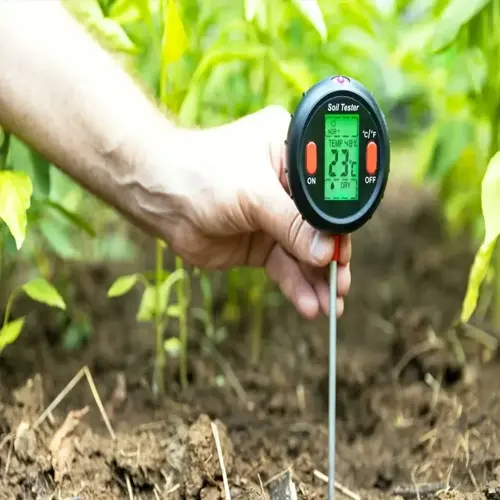
I found out how much this matters three years ago when my broccoli and cabbage kept getting clubroot. The roots would swell into ugly knobs and the plants would wilt by midday. I bought a $12 soil pH kit and found out my raised bed was sitting at 5.2 pH. That's way too acidic for brassicas. Many fungal pathogens love acidic soil below 6.0 because it helps them grow faster. I added garden lime over the fall and brought the pH up to 6.5 by spring. The next season my brassicas grew clean with zero clubroot. That one test and a bag of lime solved a problem I'd fought for two years.
Soil pH disease prevention works because pH controls two things at once. First, it affects which nutrients your plants can absorb from the soil. Even if the nutrients are there, the wrong pH locks them up so roots can't reach them. Second, pH affects how well pathogens survive in the ground. Raising pH above 6.0 cuts the survival rate of many common fungi and gives your plants a real edge.
For soil pathogen testing, your county extension lab can screen for specific trouble makers. If you've lost plants to Verticillium or Fusarium in the past, a $30-50 pathogen screen tells you if those fungi still live in your bed. This saves you from planting the same crop in infected soil and losing it all over again. Extension labs also tell you what to add and how much, which takes all the guesswork out of your fall prep.
You should test your soil every one to two years to stay ahead of problems. The best time to pull a sample is in the fall so you have time to amend before spring planting. Grab a small scoop of soil from five to six different spots in each bed. Mix them in a clean bucket and send that combined sample to the lab. This gives you an average that covers the whole bed rather than one odd corner.
When your results come back, read the pH number first. If you sit below 6.0, add lime to raise it. If you sit above 7.5, sulfur brings it back down. Next look at your nitrogen, phosphorus, and potassium levels. Low numbers tell you where to add compost or targeted fertilizer. High numbers warn you to back off on certain amendments you may have been adding too much of.
Soil testing prevent diseases better than any spray because it fixes the root cause. Your plants grow with stronger stems and thicker leaves when the soil has the right balance. I test every fall now and spend about 20 minutes pulling samples from all my beds. That small effort each year has cut my disease problems by more than half. It has also saved me money on treatments I no longer need to buy.
Read the full article: Identify Plant Diseases: 8 Types & Control Plan