
Yes, overwatering cause plant diseases more often than you might think. Too much water is one of the top triggers for fungal and bacterial problems in beds and pots alike. If your plants wilt even though the soil stays wet, you are drowning the roots and inviting pathogens to move in.
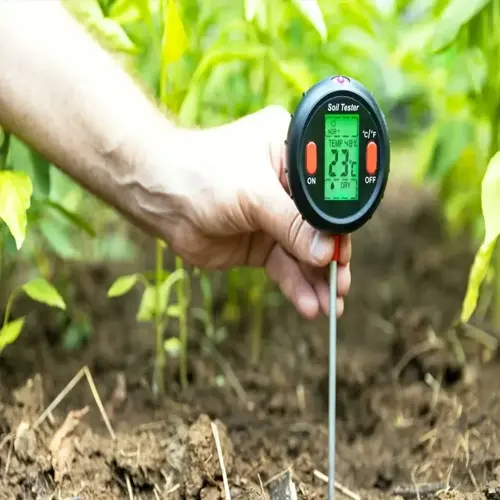
I lost an entire container herb garden to this exact problem two years ago. I watered my basil, parsley, and cilantro every morning on a set schedule. It didn't matter if it had rained the night before or if the soil was still damp from yesterday. The basil was the first to go. The stems turned dark and mushy at the soil line, and the roots came out brown and slimy. That was overwatering root rot caused by Pythium. My watering habit fed it every single day. I switched to the finger test after that loss. Now I stick my finger an inch into the soil and only water when it feels dry. I haven't lost a container plant to root rot since.
Here is what happens below the surface when you water too much. Healthy roots need both water and oxygen to work. When soil stays soaked, water fills all the air pockets and pushes oxygen out. Your roots start to suffocate. Weakened roots can't fight off the fungi that live in the dirt, and waterlogged soil plant health drops fast. Fungi like Pythium love these wet, airless conditions. They attack the soft, damaged root tissue and spread through your pot or bed fast.
Several serious diseases show up when your soil stays too wet for too long. Each one targets your plants in a different way.
Damping-Off in Seedlings
- What it looks like: Young stems pinch and collapse at the soil line, and seedlings fall over in groups across your tray or bed.
- Cause: Pythium fungi attack thin stems in wet soil, and the damage happens fast enough to kill a tray of starts in 24-48 hours.
- Prevention: Let the top of your seed mix dry between waterings and use a fan to keep air moving around your young plants.
Crown and Root Rot
- What it looks like: Mature plants wilt during the day even when the soil is wet, and the base of the stem turns dark brown or black.
- Cause: Phytophthora attacks the crown where stem meets roots and cuts off water flow to the top of the plant even though moisture surrounds it.
- Prevention: Make sure your beds drain well by adding 2-3 inches of coarse compost or perlite to heavy clay soil before planting.
Bacterial Soft Rot
- What it looks like: Root vegetables like carrots and potatoes turn mushy and smell rotten while still in the ground after days of standing water.
- Cause: Bacteria enter through small wounds and multiply fast in low-oxygen, wet soil where your root crops sit submerged.
- Prevention: Raise your beds to improve drainage and never leave root crops sitting in puddles after a heavy rain event.
Most watering mistakes disease connects to come from doing it too often rather than too much at once. Water your plants with a good deep soak and then leave them alone until the top inch dries out. Deep watering pushes roots to grow downward where the soil holds steady moisture. Light daily watering keeps roots near the surface where they stay weak and prone to rot. Mulch your beds with 2-3 inches of straw or wood chips to hold moisture in the soil so you don't feel the urge to water every day.
Check that every container you use has drainage holes at the bottom. If water pools on the surface for more than a few seconds after you pour, your soil mix is too dense. Swap to a lighter blend with perlite or coarse bark mixed in. For your garden beds, a quick drainage test tells you what you need to know. Dig a hole a foot deep, fill it with water, and see how long it takes to empty. If it takes more than four hours, your soil needs work before it can support healthy roots through a rainy stretch.
Read the full article: Identify Plant Diseases: 8 Types & Control Plan