
You can attract native pollinators by giving them three things: native plants, blooms in every season, and nesting spots. Get all three right and your garden buzzes with life from spring through fall. Miss one of these and you'll see far fewer visitors than your space could hold.
When I first tried this, I dug up a small 10-by-10 foot patch of bare lawn two years ago. For the first month after planting native bee balm and wild bergamot, not much happened. Then around week six the first bumble bees showed up. By midsummer I counted over a dozen bee species in that tiny patch on one walk. The lawn right next to it sat empty the whole time. That one small native bed pulled in more insects than the rest of my yard put together.
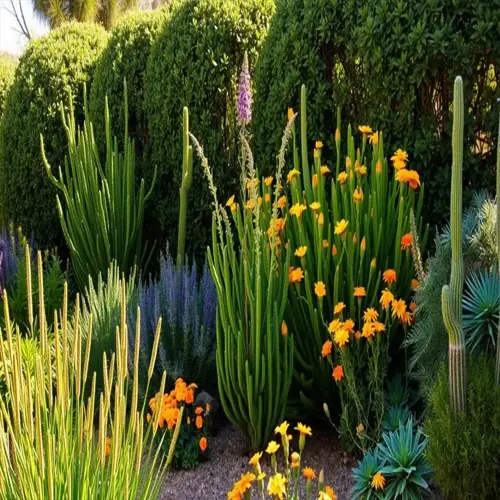
Flower shape plays a bigger role than you might guess. Plant tubular blooms like cardinal flower and you'll attract hummingbirds and long-tongued bees to your yard. Add flat open flowers like wild asters and you draw in beetles and flies that need a landing pad. Toss in clustered heads like goldenrod and mountain mint and you'll see small bees and butterflies arrive by the dozens. Mix all three shapes in your beds and you'll feed every type of native pollinator in your area.
The USFWS says you need at least three species blooming per season from early spring through late fall. The Monarch Joint Venture lists four pillars: food, water, shelter, and space. Spring starts with willow and redbud. Summer brings coneflower and bee balm at their peak. Fall wraps up with goldenrod and native asters. These rank among the best pollinator-friendly garden tips because they keep food coming for bees across every month.
Your native pollinator habitat needs more than just flowers. About 70% of native bees nest in bare ground, not in hives. They need patches of exposed soil with no thick mulch on top. Leave 30 to 50% of your garden area alone and don't cover every inch. Dead wood piles and bundles of hollow stems give cavity-nesting bees a home for winter. A pile of old branches in a back corner does the trick. Leaf litter in fall also protects overwintering bees and butterfly pupae that hide under the debris.
Water is the piece most people skip. Set out a low dish filled with small stones and add water so the stone tops stay dry. Bees land on those dry surfaces and sip from the edges. I keep three of these around my yard and refill them every other day when it gets hot. Butterflies love them too. I've watched painted ladies sit on the warm stones for minutes at a time soaking up heat while they drink.
Stop all pesticide use near your pollinator beds right away. Even organic sprays harm bees when you apply them while flowers are open. If you must treat a pest problem, spray at dusk after your bees go home. Better yet, let the predator insects from your native beds do the work for you. Lacewings, parasitic wasps, and ladybugs all show up once you build the right habitat.
Your pollinator patch doesn't need to be big to make a real difference. Even a 3-by-3 foot corner of your patio with native plants in pots can attract native pollinators. In my experience, you start seeing results within the first growing season. Start small and expand each year as you learn what thrives in your soil and sunlight. Your garden goes from quiet to buzzing once you give pollinators what they need to survive and thrive.
Read the full article: Best Native Pollinator Plants for Ecosystem Health