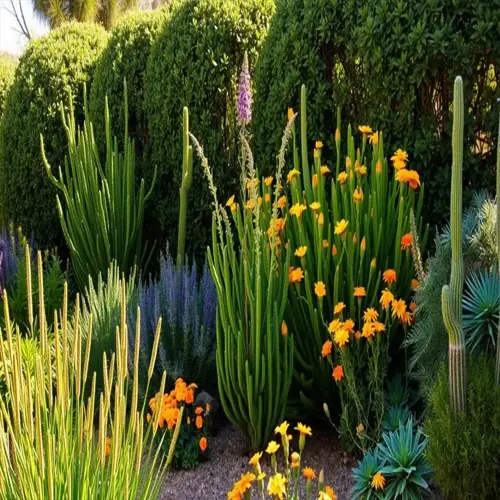

You can turn yard into pollinator garden in stages that fit your time and budget. Start by picking a sunny spot in your lawn and mapping out which areas get the most light. Then cut back 10 to 20% of your grass in the first year and fill that space with native plants that bloom across all three seasons. The single most helpful first step is to stop using all pesticides on your property right away.
I did this with a 200 square foot patch of lawn last spring. By May I had my plan drawn up on paper. I laid cardboard over the grass in June and piled leaves on top to kill it off. By late July the grass was dead and I planted native coneflowers, bee balm, and goldenrod right through the mulch. The first bumble bees showed up in August when my bee balm opened. To convert lawn to pollinator garden doesn't take years of planning. You can see real results in your first growing season.
Sheet mulching is the easiest way to kill grass without chemicals. Lay cardboard or thick newspaper over your chosen spot and cover it with 4 to 6 inches of leaves or wood chips. The grass dies under the cover within 6 to 8 weeks. Then you cut holes through the layer and plant your native species right into the soil below. You can also use clear plastic to bake the grass with the sun's heat over a hot month. Both methods work great and save you the back-breaking job of ripping out sod by hand.
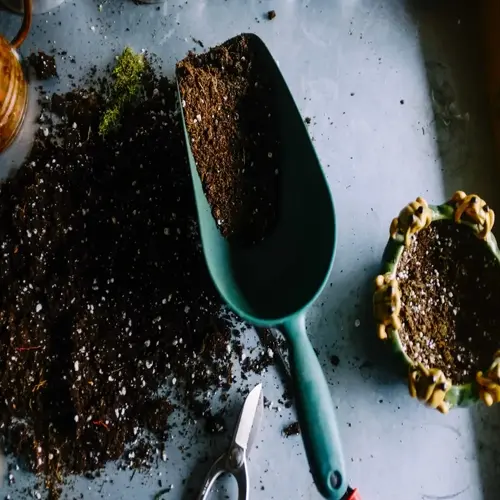
Native plants do best in soil that hasn't been loaded up with store-bought extras. Skip the fancy potting mix and heavy compost. Your local native species evolved in your area's natural dirt and they prefer it just the way it is. Check your sun and drainage before you pick plants. Sunny dry spots call for coneflower and bee balm. Shady wet areas do well with wild ginger and native ferns. Match your plants to your conditions and they'll thrive with almost no help from you.
The Monarch Joint Venture says your yard to pollinator habitat project can start as small as one pot on your porch. It scales up from there at your own speed. Year one you convert that first patch and learn what grows well for you. Year two you expand to a second section and add new species. Year three you put in native shrubs and add nesting spots like bare soil patches, dead wood piles, and leaf litter. This slow build keeps the cost down and lets you learn as you go.
In my experience, the hardest part was the first cut into the lawn. After that it got easier every year. My second patch went in twice as fast because I knew the process. By year three I had three native beds and saw more than a dozen bee species on a single summer walk through my garden. Monarchs started landing on my goldenrod each fall. A pair of hummingbirds claimed my bee balm as their own personal feeder.
Stop all pesticide use as your number one move. Even organic sprays harm the bees and insects you're trying to help. Let your native plants bring in predator bugs that handle pests on their own. Leave some bare ground for ground-nesting bees. Stack a small pile of dead sticks in a corner for cavity-nesting bees. These small steps add up fast and your yard to pollinator habitat shift will be clear to see within your first full summer of growth. Every native plant you add makes your yard more alive.
Read the full article: Best Native Pollinator Plants for Ecosystem Health