
Yes, native plants for pollinators beat non-native species by a wide margin. UC Davis and Penn State found that native plants pull in 4 times more visits from bees and butterflies. That huge gap decides whether local pollinators find food or starve. If you want a busy garden full of buzzing life, native plants give you the strongest base to build on.
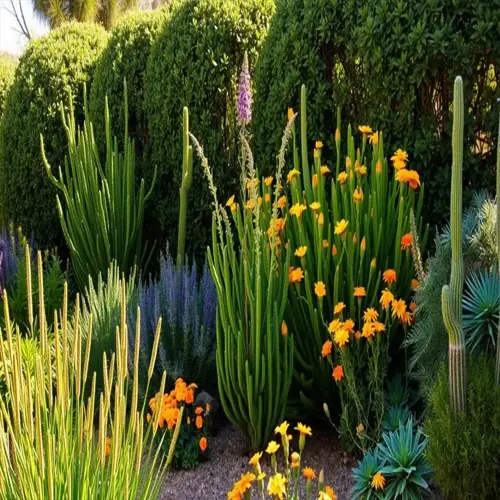
I tested this myself two summers ago in my own yard. I grew native coneflowers and goldenrod in one bed. Right next to them I put marigolds and petunias. The native vs non-native plants pollinators gap showed up within days. Bees packed the coneflowers from morning to dusk. The marigolds got one or two visits per hour at best. Petunias sat empty most of the time. My neighbor even noticed the contrast from across the fence and asked what I planted.
This gap exists because of co-evolution. Native insects spent thousands of years adapting to native plants. About 90% of native insect species can only eat plants they grew up alongside. A specialist bee that collects pollen from wild sunflowers can't switch to Asian ornamentals. Remove its host plant and that bee vanishes from your area for good. These tight bonds took ages to form and can't be replaced with store-bought flowers.
A 2-year field study proved this with hard numbers. Researchers collected 3,744 bee specimens across 120 species from native and non-native plant plots. Native plots scored an H2' of 0.64 for pollinator network strength. Non-native plots hit just 0.44 on the same scale. That gap tells us native plants form tighter bonds with specific pollinators. Non-native plots drew mostly generalist bees that can feed on anything and don't depend on any one plant.
This web of connections keeps the full ecosystem alive. Native bees pollinate specific wildflowers that then make fruit and seeds. Birds and small animals eat that fruit to survive through the seasons. Native caterpillars munch native leaves and then become meals for baby birds. Yank out the native plants and the whole chain falls apart fast. Pretty flowers from overseas look nice in a bed but can't fill the roles that native species play. The food web depends on those native plants being there.
I also noticed that my native beds got better each year without much work. The coneflowers spread and the goldenrod filled gaps on its own. Meanwhile, I had to replant the petunias every spring and buy new marigold starts each season. The native bed cost less over time and drew more pollinators with each passing year. That kind of return on effort is hard to match with non-native annuals.
You don't need to tear out every non-native plant in your yard. Non-natives can add some color and fill gaps between bloom times. But native species should form your garden's core. Start with 3 to 5 native plants from your region that bloom at different times. Check your local native plant society website for a species list that fits your soil and climate. This saves you from wasting money on plants that won't work in your area.
Once you grasp why plant native species matter, the path forward gets clear. Each native plant you add builds a small pocket of real habitat. Coneflower, goldenrod, bee balm, and wild bergamot work great in most parts of the country. These perennials return each spring and spread on their own with very little help. Your local pollinators will show up fast once the right plants are in the ground. Give them what they evolved to eat and they'll reward your garden ten times over.
Read the full article: Best Native Pollinator Plants for Ecosystem Health