Bulb · Liliaceae
Asiatic Lily
Lilium
Set the bulbs once and Asiatic lilies return the first major blooms of summer, season after season.
Full sun
Every 5–10 days
USDA 4–8
2–5 ft · 0.6–1.5 m
Overview
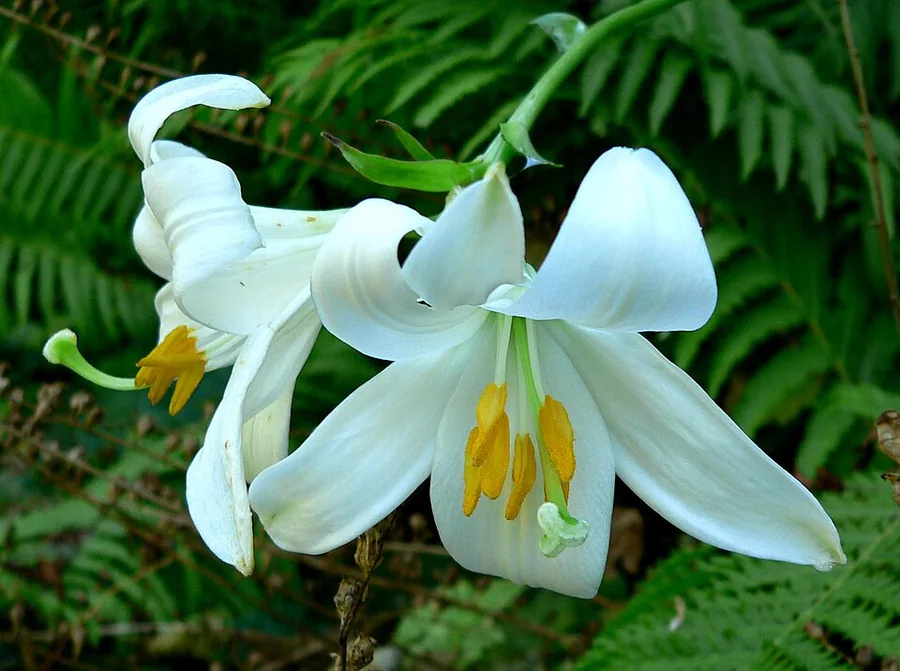
Among the true lilies, Asiatic hybrids are the most forgiving and typically the earliest to flower each summer. Each grows from a bulb that gains strength year on year, carrying upward or outward facing flowers 4 to 6 inches across in nearly every color except true blue. Most produce little or no fragrance, an advantage if the dense perfume of other lilies is more than you want.
Established in the ground, they make modest demands. Full sun, freely draining soil, and a cool root zone cover the essentials, and the bulbs are cold-hardy enough to survive winters down to -20°F (-29°C). Sited in a sunny bed, they multiply on their own into fuller clumps that you lift and divide every few years to keep them vigorous.
One point belongs at the front of any discussion: these are true lilies, and they are lethal to cats. Every part of the plant, including the pollen and the water in a vase, can cause fatal kidney failure in a cat. In a household with a cat, grow this only where the animal can never reach it, or leave it out of the garden altogether.
Care
The short version: full sun and sharp drainage are the two things Asiatic lilies depend on. Keep the soil evenly moist but never saturated, mulch to hold the root zone cool, and divide congested clumps every few years to sustain flowering.
Light
Asiatic lilies flower most freely in full sun, meaning six or more hours a day. They tolerate a little afternoon shade in hot-summer regions, which slows the blooms from fading, but deep shade draws the stems up leggy and suppresses flowering.
Water
Hold the soil evenly moist through the growing season, and never let it dry out fully while the plants are actively growing. Water every 5 to 10 days, more often in heat, but ease off the moment the ground turns soggy, because saturated soil starves the bulb of oxygen and rots it. A mulch layer conserves moisture and keeps the roots cool.
Soil
Drainage is the deciding factor here. Plant into well-drained loam, silt, or sand amended with compost, targeting a slightly acidic to neutral pH of 6.0 to 7.0. Heavy, waterlogged ground is the surest way to lose the bulbs to rot.
Temperature
These are durable, cold-hardy bulbs that tolerate a span from -20°F to 90°F (-29°C to 32°C). They depend on winter chill to flower well, so they perform in cold-winter gardens where many other bulbs fail.
Humidity
Ordinary outdoor humidity suits them, so there is no target figure to meet. Airflow matters more than ambient moisture, because crowded, stagnant conditions are what allow botrytis blight to take hold on the leaves.
Feeding
Incorporate a balanced or low-nitrogen bulb fertilizer into the soil as the shoots break ground in spring, then feed a second time as the buds form. Keep nitrogen moderate, since an excess drives soft leafy growth at the cost of flowers.
Pruning
Remove spent blooms so the plant channels energy back into the bulb instead of setting seed. Leave the remaining foliage in place until it yellows and dies down naturally in fall, then cut the stems to the ground.
Repotting
Lilies prefer to be left undisturbed, but a clump in the same spot for 3 to 4 years begins to crowd itself and the flowers diminish. Lift and divide it in fall once you notice smaller blooms or a cluster of bulblets ringing the parent.
Size & spacing
Stems rise 2 to 5 feet (60 to 150 cm) in a relatively narrow clump. Set the bulbs 6 to 8 inches (15 to 20 cm) deep and roughly 12 inches (30 cm) apart so air circulates freely and the roots stay cool.
When to plant
Asiatic lilies follow a straightforward seasonal rhythm. Plant the bulbs in spring or fall, set deep and roughly a hand's width apart, and they emerge in spring to open the first lilies of the year in early to midsummer.
Northern hemisphere
Southern hemisphere
Typical months for a temperate climate: start earlier in warm zones, later where spring frosts linger.
- Plant: Plant bulbs in spring or fall, 6 to 8 inches deep and about 12 inches apart
- Harvest: Early to mid summer; Asiatic hybrids are usually the first lilies to bloom
Hardiness
USDA hardiness zones: 4–8
Temperature: down to -34°C
Troubleshooting
Most lily failures trace to a single underlying cause: soil that retains too much water. Inspect the bulbs and lower leaves for the early indicators below, and intervene before rot or blight establishes itself.
Soft, collapsing bulbs and shoots that stall or never emerge
When a bulb turns soft and mushy and the shoot fails to push through, you are looking at bulb rot, and the trigger is almost always soil that holds water rather than a defect in the bulb. Saturated soil drives out the oxygen the bulb tissue needs, and the resulting anaerobic conditions invite fungi to colonize the dying tissue. Dig up any bulb that gives under pressure or smells sour, discard it, and amend the bed with compost and grit to open up the drainage before you replant on higher, faster-draining ground.
Fix:
- Lift and discard rotted bulbs
- Improve drainage by amending soil with compost and coarse material
- Replant healthy bulbs in a raised or well-drained site
Fuzzy gray mold and brown blotches spreading across leaves and buds
Stretches of cool, damp weather set up the conditions for botrytis blight, a fungus that colonizes water-soaked lesions and coats them in tan or gray spores. Remove the affected leaves and flowers and dispose of them in the trash, not the compost, since the spores survive composting. Open up spacing so air moves through the foliage, deliver water at the soil line rather than over the leaves to keep the canopy dry, and strip out dead growth in autumn to deny the spores the debris they overwinter in.
Fix:
- Remove and destroy infected foliage
- Improve air circulation and avoid overhead watering
- Apply an appropriate fungicide if severe
Distorted shoot tips with a sticky film on the leaves
Tight colonies of soft-bodied insects gathered on the growing tips and the undersides of leaves are lily aphids, and the sticky film you find on the foliage is the honeydew they excrete as they feed. Dislodge the colonies with a forceful jet of water, then follow up on the survivors with insecticidal soap. Persistence matters here, because aphids transmit viruses as they move from plant to plant, so an unchecked colony does more than disfigure a single lily.
Fix:
- Spray plants with a strong stream of water to dislodge aphids
- Apply insecticidal soap to affected growth
- Encourage natural predators such as lady beetles
Toxicity
This is the point where Asiatic lilies call for genuine caution. As a true lily, the entire plant is severely toxic to cats, and even a lick of pollen or a swallow of vase water can bring on fatal kidney failure. Dogs escape with little more than gastrointestinal upset, and the plant poses no serious threat to people, but it should never be within a cat's reach.
Toxic to
Cats · Dogs · Horses · Rabbits · Livestock · Birds · People
Cats Severe
This is the exposure that overrides every other concern. A few bites of leaf or flower, pollen licked from the fur, or a swallow of vase water is enough to shut down a cat's kidneys. The picture opens with vomiting, refusal of food, and a flat, lethargic cat within hours, then progresses to fatal kidney failure unless a veterinarian intervenes quickly. Treat any contact as an emergency and get to a clinic without delay.
Dogs Mild
Dogs come through this far more easily. A dog that chews on the plant may drool or vomit, but true lilies do not appear to damage canine kidneys the way they destroy a cat's.
Horses Caution
Horses are spared the kidney failure that kills cats, but the plant has no place in their feed. Keep bulbs, foliage, and garden clippings clear of the paddock to head off mild digestive upset.
Rabbits Caution
Feeding trials gave high doses without obvious harm, yet that is not a reliable margin of safety. Keep rabbits from grazing on the leaves or bulbs.
Livestock Caution
Cattle, sheep, and goats are not known to become seriously ill from true lilies, but the plant offers them no nutritional value. Fence off the bed and never dump trimmings where grazing animals can reach them.
Birds Caution
No confirmed cases of poisoning in birds exist, which leaves the risk unproven rather than ruled out. Treat that gap in the data as grounds to keep cages and aviaries clear of cut stems and pollen.
People Caution
This plant is not grown as food, and chewing the leaves, bulbs, or flowers can leave the mouth and stomach irritated. Keep young children from putting it in their mouths, though it carries none of the lethal risk it poses to a cat.
Keep this plant and any cut stems, fallen pollen, and vase water completely out of reach of cats. Even brushing against pollen and grooming it off the fur can poison a cat.
Helpline numbers

United States
ASPCA Animal Poison Control: (888) 426-4435 (fee applies)
Poison Control: (800) 222-1222



Canada
Poison Centres: 1-844-764-7669
Varieties
Asiatic lilies span a broad range of colors, and a couple of true lilies are worth recognizing by name.
Asiatic hybrids (general)
First of the lilies to open each season, these carry mostly unscented flowers 4 to 6 inches across, held upward or outward, in a palette of reds, pinks, oranges, yellows, lavender, and white.
Tiger lily (Lilium lancifolium)
Another true lily, this one bears orange, dark-spotted flowers with strongly recurved petals and produces small dark bulbils in the leaf axils along the stem.
How to propagate
Asiatic lilies increase with almost no intervention, which is why a single planting fills out into a clump so readily. Dividing the bulbs is the dependable method, while seed is slow and best reserved for breeding work.
DivisionEasy
Fall, every 3 to 4 years when clumps become crowded · One growing season; divisions often bloom the following summer
Every 3 to 4 years, once a clump has grown congested, lift the whole mass in fall and ease the parent bulbs and their attached bulblets apart by hand. Reset each one at its original depth right away while the roots are fresh, and the divisions reestablish over a single season, with most flowering again the very next summer.
Offsets & pupsEasy
Fall, when lifting and dividing bulbs · One to two growing seasons to reach blooming size
With a clump out of the ground in fall, detach the small bulblets ringing each parent bulb and pot them on to bulk up. They require one to two seasons to reach flowering size, so treat them as next year's lilies rather than this season's display.
SeedDemanding
Sow ripe seed in fall or stratify and sow in spring · Several years to reach blooming size; named hybrids do not come true from seed
Ripe seed can go in during fall, or you can stratify it through winter and sow in spring, but plan on several years before the seedlings reach flowering size. Named hybrids will not reproduce true from seed either, since hybrid genetics segregate in the offspring, so seed is a breeder's tool rather than a way to duplicate a lily you already grow.
Myths
A cat is only at risk if it actually eats the leaves or flowers.
The hazard extends well beyond ingested foliage. A cat that grooms pollen from its coat or drinks water that has held cut lilies can absorb a toxic dose and develop kidney failure. With true lilies, every part of the plant and even the vase water functions as a poison to cats.
Asiatic lilies are just as deadly to dogs as they are to cats.
The two species respond to this plant on entirely different scales. A dog that samples a lily typically suffers nothing worse than gastrointestinal upset, with no trace of the kidney injury the same plant inflicts on cats. The lethal lily toxicity is a feline problem, not a canine one.