
Introduction
You walk out to your garden one morning and find half your tulips chewed down to stubs. The rabbit proof flowers you thought would protect them did nothing. You planted the wrong types in the wrong spots. I spent years making this same mistake before I learned which plants actually deter these pests.
Rabbits cause more damage than most people realize. A single pair can produce up to 36 babies per year with their fast breeding cycle. That explains why your garden seems fine one month and destroyed the next. Iowa State Extension research found over 55 perennials that rabbits avoid.
The truth is that no plant is fully rabbit resistant. Hungry rabbits will sample almost anything when food runs scarce. But certain flowers have strong scents, toxic compounds, or fuzzy textures that make them unappealing. Choosing the right rabbit resistant plants is like picking drought tolerant species for dry soil. You match the plant's strengths to your challenge.
This guide covers which flowers give the best garden protection against rabbits and why they work. You will learn how to design a bunny proof garden that keeps pests away from your favorite blooms.
Best Rabbit Proof Flowers
These 10 rabbit proof flowers work in real garden conditions across the country. Tufts researchers tracked over 30 plant species for 3 years. They found rabbits never ate certain types. I combined that data with other research to find the best rabbit resistant flowers you can trust.
Each of these rabbit deterrent plants works through a specific defense. Some produce strong aromatic oils that overwhelm rabbit senses. Others contain toxic compounds that cause digestive trouble. A few have fuzzy or woolly textures that rabbits hate chewing. The bunny proof flowers below offer proven protection based on how they defend themselves.
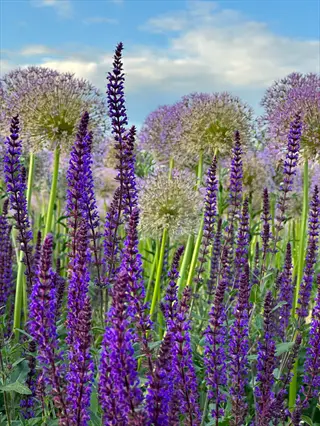
Lavender
- Defense Mechanism: Strong aromatic essential oils in foliage and flowers create an overwhelming scent that rabbits actively avoid due to their sensitive noses.
- Growing Conditions: Thrives in full sun with well-draining soil, tolerating drought once established and requiring minimal watering in most climates.
- Bloom Period: Produces fragrant purple flower spikes from early summer through fall, attracting pollinators while repelling rabbits from surrounding plants.
- Garden Use: Plant as a border around vulnerable flowers or vegetables, creating a fragrant protective barrier that doubles as beautiful landscaping.
- Hardiness: Grows well in USDA zones 5 through 9, with English lavender varieties handling colder winters better than French types.
- Maintenance: Cut back by one-third after flowering to maintain compact shape and encourage fresh aromatic growth that maintains rabbit resistance.
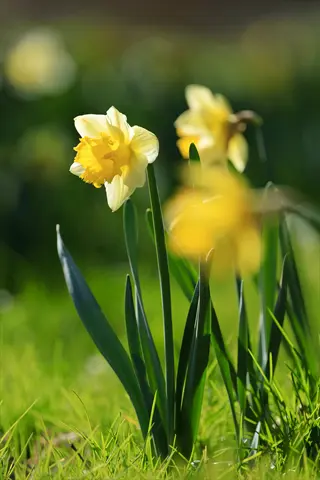
Daffodils
- Defense Mechanism: Contains toxic alkaloids throughout the entire plant, including bulbs, stems, leaves, and flowers that cause digestive distress in rabbits.
- Growing Conditions: Prefers full sun to partial shade with moderately moist, well-draining soil and benefits from annual fertilizing after bloom.
- Bloom Period: Cheerful yellow, white, or orange flowers appear in early spring, providing color when rabbit pressure is highest on emerging plants.
- Garden Use: Naturalize in lawns, plant in borders, or use as protective companions around tulips and other vulnerable spring bulbs that rabbits target.
- Hardiness: Extremely cold hardy in USDA zones 3 through 8, returning reliably year after year with minimal care required.
- Maintenance: Allow foliage to yellow naturally for six weeks after blooming to feed the bulb for next year's flowers and continued rabbit resistance.
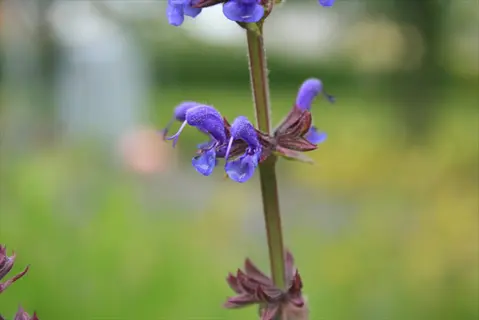
Salvia
- Defense Mechanism: Aromatic foliage produces volatile oils with strong mint-sage scent that rabbits find offensive and overwhelming to their senses.
- Growing Conditions: Requires full sun and tolerates poor, dry soil once established, making it excellent for low-maintenance rabbit resistant gardens.
- Bloom Period: Spiky flowers in blue, purple, red, or white bloom from late spring through fall, providing months of color and continuous protection.
- Garden Use: Mass plantings create beautiful drifts of color while serving as effective rabbit barriers around more vulnerable garden areas.
- Hardiness: Perennial salvias grow in zones 4 through 10 depending on variety, with May Night and Caradonna being particularly cold hardy selections.
- Maintenance: Deadhead spent flower spikes to encourage reblooming and maintain the fresh aromatic foliage that provides ongoing rabbit deterrence.
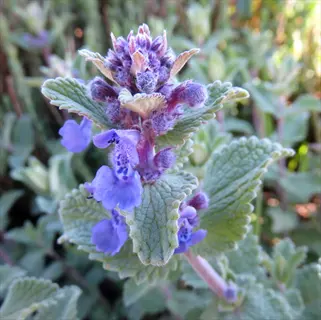
Catmint
- Defense Mechanism: Intensely aromatic foliage contains nepetalactone and other volatile compounds that create a scent barrier rabbits consistently avoid.
- Growing Conditions: Grows in full sun to light shade with average to dry soil, tolerating drought, heat, and poor conditions with remarkable resilience.
- Bloom Period: Lavender-blue flower spikes cover the plant from late spring through fall, especially with regular deadheading to promote continuous blooming.
- Garden Use: Excellent as edging along pathways or as a billowing border plant that softens hard edges while protecting nearby vulnerable plants.
- Hardiness: Extremely adaptable in USDA zones 3 through 8, surviving harsh winters and hot summers without losing rabbit resistant properties.
- Maintenance: Shear back by half after first bloom flush to trigger a fresh wave of flowers and maintain dense aromatic growth.
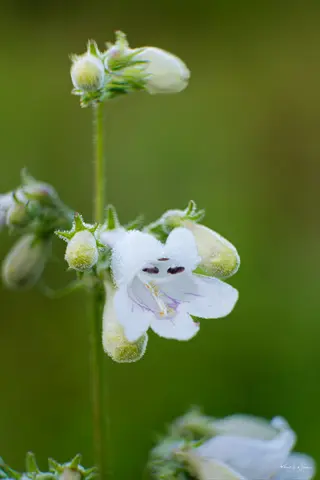
Foxglove
- Defense Mechanism: Contains cardiac glycosides throughout all plant parts that are toxic to rabbits and most mammals, providing reliable protection.
- Growing Conditions: Prefers partial shade with rich, moist soil, though many varieties tolerate full sun in cooler climates with adequate moisture.
- Bloom Period: Tall spires of tubular flowers in pink, purple, white, or yellow bloom in early to midsummer, creating dramatic vertical accents.
- Garden Use: Plant in cottage gardens, woodland edges, or shady borders where rabbit damage often concentrates on hostas and other shade lovers.
- Hardiness: Most varieties perform as biennials or short-lived perennials in zones 4 through 8, self-seeding to maintain garden presence.
- Maintenance: Remove spent flower stalks unless you want self-seeding, and note that all parts are toxic to humans and pets as well.
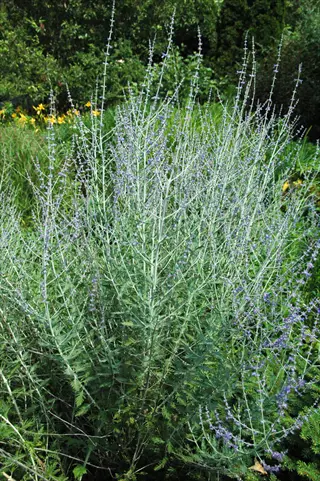
Russian Sage
- Defense Mechanism: Silvery aromatic foliage produces strong sage-like volatile oils that create an intense scent barrier rabbits consistently avoid.
- Growing Conditions: Demands full sun and well-draining soil, thriving in hot, dry conditions where many other plants struggle to survive.
- Bloom Period: Airy lavender-blue flower spikes bloom from midsummer through fall, providing late-season color when many gardens fade.
- Garden Use: Creates a hazy blue backdrop in borders or mass plantings that disguises vulnerable plants while providing rabbit protection.
- Hardiness: Hardy in zones 4 through 9, surviving extreme cold and heat once established with virtually no supplemental watering needed.
- Maintenance: Cut back to six to twelve inches (15 to 30 cm) in early spring to encourage bushy new growth with maximum aromatic oil production.
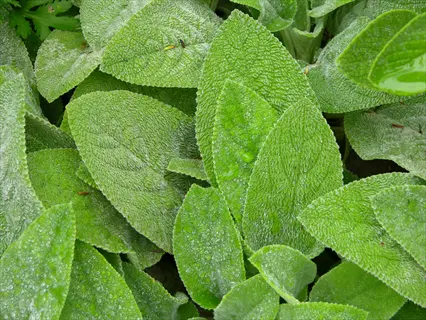
Lamb's Ear
- Defense Mechanism: Thick woolly leaves covered in dense silvery hairs create an unpleasant texture that rabbits strongly dislike eating or even touching.
- Growing Conditions: Prefers full sun with well-draining soil and tolerates drought, though excessive moisture causes crown rot in humid climates.
- Bloom Period: Pink-purple flower spikes appear in early summer, though many gardeners remove them to maintain the attractive foliage carpet.
- Garden Use: Excellent ground cover or border edging that rabbits avoid, creating soft silver contrast while protecting adjacent vulnerable plants.
- Hardiness: Reliable in zones 4 through 8, spreading gently to fill spaces and requiring occasional division to control spread.
- Maintenance: Remove any rotted or damaged leaves promptly and divide clumps every few years to maintain vigorous fuzzy growth.
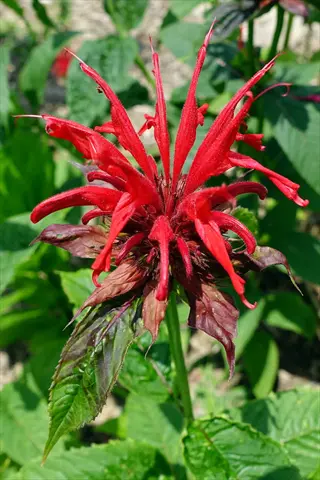
Bee Balm
- Defense Mechanism: Strongly aromatic mint-family foliage produces volatile oils with intense fragrance that overwhelms rabbit senses and deters browsing.
- Growing Conditions: Grows in full sun to partial shade with consistent moisture, though improved air circulation helps prevent powdery mildew issues.
- Bloom Period: Shaggy tubular flowers in red, pink, purple, or white bloom midsummer, attracting hummingbirds and butterflies while repelling rabbits.
- Garden Use: Mass in pollinator gardens or borders where the aromatic properties protect surrounding plants from rabbit damage.
- Hardiness: Native to North America and hardy in zones 3 through 9, with newer varieties offering better disease resistance.
- Maintenance: Divide clumps every few years to maintain vigor and remove spent flowers to encourage reblooming through late summer.
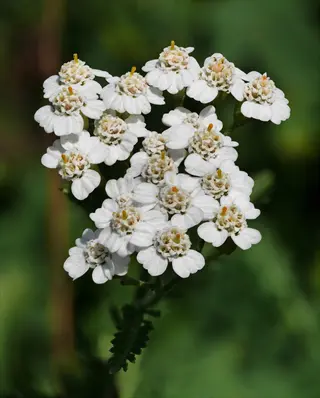
Yarrow
- Defense Mechanism: Feathery aromatic foliage produces strong volatile compounds with a medicinal scent that rabbits find unpalatable and avoid.
- Growing Conditions: Thrives in full sun with poor to average well-draining soil, actually performing better without rich soil or fertilizer.
- Bloom Period: Flat-topped flower clusters in white, yellow, pink, or red bloom from early summer through fall with regular deadheading.
- Garden Use: Naturalize in meadow gardens or use in borders where drought tolerance and rabbit resistance create low-maintenance beauty.
- Hardiness: Extremely adaptable in zones 3 through 9, tolerating heat, cold, drought, and poor soil with minimal care requirements.
- Maintenance: Divide every few years to control spreading and cut back after flowering to encourage fresh aromatic foliage growth.
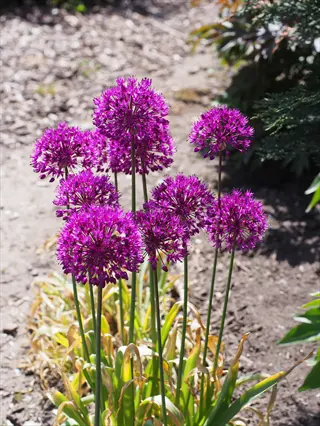
Allium
- Defense Mechanism: Onion-family bulbs and foliage contain sulfur compounds that produce the characteristic pungent smell rabbits consistently avoid.
- Growing Conditions: Requires full sun with well-draining soil, tolerating drought during summer dormancy after spring bloom period ends.
- Bloom Period: Globe-shaped flower heads in purple, white, or pink appear in late spring to early summer, creating architectural interest.
- Garden Use: Interplant with tulips and other vulnerable bulbs to provide protective companions that camouflage and guard against rabbit browsing.
- Hardiness: Most ornamental alliums grow reliably in zones 3 through 8, with some giant varieties reaching impressive heights.
- Maintenance: Allow foliage to die back naturally after blooming and plant bulbs in fall for spring flowers and ongoing rabbit protection.
The flowers rabbits hate the most combine multiple defense mechanisms at once. Lavender has both strong scent and bitter taste. Foxglove is toxic and has textured leaves. Layer these plants together for the strongest protection in your garden beds.
Why Rabbits Avoid Certain Flowers
You might wonder why rabbits avoid plants like lavender but devour your tulips. The answer involves plant defense mechanisms that took millions of years to evolve. Once you know why rabbits skip certain plants, you can pick the right flowers for your garden.
I think of plant defenses like natural armor. Some plants wear chemical shields made of toxins that cause pain. Others produce strong perfume with aromatic oils. A few have fuzzy textures that feel awful to chew. The best toxic plants rabbits avoid use multiple defenses at once.
Young plants stay at risk because they lack built up defenses. Tufts research found that young leaves have not collected enough bitter compounds to stop rabbits. This explains why even tough species get nibbled at first. I learned this the hard way when rabbits ate my new lavender plants.
The table shows you which plant defenses work best against rabbits. Plants with toxic compounds offer the highest protection since rabbits learn fast to stay away. Use aromatic rabbit deterrent plants as borders since their scent blocks access to your other blooms. Fuzzy leaves rabbits hate can fill gaps between your prized flowers.
Rabbit Resistant Perennials
Rabbit resistant perennials give you the best return on your gardening investment. You plant them once and they come back year after year. Iowa State Extension has found over 55 perennials that rabbits leave alone. I sorted the best options by growing conditions so you can pick plants that match your yard.
These deer and rabbit resistant perennials get tougher as they age. First year plants may need some protection while their defenses build up. By year two most perennial flowers rabbits avoid can handle heavy rabbit pressure on their own.
Full Sun Dry Soil Perennials
- Sedum varieties: Stone crop sedums thrive in hot, dry locations with thick waxy leaves that rabbits avoid, requiring virtually no care once established in poor soil.
- Coneflowers (Echinacea): While purple coneflowers sometimes attract rabbits when young, established plants with bristly stems and bitter roots resist browsing effectively.
- Black-eyed Susan alternative - Goldenrod: Unlike black-eyed Susans that rabbits eat, goldenrods provide similar yellow late-summer color with complete rabbit resistance.
- Agastache (Hummingbird Mint): Intensely aromatic foliage and tubular flowers attract pollinators while the strong mint scent repels rabbits throughout the growing season.
- Penstemon varieties: Foxglove beardtongue and other penstemons contain compounds that rabbits avoid, offering vertical flower spikes in various colors.
Full Sun Moist Soil Perennials
- Joe-Pye Weed: This native giant reaches impressive heights with vanilla-scented flowers that butterflies love while rabbits completely ignore the plant.
- Ironweed (Vernonia): Purple late-summer flowers on tall stems provide dramatic vertical accent that rabbits never touch even under heavy population pressure.
- Sneezeweed (Helenium): Daisy-like flowers in warm autumn colors thrive in moist sunny spots where rabbits consistently avoid the bitter-tasting foliage.
- Boneset (Eupatorium): White late-season flowers attract pollinators while rabbits avoid this native plant even when other food sources become scarce.
- Cardinal flower: Despite Tufts study showing some rabbit interest, established plants in consistently moist soil show good resistance over time.
Partial Shade Perennials
- Astilbe: Feathery flower plumes in pink, red, white, or purple brighten shady moist spots while rabbits consistently avoid the slightly fuzzy foliage.
- Bleeding Heart: Delicate heart-shaped flowers contain alkaloids that make the entire plant toxic and completely unappealing to browsing rabbits.
- Hellebore (Lenten Rose): Evergreen foliage and early spring flowers contain toxic compounds that rabbits instinctively avoid even during winter food scarcity.
- Ferns (most varieties): Native ferns like Christmas fern and ostrich fern fill shady spots with texture while remaining completely unpalatable to rabbits.
- Epimedium (Barrenwort): Delicate flowers and heart-shaped leaves create groundcover in dry shade that rabbits ignore throughout the entire growing season.
Deep Shade Perennials
- Wild Ginger (Asarum): Glossy heart-shaped leaves create attractive groundcover in dense shade where rabbits avoid the strongly aromatic roots and foliage.
- Solomon's Seal: Arching stems with dangling white bells thrive in deep shade, containing compounds that make them consistently unpalatable to rabbits.
- Lungwort (Pulmonaria): Spotted leaves and early spring flowers brighten dark corners while the hairy leaf texture deters rabbit browsing attempts.
- Jack-in-the-Pulpit: Unusual hooded flowers and red berries grow in moist shade where rabbits completely ignore this native woodland plant.
- Sweet Woodruff: Fragrant groundcover with tiny white flowers spreads in shade areas that rabbits avoid due to aromatic coumarin compounds.
These long-lived rabbit proof plants save you money and frustration over time. I stopped buying tulips years ago and switched to these reliable perennials. My spring garden now looks great without replanting after rabbit damage each year.
Rabbit Resistant Annuals and Bulbs
Rabbit resistant annuals and bulbs fill the gaps in your garden while perennials get established. Iowa State found that only 7 annuals show good resistance compared to 17 that rabbits love to eat. You need to choose your annual flowers rabbits hate with care.
Spring flowers rabbits avoid matter most because rabbit pressure peaks in early spring. That's when populations surge from winter breeding. Plant rabbit proof bulbs in fall so they're ready to bloom when you need protection most. I always combine daffodils with my tulips now to keep the bunnies away.
Reliable Rabbit Resistant Annuals
- Marigolds: Strong pungent scent from aromatic oils in foliage and flowers makes marigolds effective rabbit deterrents when planted as borders around vulnerable areas.
- Snapdragons: These cottage garden favorites contain compounds rabbits find unpalatable, providing vertical color in sun to partial shade throughout the growing season.
- Ageratum (Flossflower): Fuzzy blue, pink, or white flowers bloom continuously from summer through frost while rabbits consistently avoid the textured foliage.
- Lantana: Aromatic foliage and bright flower clusters in warm climates repel rabbits effectively, though the plant is toxic and should not be planted near children.
- Dusty Miller: Silvery felted foliage provides striking contrast in borders while the fuzzy texture makes it completely unappealing to browsing rabbits.
Spring Bulbs Rabbits Avoid
- Daffodils and Narcissus: Toxic alkaloids throughout the plant make all daffodil varieties completely rabbit proof, even protecting nearby vulnerable bulbs when interplanted.
- Alliums (Ornamental Onions): Sulfur compounds create the pungent onion smell that rabbits strongly dislike, with varieties ranging from small to giant globe types.
- Grape Hyacinths (Muscari): Tiny blue spring flowers naturalize easily in lawns and borders while rabbits completely ignore these reliable early bloomers.
- Snowdrops (Galanthus): Among the earliest spring flowers, snowdrops contain toxic alkaloids that ensure rabbits never disturb these delicate white blooms.
- Fritillaria: Crown imperials and checkered lilies contain alkaloids with an unpleasant musky scent that makes them completely unappealing to hungry spring rabbits.
Summer and Fall Bulbs
- Crocosmia: Arching sprays of orange or red tubular flowers attract hummingbirds while rabbits completely ignore the sword-shaped foliage and corms.
- Ornamental Garlic: Like culinary garlic, ornamental varieties produce sulfur compounds that create effective rabbit deterrence around vulnerable garden areas.
- Autumn Crocus (Colchicum): Fall-blooming flowers emerge without foliage, containing toxic colchicine that makes them poisonous and unappealing to all animals.
- Camassia: Blue or white star-shaped flowers bloom in late spring in moist soil where rabbits consistently avoid these attractive native bulbs.
- Hyacinthoides (Bluebells): English and Spanish bluebells contain toxic compounds throughout, spreading freely in partial shade while rabbits never touch them.
Bulbs Rabbits Frequently Eat
- Tulips: Among the most rabbit-attractive bulbs, tulip shoots, leaves, and flowers are favorites that require protection or companion planting to survive.
- Crocus: Spring crocus flowers and foliage attract rabbits early in the season when food is scarce and population pressure from winter births is high.
- Lilies (Lilium): Oriental, Asiatic, and other true lilies draw rabbit attention with tender shoots that emerge in spring before defenses develop.
- Gladiolus: Sword-shaped leaves and flower spikes attract rabbit browsing, though the corms are typically left undisturbed below ground level.
- Iris (Bearded types): While Siberian iris shows good resistance, bearded iris varieties often suffer rabbit damage to foliage and emerging flower stalks.
The bulbs rabbits do not eat make great companions for your vulnerable favorites. Surround your tulips with daffodils and alliums for natural protection. This simple trick has saved my tulip display for 3 years running now.
Designing a Rabbit Proof Garden
Rabbit proof garden design matters just as much as which plants you pick. You can have the best landscape plants rabbits avoid and still get damage if you place them wrong. I now think of resistant plants as garden infrastructure that guards my prized flowers.
The key to garden layout rabbit protection is layering your defenses. Colorado State research found that what works in one yard may fail in another. That's why smart gardeners use multiple strategies at once. Companion planting rabbits hate combined with border guards gives you backup when one method falls short.
The border plants for rabbits in your design should create a scent barrier at minimum. I ring all my vulnerable beds with catmint now. The aromatic wall of foliage stops most rabbits before they even try to reach my prized flowers inside.
Seasonal Protection Strategies
Seasonal rabbit protection keeps your garden safe all year round. Most gardeners focus on spring and summer but ignore winter rabbit damage when it happens most. Wisconsin Extension found that rabbits eat bark up to 2 inches above snow level in cold months. I lost a prized lilac bush that way before I learned better.
Spring plant protection matters most because that's when new planting protection becomes critical. Young leaves haven't built up their bitter defense compounds yet. Even tough species get nibbled when they first go in the ground. Here's what to do each season to keep rabbits away.
Spring Protection (March to May)
- Highest Risk Period: Spring brings peak rabbit pressure as populations surge from winter breeding and hungry animals target tender emerging growth.
- Protect New Plantings: Even rabbit resistant species remain vulnerable as young plants because leaves have not yet accumulated defensive chemical compounds.
- Temporary Barriers: Use chicken wire cloches or floating row covers over new transplants until plants establish their natural defenses.
- Monitor Daily: Check gardens each morning for overnight damage, as rabbits feed primarily from dusk to dawn during spring months.
- Delay Vulnerable Plantings: Consider postponing tulip and other rabbit-attractive bulb plantings until surrounding resistant plants establish.
Summer Protection (June to August)
- Established Defenses: Mature plants have accumulated maximum defensive compounds, making summer the lowest risk period for rabbit damage.
- Focus on Design: Reinforce border plantings and fill gaps with rabbit resistant annuals to maintain continuous protection barriers.
- Reduce Habitat: Clear brush piles, tall grass, and other cover near gardens that provide rabbit shelter during hot summer days.
- Water Management: Drought stress weakens plant defenses, so maintain adequate watering to keep aromatic oils and compounds strong.
- Late Season Babies: Second and third litters mature by late summer, so remain vigilant as young rabbits learn garden foraging.
Fall Protection (September to November)
- Plant Spring Bulbs: Install daffodils, alliums, and other resistant bulbs in fall to establish protective companions for spring.
- Prepare Woody Plants: Install hardware cloth or commercial tree guards around shrub bases before snowfall conceals lower stems.
- Remove Attractants: Clean up fallen fruit, vegetable debris, and seed heads that attract rabbits to garden areas.
- Strategic Mulching: Apply mulch around vulnerable plants but avoid creating warm sheltered spots where rabbits might nest.
- Assess Damage Patterns: Note which plants suffered most damage during the year to guide winter protection planning.
Winter Protection (December to February)
- Snow Cover Risk: Rabbits browse up to 2 inches (5 cm) above snow level, so deep snow gives access to previously safe branches.
- Bark Damage Season: With herbaceous plants dormant, rabbits target woody plant bark, potentially girdling and killing shrubs.
- Physical Barriers Essential: Hardware cloth cylinders around shrub bases should extend above anticipated snow depth for full protection.
- Reduce Cover: Remove brush piles and dense plantings near gardens that provide winter shelter close to food sources.
- Repellent Limitations: Most repellent sprays become ineffective in freezing temperatures or wash off with winter precipitation.
Young plant rabbit damage troubles even expert gardeners. Your first line of defense is timing your plantings so resistant plants settle in first. I always get my lavender and catmint borders going before I add any tulips nearby.
5 Common Myths
Marigolds completely protect all nearby plants from rabbit damage by repelling them with their scent alone.
While marigolds deter some rabbits, they work best as part of a layered strategy combining multiple resistant plants, and hungry rabbits may still browse nearby vulnerable species.
Once a plant is labeled rabbit resistant, it will never be eaten by rabbits under any circumstances whatsoever.
University research confirms no plant is truly rabbit proof. Factors like population pressure, food scarcity, and regional taste variations mean any plant may be sampled when rabbits have limited options.
Rabbits only cause damage in vegetable gardens and will naturally avoid ornamental flower beds entirely.
Rabbits readily eat many ornamental flowers including tulips, pansies, petunias, and hostas. They cause significant damage to flower gardens, especially during spring growth and winter snow cover.
Commercial rabbit repellent sprays provide permanent protection once applied to garden plants and flowers.
Repellents require reapplication every two to four weeks and after rainfall. Rabbits can also become accustomed to specific repellent brands, requiring rotation between products.
All plants with strong fragrances will automatically repel rabbits from your entire garden area.
While many fragrant plants like lavender and catmint deter rabbits, some strongly scented flowers like phlox and sweet William are actually rabbit favorites that suffer frequent browsing damage.
Conclusion
Building a rabbit resistant garden takes some planning but saves you years of frustration. No plant is truly rabbit proof, but now you know which rabbit proof flowers give you the best chance of success. The key lies in choosing plants with natural defenses that rabbits want to avoid.
Your success comes down to three main tactics. First, pick natural rabbit deterrent plants with proven track records from research. Second, design your bunny proof landscaping with borders and companions. Third, protect spring growth when plants lack built up defenses.
A rabbit resistant garden needs far less work than fixing damage every season. I used to spend hours each spring on repairs. Now my garden takes care of itself because I used resistant flowers from the start.
You have the knowledge to create a beautiful yard that rabbits will pass by. Start with a few proven performers like lavender, catmint, and daffodils. Build out from there as you learn what works best in your specific location. Your rabbit proof flowers will reward you with years of carefree blooms.
External Sources
Frequently Asked Questions
Do coffee grounds keep rabbits away from plants?
Coffee grounds have limited effectiveness as a rabbit deterrent. While the strong scent may temporarily discourage rabbits, the smell fades quickly and rabbits often become accustomed to it. Physical barriers and resistant plants work better.
Are roses rabbit proof?
Roses are not rabbit proof. Young rose shoots and tender new growth attract rabbits, especially in spring. Mature rose bushes with thorny canes fare better, but rabbits can still damage lower portions.
What is a rabbit's worst enemy?
Natural predators including foxes, hawks, owls, and snakes are a rabbit's primary enemies. In gardens, dogs and cats can help deter rabbits, though predator urine products offer a chemical alternative.
What is the best rabbit repellent?
Capsaicin-based repellents (hot pepper sprays) consistently perform well in university trials. Products containing castor oil, ammonium salts, or predator urine also show effectiveness when applied regularly.
What plants should you not put coffee grounds around?
Avoid coffee grounds around acid-sensitive plants including lavender, rosemary, and most Mediterranean herbs. Coffee grounds work better around acid-loving plants like azaleas, blueberries, and hydrangeas.
Will rabbits eat hydrangeas?
Hydrangeas have mixed rabbit resistance. Panicle hydrangeas show better resistance than other varieties. Young hydrangea shoots remain vulnerable, but established plants with woody stems experience less damage.
What will deter rabbits from gardening?
Effective rabbit deterrents include:
- Physical barriers like chicken wire or hardware cloth fencing
- Planting rabbit resistant flowers as border guards
- Applying capsaicin or castor oil repellent sprays
- Removing brush piles that provide rabbit habitat
- Using motion-activated sprinklers
Why do rabbits hate marigolds?
Rabbits dislike marigolds due to their pungent aromatic oils and bitter-tasting compounds. The strong musky scent overwhelms rabbits' sensitive noses, making marigolds a popular companion plant for protection.
Will lavender repel rabbits?
Yes, lavender effectively repels rabbits. The strong essential oils and aromatic compounds in lavender leaves and flowers create an overwhelming scent that rabbits avoid. Lavender works as both a standalone planting and a protective border.
How long does rabbit resistant planting take to establish?
Most rabbit resistant perennials need one to two growing seasons to fully establish their defensive compounds. During the first year, even resistant species remain vulnerable and may need temporary protection with fencing or row covers.