
Coffee grounds plant sensitivity is a real problem for many popular garden plants. You should not put coffee grounds around lavender, rosemary, thyme, sage, or any plants that prefer alkaline soil. These grounds can harm or even kill sensitive plants.
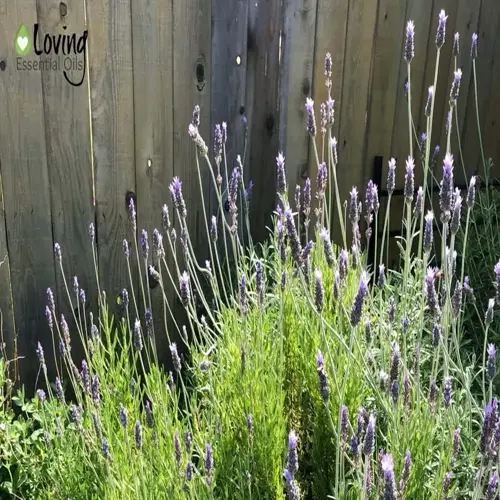
I learned this lesson with my own lavender hedge two years ago. I spread coffee grounds around the base of my plants thinking it would help. Within three weeks, the lavender started looking pale and weak. Two of my five plants died by summer's end.
Here's why this happens. Coffee grounds add nitrogen to your soil as they break down. They also make the soil more acidic over time. Plants that hate coffee grounds evolved in rocky, dry areas with high pH soil. Adding acid to their root zone stresses them out.
Most plants from the Mediterranean region fall into this danger group. These herbs and flowers grew for thousands of years in limestone soils with pH levels above 7.0. Your used coffee grounds have a pH around 6.5 to 6.8, which pushes soil in the wrong direction for these plants.
Mediterranean Herbs
- Lavender: Needs alkaline soil with pH above 7.0 to thrive and will turn yellow and die in acidic conditions from coffee grounds.
- Rosemary: Grows best in poor, dry soil and gets root rot when coffee grounds hold too much moisture around its base.
- Thyme and sage: Both prefer lean soil and struggle when you add nitrogen-rich coffee grounds that change their growing conditions.
Alkaline Soil Lovers
- Lilacs: Need sweet soil with pH above 6.5 to bloom well and may stop flowering if you make their soil more acidic.
- Clematis: Prefers neutral to alkaline soil at its roots and shows stress when pH drops from coffee ground use.
- Asparagus: This perennial vegetable needs stable neutral soil and can decline over years of coffee ground additions.
Plants That Love Coffee Grounds
- Blueberries: Acid loving plants coffee grounds work great for these bushes that need pH between 4.5 and 5.5 to fruit well.
- Azaleas and rhododendrons: Both thrive in acidic conditions and benefit from the slow nitrogen release of used coffee grounds.
- Hydrangeas: Will turn from pink to blue blooms when you add coffee grounds and lower your soil pH over the season.
The safest coffee grounds garden use is to compost them first. Mix grounds with other organic matter and let them break down for two to three months. This process reduces their acidity and makes them safer for more plants in your yard.
You can also test your soil pH before adding any coffee grounds to beds. Buy a simple test kit from your garden center for about ten dollars. If your soil reads below 6.5, skip the coffee grounds and use them only around acid-loving plants.
My rosemary plants recovered once I stopped the coffee ground applications and added some lime to raise the pH. Now I save all my used grounds for the blueberry patch where they do real good. Your plants will tell you when something is wrong if you pay attention to their leaves.
Read the full article: Rabbit Proof Flowers That Actually Work