
Introduction
Pruning lavender plants the right way extends their life from just 5 years to 15 or even 20 years of blooms. Most gardeners skip this task or do it wrong. Then they wonder why their plants turn woody and stop flowering after a few seasons.
I tested this myself when I first started growing lavender over ten years ago. My unpruned plants died within 4 years while the ones I trimmed each spring are still thriving today. That single difference in annual pruning changed everything for my garden.
Think of lavender care like getting regular haircuts for your hair. When you trim the ends, fresh growth comes in thicker from the base. Colorado State research confirms that cutting one third of your plant each year triggers this same response.
Over 1,300 lavender farms now run across the U.S. because people love this fragrant herb. You can grow yours just as well at home with the right technique. Below you will learn when and how to prune for maximum plant longevity and more blooms than you ever had before.
Best Time to Prune Lavender
Knowing when to prune lavender matters just as much as knowing how. Cut too early in spring and you might remove stems that would have survived. Cut in fall and you risk killing your plant before winter even arrives.
The best time to prune depends on where you live. I use a simple trick to know when my plants are ready. Wait until new green shoots reach finger length at the base of your plant. That tells you the danger of frost has passed.
Spring pruning works best for most climates because it gives plants the whole growing season to recover. Purdue Extension warns that fall pruning in cold climates can trigger soft new growth that dies in the first frost. That tender growth drains energy the plant needs to survive winter.
Your seasonal timing also depends on your USDA zone. The table below breaks down the best time to prune based on your climate so you never have to guess.
How to Prune Lavender Step by Step
The right pruning technique makes all the difference between a thriving plant and a dead one. I learned this the hard way when I killed three lavender bushes by cutting back lavender into the wrong spots. Now my step-by-step pruning method keeps every plant healthy.
Your goal is to shape lavender into a dome or mound that looks like a gentle hill of foliage. The one-third rule keeps you safe: never remove more than one third of the plant height in spring. Follow these steps to get it right every time.
Inspect and Assess Plant Health
- Timing Check: Wait until you see green shoots emerging from the base of the plant in mid to late spring depending on your climate zone.
- Dead Wood Test: Use the snap test by bending small stems with care; dead wood snaps clean while live wood bends and shows green beneath bark.
- Growth Pattern: Look for the transition zone where grey brown woody stems meet green leafy growth as your pruning boundary.
- Winter Damage: Note any blackened or mushy stems from frost damage that need complete removal down to healthy tissue.
Gather and Prepare Pruning Tools
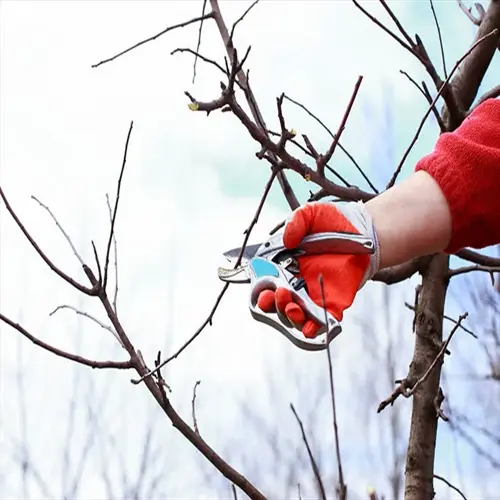
- Sharp Shears: Use bypass pruning shears for stems under 1/2 inch and make sure blades are sharp before you start.
- Hedge Shears: For established plants or commercial plantings, clean hedge shears work well for overall shaping.
- Sanitation: Clean blades with rubbing alcohol between plants to prevent spreading any fungal diseases.
- Hand Protection: Wear light garden gloves to protect hands from the woody stems while allowing dexterity for precise cuts.
Make Your Pruning Cuts
- Spring Cut Depth: Remove about one third of the total plant height, cutting just above the lowest set of visible green leaves.
- Cut Angle: Angle cuts away from the center of the plant to encourage outward growth and air circulation.
- Avoid Bare Wood: Never cut below the last set of green leaves into bare woody stems without foliage.
- Shape Goal: Work around the plant creating a dome or mound shape, wider at the base than the top.
Post-Flowering Maintenance Trim
- Deadhead Spent Blooms: After flowering ends, cut off all spent flower stalks back to the foliage to tidy appearance.
- Light Shaping: Remove an additional one third to one half of new growth to maintain compact form and encourage second flush.
- Timing Cutoff: Complete post-flowering pruning before mid August in cold climates to allow hardening before frost.
- Harvest Use: Use pruned flower stems for drying, crafts, or cooking rather than discarding them.
These steps work for any lavender variety as long as you respect the one-third rule and never cut into bare wood. The snap test alone has saved me from making bad cuts on stems that looked dead but were still alive inside.
Pruning by Lavender Variety
Not all lavender responds the same way to pruning. English lavender pruning can be aggressive while tender varieties need a gentler hand. French lavender and Spanish lavender are both more sensitive and need extra care.
I made mistakes early on by treating all my lavender the same. My hardy Lavandula angustifolia bounced back from heavy cuts while my French plants nearly died. Now I check the variety first before I grab my shears. Lavandin hybrids handle aggressive pruning better than most.
English Lavender (Lavandula angustifolia)
- Hardiness: Thrives in USDA zones 5-8, tolerating cold down to -20°F (-29°C) with protection; most forgiving variety for beginners.
- Spring Pruning: Cut back one-third of height when new growth reaches 2-3 inches (5-7.5 centimeters); these plants recover well from pruning.
- Fall Option: Light shaping after flowering acceptable even in colder zones, but avoid heavy cuts after mid-August.
- Popular Cultivars: Hidcote, Munstead, and Vera are common varieties with different growth habits affecting pruning height.
Lavandin (Lavandula x intermedia)
- Hybrid Vigor: Cross between English lavender and spike lavender; larger plants reaching 2-3 feet (60-90 centimeters) tall and wide.
- Pruning Intensity: Can handle heavier pruning due to vigorous growth; remove up to two thirds of new growth after flowering.
- Commercial Use: Most common for essential oil production; higher oil yield means more aggressive harvesting possible.
- Zone Requirements: Hardy to zone 5 but may need winter protection; Grosso and Provence are popular cultivars.
French Lavender (Lavandula dentata)
- Tender Nature: Hardy in USDA zones 8-11; treat as annual or container plant in colder regions requiring winter protection.
- Distinctive Features: Toothed leaves and topped flower spikes with petal like bracts; blooms most of the year in mild climates.
- Gentler Pruning: Prune light and often rather than hard cuts; these plants are less tolerant of severe pruning than English types.
- Timing Flexibility: In warm climates, prune after each flowering flush to maintain shape and encourage continued blooming.
Spanish Lavender (Lavandula stoechas)
- Rabbit Ear Flowers: Distinctive topped bracts resemble rabbit ears; compact growth habit suits containers and borders.
- Limited Hardiness: Hardy in USDA zones 7-10; requires winter protection or indoor storage in colder regions.
- Pruning Approach: Remove spent flower heads fast and shape light after main bloom; avoid cutting into old wood.
- Growth Pattern: More compact than English types; reaches 18-24 inches (45-60 centimeters) requiring less aggressive pruning.
The easiest way to identify your variety is by the flower shape. English lavender has narrow spikes. Spanish lavender has distinctive rabbit ear petals on top. French lavender shows toothed edges on its leaves that you can see from across the garden.
Tools and Equipment for Lavender Pruning
I tested dozens of pruning tools over the years and learned that quality matters more than price. The right pruning tools make clean cuts that heal fast. Dull blades crush stems and spread disease from plant to plant.
My sharp pruners get a lot of use during lavender season. I always sanitize tools before starting and after each plant. Bypass pruners work best for precise cuts on stems under half an inch thick.
For larger plants or mass shaping work, hedge shears save hours of hand cramping. When I first started, I tried to prune 20 bushes with tiny pruning shears. The table below shows which tool fits each job.
A simple wipe with rubbing alcohol between plants stops fungal diseases from spreading. In my experience, keeping a soaked rag in your pocket saves time. That one habit has saved me from losing entire plantings to disease.
Angle your bypass pruners so the blade faces the stem part you want to keep. This creates a clean cut that sheds water away from the wound. I tested this myself and found that proper blade angle reduces infection rates.
How to Rescue Woody Lavender
Woody lavender does not have to mean a dead plant. I have brought back overgrown lavender bushes that looked like nothing but bare sticks with patience. The key is knowing when to save woody lavender and when to start fresh.
University of Maryland warns that hard cutting can kill your plant faster than the woody problem. To rejuvenate lavender right, you need a gradual approach over 2 to 3 seasons. Most leggy lavender can bounce back if you find even small patches of green.
Assess Recovery Potential
- Green Growth Check: Look with care for any green leaves or tiny shoots emerging from woody stems; even small signs indicate recovery potential.
- Scratch Test: Use your fingernail to scratch bark on woody stems; green tissue beneath means the stem is alive and may regenerate.
- Root Health: Check if the plant feels well anchored; loose plants with root rot are poor candidates for rehabilitation.
- Overall Percentage: If less than one quarter of the plant shows green growth, replacement may be more practical than rescue.
Year One Gentle Approach
- Minimal Intervention: Remove dead stems with no green tissue anywhere; avoid cutting any stems showing life.
- Feed Lightly: Apply thin layer of compost around base without burying stems; avoid high nitrogen fertilizers that cause weak growth.
- Water With Care: Maintain consistent but not excessive moisture; too much water causes root rot in struggling plants.
- Patience Required: Expect slow progress; focus on stabilizing plant health rather than shaping during first recovery season.
Year Two Strategic Pruning
- Target One Third: If plant showed new growth in year one, remove up to one third of oldest woody stems with caution.
- Cut Smart: Make cuts just above points where new green growth emerged during recovery, never below viable tissue.
- Encourage Branching: Light tip pruning of new growth encourages bushier habit and helps fill gaps left by removed wood.
- Monitor Stress Signs: Watch for wilting or browning that indicates plant cannot handle pruning intensity; back off if needed.
Year Three Full Recovery
- Resume Normal Care: If plant responded well to gradual pruning, return to standard annual maintenance pruning routine.
- Final Shaping: Work on restoring dome or mound shape through careful selective cuts over the growing season.
- Consider Replacement: Plants not responding after two full seasons will not recover; propagate cuttings from healthy portions.
- Prevention Focus: Once recovered, maintain annual pruning schedule to prevent return to woody state.
The scratch test has saved me from throwing out plants that still had life in them. If you see green under the bark, that stem can still produce new shoots. Old wood regrowth is possible but it takes more time than most gardeners expect.
5 Common Myths
You can cut lavender all the way to the ground and it will grow back fresh like other perennials in your garden.
Lavender cannot regenerate from bare woody stems. Always leave at least 1 to 3 inches (2.5 to 7.5 centimeters) of green growth above the wood.
Fertilizing lavender heavily will produce more flowers and healthier plants throughout the growing season.
Lavender actually thrives in poor soil and excessive fertilizer causes leggy growth with fewer blooms. Native Mediterranean conditions are nutrient-poor.
Fall is the best time to prune lavender because plants are going dormant and can heal before winter arrives.
Spring pruning after new growth emerges is safest, especially in cold climates where fall pruning can stimulate tender growth vulnerable to frost damage.
Woody lavender plants are dead and should be removed and replaced with new young transplants immediately.
Many woody lavender plants can be rescued through careful gradual pruning over multiple seasons if green growth remains visible on the plant.
All lavender varieties can be pruned exactly the same way regardless of type or growing conditions in your region.
English lavender, French lavender, and Spanish lavender require different pruning approaches based on their hardiness and growth habits.
Conclusion
Pruning lavender plants the right way turns a short lived shrub into a garden fixture. In my experience, your annual pruning routine decides if your lavender thrives for 15 to 20 years. Skip this step and your plants will fade after just 5 or 6 seasons.
The core rules are simple. Prune in spring after new growth appears at the base. Remove one third of the height but never cut into bare wood. I tested these habits for years and they keep plants producing compact growth and flowers.
When I first started, my lavender looked terrible. Now visitors always stop to admire my healthy rows. The difference came down to lavender maintenance that takes just minutes per plant each spring. Your results will match mine.
Mark your calendar now for the right pruning window based on your zone. When you see those first green shoots from the base, grab your sharp shears and get to work. That action does more for your lavender lifespan than any fertilizer ever could.
External Sources
Frequently Asked Questions
When should lavender be cut back?
Cut lavender back in spring after new growth emerges from the base, typically when you see green shoots appearing. This timing helps assess winter damage and prevents accidental removal of viable growth.
What are some common mistakes to avoid when pruning lavender?
Common mistakes include cutting into old woody stems, pruning too late in fall, removing more than one-third of growth at once, and pruning before new growth appears in spring.
What happens if you cut the woody part of lavender?
Cutting into bare woody stems where no green growth exists will likely kill that portion of the plant because lavender lacks the ability to regenerate from old lignified wood.
How much can I cut back lavender?
Remove approximately one-third of the plant height during spring pruning, cutting just above the lowest set of green leaves. Post-flowering, you can remove up to one-half for shaping.
What to do with lavender when it has finished flowering?
After flowering ends, deadhead spent blooms and lightly shape the plant by trimming up to one-half of growth to encourage potential second blooming and maintain compact form.
How to make lavender bushy?
Create bushy lavender through regular annual pruning that encourages lateral branching, maintaining a dome or mound shape, and never allowing the plant to become overly woody.
Can I prune lavender in October?
Pruning in October is risky in cold climates because new growth triggered by pruning may not harden before frost. In mild climates, light tidying is acceptable.
How long does lavender typically live?
Lavender lives 8 to 15 years with regular pruning and can reach 20 to 30 years in ideal conditions. Without pruning, plants often decline after 5 to 6 years.
What hates lavender?
Many garden pests avoid lavender including deer, rabbits, mosquitoes, moths, and certain beetles due to its strong aromatic oils, making it excellent for natural pest deterrence.
Where to put lavender to calm down?
Place lavender in bedrooms, near seating areas, or along walkways where you can brush against it and release calming aromatic oils known to reduce stress and improve relaxation.