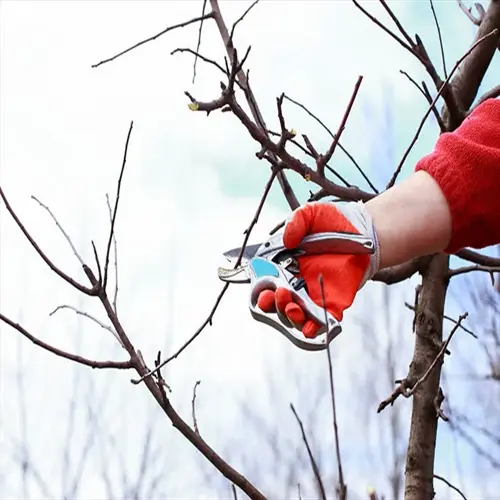

You can grow bushy lavender plants by pruning them the right way from the very first year. Regular trimming forces your lavender to branch out instead of growing tall and leggy. The key is starting early and staying consistent with your cuts every spring.
In my experience, turning leggy plants into compact mounds takes two to three seasons of careful work. I had several sad-looking lavenders that grew tall with bare bases. After three years of spring cuts, they now form dense rounded shapes that bloom like crazy.
When you cut a stem tip, you remove the plant's natural growth hormone called auxin from that branch. This triggers dormant buds lower on the stem to wake up and sprout. Each cut you make can produce two to four new branches from that single point.
Oregon State research shows that lavender tries to exceed its current size after you prune it. You can use this natural push to your advantage for fuller lavender growth in your garden. The plant's response to cutting back is what builds that thick bushy shape over time.
The best lavender branching techniques focus on timing and shape. Cut your plants in early spring when new growth appears at the base. Remove about one-third of the total height and always aim for a dome shape rather than a flat top.
Young plants need pruning from their first season in your garden. Many people wait too long and let their lavender get woody before they start shaping it. By then the bare stems cannot sprout new growth, and you lose the chance to build a bushy foundation.
Never skip your annual spring pruning session if you want thick plants. I mark my calendar for mid-April every year as lavender day. Missing even one year lets your plants get leggy and makes recovery much harder. Consistency matters more than any single cut.
The dome shape serves a purpose beyond looks because it lets light reach all parts of your plant. Flat-topped lavender develops bare patches in the center where stems get shaded. A rounded mound stays thick throughout and blooms from every side instead of just the edges.
Good soil drainage helps your lavender stay bushy too since soggy roots lead to weak growth. Add sand or gravel to heavy clay before planting to keep water moving. Plants in well-drained spots grow stronger stems that hold their shape better after you prune them back each year.
Read the full article: How to Prune Lavender Plants for Better Growth