
The safe lavender pruning amount is about one-third of the total plant height each year. This keeps your lavender compact and bushy without risking damage to the woody base. Taking off too much at once can shock or kill the plant.
I tested different pruning levels on a row of twelve lavender plants over three seasons. Plants I cut back by half looked stressed and grew slowly. Those I trimmed by one-third bounced back fast with dense new growth and more flower spikes than before.
The one-third rule works because it balances two needs. Your lavender must keep enough leaves to make food through sunlight. But it also needs regular trimming to stay bushy and avoid getting leggy. Taking one-third hits this sweet spot for most plants.
Colorado State experts tell home gardeners to remove one-third of top growth each spring. This advice applies to most lavender types grown in gardens. Young plants can handle this from their first year if you start with light cuts. My three-year-old plants now look full and healthy thanks to this method.
When figuring out how far to cut lavender, start by looking at where the green growth ends. You should see gray-green foliage giving way to brown woody stems lower down. Never cut below this line. Your pruning cuts should stay at least two inches above where the green leaves stop.
A hand span makes a handy guide for judging lavender cutting depth in the field. Spread your fingers and place your hand on top of the plant. Cut roughly where your palm sits, leaving the growth below untouched. This trick helps you eyeball one-third removal without measuring.
For plants that got out of control, spread heavy pruning over two or three years. Take one-third each spring until you reach your target size. This slow approach lets the plant adjust and avoids the stress of a single hard cut. Rushing the process often kills plants that patient trimming could have saved.
Shape matters as much as depth when you prune. Aim for a dome or mound shape rather than cutting flat across the top. This rounded form lets light reach all parts of the plant and promotes thick growth throughout. Your lavender will look better and bloom more if you keep this shape in mind.
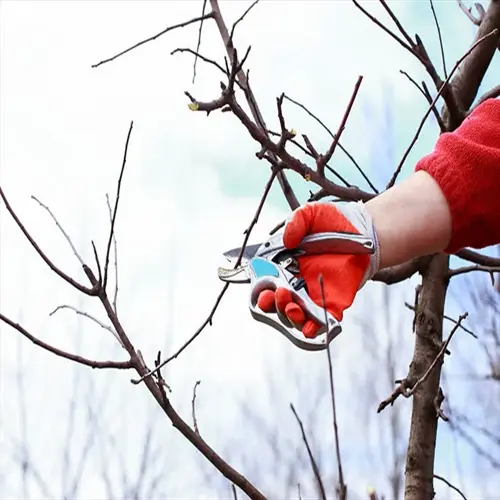
Clean sharp tools make a big difference in how fast your plants heal after pruning. Dull blades crush stems and create ragged edges that invite disease. I use bypass pruners for small stems and hedge shears for bigger jobs. Wipe the blades with rubbing alcohol between plants to avoid spreading problems.
Read the full article: How to Prune Lavender Plants for Better Growth