
Rabbit resistant plant establishment takes one to two full seasons to complete. Your plants need this time before they can protect themselves. Even the most rabbit-proof species need extra care when young. Don't expect instant results from new plantings.
I learned this lesson with my first catmint border three years ago. The plants came from a nursery with tags saying "rabbits won't touch them." But the rabbits ate half my new plants that first spring before I added wire cages. The next year those same plants stayed untouched.
Young plant vulnerability happens because new growth lacks the defenses of mature plants. Tufts research shows that young leaves have far fewer protective compounds than older ones. Your plants need time to build up the oils and bitter chemicals that repel rabbits.
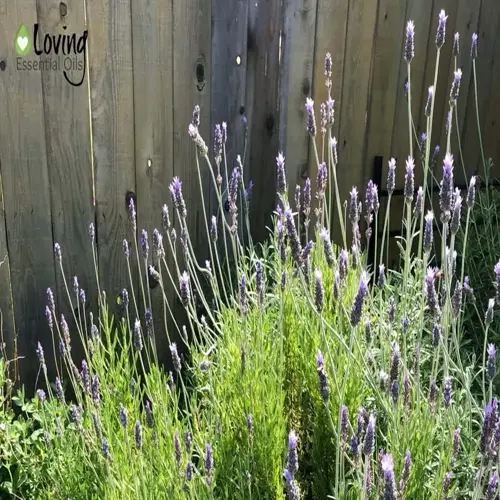
This explains why your new lavender or sage gets nibbled even though full-grown plants never do. The aromatic oils take time to reach full strength. Rabbits can tell the difference and target weak new growth first.
Your new plant rabbit protection should start on planting day. Wrap each new transplant in a chicken wire cage before you even remove the pot. This prevents that first nibble that can set a plant back weeks or kill it.
Make your cages at least eighteen inches tall and bury the bottom edge two inches deep. Use one-inch mesh so baby rabbits can't squeeze through. Leave enough room inside for the plant to grow without touching the wire.
You can also establish rabbit proof garden beds using row covers during year one. Floating fabric lets light and water through while keeping rabbits out. It's faster to set up than cages if you have lots of new plants to protect.
By year two, most plants show big improvement. My second-year lavender plants pumped out enough scent to deter casual browsing. I still lost a few nibbled leaves after winter but nothing major. The plants recovered fast.
Year three is when you can finally relax. Your plants now have thick woody stems and full-strength oils. Rabbits will test them once or twice and then move on to easier food. I haven't lost a plant after year three in my own garden.
Some plants mature faster than others. Marigolds reach full protection in their first season since they're annuals that grow fast. Perennials like lavender and catmint take longer because they build up over multiple years. Plan your protection around each plant's needs.
Read the full article: Rabbit Proof Flowers That Actually Work