
Roses are not rabbit proof, and roses rabbit damage can ruin your garden in a single night. Rabbits love tender new growth on rose bushes, and they'll chew through young canes faster than you'd expect.
I learned this the hard way my first spring with a new rose bed. I had planted six bare root roses the previous fall and looked forward to their first blooms. One morning I walked outside to find every single new shoot chewed down to stubs. The rabbits had feasted while I slept.
Mature rose bushes have thick woody stems covered in thorns. These older canes give roses some natural armor against nibbling critters. But that soft green growth that appears each spring has no thorns yet. Rabbits target these tender shoots because they're easy to eat and packed with moisture.
Young rose plants face the biggest risk since they haven't built up woody defenses. A newly planted rose might only have soft green stems for its entire first year. This makes it an easy target from spring through fall.
To protect roses from rabbits, you need physical barriers during the first few years. Chicken wire cages work best for young plants. Make the cage at least two feet tall and bury the bottom four to six inches into the soil. Rabbits can dig, so that buried portion matters.
Chicken Wire Cages
- Size specs: Build cages at least two feet tall and eighteen inches wide to give your rose room to grow inside the barrier.
- Installation tip: Bury the bottom edge four to six inches deep so rabbits can't dig underneath your protection.
- Removal timing: You can take cages off after two to three years once your rose develops thick thorny stems at the base.
Companion Planting
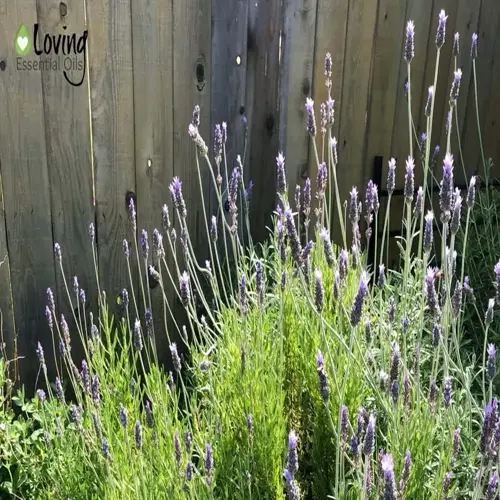
- Best plants: Ring your rose beds with lavender, catmint, or sage since rabbits hate the strong scent of these herbs.
- Spacing guide: Plant your companions twelve to eighteen inches from the rose base to create a scent barrier without crowding.
- Bonus benefit: These plants attract pollinators that also help your roses produce more blooms throughout the season.
Winter Stem Guards
- Why you need them: Rabbits chew rose bark in winter when other food runs short and can kill stems by girdling them.
- Material choice: Use plastic tree guards or hardware cloth wrapped loosely around the base of each rose bush.
- Height needed: Protect at least eighteen inches of stem since rabbits can reach higher when snow packs down around plants.
Creating a rabbit proof rose garden takes some planning but pays off with healthy plants. I now surround all my rose beds with a border of lavender and catmint. The strong scent confuses rabbits and they tend to hop right past.
Commercial repellent sprays add another layer of rose bush protection. Look for products with capsaicin or castor oil. Spray your roses every two to three weeks and always reapply after rain washes the product away.
Your roses will need less protection as they mature and develop tough thorny stems. Most bushes reach this stage by their third or fourth year in the ground. Until then, keep those barriers up and your roses will reward you with beautiful blooms instead of becoming rabbit food.
Read the full article: Rabbit Proof Flowers That Actually Work