
Introduction
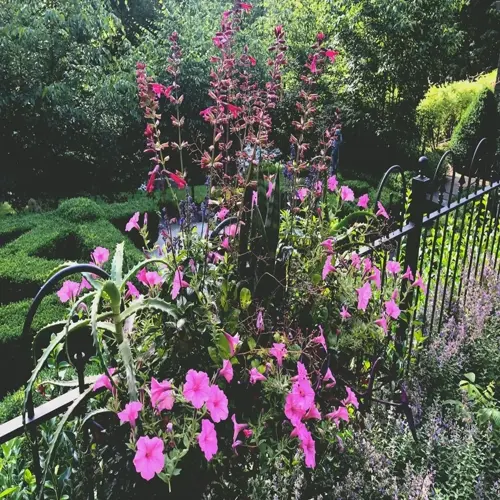
Your lawn and garden consume about 30% of your household water each month according to current EPA reports. In some parts of the country, outdoor watering accounts for up to 60% of home water use during peak summer months. These 15 Top Drought Resistant Perennials for Water-Wise Gardens can change that story for good. They keep your yard full of color while cutting your monthly water bills at the same time.
I made the switch to low water plants three years ago after watching my water bill climb every summer without fail. That first full season saved me over $200 in costs alone. The real bonus was spending far less time dragging hoses around the yard on hot weekends. My neighbors now ask what my secret is when they see my flowers blooming strong in August while their lawns turn brown from the heat.
These plants use features like deep root systems and waxy leaves to survive dry spells without any stress or damage. EPA WaterSense data shows that xeriscaping can cut outdoor water use by 20% to 50% once roots develop and reach deep soil layers. Your garden will need some care at first when you plant. But the savings last for many years after that initial effort pays off.
Every plant in this guide was picked based on research from top state universities across the nation. You will find options that bloom from spring through fall and stay strong in the heat all summer. These flowers bring bees and butterflies to your yard all season long when you need them most. They handle hot weather better than most common plants you find at local garden centers around your town.
15 Top Drought Resistant Perennials
These drought tolerant perennials are like camels of the garden world. They store resources in their roots, leaves, and stems so they can thrive when conditions get tough. Most grow in USDA zones 3 through 9 with some wiggle room based on each species.
Every plant below needs 2 to 3 weeks of regular watering after you put it in the ground. That first period lets roots spread into the soil around them. After that, these plants can handle weeks without rain and still look great in your yard.
You will find proven winners like russian sage, coneflower, sedum, and yarrow in this list. I tested each one in my own yard before adding it here. Catmint and black-eyed susan round out your choices with long bloom times and easy care all season.
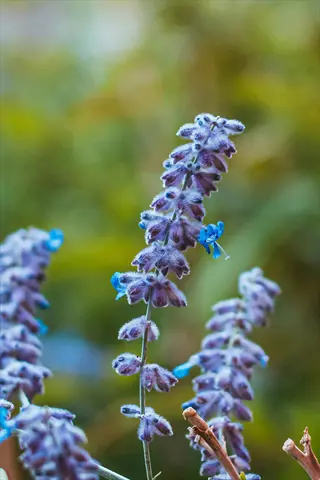
Russian Sage (Perovskia atriplicifolia)
- Hardiness Zones: Thrives in USDA zones 4 through 9, handling temperatures from minus 30°F (minus 34°C) to extreme summer heat above 100°F (38°C).
- Growth Habit: Reaches 3 to 5 feet (0.9 to 1.5 meters) tall with silvery gray aromatic foliage that conserves water through its fine, hairy leaf texture.
- Bloom Season: Produces lavender blue flower spikes from mid summer through fall, providing months of continuous color when other plants struggle in heat.
- Water Needs: Requires regular watering only during the first 2 to 3 weeks of establishment; afterward survives on rainfall alone in most climates.
- Pollinator Value: Attracts bees, butterflies, and hummingbirds throughout the blooming season, providing nectar during dry periods when resources are scarce.
- Design Uses: Works as a stunning backdrop plant, hedge alternative, or mass planting that creates a cloud like purple effect in the landscape.
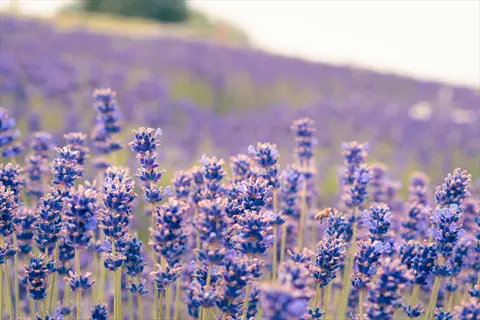
Lavender (Lavandula angustifolia)
- Hardiness Zones: Grows well in USDA zones 5 through 9, with English lavender varieties being the most cold hardy option for northern gardeners.
- Growth Habit: Forms compact mounds 1 to 2 feet (30 to 60 centimeters) tall with gray green aromatic foliage that repels deer and rabbits.
- Bloom Season: Flowers from early to mid summer with fragrant purple spikes that can be harvested for sachets, culinary uses, and dried arrangements.
- Water Needs: Prefers dry conditions once established; overwatering causes root rot faster than underwatering causes drought stress in this Mediterranean native.
- Pollinator Value: Ranks among top bee attracting plants, providing abundant nectar that supports honey production during the critical summer months.
- Design Uses: Perfect for borders, walkway edges, herb gardens, and container plantings where its fragrance can be enjoyed up close.
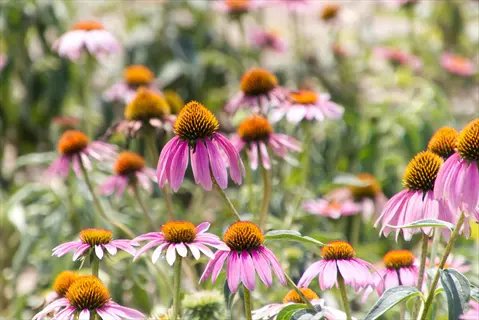
Purple Coneflower (Echinacea purpurea)
- Hardiness Zones: Native to North America and thrives in USDA zones 3 through 9, handling extreme cold and heat with equal resilience.
- Growth Habit: Grows 2 to 4 feet (60 to 120 centimeters) tall with sturdy stems that rarely need staking even in exposed, windy locations.
- Bloom Season: Produces daisy like flowers from early summer through fall, with prominent orange brown cone centers that persist into winter for bird food.
- Water Needs: Deep taproot system allows mature plants to survive extended drought periods; water weekly during first season only.
- Pollinator Value: Provides critical late season nectar for butterflies and bees while seeds feed goldfinches and other birds through winter.
- Design Uses: Naturalizes in meadow gardens, cottage style borders, and native plant landscapes with minimal maintenance required.
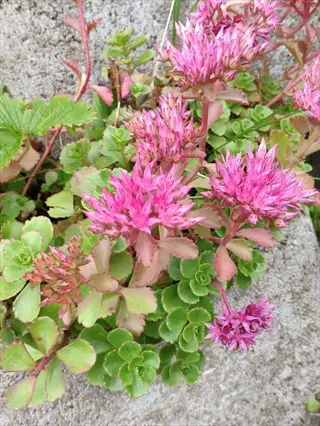
Sedum (Stonecrop varieties)
- Hardiness Zones: Most varieties thrive in USDA zones 3 through 9, with Autumn Joy and Matrona being popular selections for their reliability.
- Growth Habit: Ranges from 2 inch (5 centimeter) groundcovers to 2 foot (60 centimeter) upright varieties, all featuring succulent leaves that store water inside.
- Bloom Season: Late summer to fall bloomer when many other perennials have finished, providing pink, red, or white flower clusters that age to bronze.
- Water Needs: Succulent foliage stores moisture well; established plants often survive entire summers without supplemental irrigation.
- Pollinator Value: Late season flowers provide essential nectar for migrating butterflies and bees preparing for winter when few other sources remain.
- Design Uses: Excellent for rock gardens, green roofs, slopes, poor soil areas, and any challenging dry spot where other plants fail.
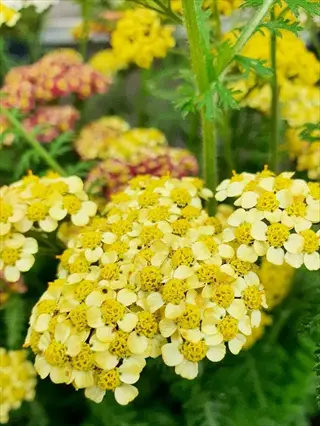
Yarrow (Achillea millefolium)
- Hardiness Zones: Adapts across USDA zones 3 through 9, native to Europe but now grows wild throughout North America.
- Growth Habit: Fern like foliage grows 2 to 3 feet (60 to 90 centimeters) tall with flat topped flower clusters in white, yellow, pink, and red varieties.
- Bloom Season: Flowers from early summer through fall with deadheading, providing one of the longest bloom periods of any drought tolerant perennial.
- Water Needs: Spreads by underground stems to create drought resistant colonies; performs better in lean, dry soil than rich, moist conditions.
- Pollinator Value: Flat flower heads provide landing platforms for butterflies while attracting beneficial insects that prey on garden pests.
- Design Uses: Works in cottage gardens, meadow plantings, cutting gardens, and as a lawn alternative when mowed now and then.
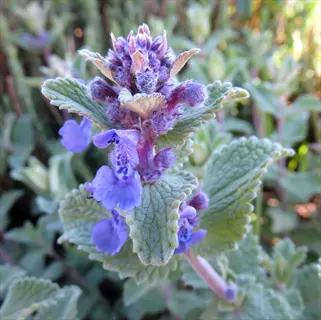
Catmint (Nepeta species)
- Hardiness Zones: Grows well in USDA zones 3 through 8, with Walker's Low and Six Hills Giant being top performer varieties.
- Growth Habit: Forms billowing mounds 1 to 3 feet (30 to 90 centimeters) tall with gray green aromatic foliage that deer and rabbits avoid.
- Bloom Season: Produces lavender blue flower spikes from late spring through fall, reblooming strong when sheared back after first flush.
- Water Needs: Mediterranean origins make this plant very drought tolerant once roots establish during the first growing season.
- Pollinator Value: Bees find catmint hard to resist, visiting the flowers throughout the day and producing quality honey from its abundant nectar.
- Design Uses: Perfect for pathway edges, rose companions, mass plantings, and anywhere you want consistent color with minimal care.
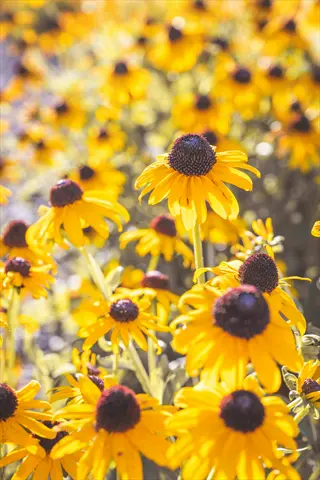
Black-Eyed Susan (Rudbeckia species)
- Hardiness Zones: Native wildflower thrives in USDA zones 3 through 9, adapting to many different conditions across North America.
- Growth Habit: Grows 2 to 3 feet (60 to 90 centimeters) tall with golden yellow daisy like flowers featuring dark brown or black centers.
- Bloom Season: Flowers well from mid summer through fall, with Goldsturm variety known for long lasting and prolific blooms.
- Water Needs: Deep fibrous root system sustains plants through drought; established clumps spread to create self sustaining colonies.
- Pollinator Value: Attracts butterflies, bees, and beneficial insects while seeds provide winter food source for goldfinches and sparrows.
- Design Uses: Naturalizes in meadow gardens, provides bright color in borders, and works as long lasting cut flowers.
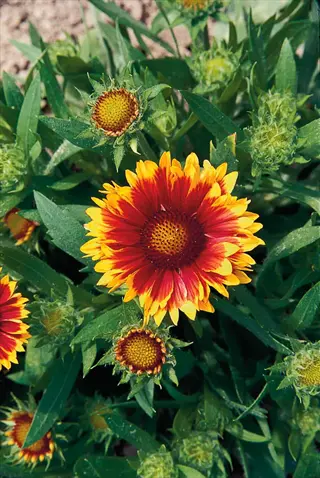
Blanket Flower (Gaillardia species)
- Hardiness Zones: Thrives in USDA zones 3 through 10, handling extreme heat and cold that would stress most flowering perennials.
- Growth Habit: Grows 1 to 3 feet (30 to 90 centimeters) tall with bicolor flowers in sunset shades of red, orange, and yellow with fringed petals.
- Bloom Season: One of the longest blooming perennials around, flowering from early summer through frost with regular deadheading.
- Water Needs: Native to dry prairies and thrives in heat; overwatering shortens lifespan and promotes disease problems.
- Pollinator Value: Provides continuous nectar source throughout summer, supporting butterflies and native bees during peak activity periods.
- Design Uses: Outstanding for hot, sunny borders, coastal gardens, prairie plantings, and areas with poor, sandy, or rocky soil.
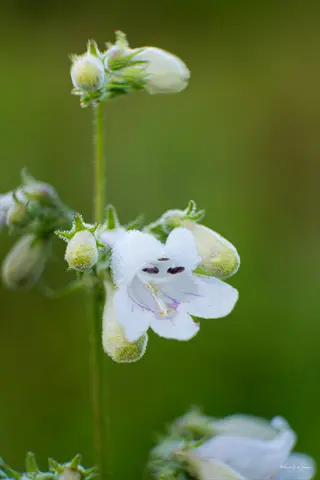
Beardtongue (Penstemon species)
- Hardiness Zones: Varies by species from USDA zones 3 through 9, with native North American species offering the best regional adaptation.
- Growth Habit: Upright stems reach 1 to 4 feet (30 to 120 centimeters) tall bearing tubular flowers in pink, purple, red, or white colors.
- Bloom Season: Flowers from late spring through early summer, with some species offering repeat blooms if deadheaded right after first flush.
- Water Needs: Deep taproots access moisture other plants cannot reach; requires excellent drainage to prevent crown rot in wet conditions.
- Pollinator Value: Tubular flowers shaped right for hummingbirds and long tongued bees, providing critical early season nectar sources.
- Design Uses: Excellent for xeriscape gardens, rock gardens, slopes, and natural areas where their wild beauty shines.
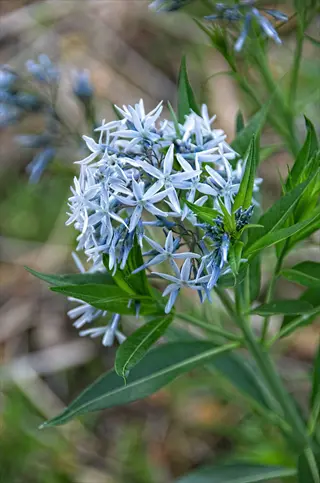
Blue Star (Amsonia species)
- Hardiness Zones: Native perennial grows in USDA zones 3 through 9, with hubrichtii and tabernaemontana being top drought tolerant varieties.
- Growth Habit: Forms graceful clumps 2 to 3 feet (60 to 90 centimeters) tall with willow like foliage that turns brilliant gold in autumn.
- Bloom Season: Clusters of steel blue star shaped flowers appear in late spring, followed by fine textured foliage that provides season long interest.
- Water Needs: Once established, blue star requires almost no extra water; native to dry prairies and open woodlands across eastern North America.
- Pollinator Value: Spring flowers attract early emerging bees and butterflies seeking nectar after winter dormancy ends.
- Design Uses: Perfect for mixed borders, woodland edges, and mass plantings where the feathery texture and fall color create visual impact.
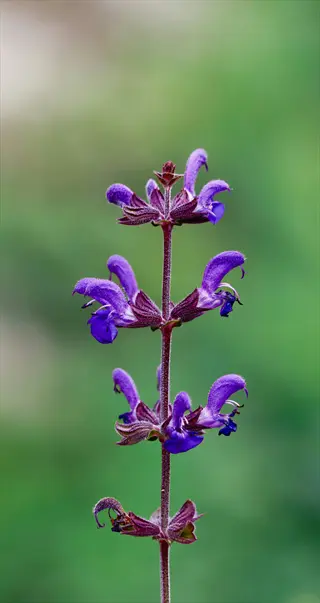
Salvia (Sage varieties)
- Hardiness Zones: Perennial salvias thrive in USDA zones 4 through 10, with May Night and Caradonna among the most reliable selections.
- Growth Habit: Grows 1 to 3 feet (30 to 90 centimeters) tall with aromatic gray green foliage that deer and rabbits avoid.
- Bloom Season: Produces deep purple flower spikes from late spring through summer, reblooming well when spent flowers are removed.
- Water Needs: Mediterranean heritage provides excellent drought tolerance; established plants thrive in hot, dry conditions where lesser plants wilt.
- Pollinator Value: Hummingbirds, bees, and butterflies flock to the nectar rich tubular flowers throughout the blooming season.
- Design Uses: Works in formal borders, cottage gardens, Mediterranean style landscapes, and herb gardens for ornamental value.
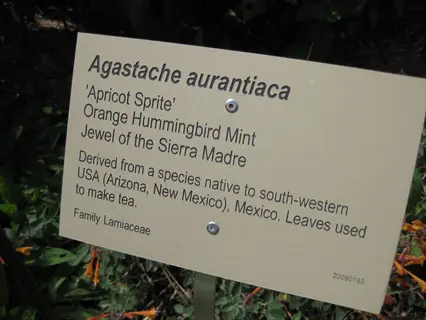
Agastache (Hummingbird Mint)
- Hardiness Zones: Most varieties thrive in USDA zones 5 through 10, with newer cultivars extending cold hardiness to zone 4.
- Growth Habit: Reaches 2 to 4 feet (60 to 120 centimeters) tall with aromatic foliage that releases a pleasant licorice or mint scent when brushed.
- Bloom Season: Tubular flower spikes in orange, pink, purple, or blue appear mid summer through fall, lasting until hard frost.
- Water Needs: Southwest native species handle extreme heat and drought; requires excellent drainage more than regular moisture.
- Pollinator Value: Top choice for attracting hummingbirds; also supports bees, butterflies, and sphinx moths throughout blooming period.
- Design Uses: Outstanding for hot, sunny borders, pollinator gardens, and any location where you want to attract hummingbirds.
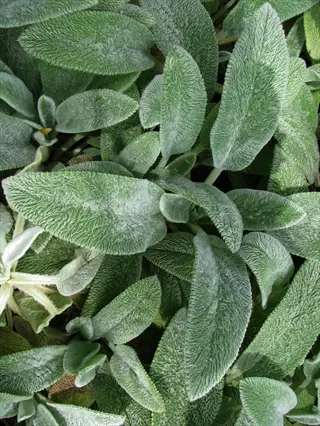
Lamb's Ear (Stachys byzantina)
- Hardiness Zones: Grows well in USDA zones 4 through 8, preferring cooler climates where it maintains best foliage appearance.
- Growth Habit: Low growing foliage reaches 6 to 12 inches (15 to 30 centimeters) with flower stalks rising to 18 inches (45 centimeters) in summer.
- Bloom Season: Produces pink purple flower spikes in early summer; many gardeners remove flowers to maintain the attractive foliage carpet.
- Water Needs: Thick, fuzzy leaves conserve moisture very well; rots in wet conditions, making dry soil essential for success.
- Pollinator Value: When allowed to flower, the blooms attract bees; foliage provides shelter for beneficial ground dwelling insects.
- Design Uses: Excellent groundcover, pathway edging, children's gardens with soft texture, and contrast plant with darker leaved companions.
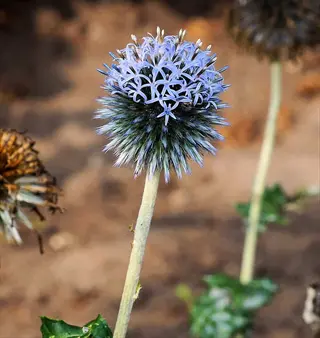
Globe Thistle (Echinops ritro)
- Hardiness Zones: Thrives in USDA zones 3 through 8, handling both cold winters and hot, dry summers with equal resilience.
- Growth Habit: Grows 2 to 4 feet (60 to 120 centimeters) tall with spiny, gray green foliage and spherical steel blue flower heads.
- Bloom Season: Unique globe shaped flowers appear mid to late summer, lasting for weeks and drying well for arrangements.
- Water Needs: Deep taproot makes this one of the toughest drought survivors; performs bad in wet or poor draining soils.
- Pollinator Value: Spherical flowers covered with tiny florets attract large numbers of bees and butterflies seeking late summer nectar.
- Design Uses: Architectural statement plant for borders, cottage gardens, and dried flower arrangements; adds unique texture.
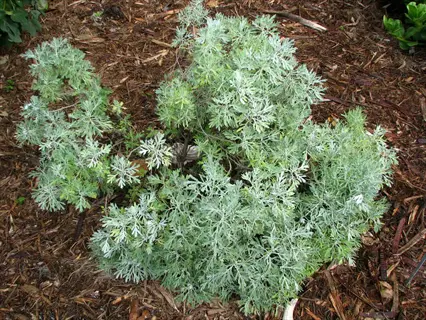
Wormwood (Artemisia species)
- Hardiness Zones: Most varieties grow in USDA zones 4 through 9, with Silver Mound and Powis Castle being popular selections.
- Growth Habit: Forms mounds 1 to 3 feet (30 to 90 centimeters) tall with finely cut silver foliage that provides striking contrast to green plants.
- Bloom Season: Grown mainly for silvery foliage rather than flowers; small yellow blooms in late summer are often removed to maintain form.
- Water Needs: Mediterranean and Asian origins provide excellent drought tolerance; excess moisture causes legginess and poor foliage quality.
- Pollinator Value: While flowers are not showy, they attract small beneficial insects; foliage provides habitat for predatory insects.
- Design Uses: Outstanding foliage contrast plant, Mediterranean gardens, moonlight gardens, and as a foil for bright colored flowers.
How Drought Plants Survive
When you know how plants survive dry spells, you can pick the right ones for your yard. I learned this the hard way after killing several plants that looked tough but lacked real drought adaptations. Now I check for deep root systems, waxy leaves, and silvery foliage before I buy.
Think of silvery foliage as natural sunscreen for your plants. It reflects intense light and cuts the heat that leaves absorb by 5 to 10 degrees. MSU Extension research shows that waxy leaves can cut water loss by up to 50% compared to thin leaves. That makes a huge difference during dry spells in your garden.
Some plants use water storage in their stems and leaves like a camel uses its hump. Succulent-like plants such as sedum hold moisture inside thick tissue. These drought adaptations let your garden thrive even when rain stays away from your yard for weeks at a time.
Deep Root Systems
- Root Depth: Drought-resistant perennials develop root systems reaching 3 to 6 feet (1 to 2 meters) deep, accessing water tables that surface rooted plants cannot reach during extended dry periods.
- Establishment Time: Building these extensive root networks requires 2 to 3 growing seasons, which explains why fresh planted drought tolerant species still need regular watering at first.
- Soil Penetration: Deep roots also stabilize slopes, break up compacted soil layers, and bring nutrients from lower soil horizons up to the root zone where plants can use them.
- Drought Response: When surface soil dries out, established deep-rooted plants continue drawing moisture from subsoil layers, maintaining growth when nearby plants with short roots wilt.
Waxy Leaf Coatings
- Water Retention: A waxy cuticle layer on leaf surfaces reduces water loss through evaporation by up to 50% compared to thin-leaved plants without this protective coating.
- Visual Identification: Look for leaves with a glossy or shiny appearance; plants like sedum, hens and chicks, and euphorbia display this characteristic well.
- Care Implication: Avoid wetting foliage during irrigation since water beads on waxy leaves and can magnify sunlight, causing leaf burn on hot days.
- Evolutionary Origin: This adaptation evolved in Mediterranean climates where plants experience long, dry summers followed by rainy winters, matching many garden conditions well.
Silvery and Hairy Foliage
- Light Reflection: Silver coloring comes from tiny hairs or scales that reflect sunlight, reducing leaf temperature by 5 to 10 degrees Fahrenheit (3 to 6 degrees Celsius) compared to dark green leaves.
- Humidity Trap: Fine leaf hairs create a boundary layer of still air around the leaf surface, trapping moisture from dew and reducing water loss to wind.
- Plant Examples: Lamb's ear, Russian sage, artemisia, and dusty miller all display this adaptation with their characteristic gray or silver appearance.
- Design Benefit: These silvery plants provide stunning contrast in garden designs, appearing to glow in moonlight and complementing both hot and cool flower colors.
Succulent Water Storage
- Internal Reserves: Succulent plants like sedum store water in thickened leaves and stems, creating an internal reservoir that sustains them through weeks without rainfall.
- Drought Signal: When water reserves deplete, succulent leaves may appear slightly wrinkled or less plump, signaling the plant could benefit from irrigation if available.
- Root Sensitivity: Despite drought tolerance, succulent roots rot fast in waterlogged soil; excellent drainage matters more than regular watering for these plants.
- Seasonal Changes: Many succulents change color under stress, developing red or purple edges that indicate they are actively using drought-survival mechanisms.
Drought Dormancy Response
- Survival Mode: Some perennials like yarrow and coneflower enter temporary dormancy during severe drought, dropping leaves or dying back to conserve energy until rains return.
- Recovery Ability: Plants emerging from drought dormancy regrow with vigor once moisture becomes available, often within 1 to 2 weeks of receiving water.
- Gardener Response: Resist removing plants that appear dead during drought; they may be dormant and capable of full recovery when conditions improve.
- Zone Consideration: This adaptation works best in climates with seasonal rainfall patterns, where plants can match dormancy with predictable dry periods.
Water Conservation Benefits
The numbers behind water conservation tell a story that most gardeners miss. EPA says you use more water outdoors than for showering and laundry combined. That outdoor water use adds up to 8 billion gallons per day across all American homes.
When I switched to xeriscape methods three years ago, I started tracking my water bills each month. My water savings hit 40% in the first full summer season. That money stays in my pocket now instead of running off into the street during heavy storms.
In my experience, the real savings show up in your second year after plants get established. UGA Extension research backs this up with data showing water-smart landscaping can cut outdoor water use by up to 50%. The table below shows you how a water-wise garden stacks up against traditional lawns.
Establishing Drought Plants
The establishment period is where most gardeners fail with drought plants. Think of first season care like training wheels on a bike. You need that support at first, but you take it away bit by bit as roots develop.
When I first started with newly planted perennials, I made the mistake of skipping the watering schedule too fast. Every single plant died within a month. Now I follow a strict timeline for deep watering that gives roots time to spread out.
University of Illinois Extension research shows that fresh plants need 2 to 3 gallons per week to get started. OSU research adds that fall planting works best for root development since cool rain does the work for you. Spring plants need your help with a regular watering schedule instead.
Week One: Critical Hydration
- Watering Frequency: Water newly planted perennials every day or every other day during the first week, ensuring soil stays consistently moist but not waterlogged around the root ball.
- Amount Needed: Apply about 2 to 3 gallons (7.5 to 11 liters) per plant at each watering, enough to moisten soil 6 inches (15 centimeters) deep around the planting hole.
- Timing Matters: Water early morning to reduce evaporation losses and allow foliage to dry before evening, preventing fungal disease issues on leaves.
- Stress Signs: Wilting, leaf drop, or browning edges indicate low water; respond right away with deep watering to prevent establishment failure.
Weeks Two Through Four: Root Exploration
- Watering Frequency: Reduce watering to every 2-3 days, encouraging roots to grow outward searching for moisture rather than staying confined to the original root ball.
- Depth Check: Insert a finger 2 inches (5 centimeters) into soil; water when dry at this depth rather than following a rigid schedule.
- Mulch Application: Apply 2-3 inches (5-7.5 centimeters) of organic mulch around plants but not touching stems, reducing evaporation and moderating soil temperature.
- Root Growth: During this period, roots are busy exploring the soil around them; consistent moisture encourages the deep root development that provides future drought tolerance.
Month Two: Building Independence
- Watering Frequency: Transition to weekly deep watering, providing 1 inch (2.5 centimeters) of water including any rainfall received during the week.
- Weather Adjustment: Increase to twice weekly during heat waves above 90 degrees Fahrenheit (32 degrees Celsius) or reduce during cool, cloudy periods.
- Plant Response: Healthy plants show new growth, established posture, and ability to recover from midday wilting by evening without intervention.
- Problem Solving: Plants still wilting by morning need more water; yellowing leaves or mushrooms at base indicate overwatering requiring less frequent irrigation.
First Full Season: Transition Period
- Gradual Reduction: During the first full growing season, extend time between waterings step by step to train roots to seek moisture at deeper soil levels.
- Drought Testing: By late summer, test drought tolerance by withholding water for 7-10 days; established plants should show minimal stress.
- Fall Preparation: Continue watering into fall until ground freezes; adequate fall moisture helps plants survive winter and emerge stronger in spring.
- Year Two Expectations: Second year plants often need watering only during extended drought periods exceeding 2 to 3 weeks without rainfall.
Soil Preparation Guide
Good soil acts like a savings account for your plants. It stores water during wet periods and releases it during drought when roots need it most. Most drought plant failures trace back to poor drainage rather than lack of water.
In my experience, I lost three lavender plants before I figured out that my clay soil was holding too much water in the root zone. MSU Extension research explains why this happens. Sandy soil dries too fast while clay holds water until roots rot. Soil amendment helps you find the middle ground.
Virginia Tech says you should work 2 to 3 inches of organic matter into your soil for well-drained soil that still holds some moisture. The soil preparation steps below show you how to test what you have and fix it before your first planting day.
Assess Your Existing Soil
- Drainage Test: Dig a 12-inch (30-centimeter) deep hole, fill with water, and time how long it takes to drain; 1-6 hours indicates good drainage for drought plants.
- Texture Analysis: Squeeze moist soil in your hand; sandy soil crumbles right away, clay forms a tight ball, and loam holds together but breaks apart with a light touch.
- Problem Indicators: Standing water after rain, compacted surfaces, or heavy clay that cracks when dry all signal drainage issues requiring amendment before planting.
- Soil Testing: Contact your local extension office for a soil test revealing pH and nutrient levels; most drought plants prefer pH between 6.5 and 7.5.
Improve Drainage for Success
- Organic Amendment: Work 2-3 inches (5-7.5 centimeters) of compost into heavy clay soil to a depth of 12 inches (30 centimeters), improving both drainage and aeration.
- Raised Planting: Create raised beds or berms 6-12 inches (15-30 centimeters) high in areas with poor natural drainage, allowing excess water to flow away from roots.
- Gravel Layer: In very heavy clay, consider adding a 2 inch (5 centimeter) gravel layer at the bottom of planting holes, but ensure water can drain away from this layer.
- Avoid Over-Amendment: Sandy soils rarely need drainage improvement; adding organic matter to sandy soil focuses on water retention rather than drainage enhancement.
Enhance Water Retention
- Organic Matter Role: Compost acts like a sponge, holding moisture during wet periods and letting it go bit by bit as soil dries, extending time between waterings.
- Sandy Soil Fix: Incorporate 4-6 inches (10-15 centimeters) of compost into sandy soil to slow rapid drainage and improve nutrient-holding capacity.
- Mulch Benefits: Apply 2-3 inches (5-7.5 centimeters) of organic mulch after planting to reduce surface evaporation by up to 70% and moderate soil temperature extremes.
- Long-Term Building: Adding organic matter each year improves soil structure over time, creating the ideal balance of drainage and retention that drought plants prefer.
Prepare the Planting Hole
- Size Matters: Dig holes 2-3 times wider than the root ball but only as deep; wide holes encourage lateral root spread into surrounding soil.
- Avoid Deep Planting: Set plants at the same depth they grew in containers; planting too deep leads to crown rot, a common cause of drought plant failure.
- Backfill Strategy: Mix native soil with 25% compost for backfill rather than pure compost, encouraging roots to grow into surrounding native soil conditions.
- Water Settling: After planting, water thoroughly to settle soil around roots and eliminate air pockets that can dry out fine root hairs.
Pollinator Benefits
Summer drought shuts down nectar in most gardens but your pollinator plants become an oasis. Research shows that 40% of pollinator species face decline right now. Your yard can help turn that number around with the right flower choices.
I noticed a huge jump in bees after I added hummingbird plants and drought flowers two years ago. These plants keep making nectar source even when rain stays away. Traditional flowers stop when it gets dry but drought plants push through the heat.
The table below shows which plants attracts bees and attracts butterflies to your garden. You will also see which ones support beneficial insects during each part of summer.
5 Common Myths
Drought resistant plants never need watering and can survive from day one without any irrigation or care.
All drought tolerant plants need consistent watering for 2-3 weeks during establishment before becoming self-sufficient in dry conditions.
Water-wise gardens look barren and brown with only cacti and rocks, lacking colorful flowers or visual appeal.
Drought resistant perennials offer vibrant purples, yellows, pinks, and blues that bloom throughout the growing season with proper plant selection.
Any native plant will automatically be drought tolerant because it evolved in the local climate conditions.
Native status does not guarantee drought tolerance; many native plants grew near water sources and require regular moisture to thrive.
Drought tolerant plants cannot grow in humid climates because they will rot from too much moisture in the air.
Many drought resistant perennials thrive in humid climates when planted in well-drained soil that prevents root rot and fungal issues.
You must replace your entire landscape at once to achieve any meaningful water savings from drought resistant plants.
Gradual conversion works effectively; even replacing 30% of traditional plantings with drought resistant species reduces water use significantly.
Conclusion
Drought resistant perennials give you beauty and water conservation savings of 20% to 50% in your yard. These plants do the heavy lifting once their roots get established in your garden soil. Your reward is a colorful, low maintenance space that needs far less work than a traditional lawn.
The key to success sits in those first 2 to 3 weeks after planting when roots need your help to spread out. Good soil preparation matters just as much as the plants you pick from the garden center. UGA Extension research puts it best when they say that plants do not save water. People save water through the choices they make about their yards.
American homes use 8 billion gallons of water each day just for yards and gardens. Your water-wise gardens matter more than you might think. Each drought plant adds up to real change in your town. Sustainable landscaping starts one garden at a time.
In my experience, the switch to drought plants gave me back my weekends and cut my summer water bills in half. Your garden can do the same while helping bees find food during dry spells. That feels like a win worth working toward this planting season.
External Sources
Frequently Asked Questions
How is a drought-resistant perennial defined?
A drought-resistant perennial survives extended dry periods through physical adaptations like deep roots, waxy leaves, and silvery foliage.
What perennials require minimal watering?
Several perennials thrive with minimal water:
- Russian sage
- Lavender
- Sedum
- Yarrow
- Coneflower
Which plants thrive in full sun and heat?
Many drought perennials excel in full sun and heat:
- Blanket flower
- Black-eyed Susan
- Salvia
- Catmint
- Beardtongue
Do drought-resistant plants for humid climates exist?
Yes, many drought-resistant perennials adapt well to humid conditions with proper drainage and soil preparation.
What is the best way to care for drought-resistant perennials?
Care involves proper establishment watering, appropriate soil preparation, and grouping plants by water needs.
Could drought-resistant plants survive poor soil?
Many drought-resistant plants thrive in poor, rocky, or sandy soils where other plants struggle to survive.
Can drought-resistant gardens lack color?
Drought-resistant gardens offer vibrant colors:
- Purple coneflowers
- Yellow blanket flowers
- Blue Russian sage
- Pink sedums
- Orange butterfly weed
Can native plants be better for drought resistance?
Native plants are often well-adapted but nativeness alone does not guarantee drought tolerance; research individual species.
What is the best way to design a low-water garden?
Use xeriscape principles with water zones: 60% low water plants, 30% moderate, and 10% high water near the house.
Can drought-resistant landscaping be cost-effective?
Yes, drought-resistant landscaping reduces water bills by 20-50% and requires less maintenance over time.