
Introduction
Most people pour their energy into spring and ignore the season that matters most for grass health on their property. These 10 Expert Fall Lawn Care Strategies for a Lush Yard will change how you approach your turf this autumn and beyond. Ohio State research shows proper work this season leads to spring green up 2 to 6 weeks earlier than skipping this window. That head start makes all the difference when you want the best looking yard on your block come April and May each year of your life.
I spent years making that same mistake with my own turf before learning better methods. Then I learned the truth about cool-season grasses and their growth patterns through trial and error out in the yard. Your grass blades slow down above ground when temps drop in autumn months. But the root system kicks into high gear below the soil where you cannot see it day after day. This root development stores energy and builds the base for next year. Think of it like athletes building strength in the off season for peak game day results when it counts most.
Purdue turf experts found something key in their research studies. About 50% to 60% of your yearly nitrogen should go down between Labor Day and Halloween for optimal results. This timing matches how grass stores nutrients for winter and spring growth. Skip this window and you miss your best shot at a dense turf that crowds out weeds and stays green longer than any of your neighbors all season long.
This lawn preparation guide uses top university research and my own years of work in my yard. You will learn when and how each task makes a real difference in your final results this year. The science is clear and the steps are simple enough for anyone to follow at home. Your neighbors will wonder why your yard looks so much better every spring once you put these proven tips into action in your own space.
10 Expert Fall Lawn Care Strategies
These fall lawn care strategies come straight from university research and my own trial and error over many seasons. Each one solves a specific problem that keeps lawns from looking their best. I ranked them based on impact per hour of work so you can focus on what matters most for your yard.
You will find tips on lawn fertilization and lawn aeration below. The list also covers overseeding, fall mowing height, leaf management, and weed control basics. I also included soil health tips that most folks skip. Every strategy has exact rates and temps from Purdue and Ohio State.
Apply Strategic Fall Fertilization
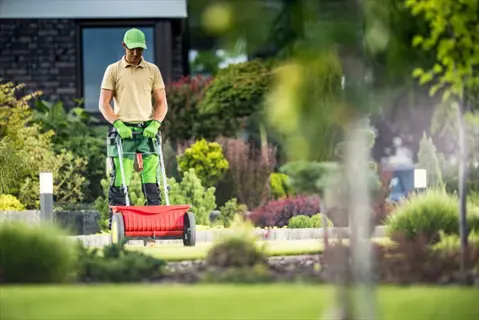
- Why It Matters: Fall fertilization promotes root development and carbohydrate storage that fuels spring green-up 2 to 6 weeks earlier according to Ohio State University research.
- Application Rate: Apply 1.0 pounds of nitrogen per 1000 square feet in September, followed by 0.5 to 1.0 pounds in November.
- Timing Window: Target the period between Labor Day and Halloween for 50% to 60% of your total annual nitrogen application.
- Product Selection: Use quick-release nitrogen sources like urea or ammonium nitrate for November applications when rapid uptake is essential before dormancy.
- Temperature Guide: Apply when soil temperatures remain above 50°F to ensure roots can absorb nutrients.
- Expert Insight: Purdue specialist Aaron Patton notes nitrogen must be taken up by the plant before winter to be most effective for spring performance.
Perform Core Aeration
- Why It Matters: Soil compaction reduces grass yields by 20% to 40% according to university research, making aeration essential for healthy root systems.
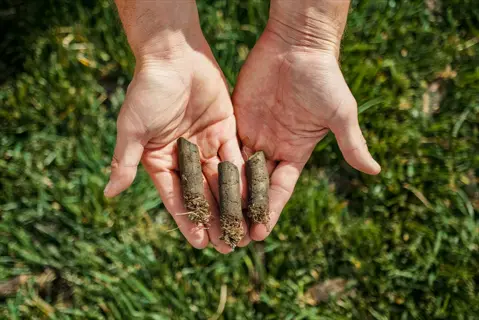
- Core Depth: Use a core aerator that removes plugs 2.5 to 4 inches deep to relieve compaction in the root zone.
- Coverage Reality: A standard aerator affects only 1.38% of the surface per pass, so multiple passes in different directions maximize benefits.
- Optimal Timing: Aerate when soil is moist but not saturated, often in September when cool-season grasses are growing strong.
- Leave Cores: Allow soil cores to break down on the lawn surface, returning nutrients and beneficial microorganisms to the soil.
- Combination Strategy: Aeration creates ideal conditions for overseeding and fertilizer penetration when performed before these tasks.
Overseed Thin or Bare Areas
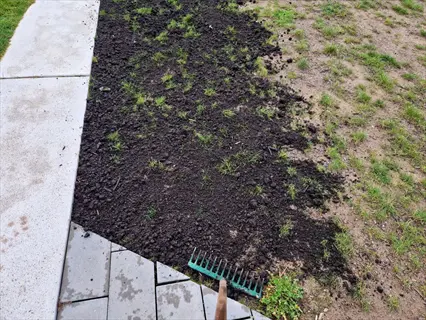
- Why It Matters: Fall provides optimal conditions for seed germination with warm soil, cooler air, reduced weed competition, and natural rainfall patterns.
- Temperature Sweet Spot: Seeds germinate best when soil temperature reaches 50°F to 65°F according to University of Nebraska research.
- Timing Window: Complete overseeding between August 15 and September 15 in most regions, allowing 45 days of growth before first frost.
- Air Temperature: Aim for air temperatures between 60°F and 75°F during the seeding period.
- Seed-to-Soil Contact: Improve germination rates by aerating before overseeding, as holes provide protected spots for seeds to establish.
- Watering Protocol: Keep seeded areas moist with light, frequent watering until grass reaches mowing height.

Adjust Mowing Height Gradually
- Why It Matters: Proper mowing height prevents snow mold, reduces winter damage, and ensures grass enters dormancy with adequate energy reserves.
- Fall Height: Maintain grass at 2.5 to 3 inches through the main fall season according to University of Minnesota guidelines.
- Final Cut: Reduce height to 2 to 2.5 inches for the last two mowings before winter to prevent matting under snow.
- One-Third Rule: Never remove more than one-third of the grass blade height in a single mowing to avoid stressing the plant.
- Blade Sharpness: Sharpen mower blades before fall mowing season to ensure clean cuts that heal fast and resist disease.
- Continue Mowing: Keep mowing as long as grass continues growing, often until sustained temperatures drop below 50°F.
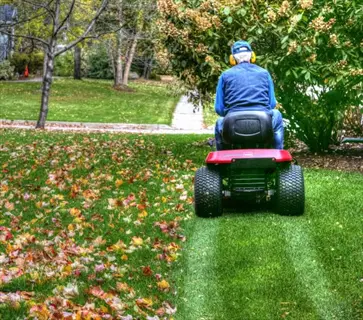
Manage Fallen Leaves Properly
- Why It Matters: Thick leaf layers block sunlight and trap moisture, creating conditions for fungal diseases, but complete removal wastes valuable organic matter.
- Mulching Benefits: Michigan State University research shows mulched leaves improve lawn health by adding organic matter without smothering grass.
- Mulching Technique: Use a mulching mower to chop leaves into small pieces that filter down between grass blades and decompose over winter.
- Frequency Guide: Mulch leaves each week during peak fall to prevent buildup, keeping visible leaf coverage below 50% of the lawn surface.
- Heavy Accumulation: Remove or rake excess leaves if accumulation exceeds what a mulching mower can handle in one pass.
- Compost Option: Collect excess leaves for compost piles or use as mulch in garden beds rather than sending to landfill.
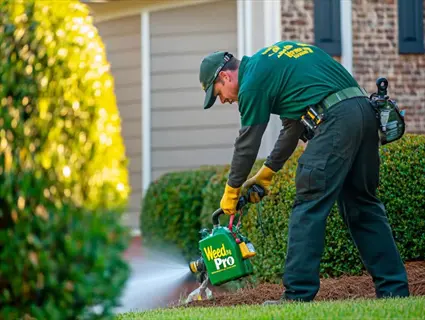
Apply Targeted Weed Control
- Why It Matters: Fall herbicide applications target weeds when they are transporting nutrients to roots for winter storage, maximizing chemical uptake.
- Best Targets: Hard to control weeds like ground ivy and wild violets respond best to fall applications according to Penn State Extension research.
- Timing Window: Apply post-emergent herbicides in September through mid-October while weeds are still growing strong and temperatures remain above 50°F.
- Product Selection: Use broadleaf herbicides containing 2,4-D, dicamba, or triclopyr for established perennial weeds in cool-season lawns.
- Avoid New Seeding: Do not apply herbicides to seeded areas until grass has been mowed at least three times to prevent damage.
- Pre-Emergent Option: Apply pre-emergent herbicides in late fall to prevent winter annual weeds from establishing before spring.
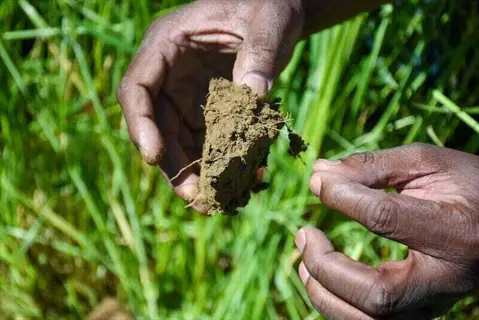
Test and Amend Soil pH
- Why It Matters: Soil pH affects nutrient availability, and fall amendments have time to integrate into soil before the spring growing season begins.
- Optimal Range: Penn State Extension recommends maintaining soil pH between 6.0 and 7.0 for optimal nutrient uptake in cool-season grasses.
- Testing Protocol: Collect soil samples from multiple locations across your lawn at 4 to 6 inch depth for accurate results.
- Lime Application: Apply lime in fall if pH tests below 6.0, allowing winter freeze-thaw cycles to work the amendment into the soil.
- Sulfur Application: Use elemental sulfur to lower pH if tests above 7.0, though this is less common in most lawn situations.
- Retest Timeline: Allow 6 to 12 months after amendment before retesting, as pH changes occur over time in established soils.
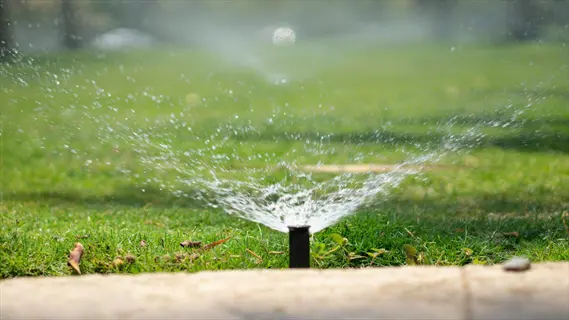
Maintain Consistent Watering
- Why It Matters: Roots continue developing in fall when soil temperatures remain above 40°F, requiring consistent moisture.
- Weekly Requirement: Provide about 1 inch of water per week including rainfall through September and October.
- Timing Adjustment: Water in morning hours to allow grass blades to dry before evening, reducing disease pressure during cool, damp fall nights.
- Monitor Rainfall: Use a rain gauge to track natural precipitation and supplement only when weekly totals fall below 1 inch.
- Gradual Reduction: Begin reducing irrigation as temperatures drop in late October, allowing grass to harden off before winter dormancy.
- Continue Until Freeze: Keep watering until the ground freezes to ensure roots have adequate moisture reserves for winter survival.
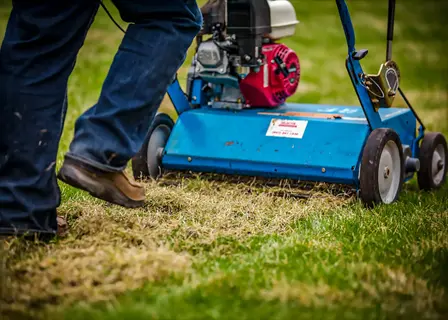
Address Thatch Accumulation
- Why It Matters: Thatch exceeding 0.5 inches blocks water, nutrients, and air from reaching roots while harboring insects and diseases.
- Check Thickness: Cut a small wedge from your lawn to measure the brown, spongy layer between green grass and soil surface.
- Dethatching Timing: Dethatch cool-season grasses in early fall when they can recover fast during the active growing period.
- Equipment Options: Use a power rake or vertical mower for severe thatch, or a dethatching attachment for minor accumulation.
- Prevention Strategy: Avoid over-fertilizing with nitrogen and maintain proper mowing height to prevent excessive thatch buildup.
- Frequency Guide: Most lawns need dethatching every 2 to 3 years rather than each year unless conditions promote rapid thatch development.
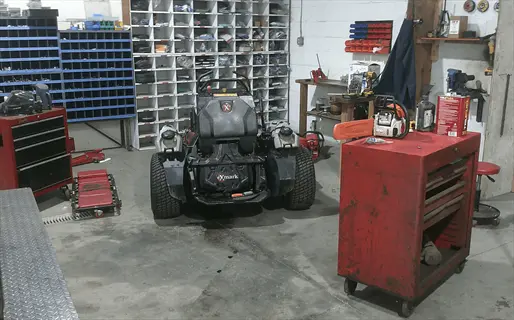
Winterize Lawn Equipment
- Why It Matters: Proper winterization extends equipment life, ensures reliable spring startup, and prevents costly repairs from fuel system damage.
- Fuel Management: Either run the engine until the tank is empty or add fuel stabilizer to a full tank to prevent carburetor varnish.
- Oil Change: Change engine oil while warm to remove contaminants that could cause corrosion during storage months.
- Blade Maintenance: Remove, sharpen, and balance mower blades, then coat with light oil to prevent rust during winter storage.
- Deck Cleaning: Scrape grass buildup from under the mower deck and spray with silicone lubricant to prevent corrosion.
- Sprinkler System: Blow out irrigation lines with compressed air at 50 to 80 PSI to prevent freeze damage to pipes and heads.
Fall Fertilization Science
Fall fertilization works much like how bears store fat before winter sleep. Your grass packs away energy in its roots during autumn months when top growth slows down. This nutrient storage process gives your lawn the fuel it needs to burst back strong in spring. Ohio State research found no winter damage from nitrogen application done at the right time.
The key to success is timing your products based on soil temperature. Early in the season, a slow-release fertilizer feeds your lawn over weeks as roots build mass. Later in fall, you need a quick-release fertilizer so grass can take up nutrients before the ground freezes. Most winterizer fertilizer bags mix both types.
I made the mistake of skipping fall feeding for years before I saw the research from Purdue. Their data showed that 50% to 60% of your annual nitrogen should go down between Labor Day and Halloween. The table below shows exact rates and timing based on soil temps in your area.
Soil Health and Root Development
Your grass might look like it stops growing in fall but the real action happens below ground. In my experience, while blades slow down, the root system keeps building mass and strength under the soil. Core aeration and proper soil testing during this window set up your lawn for big gains next spring.
Soil compaction is one of the biggest hidden problems in home lawns. When soil gets packed down from foot traffic or mowing, roots struggle to spread and water cannot drain. Thatch removal through dethatching also plays a role in keeping your soil healthy and able to breathe.
I ignored soil pH for years until I saw how much it affected my fertilizer results. Once I started soil testing and fixed my pH levels, the same amount of fertilizer gave me twice the results as before. The list below covers the key factors for root development success this fall.
Soil Temperature Zones
- Root Growth Zone: Roots develop best when soil temps range between 40°F and 65°F according to Ohio State research.
- Shoot Growth Zone: Visible blade growth occurs best between 60°F and 75°F air temperature.
- Fall Advantage: As air cools faster than soil in fall, grass shifts energy from blade production to root development.
Compaction Assessment
- Screwdriver Test: Push a screwdriver into moist soil. If it meets strong resistance in the top 4 inches, compaction exists.
- Yield Impact: Mississippi State research shows soil compaction can reduce grass yields by 20% to 40%.
- High Risk Areas: Focus aeration efforts on pathways, play areas, and spots near driveways where traffic concentrates.
Optimal pH Range
- Target Range: Penn State Extension recommends soil pH between 6.0 and 7.0 for cool-season grasses.
- Testing Frequency: Test soil every 2 to 3 years or when grass shows signs of deficiency despite regular feeding.
- Amendment Timing: Apply lime or sulfur in fall to allow winter weather to work amendments into the soil.
Aeration Effectiveness
- Core Specifications: Effective aeration requires cores 2.5 to 4 inches deep spaced 2 to 3 inches apart.
- Coverage Reality: A standard core aerator affects only 1.38% of the lawn surface per pass according to Penn State.
- Multiple Passes: Make 2 to 3 passes over compacted areas in different directions for real soil relief.
Seasonal Lawn Tasks by Month
Having a fall lawn care schedule keeps you on track when life gets busy during autumn months. In my years of working on lawns, I found that missing just one key window can set you back for the whole next season. This lawn maintenance calendar breaks down what to do and when so nothing falls through the cracks.
September lawn tasks focus on seeding and aerating while soil is still warm. October lawn care shifts to mowing and leaf management mode. November lawn preparation wraps up the season with final feeding and equipment care before hard frost hits.
Use soil temps as your guide rather than just the calendar dates since weather varies by region. The table below shows both timing and temperature triggers to help you adjust for your area.
Regional Fall Lawn Care Guide
Most guides skip regional lawn care details. In my experience, timing based on your climate zones matters most for results. Your first frost date and USDA zone determine when you need to act for each fall task on your property.
Cool-season grasses like Kentucky bluegrass and fescue thrive in northern and transition areas. Warm-season grasses like bermuda and zoysia dominate in the south but need different fall treatment. Knowing which type you have is the first step to proper care this autumn.
The guide below breaks down lawn care timing by region so you can adjust the advice in this article to your specific climate. Check your local first frost date and work backward to plan your fall schedule.
Northern Regions
- Climate Profile: Areas with first frost between September 15 and October 15, including northern states and higher elevations.
- Overseeding Window: Complete seeding by early September to allow 45 days of growth before frost per University of Nebraska.
- Fertilization Schedule: Begin fertilization in late August and finish your final application by late October before ground freezes.
Transition Zone
- Climate Profile: The middle region where both cool and warm-season grasses struggle, USDA zones 6 and 7.
- Grass Selection: Cool-season grasses like tall fescue perform best in transition zones with proper fall care.
- Extended Window: First frost between October 15 and November 15 allows later seeding and fertilization than northern areas.
Southern Regions
- Warm-Season Focus: Bermuda, zoysia, and St. Augustine grasses enter dormancy in fall and need different care than cool-season types.
- Reduced Fertilization: Avoid fertilizing warm-season grasses in fall as this promotes tender growth prone to frost damage.
- Overseeding Option: Consider overseeding dormant lawns with annual ryegrass for winter color in mild southern climates.
Pacific Northwest
- Moisture Advantage: Natural rainfall reduces irrigation needs but increases disease pressure during cool, wet fall months.
- Extended Season: Mild temperatures allow fall lawn care activities to continue into November or even December.
- Fungal Awareness: Monitor for fungal diseases common in the region and avoid evening watering that keeps leaves wet.
Equipment Winterization Guide
Taking time to winterize lawn equipment saves you money and headaches when spring rolls around. I learned this the hard way after ruining a carburetor by leaving old gas in my mower one winter. Proper equipment storage means your tools fire up on the first pull next year.
Lawn mower maintenance tops the list since a dead mower in spring means scrambling for repairs. Blade sharpening now gives you sharp cuts from day one next year. Sprinkler winterization stops freeze damage that can cost hundreds to fix.
The checklist below covers all the key steps to prep your gear for the cold months ahead. Skip any of these and you risk costly repairs or equipment failure when you need it most.
Lawn Mower Preparation
- Fuel Decision: Either run the engine dry or fill the tank and add fuel stabilizer at the maker's ratio.
- Oil Change: Change engine oil while warm to suspend contaminants, using the weight in your owner manual.
- Spark Plug: Remove, inspect, and clean the spark plug or replace if electrodes are worn or deposits are heavy.
Blade Maintenance
- Removal Safety: Disconnect the spark plug wire before removing blades to prevent accidental engine starts.
- Sharpening Angle: Maintain the original bevel angle at 30 to 45 degrees using a file or bench grinder.
- Balance Check: Balance blades after sharpening using a blade balancer or nail test to prevent vibration.
Deck and Housing Care
- Grass Removal: Scrape accumulated grass clippings from under the mower deck using a putty knife or scraper.
- Corrosion Prevention: Spray the cleaned deck with silicone lubricant or light oil to create a rust barrier.
- Cable Lubrication: Apply lubricant to throttle cables, brake cables, and pivot points to prevent seizing.
Irrigation System Blowout
- Pressure Setting: Use compressed air at 50 to 80 PSI to blow out lines, avoiding higher pressures that damage parts.
- Zone Sequence: Work through each zone one by one, running the blowout until no water appears from any head.
- Backflow Protection: Drain and protect backflow preventers per maker guidelines to prevent freeze cracking.
5 Common Myths
Leaving grass clippings on the lawn causes thatch buildup and should always be removed after mowing
Grass clippings decompose quickly and return nitrogen to the soil without contributing to thatch, which consists primarily of stems and roots rather than leaf blades
You should stop fertilizing in fall because it promotes new growth that will die in winter frost
Fall fertilization promotes root development and carbohydrate storage rather than top growth, with properly timed applications showing no winter damage in university research
Raking and removing all fallen leaves is essential because leaves will smother and kill grass underneath them
Michigan State research demonstrates that mulching leaves with a mower actually improves lawn health by adding organic matter and nutrients without smothering grass
Aerating your lawn every year is necessary to maintain healthy soil and prevent compaction problems
Most lawns only require aeration every 2 to 3 years unless experiencing heavy foot traffic or clay soil conditions that cause significant compaction
Watering should stop completely in fall because cooler temperatures mean grass needs less moisture to survive
Lawns require approximately 1 inch (2.5 centimeters) of water per week through September and October to support root development and prepare for winter dormancy
Conclusion
Fall lawn care is about what happens below the surface, not above it. While your grass looks like it slows down, the root development and nutrient storage happening underground set the stage for next year. Every task in this guide builds toward one goal which is a thick, healthy lawn that wakes up fast in spring.
Time your lawn preparation between Labor Day and Halloween. Put 50% to 60% of your annual nitrogen down during this window for best impact. Ohio State research shows you will see spring green-up 2 to 6 weeks earlier than folks who skip fall feeding.
In my experience, folks who invest a few fall weekends end up with the best lawns on their street every year. The science backs this up across every study I found. Root development during these months pays dividends for the entire next growing season ahead.
Your healthy lawn next spring starts with the work you do right now this fall. Follow the steps in this guide and you will see results that speak for themselves when the snow melts. The effort you put in today shows up as thick, green turf that makes your whole yard look better next year.
External Sources
Frequently Asked Questions
What is the best time to begin fall lawn care?
Begin fall lawn care in early September when soil temperatures drop to 65 degrees Fahrenheit (18 degrees Celsius) and air temperatures range between 60 and 75 degrees Fahrenheit (15 and 24 degrees Celsius).
Can fall fertilization be necessary for new grass?
Yes, fall fertilization is essential for new grass because it promotes root development during the optimal growing period when cool-season grasses focus energy underground.
How can aeration help my lawn in fall?
Aeration reduces soil compaction, improves oxygen and water penetration to roots, and creates ideal conditions for overseeding and fertilizer uptake.
Is it better to remove leaves or mulch them?
Mulching leaves with a mulching mower is generally better than removing them, as Michigan State research shows mulched leaves improve lawn health by adding organic matter.
Which mowing height before winter is ideal?
Maintain 2.5 to 3 inches (6.4 to 7.6 centimeters) through fall, then reduce to 2 to 2.5 inches (5.1 to 6.4 centimeters) for final cuts to prevent snow mold.
Is it okay to combine overseeding with other fall tasks?
Yes, overseeding works best when combined with aeration and fertilization, as the aeration holes provide ideal seed-to-soil contact.
What is the best time to apply fall weed control?
Apply post-emergent herbicides in early fall when weeds are actively growing and transporting nutrients to roots, typically September through mid-October.
How frequently should I water in fall?
Water to provide 1 inch (2.5 centimeters) per week including rainfall, continuing through September and October until the ground freezes.
Can dethatching be necessary for fall lawn care?
Dethatching is only necessary when thatch exceeds 0.5 inches (1.3 centimeters) thick, which typically occurs once in 2 to 3 years rather than annually.
Which method best winterizes lawn equipment?
Proper winterization requires draining fuel or adding stabilizer, changing oil, cleaning decks, sharpening blades, and storing equipment in a dry location.