
Introduction
Most annual flowers come from hot, dry regions where bright sunshine was normal every day of the growing season. These plants adapted to thrive under blazing summer skies over thousands of years of natural selection in the wild. This guide covers Full Sun Annuals: Blooms That Thrive in Sunshine and tells you why they work well in bright garden spots. I have grown these sun-loving flowers for 15 years and know which ones deliver the best results for home gardeners in most areas.
Full sun means your plants need 6 to 8 hours of bright light each day to bloom at their best and stay strong all season. These annual flowers turn that energy into blooms when you meet their direct sunlight requirements. Too much shade makes flowers look weak over time. A sunny spot changes everything for these plants and helps them reach their full bloom potential in your yard or garden.
Think of these blooms as solar-powered machines that turn light into vibrant color from spring through fall in your garden beds and pots. The more sunshine you give them, the more flowers you get back from each plant over time. In my experience, moving my zinnia beds to a brighter spot tripled their bloom count that same growing season and kept them healthy all year.
Climate worries have sparked interest in heat-tolerant plants for home gardens and patios today. The varieties here handle tough summer heat and feed bees and butterflies all season long as they bloom. You get months of color and wildlife benefits from hardy plants that grow well in your own backyard space with little extra care or work from you.
10 Best Full Sun Annuals
I have tested dozens of heat tolerant flowers in my hot summer garden for over 15 years now. These ten made my list of the best full sun annuals based on real results in my own beds. Each plant handles 6 to 8 hours of bright light while looking great all summer with basic care from you.
University of Minnesota ran a 4-year study on more than 30 annual flower types. Their research shows which blooms bring bees and butterflies to your yard. Mississippi State Extension found zinnia ranked as the best butterfly attractor in their trials.
This list covers classics like marigold and sunflower that you know and trust for sunny spots. You get hidden gems too like gomphrena and angelonia that shine in hot weather. All ten plants from petunia, lantana, salvia, and cosmos earn their spots through solid results, plus dependable vinca.
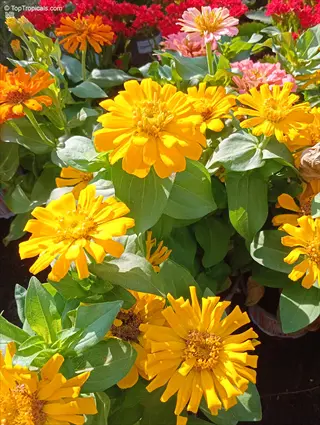
Zinnia
- Sun Requirement: Thrives with 6 to 8 hours of direct sunlight daily and tolerates intense afternoon heat that would stress many other annual flowers in peak summer conditions.
- Pollinator Value: Mississippi State University Extension identifies zinnia as the best butterfly attractor among annual flowers, also drawing bees and hummingbirds to gardens.
- Growing Habit: Reaches 1 to 4 feet (30 to 122 centimeters) tall depending on variety, with dwarf types perfect for borders and tall varieties excellent for cutting gardens.
- Bloom Period: Produces continuous flowers from early summer through first frost when deadheaded regularly, offering months of reliable color in sunny garden beds.
- Heat Tolerance: Handles extreme heat and humidity better than most annuals, making it reliable in southern gardens where summer temperatures regularly exceed 90 degrees Fahrenheit (32 degrees Celsius).
- Care Level: Requires minimal maintenance beyond regular watering and deadheading, making it an excellent choice for both beginning and experienced gardeners seeking dependable blooms.
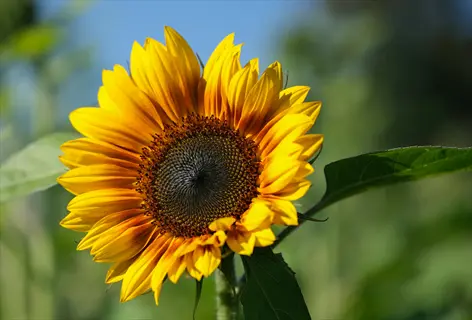
Sunflower
- Sun Requirement: Demands full sun with at least 6 to 8 hours of direct light daily, actually tracking the sun across the sky through heliotropism in young plants before blooming.
- Pollinator Value: University of Minnesota 4-year research study found Music Box Mix and Lemon Queen sunflowers among the top 9 pollinator-attracting annuals from over 30 varieties tested.
- Growing Habit: Ranges from compact 2-foot (61-centimeter) dwarf varieties to towering 12-foot (3.7-meter) giants, with branching types producing multiple blooms per plant.
- Bloom Period: Flowers midsummer through fall depending on variety and planting time, with succession planting extending the harvest for cut flowers over several months.
- Heat Tolerance: Exceptionally heat tolerant once established, with deep taproots accessing moisture other surface-rooted annuals cannot reach during drought conditions.
- Care Level: Easy to grow from direct-sown seeds after last frost, requiring only consistent water until established and support stakes for taller varieties in windy locations.
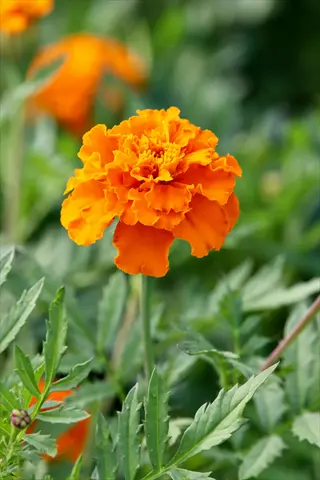
Marigold
- Sun Requirement: Performs best with 6 or more hours of direct sunlight daily, with reduced blooming and leggy growth when planted in shadier locations than recommended.
- Pollinator Value: Attracts beneficial insects including bees and butterflies while the strong scent deters certain pest insects from nearby vegetable and ornamental plantings.
- Growing Habit: Available in French types reaching 6 to 12 inches (15 to 30 centimeters) and African types growing 2 to 3 feet (61 to 91 centimeters) tall.
- Bloom Period: Flowers continuously from planting until first frost, with colors ranging from pale yellow through gold, orange, and deep mahogany red bicolors.
- Heat Tolerance: University of Missouri Extension classifies marigolds as tender annuals requiring warm soil temperatures, thriving in summer heat that stresses cooler-weather flowers.
- Care Level: Extremely forgiving plants that tolerate drought, poor soil, and neglect while still producing abundant blooms, making them ideal for novice gardeners.
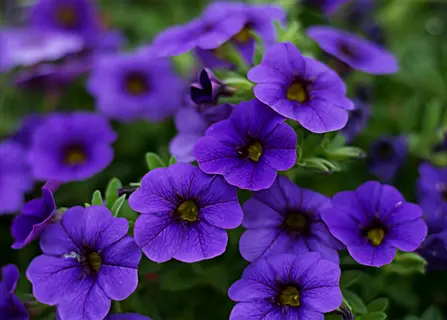
Petunia
- Sun Requirement: Needs minimum 6 hours of direct sunlight for full flowering, though will tolerate light afternoon shade in extremely hot climates without significant bloom reduction.
- Pollinator Value: Tubular flower shapes attract hummingbirds and sphinx moths, while newer spreading varieties provide nectar sources for various butterfly species visiting gardens.
- Growing Habit: Ranges from compact mounding types to cascading spreaders reaching 3 to 4 feet (91 to 122 centimeters) wide, perfect for containers, hanging baskets, and ground covers.
- Bloom Period: Flowers prolifically from spring through fall with proper care, requiring regular deadheading or choosing self-cleaning varieties for continuous bloom production.
- Heat Tolerance: University of Missouri Extension classifies petunia as semi-hardy, tolerating moderate frost to 28 degrees Fahrenheit (minus 2 degrees Celsius) and performing well through summer heat.
- Care Level: Moderate maintenance with regular watering needs and benefit from cutting back midsummer if plants become leggy, refreshing growth for fall flowering.
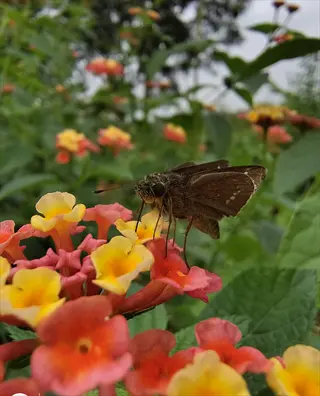
Lantana
- Sun Requirement: Thrives in full sun with 6 to 8 hours of direct light, actually producing fewer blooms and more foliage when grown in partial shade conditions.
- Pollinator Value: Outstanding butterfly attractor with nectar-rich flower clusters that draw swallowtails, monarchs, and dozens of other butterfly species throughout the growing season.
- Growing Habit: Mounding varieties reach 1 to 2 feet (30 to 61 centimeters) while trailing types spread 3 to 4 feet (91 to 122 centimeters), excellent for containers and landscape use.
- Bloom Period: Continuous flowering from spring through frost in most climates, with bicolor flower heads changing color as individual florets mature for multicolored effect.
- Heat Tolerance: Extremely heat and drought tolerant once established, making it a reliable choice for hot, dry locations where other annuals struggle or require constant irrigation.
- Care Level: Low maintenance once established with minimal water needs, though benefits from occasional pruning to maintain shape and promote continued flowering through fall.
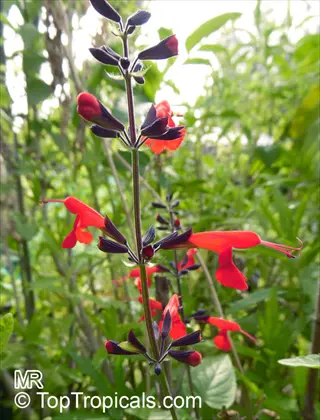
Salvia
- Sun Requirement: Most varieties require full sun with at least 6 hours direct light for optimal flowering, though some types tolerate partial afternoon shade in hot climates.
- Pollinator Value: University of Minnesota research identified Summer Pink Jewel and Purple Fairy Tale salvia among top pollinator-attracting annuals from their 4-year study of 30 varieties.
- Growing Habit: Annual salvia ranges from compact 10-inch (25-centimeter) bedding types to 3-foot (91-centimeter) tall spikes, with flower colors spanning red, blue, purple, pink, and white.
- Bloom Period: Spikes appear continuously from late spring through fall with regular deadheading, providing vertical interest and hummingbird attraction throughout the growing season.
- Heat Tolerance: Handles hot, humid conditions well, particularly red salvia varieties that evolved in warm climates and maintain flowering even during heat waves.
- Care Level: Moderate care with regular watering during establishment and occasional fertilization, rewarding gardeners with reliable color from spring through first frost.
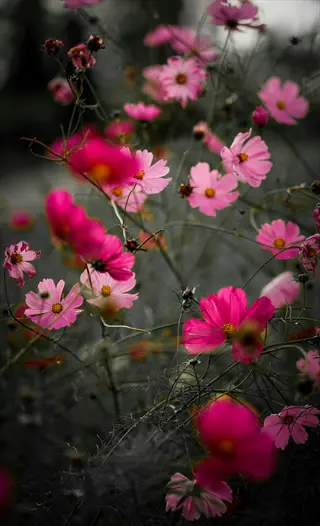
Cosmos
- Sun Requirement: Requires full sun with minimum 6 hours of direct light daily, producing weak stems and fewer flowers when grown in shadier garden locations.
- Pollinator Value: Mississippi State Extension lists cosmos among top butterfly-attracting annuals, with open flower faces providing easy landing platforms for bees and butterflies.
- Growing Habit: Feathery foliage supports 2 to 6 foot (61 to 183 centimeter) tall stems topped with daisy-like flowers in white, pink, orange, yellow, and crimson shades.
- Bloom Period: Flowers mid-summer through frost from spring-sown seeds, with continuous bloom when deadheaded or grown as cut flowers for indoor arrangements.
- Heat Tolerance: Thrives in heat and tolerates poor soil better than most annuals, actually producing more flowers in lean conditions than overly fertile garden beds.
- Care Level: Extremely easy from direct-sown seeds after frost, requiring only occasional water and staking for taller varieties in windy or exposed garden locations.
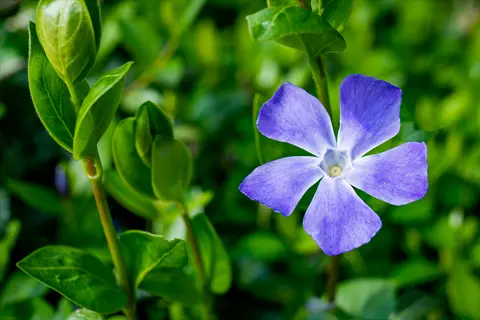
Vinca (Catharanthus)
- Sun Requirement: Performs best in full sun with 6 or more hours of direct light, tolerating reflected heat from pavement and structures that would damage less resilient annuals.
- Pollinator Value: Attracts butterflies with glossy flowers in pink, white, red, and purple shades, providing nectar sources when other heat-stressed plants stop flowering.
- Growing Habit: Compact, mounding plants reach 6 to 18 inches (15 to 46 centimeters) tall with glossy dark green foliage that looks attractive even before flowers appear.
- Bloom Period: Continuous flowering from planting through frost without deadheading required, as modern varieties are self-cleaning and drop spent blooms automatically.
- Heat Tolerance: University of Missouri Extension notes vinca as a tender annual thriving in warm conditions, performing exceptionally in hot, humid summer weather.
- Care Level: Low maintenance once established with drought tolerance after roots develop, though susceptible to root rot in poorly drained or overwatered soils.
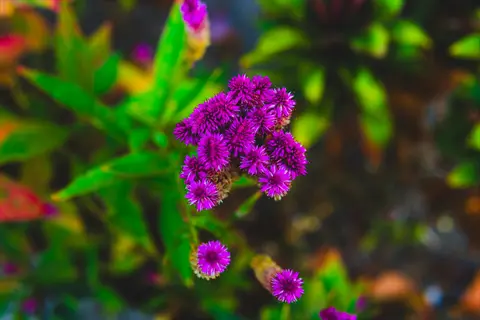
Gomphrena (Globe Amaranth)
- Sun Requirement: Demands full sun with at least 6 hours of direct light for best performance, becoming leggy with reduced flowering when grown in shaded positions.
- Pollinator Value: Clover-like flower heads attract butterflies and bees while lasting exceptionally long as cut flowers, maintaining color for weeks in arrangements.
- Growing Habit: Compact varieties reach 12 to 18 inches (30 to 46 centimeters) while tall types grow to 2 feet (61 centimeters), with globe-shaped flowers in purple, pink, white, and red.
- Bloom Period: Flowers mid-summer through frost with papery blooms that hold color even after drying, making gomphrena excellent for dried flower arrangements.
- Heat Tolerance: Exceptionally heat and drought tolerant once established, thriving in hot conditions that cause many other annuals to stop flowering or decline.
- Care Level: Very low maintenance after establishment, tolerating poor soil and irregular watering while continuing to produce abundant globe-shaped flower heads.
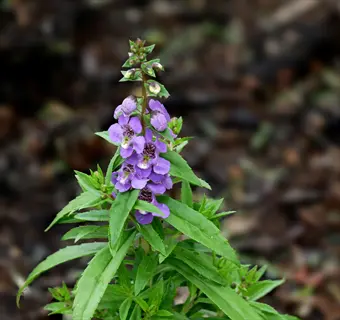
Angelonia
- Sun Requirement: Thrives in full sun with 6 to 8 hours of direct light, maintaining upright growth and continuous flowering even in the hottest summer weather.
- Pollinator Value: Snapdragon-like flowers attract bumblebees and other pollinators with tubular blooms offering nectar throughout the long flowering season.
- Growing Habit: Upright spikes reach 1 to 2 feet (30 to 61 centimeters) tall with narrow leaves and flower spires in purple, pink, white, and bicolor combinations.
- Bloom Period: Continuous flowering from late spring through fall without deadheading required, making it one of the lowest maintenance flowering annuals available.
- Heat Tolerance: Often called summer snapdragon for its ability to flower through heat that causes true snapdragons to stop blooming until cooler fall weather returns.
- Care Level: Low to moderate care with average watering needs and no deadheading required, though benefits from occasional fertilization for maximum flower production.
Science of Sun-Loving Blooms
Most guides list heat tolerant flowers but skip why they handle sun so well. Thermal ecology explains how blooms manage warmth through shape and color. Plants use flower temperature regulation to turn light into bloom power.
Your flower shape affects how plants stay cool in direct sun all day long. Bowl-shaped blooms capture warmth while tubular flowers protect pollen viability from excess warmth. In my garden, flat open flowers stay warmer to touch than deep trumpet shapes do.
Bees prefer warmer blooms and sense tiny temperature changes inside flowers they visit. Some sun-tracking flowers use heliotropism to follow the sun across the sky each day. Your flowers make fewer seeds when they suffer from heat stress.
Planting and Care Guide
Follow these steps to grow full sun annuals that bloom all season in your planting guide. Mississippi State Extension calls soil preparation the most crucial step in annual flower care. Your roots need to dig down fast and grab nutrients before the season ends.
I learned early that watering annuals wrong kills more plants than bugs or disease will. Fertilizing flowers at the right time makes a big difference in how many blooms you see each week. Master deadheading and your beds will stay colorful until frost hits in fall.
Soil Preparation
- Timing: Begin soil preparation several weeks before planting to allow amendments time to integrate and soil biology to establish beneficial conditions for root growth.
- Depth: Till or dig soil to at least 6 inches (15 centimeters) deep as recommended by University of Florida IFAS Extension, loosening compacted layers for root penetration.
- Organic Matter: Add 3 to 4 inches (7.6 to 10.2 centimeters) of organic material like aged compost or well-rotted manure according to Mississippi State Extension guidelines.
- Why It Matters: Mississippi State Extension identifies soil preparation as the most crucial step because annual roots must penetrate soil quickly and absorb nutrients in one season.
Fertilizer Application
- Initial Application: Apply 5-10-5 balanced fertilizer at 1 to 2 pounds (0.45 to 0.9 kilograms) per 100 square feet (9.3 square meters) at planting time.
- Fertilizer Type: Use controlled-release complete fertilizer for steady nutrient delivery throughout the growing season as University of Florida Extension recommends.
- Ongoing Feeding: Apply balanced liquid fertilizer monthly during peak flowering to support continuous bloom production in heavy-feeding annual varieties.
- Container Adjustment: Increase fertilization frequency for container plants since frequent watering leaches nutrients faster than in garden beds.
Watering Schedule
- Weekly Amount: Provide approximately 1.5 inches (3.8 centimeters) of water weekly during peak growth periods according to University of Missouri Extension research.
- Timing: Water in morning hours so foliage dries quickly throughout the day, reducing fungal disease risk that thrives in prolonged moisture.
- Deep Watering: Soak soil thoroughly rather than frequent light sprinkling, encouraging roots to grow deeper for better drought tolerance.
- Heat Adjustment: Increase watering during heat waves when evaporation increases, checking soil moisture before automatically adding water to avoid overwatering.
Deadheading and Maintenance
- Purpose: Remove spent flowers regularly to redirect plant energy from seed production into new bloom development for continuous flowering.
- Technique: Pinch or cut stems back to the next leaf node or branch rather than just removing the dead flower head for cleaner appearance.
- Self-Cleaning Varieties: Choose modern self-cleaning cultivars of petunia, vinca, and angelonia that drop spent blooms automatically without manual deadheading.
- Weeding: Keep beds weeded to reduce competition for water and nutrients, as annual roots are shorter than established perennials.
Container Gardening in Full Sun
Container annuals let you grow beautiful blooms anywhere the sun shines on your property. Extra heat stress hits your patio plants and window box flowers from reflected warmth off concrete. In my experience, the same goes for hanging basket annuals and deck planters.
Potted flowers dry out faster than you might expect in hot summer weather without daily attention. The limited soil volume means roots have less water to draw from during the day. Follow these tips to keep your container flowers blooming strong all season long.
Container Selection
- Size Matters: Choose containers at least 12 inches (30 centimeters) in diameter for most annuals, with larger 18 to 24 inch (46 to 61 centimeter) pots for bigger plants.
- Drainage Holes: Ensure adequate drainage with multiple holes in container bottoms to prevent root rot from waterlogged soil in heavy rain or overwatering.
- Material Considerations: Terra cotta dries faster requiring more watering, while plastic and glazed ceramics retain moisture longer in hot sun conditions.
- Color Effect: Light-colored containers reflect heat better than dark pots, keeping root zones cooler during intense summer sun exposure.
Potting Mix and Drainage
- Soil Choice: Use quality potting mix formulated for containers rather than garden soil, which compacts and drains poorly in confined spaces.
- Drainage Layer: Add 1 to 2 inches (2.5 to 5 centimeters) of gravel or broken pottery at container bottom to improve drainage and prevent root sitting in water.
- Filling Level: Leave 1 inch (2.5 centimeters) between soil surface and pot rim to allow adequate watering without runoff during irrigation.
- Refreshing Soil: Replace or rejuvenate potting mix annually as nutrients deplete and soil structure breaks down over the growing season.
Watering Container Plants
- Frequency: Water containers daily during hot weather as limited soil volume dries much faster than garden beds in full sun exposure.
- Testing Moisture: Insert finger 1 to 2 inches (2.5 to 5 centimeters) into soil to check moisture before watering, as surface dryness can be misleading.
- Thorough Soaking: Water until moisture flows from drainage holes, ensuring entire root ball receives hydration rather than just surface layers.
- Self-Watering Options: Consider self-watering containers with built-in reservoirs for vacation protection or busy schedules during peak heat.
Best Annuals for Containers
- Heat Champions: Lantana, vinca, angelonia, and portulaca excel in hot container conditions that stress less adapted annuals.
- Trailing Options: Calibrachoa, sweet potato vine, and trailing petunia cascade beautifully over container edges and hanging basket sides.
- Compact Choices: Dwarf zinnia, French marigold, and compact salvia fit well in smaller containers and window boxes.
- Thriller-Filler-Spiller: Combine upright plants, mounding fillers, and trailing spillers in larger containers for professional-looking combinations.
Pollinator-Friendly Sun Annuals
Your pollinator garden does more than look pretty in the sun all season long. The right pollinator plants bring bees, butterflies, and hummingbirds to your yard each week. I built my first butterfly flowers bed years ago and now plan for wildlife in every space.
Researchers tested 30 annual types for pollinator appeal in a 4-year study. Their data shows which bee-friendly annuals and hummingbird attractors work best for you. Use the table below to pick your nectar flowers.
Seasonal and Regional Tips
Your planting calendar changes based on where you live and your local growing zones across the country. Warm season annuals like zinnia and marigold need hot soil to thrive in your beds all summer long. Cool season annuals like pansy and snapdragon handle frost and give you spring and fall color when other plants fade.
Missouri Extension groups annuals by frost tolerance to help you plan better planting times each year. I lost three flats of tender vinca one year by planting too early before my soil warmed up in spring. That costly mistake taught me to always match my choices to regional varieties.
Florida gardeners grow blooms year round by swapping warm and cool season types. The table below shows you which blooms fit each season in your area.
5 Common Myths
Full sun annuals can survive any amount of heat without damage because they are adapted to direct sunlight and hot conditions throughout the day.
Even sun-loving annuals experience heat stress. Research from Clemson University shows pollen viability and ovule development decline during extreme temperatures, reducing flower production regardless of sun adaptation.
More watering is always better for full sun annuals since they lose water faster through evaporation in direct sunlight and high temperatures.
Overwatering damages full sun annuals just as much as underwatering. University of Missouri Extension recommends approximately 1.5 inches (3.8 centimeters) weekly, with morning irrigation to prevent fungal diseases.
All annual flowers require full sun to bloom properly, making shade a universal enemy of flowering annual plants in any garden setting.
Many annuals including impatiens, begonias, and coleus actually prefer partial shade and will struggle or burn in full sun conditions. Plant selection must match light availability.
Full sun annuals planted in containers need the same care as those planted in garden beds since the plants have identical growing requirements.
Container annuals require more frequent watering and fertilization because roots cannot spread to find nutrients and moisture. Limited soil volume dries faster in direct sun exposure.
Yellow and orange flowers always perform better in full sun than blue or purple varieties because warm colors reflect more heat energy.
Research shows darker flowers can actually regulate temperature better in some conditions. Oxford University studies found purple Ranunculus glacialis produced more seeds than white variants in sunny alpine environments.
Conclusion
Full sun annuals give you months of bright color when you plant them in spots that get 6 to 8 hours of direct light each day. Your summer garden will reward you with waves of blooms from these sun-loving blooms that thrive in hot and sunny spots.
Good soil prep matters most for annual flowers in sunny beds that face the hot afternoon sun. In my own garden, zinnia and marigold plants tripled their bloom count after I added compost each spring. You will see the same results from these heat tolerant flowers.
Your choices support pollinator plants that feed bees and butterflies all season long in your yard. Every flower you grow adds to the web of life that keeps our gardens healthy and full of helpful bugs that we need.
Start with easy winners like zinnia and marigold to build your skills before you try trickier types. These tough plants forgive small mistakes and still fill your yard with color all summer long.
External Sources
Frequently Asked Questions
Why is certain annuals better for full sun than others?
Annuals suited for full sun have adaptations like thicker leaves, reflective surfaces, deeper root systems, and heat-stable pollen that allow them to photosynthesize efficiently and maintain bloom production in 6 or more hours of direct sunlight.
How frequently should I water full sun annuals?
Water full sun annuals to provide about 1.5 inches (3.8 centimeters) weekly during peak growth, adjusting based on rainfall and heat conditions.
Could full sun annuals grow in partial shade?
Most full sun annuals can tolerate partial shade but will produce fewer blooms and may become leggy when receiving less than 6 hours of direct sunlight.
Which full sun annuals are easiest for beginners?
Marigolds, zinnias, and cosmos are the easiest full sun annuals for beginners due to their heat tolerance, pest resistance, and forgiving nature.
Can full sun annuals attract pollinators?
Yes, many full sun annuals like zinnia, sunflower, salvia, and lantana are excellent pollinator attractors for bees, butterflies, and hummingbirds.
Which soil is best for full sun annuals?
Well-draining soil amended with 3 to 4 inches (7.6 to 10.2 centimeters) of organic compost works best, allowing roots to penetrate quickly and absorb nutrients.
Do full sun annuals that repel pests exist?
Marigolds naturally repel certain pests including aphids and whiteflies, while other aromatic annuals like lantana deter some garden insects.
What is the best way to keep full sun annuals blooming all summer?
Regular deadheading, consistent watering, and monthly fertilizing with balanced fertilizer keeps full sun annuals producing blooms throughout summer.
Is it okay to grow full sun annuals in containers?
Yes, many full sun annuals thrive in containers when given proper drainage, consistent watering, and regular fertilization to compensate for limited root space.
Do full sun annuals require fertilizer?
Most full sun annuals benefit from fertilizer, with university extensions recommending 5-10-5 fertilizer at 1 to 2 pounds (0.45 to 0.9 kilograms) per 100 square feet (9.3 square meters).