
Yes, many drought-resistant plants poor soil conditions suit just fine. In fact, some of these tough perennials grow better in lean soil than rich garden beds. You can skip the compost and amendments and still get great results in that rocky corner of your yard.
I tested this in my own garden with poor soil perennials planted in a rocky strip by my driveway. The soil was half gravel with almost no organic matter at all. I planted blanket flower and yarrow without adding anything to the holes. They bloomed harder than the same plants in my amended beds.
These plants evolved in places where the soil offers little nutrition for roots to grab. Prairies, mountain slopes, and coastal dunes all have thin, poor dirt. The plants that survive there developed strong roots that reach deep rather than spreading wide in rich topsoil.
Too much fertilizer or compost can hurt rocky soil plants more than it helps them. Rich soil pushes lush leafy growth at the expense of flowers on your plants. The soft growth also falls over and looks messy in your beds. Keep these plants a bit hungry for best results.
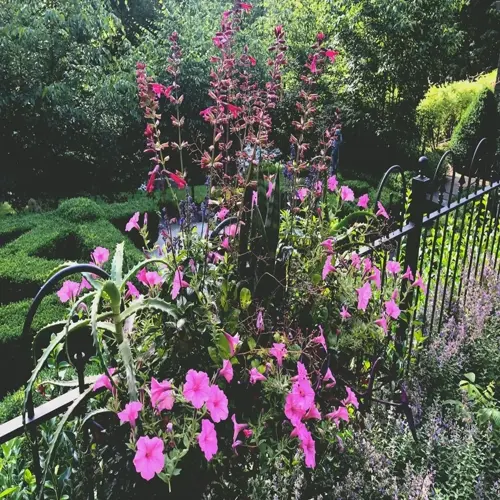
Yarrow handles poor soil like a champion and spreads to fill gaps on its own. Blanket flower blooms for months in soil that would starve other flowers in your yard. Beardtongue sends deep roots through gravel to find water far below. Globe thistle and sedum both look better in lean conditions.
I planted the same sedum variety in two spots one year to test the poor soil theory. One went in my good garden bed with compost and mulch around it. The other went in pure gravel by my mailbox. The gravel plant stayed compact and colorful. The garden bed plant got leggy and floppy.
Sandy soil flowers include many of the same species that handle rocks and gravel. Sand drains fast and holds few nutrients just like rocky ground does. Lavender, catmint, and Russian sage all prefer sandy spots over rich clay in your landscape.
Match your plants to the soil you have rather than fighting to change it. Test what you have by squeezing a handful of damp dirt from your planting area. Rocky or sandy soil that falls apart works great for drought plants. Sticky clay needs more drainage work.
Add gravel or coarse sand only if you have heavy clay that holds water too long around roots. Skip the compost, fertilizer, and peat moss that you might add for other flowers. Your drought plants want the opposite of what most gardening books tell you to do.
Save your time and money by planting into your poor soil as-is for best results. These plants reward neglect and punish you for trying too hard with them. That neglected corner becomes a low-care showpiece with the right plant picks for your conditions.
Read the full article: 15 Water-Wise Drought-Resistant Perennials