
Yes, drought-resistant landscaping cost-effective savings add up fast over time. Water bills drop right away. Maintenance costs shrink too. Your upfront plant investment pays back in just a few years of lower bills.
I tracked my water savings landscaping costs after converting half my lawn to drought beds two years ago. My summer water bill dropped from $180 to $95 per month during the peak heat. That savings alone covered the cost of my plants within eighteen months.
EPA WaterSense data shows water-smart landscapes cut outdoor water use by 20-50%. Most outdoor watering goes straight into the ground where thirsty turf drinks it. Drought plants sip a fraction of that once their roots settle in your yard.
The xeriscape cost benefits go far beyond your water bill each month. You stop buying fertilizer since drought plants grow lean on purpose. Mower gas and maintenance disappear when you shrink or remove lawn areas. These small savings add up to hundreds of dollars each year.
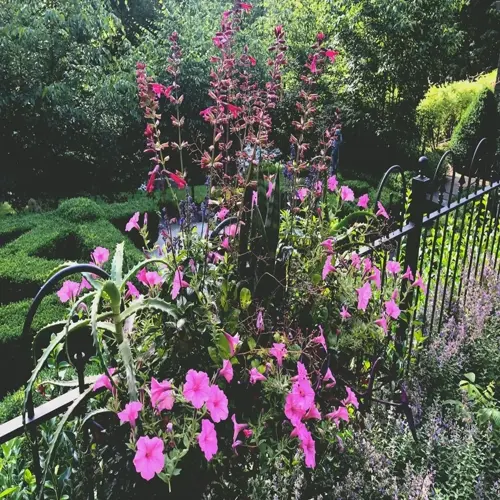
I spent about $400 on plants, mulch, and soil work to convert my first big bed. That same space would have cost me $150 per summer in water alone to keep lawn alive. The bed paid for itself by the end of year three and now costs me almost nothing.
Plant replacement costs drop too once your drought garden matures over time. Lawn needs reseeding or sodding every few years in most climates. Perennials come back year after year without buying new plants. Some even spread to give you free starts for other beds.
Calculate your own savings by tracking water bills for one summer as your baseline. Note how much you spend on lawn care products and mowing supplies too. Add up the total cost of keeping your current landscape alive through the hot months.
Estimate your conversion costs by listing the plants you need at local nursery prices. Add mulch, any soil amendments, and drip supplies if you plan to install them. Divide your current spending by this total to see how fast the garden pays for itself.
Start small if budget concerns you to spread conversion costs over several years. Convert one bed at a time and watch your bills drop with each project completed. The low maintenance garden savings grow each season as more drought plants replace thirsty lawn.
Most gardens reach full payback within 2-4 years based on local water rates. After that, you keep the savings every year as long as you own the place. These drought-resistant landscaping cost-effective gains last decades.
Read the full article: 15 Water-Wise Drought-Resistant Perennials