
Natural pest control bananas growers need goes after three big threats. Those threats are aphids, spider mites, and Panama disease. You can handle all three with organic methods and zero chemicals on your fruit.
These pests and diseases hit your banana patch hard during warm, humid months. The good news is that simple organic tools work well against each one. I've kept my patch healthy for four seasons now using the methods below.
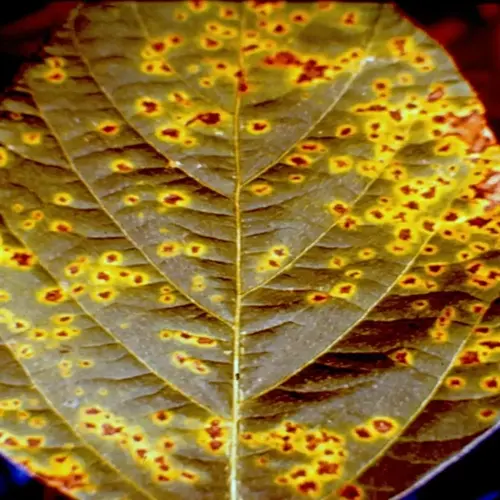
The worst banana plant diseases don't respond to any spray at all. Panama disease comes from a soil fungus called Fusarium. It stays in dirt for over 30 years and kills plants from the roots up. Black Sigatoka attacks leaves with dark streaks that weaken your whole plant. I lost two of my banana stalks to suspected Sigatoka one summer. After that, I started cutting infected leaves the moment I spotted dark patches underneath.
For everyday pests, organic banana pest control comes down to neem oil. I spray my whole banana patch with neem oil every week during the humid summer months. Aphid numbers explode on fresh leaf growth during that time. Mix 2 tablespoons of cold-pressed neem oil with a gallon of water plus a few drops of dish soap. Spray leaf undersides in early morning or late evening so the sun doesn't burn the foliage.
Panama disease has no chemical cure at all. That makes your choice of variety the strongest defense you have. The FHIA breeding program created types that resist this fungus. FHIA-01 Goldfinger and FHIA-02 Mona Lisa both fight off Panama disease and Sigatoka. Plant these instead of Cavendish or Gros Michel for the best results in risky soil.
Inspect Leaf Undersides Weekly
- Aphid signs: Look for clusters of small green or black insects on new leaves, plus sticky honeydew that attracts ants to the plant.
- Spider mite signs: Check for fine webbing between leaf veins and tiny yellow dots where mites feed on leaf cells.
- Action step: Spray neem oil on infested leaves right away and repeat every 5 to 7 days until the bugs are gone.
Remove Damaged Leaves Fast
- Disease spread: Infected leaves release fungal spores that land on healthy foliage during rain and wind events.
- Cutting method: Use clean pruning shears to cut the whole leaf at the base rather than trimming just the bad section.
- Disposal rule: Bag and trash infected leaves rather than composting them since Sigatoka spores survive home compost temps.
Rotate and Companion Plant
- Nematode prevention: Move your planting spot every 4 to 5 years if you can to stop root-knot nematode buildup.
- Lemongrass barrier: Plant lemongrass around your patch edges since its citral compounds repel aphids and soft-bodied pests.
- Soil boost: Grow nitrogen-fixing cover crops between banana mats to build soil health and suppress fungal problems.
Prevention beats treatment every time with natural pest control bananas face in the garden. Walk your patch at least once per month with a close eye on the youngest leaves. Catch an aphid colony early and one neem spray handles it. Miss it for a few weeks and sooty mold covers half your plant from the honeydew those bugs leave behind.
Good garden housekeeping makes a big difference too. Clear old leaf debris from the ground and cut spent stalks after each harvest. This removes hiding spots for pests and breeding grounds for fungal spores. Mix neem oil sprays with resistant varieties and companion planting. You can grow healthy bananas all season without a single synthetic chemical in your garden.
Read the full article: Growing Bananas: Expert Advice for Abundant Harvests