
The top materials never used lasagna gardening beds are treated wood, diseased plants, and pet waste. Bad manure also makes this danger list. These items poison your soil or leave residues that kill crops.
I found this out two years ago when I added free horse manure to my lasagna bed. Within three weeks my tomato plants curled their leaves into tight cups. My pepper plants did the same thing. The manure had aminopyralid herbicide in it from treated pasture grass the horses ate.
A neighbor of mine had the same problem with cattle manure from a local farm. She lost an entire season of squash and beans before figuring out the cause. Both of us now test every batch of manure before it goes near our beds.
MU Extension warns about this exact problem with herbicide residues. Aminopyralid survives the animal's gut and stays in manure for years. It targets broadleaf plants like tomatoes, peppers, and beans. A single load of bad manure can ruin a bed for two growing seasons or more.
Cold composting in lasagna beds does not fix these problems. Cornell Cooperative Extension says low sheet mulch temps fail to kill weed seeds or diseases. Hot composting hits 131 to 170°F (55 to 77°C) and destroys pathogens. Lasagna beds never get that hot. Sick plant material stays dangerous.
Treated or Unknown Manure
- Herbicide risk: Manure from animals fed on treated pastures carries aminopyralid that kills broadleaf crops for up to 3 years in soil.
- Testing method: Grow bean seedlings in a mix of the manure and potting soil for 3 weeks before adding any to your bed.
- Safe sources: Only use manure from farms that confirm no herbicide use on their hay or pasture grasses.
Diseased Plant Material
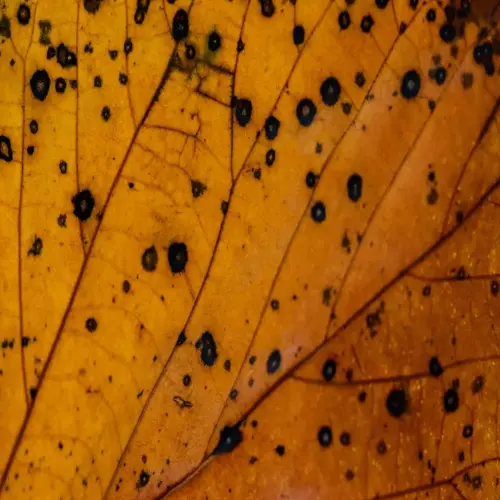
- Persistence problem: Fungal spores from blight, rust, and wilt survive cold composting and infect next season's crops in the same bed.
- Common culprits: Tomato blight leaves, rose black spot clippings, and powdery mildew vines should go in the trash, not your garden.
- Safe alternative: Only add healthy plant scraps and leaves that show no signs of spots, mold, or unusual growth.
Pet Waste and Meat Scraps
- Health hazard: Dog and cat feces carry parasites like toxoplasma and roundworm that survive in soil and transfer to food crops.
- Attraction risk: Meat scraps and dairy products draw rats, raccoons, and other pests that dig through your bed and scatter layers.
- Stick with plants: Only add fruit scraps, veggie peels, coffee grounds, and eggshells to your green nitrogen layers.
Glossy Paper and Treated Wood
- Chemical coatings: Glossy magazine pages and colored flyers contain heavy metals in their inks that leach into soil over time.
- Treated lumber danger: Pressure-treated wood contains copper, chromium, or arsenic compounds that poison soil around your plants.
- Safe paper options: Use plain brown cardboard, newspaper with black ink only, and uncoated paper bags for your carbon layers.
Test unsafe lasagna garden materials like manure with a bean seedling bioassay. Fill two pots with potting soil and mix suspect manure into one. Plant bean seeds in both and wait three weeks. Curled leaves or stunted growth means the batch is bad. Throw it out and find a clean source.
Knowing the full lasagna garden what to avoid list keeps your harvest safe. Stick with clean cardboard, straw from untreated fields, kitchen veggie scraps, and leaves from healthy trees. Every item you add should be something you trust. One bad choice can cost you an entire season of work and food.
Read the full article: Lasagna Gardening Method in 10 Steps