
Good fall vegetable garden care sets you up for a stronger start next spring. This is the time to clean up spent plants, feed your soil, and protect beds from winter damage. The work you do now saves time and builds healthier ground for next year's crops.
I used to ignore my garden once the tomatoes died back. Then I noticed my spring soil looked dead and hard. Now I spend a few fall weekends adding 3 to 4 inches of compost after I pull old plants. By spring, worms have worked that compost into my beds and my soil looks dark and crumbly without any digging.
Start your fall garden cleanup by pulling out all spent vegetable plants. Don't leave dead stems and leaves sitting in your beds through winter. Pests and diseases hide in this debris and wait for spring to attack your new plants. Bag up sick plant material and throw it away instead of composting it.
Preparing garden for winter means protecting all the good work you did this year. Bare soil washes away in winter rains and loses nutrients to erosion. Cover your beds with mulch, leaves, or a cover crop to keep soil in place. This blanket also keeps weeds from sprouting in warm spells.
Remove Old Plants
- Timing: Pull spent crops as soon as they stop producing, before frost turns them to mush in your beds.
- Disease check: Bag and trash any plants that showed signs of blight, mildew, or pest damage this season.
- Healthy stems: Add disease-free plant debris to your compost pile to break down over winter.
Feed Your Soil
- Compost amount: Spread 2 to 4 inches of compost over your beds and let worms work it in over winter.
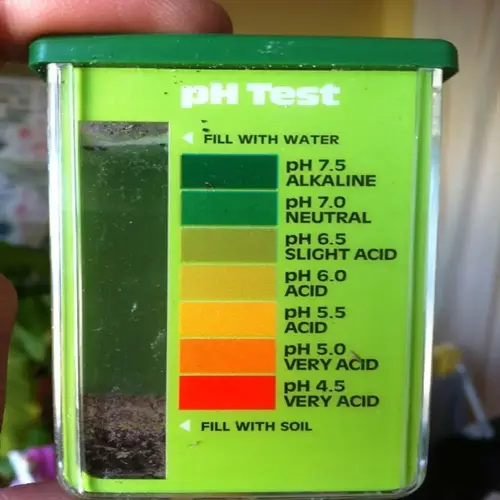
- Soil test: Send a sample to your extension office to check pH and nutrient levels before adding more.
- Lime timing: Fall is the best time to add lime since it needs months to change your soil pH.
Protect Your Beds
- Mulch depth: Add 3 to 4 inches of straw or shredded leaves to insulate soil through winter.
- Cover crops: Plant winter rye or crimson clover to hold soil, add nitrogen, and crowd out weeds.
- Perennial care: Mulch around asparagus and rhubarb crowns after the tops die back.
Plant garlic cloves in fall for a harvest next summer. Garlic needs cold weather to form proper bulbs. Push cloves 2 inches deep and 6 inches apart in your best bed. Cover with mulch and forget about them until green shoots pop up in spring.
Write down what grew well this season while your memory stays fresh. Note which beds had pest problems and which crops failed. This record helps you plan next year's rotation so you don't put the same plant families in the same spots. Rotating crops breaks disease cycles and balances soil nutrients.
Order your seeds in fall before popular types sell out. Seed companies get their new stock in autumn and start shipping in winter. You'll have more choices and better prices than gardeners who wait until spring. Review your notes and try one or two new crops based on what you learned this year.
Clean and oil your tools before you put them away for winter. Dirt left on metal causes rust that shortens tool life. Sharpen spade edges and pruner blades now so they're ready when spring comes. Store tools in a dry spot where moisture won't damage them during the cold months.
Read the full article: 10 Best Vegetable Garden Layout Ideas