
Introduction
Testing soil pH is the single most overlooked step that separates thriving gardens from struggling ones. About 90% of plant problems trace back to soil issues. The pH level sits at the center of most of them. Your tomatoes might have yellow leaves not because they lack iron but because the soil locks that iron away from their roots.
I spent my first 3 years of gardening throwing money at fertilizers that never seemed to work. Then I tested my garden soil and found a pH of 5.2. That single number explained my failures. The soil pH acts like a gatekeeper that controls which nutrients can reach your plants. You could dump pounds of nutrients into the ground, but your plants would still starve if the pH blocks access.
Most gardeners guess at soil amendments without ever running a test. They add lime because a neighbor suggested it or sulfur because they read an article online. This approach leads to over treatment or under treatment that takes years to fix. The pH scale works on a logarithmic system where pH 4.0 is 100 times more acidic than pH 6.0. Small numbers on paper mean huge differences in your soil.
Home test kits now cost between 10 and 50 dollars at most garden stores. Good nutrient availability data is now cheap and easy to get. This guide walks you through how to test your soil and what those numbers mean. You will also learn how to fix any problems you find.
Testing Soil pH Methods
Your choice of pH test kit matters more than most gardeners realize. Oregon State research found that cheap analog probes missed the mark by up to 2.0 pH units. That kind of error could lead you to add lime when you need sulfur. It might cause you to skip treatment when your plants are starving.
I have tested my garden beds with every method on this list over the past 5 years. Paying a bit more upfront saves money on wasted amendments later. A professional soil test from your extension office costs around 15 to 50 dollars and gives you the most complete picture. A solid pH meter runs between 20 and 100 dollars and pays for itself after just a few uses.
The DIY soil test using vinegar and baking soda costs nothing but tells you almost nothing useful. It shows only if your soil leans acidic or alkaline without any numbers to guide your next steps. pH test strips offer a middle ground at about 12 dollars per 100 strips. They give you readable numbers but lack the precision of digital meters.
Oregon State compared digital pH meters against 82 lab tests. They found digital meters to be the most accurate home option. The table below breaks down each soil test kit so you can pick the right tool for your garden.
How the pH Scale Works
The pH scale runs from 0 to 14, with 7.0 being neutral pH. Numbers below 7 mean you have acidic soil while numbers above 7 mean alkaline soil. Most garden plants thrive somewhere between 6.0 and 7.0 on this pH scale. The global average sits around 6.36, so most of us work with somewhat acidic conditions.
Here is what trips up most gardeners. The pH scale works like the Richter scale for earthquakes. Each number represents a tenfold change rather than an equal step. Moving from pH 6.0 to pH 5.0 means your soil acidity jumped by 10 times. Drop to pH 4.0 and your soil is now 100 times more acidic than it was at pH 6.0.
This math matters when you figure out how much lime to add. A soil at pH level 5.0 needs much more lime than one at pH 5.5 even though the numbers look close. I learned this the hard way when I added what seemed like a lot of lime to my acidic soil and saw almost no change. Small pH level shifts require large amounts of material to achieve.
The list below shows what happens to your plants at each pH level range. Use it to figure out where your soil falls and what that means for your garden.
Very Acidic Soil (pH 3.0-5.0)
- Nutrient Status: Phosphates become locked up and unavailable to plant roots, while essential nutrients wash away fast with watering and rainfall.
- Plant Impact: Most vegetables and common garden plants struggle hard in this range, showing yellowing leaves and stunted growth patterns.
- Common Causes: Heavy rainfall regions, pine needle mulch buildup, and decades of acid forming fertilizer use without lime correction.
Acidic Soil (pH 5.1-6.0)
- Ideal Plants: This range suits ericaceous plants well, including rhododendrons, azaleas, camellias, blueberries, and heathers that evolved in acidic conditions.
- Nutrient Availability: Micronutrients like iron, manganese, and zinc stay available at high levels, which acid loving plants need in greater quantities.
- Amendment Approach: If growing acid lovers, maintain this range; otherwise, gradual lime applications over 12 to 18 months can raise pH without risk.
Moderately Acidic Soil (pH 6.1-7.0)
- Optimal Range: Most vegetables, fruits, annuals, and perennials thrive here, with pH 6.5 considered optimal for the widest variety of garden plants.
- Nutrient Access: Nearly all essential nutrients remain plant-available in this range, supporting robust growth without deficiency symptoms or toxicity.
- Testing Frequency: Once achieved, test every 3 to 5 years to monitor natural drift and catch changes before plants show stress symptoms.
Alkaline Soil (pH 7.1-8.0)
- Common Issues: Phosphorus becomes less available and iron deficiency chlorosis appears as yellowing between leaf veins on new growth.
- Regional Prevalence: Common in arid western regions, areas with limestone bedite, and soils around concrete foundations that leach lime.
- Correction Benefits: While challenging to lower, alkaline soils suppress clubroot disease in brassicas like cabbage and broccoli on their own.
Plant pH Requirements
Different plants need different pH levels to grow well. Blueberries need a blueberry pH of around 4.8 to produce fruit. Most vegetables want pH 6.0 to 6.5. That gap of almost 2 full pH units means one size does not fit all in your vegetable garden pH planning.
I grow both blueberries and tomatoes on my property and learned this lesson the hard way. I had to create two separate beds with different soil mixes to make them happy. My acid-loving plants sit in beds amended with sulfur while my vegetable rows get regular lime. When you group your plants by pH preference, you save yourself a lot of trouble.
The optimal pH for plants often determines whether your crops thrive or struggle. Your tomatoes in acidic soil will show calcium deficiency and get blossom end rot. The calcium is present but your plants cannot access it at the wrong pH. Plant pH requirements matter more than you might think.
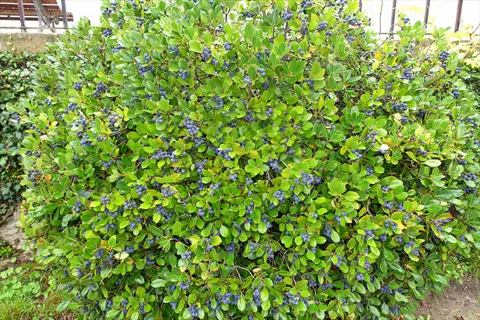
Strongly Acidic Plants (pH 4.5-5.5)
- Blueberries: Require pH 4.8 for optimal fruit production, with higher pH causing iron chlorosis and reduced berry yields even with ample fertilization.
- Rhododendrons and Azaleas: These ericaceous shrubs evolved in acidic forest soils and develop yellow leaves fast when pH exceeds 6.0.
- Cranberries: Native bog plants needing acidic conditions around pH 4.5 to 5.0 for successful growth and fruit development.
- Heathers: European heathland natives that perform best in acidic conditions and struggle to absorb nutrients in neutral soils.
- Camellias: These flowering shrubs require acidic soil between pH 5.0 and 5.5 to prevent nutrient lockout and maintain dark green foliage.
- Growing Tips: Amend with sulfur or aluminum sulfate, use rainwater for irrigation, and mulch with pine needles to maintain acidity.
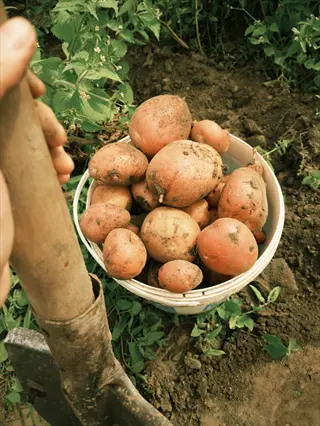
Moderately Acidic Plants (pH 5.5-6.2)
- Potatoes: Prefer pH 5.2 to 5.8 where scab disease incidence drops and tubers develop cleaner skin for harvest.
- Sweet Potatoes: Thrive in similar conditions to regular potatoes, tolerating acidic soils that suppress various root diseases.
- Strawberries: Produce best fruit quality and quantity in pH 5.5 to 6.5, with acidity helping prevent root rot pathogens.
- Raspberries: These brambles prefer acidic conditions around pH 5.5 to 6.2 for optimal cane production and berry development.
- Peppers: While tolerant of various conditions, peppers produce best yields in acidic soil around pH 6.0 to 6.5.
- Growing Tips: Test soil each year when growing these crops, as they respond fast to pH changes with visible growth differences.
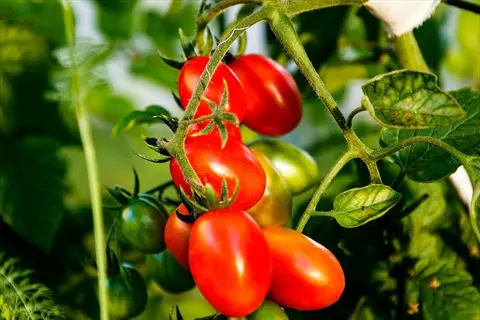
Slightly Acidic Plants (pH 6.0-6.8)
- Tomatoes: Thrive at pH 6.0 to 6.5 where calcium availability prevents blossom end rot and supports vigorous vine growth.
- Beans and Peas: Legumes prefer pH 6.0 to 7.0 where nitrogen fixing bacteria in root nodules function at their best.
- Carrots and Beets: Root vegetables develop best quality in pH 6.0 to 6.8, producing sweeter flavor and better storage traits.
- Lettuce and Greens: Leafy vegetables perform well in this range, absorbing nutrients fast for rapid and tender leaf production.
- Corn: Requires pH 6.0 to 6.5 for optimal nitrogen uptake and ear development throughout the growing season.
- Growing Tips: This range suits most vegetable gardens; maintain with regular testing every 3 years and lime as needed.
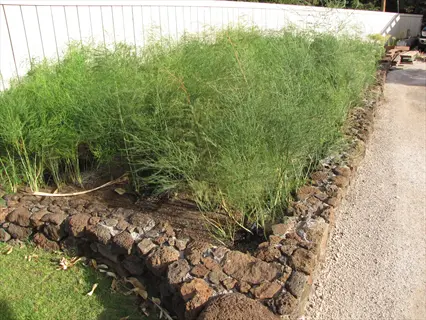
Neutral to Alkaline Plants (pH 6.5-7.5)
- Asparagus: This perennial vegetable tolerates and even prefers alkaline conditions up to pH 7.5 for decades long productivity.
- Brassicas: Cabbage, broccoli, and cauliflower perform well in neutral to alkaline soil where clubroot disease risk decreases a lot.
- Spinach: Prefers pH 6.5 to 7.5 and develops bitter leaves when grown in acidic conditions below pH 6.0.
- Alfalfa: Requires pH 6.8 or higher for strong establishment and productive growth as a cover crop or forage plant.
- Lavender: Mediterranean herbs like lavender prefer alkaline conditions around pH 7.0 to 7.5, mimicking their native limestone soils.
- Growing Tips: Avoid over liming even for these plants; pH above 7.5 begins limiting micronutrient availability for most crops.
Interpreting Your Results
Getting your soil test results is one thing. Knowing what to do with them is another. Most guides tell you how to test but leave you confused about your next steps. Let me walk you through how to interpret soil test results so you can take the right action for your garden.
Your soil pH levels tell you what your plants experience right now. Lab reports often show two numbers: water pH and buffer pH. The water pH shows active acidity in your soil today. The buffer pH shows reserve acidity and tells you how much lime you need to make a change. Both pH values matter for planning your amendments.
Keep in mind that soil pH swings by 0.3 to 0.5 units between spring and summer. A test in April might read 6.2 while the same bed reads 5.8 in July. I learned to test in the same season each year so my numbers stay comparable over time. What is a good soil pH? For most gardens, you want to land between 6.0 and 7.0.
Water pH Reading
- What It Measures: The active acidity or concentration of hydrogen ions in your soil solution that your plants encounter right now.
- Interpretation: This number tells you current conditions and immediate plant impact, with readings from 4.0 to 8.0 in most garden soils.
- Seasonal Note: Expect readings 0.3 to 0.5 units higher in spring versus mid summer due to natural biological and chemical cycles in soil.
Buffer pH Reading
- What It Measures: The reserve acidity representing how hard your soil resists pH changes, indicating how much lime you need to apply.
- Interpretation: Lower buffer pH means more lime required because your soil has greater acidic reserves buffering against change.
- Lab Specific: Different labs use different buffer solutions, so compare results only to recommendations from the same testing service.
Below pH 5.5 Results
- Assessment: Strong acidic conditions requiring major amendment before growing most vegetables, fruits, or ornamental plants with success.
- Action Required: Apply lime according to test recommendations, around 50 to 100 pounds per 1,000 square feet in split applications.
- Timeline: Allow 6 to 12 months for full effect, meaning fall application prepares soil for spring planting well.
pH 5.5 to 6.0 Results
- Assessment: Moderate acidic conditions suitable for acid loving plants but requiring adjustment for most vegetables and common garden plants.
- Action Required: Moderate lime application of 25 to 50 pounds per 1,000 square feet should bring soil to optimal range.
- Monitoring: Retest in 6 months to verify correction is progressing and determine if additional applications are needed.
pH 6.0 to 7.0 Results
- Assessment: Optimal range for most garden plants where nutrients remain available and beneficial soil microbes thrive.
- Action Required: Maintain current conditions with organic matter additions and test every 3 to 5 years to catch any drift.
- Success Indicator: Your plants should show vigorous growth without deficiency symptoms when pH stays in this zone.
Above pH 7.5 Results
- Assessment: Alkaline conditions that may cause iron chlorosis, zinc deficiency, and reduced phosphorus availability in many plants.
- Action Required: Apply elemental sulfur at 0.5 to 1 pound per 100 square feet to lower pH over time.
- Patience Required: Lowering pH takes longer than raising it, often requiring multiple seasons of treatment and retesting.
How to Adjust Soil pH
Learning how to adjust soil pH saves you years of trial and error in your garden. The key is using the right soil amendments at the right rates. Too much lime for soil causes iron deficiency and yellow leaves. Too much sulfur for soil can burn plant roots. Always follow your test results.
To raise soil pH, you need lime. Ground limestone works well for most gardens but takes 6 to 12 months for full effect. NC State research says to apply no more than 50 pounds per 1,000 square feet at one time. If you need more, split it into two applications 6 months apart. I add lime in the fall so it has time to work before spring planting.
To lower soil pH, you need sulfur. The amount depends on your soil type. Sandy loam needs 0.16 ton per acre to drop one pH unit. Silt loam needs about 0.5 ton per acre for the same change. That is three times more material for heavier soil. Always start with your test results and adjust from there.
The table below shows common soil amendments and their rates. Use these numbers as a starting point but follow your lab report when you have one.
5 Common Myths
The vinegar and baking soda test provides accurate pH readings that can guide your soil amendment decisions effectively.
This DIY method only indicates whether soil is acidic or alkaline and cannot measure specific pH values. Research shows you need proper meters or lab tests for accurate readings.
Lime works immediately after application, so you can plant right away once you spread it on your garden beds.
Lime takes 6 to 12 months to achieve its full pH-raising effect. Plan amendments well in advance of planting for best results.
All pH meters provide the same level of accuracy, so the cheapest option works just as well as expensive models.
pH probes can fail to distinguish samples differing by 2.0 pH units, while hand-held digital meters produce results closest to laboratory standards.
Once you correct your soil pH to the ideal range, it will stay there permanently without further monitoring.
Soil pH naturally fluctuates 0.3 to 0.5 units seasonally and changes over time due to rain, fertilizers, and organic matter decomposition. Regular testing is essential.
Adding more lime than recommended will fix acidic soil faster and give your plants an extra boost.
Over-liming causes iron deficiency chlorosis and can make nutrients unavailable to plants. Maximum surface application should not exceed 50 pounds per 1,000 square feet.
Conclusion
Testing soil pH gives you control over your garden soil that most gardeners never achieve. A simple soil pH test reveals why your plants struggle or thrive. The numbers guide every decision you make about amendments and care. The results show up in healthier plants and bigger harvests year after year.
Stick to a regular soil testing schedule to keep your garden on track. Sandy soils need a check every 2 to 3 years while clay soils hold steady for 3 to 4 years between tests. I mark my calendar each fall to test and amend before winter so the lime has time to work. That 6 to 12 month waiting period means you must plan ahead rather than react at the last minute.
Digital meters give you the best accuracy for home testing based on Oregon State research. A professional lab test costs under 30 dollars and shows you the full picture of your soil health. Both options beat cheap probes and DIY fizz tests by a wide margin.
Start with one test this season and see what your garden soil tells you. That single step puts you ahead of most gardeners who spend years guessing. Your soil has the answers. You just need to ask the right question.
External Sources
Frequently Asked Questions
Do soil pH testers actually work?
Yes, but accuracy varies significantly by type. Hand-held pH meters produce results closest to laboratory averages, while pH probes may fail to distinguish samples differing by two pH units. Digital meters generally outperform analog probes and test strips.
What are signs of low soil pH?
Common signs of low soil pH include:
- Yellowing leaves despite adequate fertilization
- Stunted plant growth and poor root development
- Increased aluminum toxicity symptoms
- Reduced nitrogen and phosphorus uptake
Can I use apple cider vinegar to test my soil?
You can use apple cider vinegar as a rough indicator of soil alkalinity. If soil fizzes when vinegar is added, it indicates alkaline conditions above pH 7.0. However, this method only provides a general indication and cannot measure specific pH values.
How accurate are soil moisture testers?
Soil moisture testers vary widely in accuracy. Basic models provide general readings while professional-grade sensors offer precise measurements. For pH specifically, separate dedicated pH testers outperform combination moisture and pH meters.
What are the disadvantages of using a pH probe?
pH probes have several limitations:
- May fail to distinguish samples differing by two pH units
- Require proper calibration for accurate readings
- Can provide inconsistent results in very dry soil
- Need regular cleaning and electrode maintenance
What are the disadvantages of soil testing?
Soil testing has some drawbacks including cost for professional lab analysis, time delays for mail-in results, seasonal pH variations affecting accuracy, and the need to collect multiple samples for representative results across your garden.
How to make a homemade pH tester?
You can make a basic pH indicator using red cabbage by boiling chopped cabbage in distilled water, straining the liquid, and mixing it with soil water. The solution changes color based on pH: pink indicates acidic, purple means neutral, and green shows alkaline conditions.
Can I test soil pH with litmus paper?
Yes, litmus paper can test soil pH by mixing soil with distilled water, letting it settle, and dipping the paper in the liquid. Red indicates acidic and blue indicates alkaline. However, litmus paper only shows acidic or alkaline, not specific pH values.
Does baking soda lower pH in soil?
No, baking soda raises soil pH rather than lowering it. As an alkaline substance with a pH around 9, baking soda can help neutralize acidic soils. To lower pH, you need acidic amendments like elemental sulfur or aluminum sulfate.
What is the most accurate way to measure soil pH?
The most accurate way to measure soil pH is through professional laboratory testing, where samples are analyzed using standardized methods with a 1:1 soil-to-water ratio. Hand-held digital pH meters offer the best accuracy for home testing.