
Most soil moisture testers accurate enough for basic wet versus dry readings but fall short on precise numbers. Cheap meters can swing 15 to 25% off the true moisture level in your soil. Professional grade sensors cost more but track within a few percent of actual content.
I tested this myself with three different meters last summer. I stuck my cheap combo unit into a bed I had just watered and it read 8 out of 10. My mid-range digital meter showed 72% moisture in the same exact spot. A rented professional probe read 68% which was closest to what I expected after deep watering.
The moisture meter reliability issue gets worse with a combination soil meter. These units try to measure moisture, pH, and light all in one probe. Cramming three sensors into one tool means each function works worse. You end up with rough guesses instead of solid data for your garden.
Several factors throw off your soil sensor accuracy beyond just meter quality. The probe needs solid contact with the soil to read right. Air pockets around the probe give you low readings even in wet ground. Rock fragments and heavy clay also mess with the signals the meter uses.
I ran into this contact problem when testing my container plants last fall. My meter showed bone dry readings in pots I had watered that same morning. The issue was air gaps in my fluffy potting mix. Once I pressed the soil down around the probe, the readings jumped from 2 to 7 on the dial.
Soil Contact Problems
- What happens: Air gaps between your probe and soil create false readings that show drier than reality.
- How to fix it: Push the probe straight down and wiggle gently to close air pockets around the metal.
- When it matters: Loose sandy soil and freshly tilled beds give the worst contact for accurate readings.
Extreme Moisture Levels
- Very dry soil: Meters often read zero even when some moisture exists because dry soil blocks signals.
- Saturated soil: Readings max out before true saturation so you cannot tell wet from flooded ground.
- Sweet spot: Most meters work best in the 30 to 70% moisture range where signals flow well.
Calibration Drift
- Over time: Your meter loses accuracy as the sensor degrades from soil contact and exposure to weather.
- How fast: Cheap meters drift within one growing season while quality units hold calibration for years.
- Maintenance needed: Clean your probes after each use and store them dry to extend meter life.
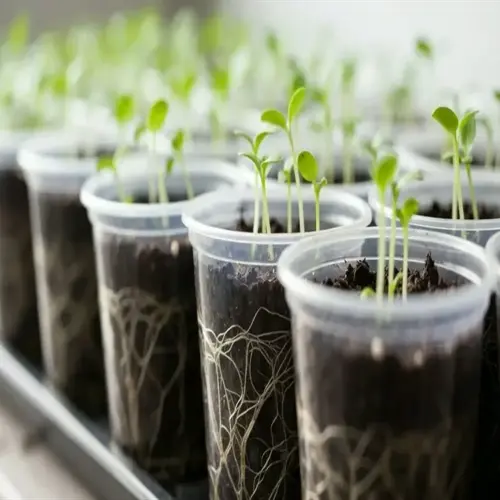
I now use my cheap meter just to check if soil is wet, moist, or dry in general terms. The actual number on the dial does not mean much to me anymore. For my seedling trays where moisture matters most, I use a dedicated digital sensor that holds its setting.
Think of budget moisture meters as a finger in the soil with a dial attached. They tell you something is there but not how much. For real numbers you can trust, invest in a separate dedicated meter. You will pay 40 to 80 dollars for a unit that gives readings you can repeat.
Read the full article: Testing Soil pH: A Complete Guide for Gardeners