
The main signs of low soil pH show up in your plants before you ever test the dirt. You will see yellowing between leaf veins, stunted growth, and poor fruit set on your vegetables. These acidic soil symptoms tell you that your plants cannot access the nutrients they need.
I spent two years fighting yellowing tomato leaves before I figured out what was wrong. My plants looked hungry even though I fed them every two weeks. When I tested the soil, it came back at pH 5.1 which was far too acidic for my vegetables to thrive.
The reason your plants struggle in acidic soil comes down to nutrient lockout. Even when phosphorus, nitrogen, and potassium sit in the ground, your plants cannot absorb them at low pH levels. The soil acidity problems block the roots from taking in what they need. This creates a plant pH deficiency that looks just like starvation.
I noticed my corn leaves turning purple at the edges one summer. This meant the phosphorus in my soil was locked up tight. The plants could not grab it no matter how much fertilizer I added. Purple leaves on corn are a classic sign that your pH has dropped too low for proper nutrient uptake.
Yellowing Between Veins
- What it looks like: Leaves turn yellow while the veins stay green, starting with older leaves at the bottom of your plant.
- Nutrients affected: Iron, manganese, and zinc become locked out when your soil pH drops below 6.0 in most gardens.
- Plants most affected: Tomatoes, peppers, beans, and most vegetables show this symptom before other crops do.
Blossom End Rot
- What it looks like: Dark sunken spots form on the bottom of your tomatoes, peppers, and squash where they touch nothing.
- Nutrients affected: Calcium cannot reach your fruit even when your soil has plenty of it locked up below pH 6.0.
- How to confirm: Test your soil pH since adding calcium will not fix the rot if acidity is your real problem.
Stunted Growth Patterns
- What it looks like: Your plants stay small and compact with short stems and small leaves compared to healthy neighbors.
- Nutrients affected: Nitrogen and phosphorus stay locked in soil when pH drops, stopping new growth in your garden.
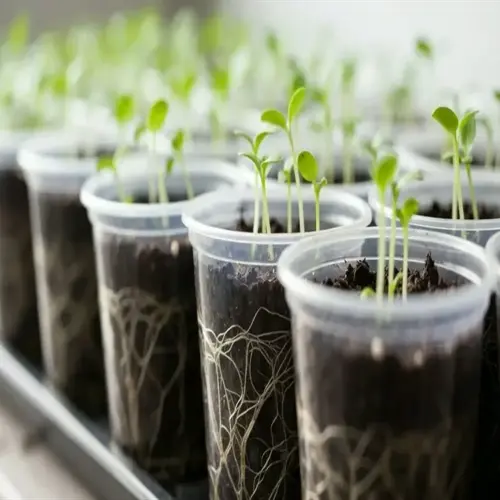
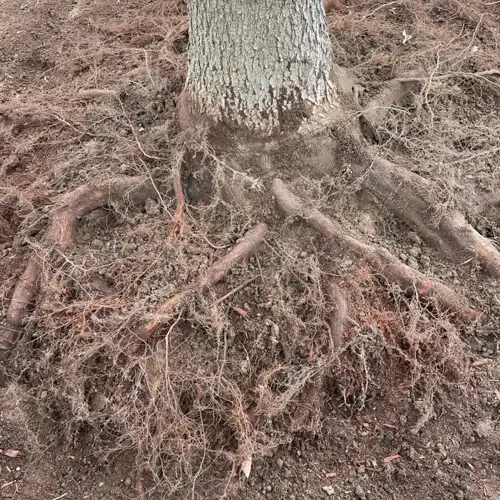
- Root signs: Pull up a plant and you may see short brown roots instead of long white ones reaching out.
Blossom end rot hit my peppers hard two summers ago. I kept adding calcium but the black spots kept coming back on every fruit. The real problem was my pH sitting at 5.4 which locked all that calcium in the soil. Once I raised the pH with garden lime, my next crop came out clean.
You should always test your soil before you treat these symptoms. The same signs can show up from other causes like drought stress or actual nutrient shortage. A simple pH test costs under 20 dollars at most extension offices and tells you for sure what you are dealing with.
Get your soil tested every two to three years even when your plants look healthy. Catching a pH drift early saves you from watching a whole season of crops struggle. Your local extension office can run the test and tell you how much lime you need to fix the problem.
Read the full article: Testing Soil pH: A Complete Guide for Gardeners