
The key to successful eggplant growth is temperature. Your plants will struggle if nights drop below 60°F (16°C). Get the heat right, and everything else becomes much easier to manage.
I learned this the hard way during my first season. Half my plants sat in a cooler corner of the garden. The rest got full afternoon sun near a south-facing wall. The warm-spot plants made three times more fruit than their chilly neighbors. Both groups got the same water and fertilizer. Temperature made all the difference.
Your eggplant temperature requirements trace back to warm regions. These plants first grew in India and Southeast Asia. Cold nights do not happen there. Their whole biology expects steady warmth from spring through fall.
Eggplants differ from tomatoes and peppers in this regard. Those crops tolerate some cool weather without major issues. Eggplants shut down the moment temps dip. They stop growing, drop flowers, and sit idle until warmth returns.
Research from Michigan State supports what gardeners have seen for years. Fruit will not set when temps fall below 60°F (16°C). This holds true no matter how healthy your plants look. Drop below 50°F (10°C), and you risk damage to leaves and roots. Your plants might survive, but they will not bounce back that season.
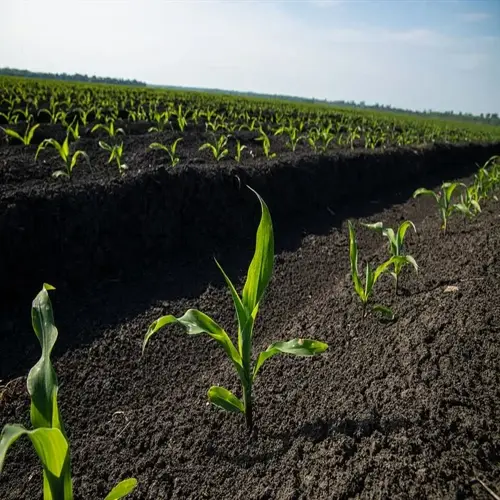
Growing eggplant successfully means thinking like a tropical plant. The soil needs to reach at least 65°F (18°C) before you move seedlings outside. In most zones, this means waiting two to three weeks after your last frost date.
Rushing the season saves no time at all. Cold-stressed plants grow slower than those planted into warm soil. A transplant set out two weeks late in warm ground will catch up fast. It may even pass plants set out too early in cold soil.
A simple soil thermometer costs about five dollars and saves you weeks of trouble. Check the soil temp in the morning when it hits its coolest point. If readings stay above 65°F (18°C) for several days, your eggplants will do well.
Row covers help you deal with spring weather swings. These light fabric sheets trap heat and can boost temps by 5-10°F (3-6°C). Keep some handy even after planting because late cold snaps happen in most areas.
Site choice deserves thought when you plan your eggplant growing conditions. Pick the warmest spot in your garden. A south-facing wall or fence works great because it sends heat back in the evening. Dark mulch or black plastic soaks up sun and warms roots.
Watch nighttime forecasts all season long. Days might hit 85°F (29°C), but one night below 55°F (13°C) can stall fruit growth for weeks. When cool nights threaten, cover plants with row covers or old sheets to trap warmth.
Raised beds warm up faster in spring than flat ground. Build beds eight to twelve inches tall and fill them with dark, rich soil. The extra height helps water drain and lets the sun heat the root zone from all sides.
Black plastic mulch gives your plants a big boost in cooler zones. Lay it over the bed a week before planting to pre-warm the soil. Cut holes for each transplant. The plastic keeps soil warm and blocks weeds all season.
I now use a combo of raised beds, black plastic, and row covers each spring. This method ensures successful eggplant growth in my zone 5 garden. My plants fruit two to three weeks earlier than when I started gardening. These small steps add up to a much longer harvest window.
Master the heat game, and eggplants become much simpler to grow. Give them the warmth they need, and they will reward you with plenty of tender fruit all summer.
Read the full article: Growing Eggplant: Professional Tips for Larger Harvests