
Introduction
You want to know how to grow cucumbers: expert tips for beginners that work in real gardens and not just on paper. Fresh ones from your backyard taste nothing like waxy store versions that sit on shelves for days. This vegetable ranks among the most forgiving crops for new gardeners to try. You can get a great harvest even in your first growing season with some basic knowledge and the right approach to care and timing in your garden beds.
I started growing these vines over 15 years ago and made every mistake in the book along the way. Those failures taught me one key lesson about timing that changed everything. Success comes down to soil temperature rather than dates on a calendar. When I got this right, my harvests jumped to 75 to 100 pounds per 100 feet of row each summer. That kind of output keeps my family in fresh salads and pickles for months on end.
The process works a lot like following a good recipe in your kitchen. You need the right ingredients and proper timing to get the result you want. The steps stay simple once you learn them and put them into practice. The cucumber growing tips below show you when to plant and how much water to give for your best results yet. Each one comes from real world experience and solid research.
You will find beginner vegetable gardening advice below that I wish someone shared with me when I first got started. Each tip comes from my own garden tests over many seasons. I also used data from university programs to back up the advice.
10 Expert Cucumber Growing Tips
This cucumber planting guide covers everything you need to know from seed to harvest in one place. Each tip comes from years of hands on testing in my own garden beds and research from state extension programs. The key to success starts with getting the soil temperature for cucumbers right before you put a single seed in the ground.
Good cucumber care means watching a few key factors all season long. You need to meet the cucumber soil requirements for drainage. Keep up with cucumber watering on a steady schedule. Pick your fruits before they get too big. Most plants reach cucumber harvest stage within 50 to 70 days from planting.

Wait for Warm Soil
- Temperature: Plant cucumber seeds only when soil reaches 60 to 70 degrees Fahrenheit (15.5 to 21 degrees Celsius) at 1 inch (2.5 centimeters) depth for reliable germination.
- Timing Tip: Use a soil thermometer rather than calendar dates since ground temperature varies significantly by location and yearly weather patterns.
- Speed Boost: Black plastic mulch warms soil 2 to 3 weeks earlier, allowing planting ahead of schedule in cooler spring conditions.
- Germination Rate: Seeds planted in properly warmed soil germinate within 5 to 10 days, while cold soil causes rot and poor emergence.
- Indoor Start: Begin seeds indoors 3 to 4 weeks before transplanting if your growing season runs short, using biodegradable pots to minimize root disturbance.
- Warning Sign: Seedlings placed in cold soil grow slowly and become stunted, often never recovering to produce full harvests.
Choose Your Variety Wisely
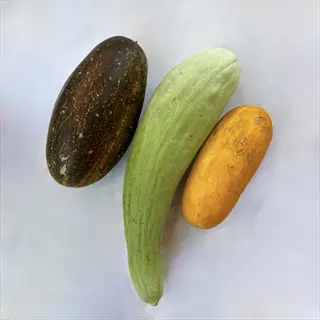
- Vining Types: These produce higher yields and work best with trellis support, requiring 4 to 5 feet (1.2 to 1.5 meters) between rows for sprawling growth.
- Bush Types: Compact plants ideal for containers and small gardens, producing earlier harvests in tighter spaces without support structures.
- Slicing Varieties: Marketmore and Straight Eight grow 6 to 8 inches (15 to 20 centimeters) long with mild flavor perfect for fresh salads and sandwiches.
- Pickling Varieties: Boston Pickling and Kirby cucumbers have thinner skin and crispier flesh specifically bred for preserving in brine.
- Disease Resistance: Modern varieties like Cortez and Dominator resist downy mildew, reducing chemical intervention needs throughout the growing season.
- Beginner Recommendation: Start with Marketmore76 for reliable performance and disease tolerance that forgives common beginner mistakes.
Prepare Rich, Well-Draining Soil
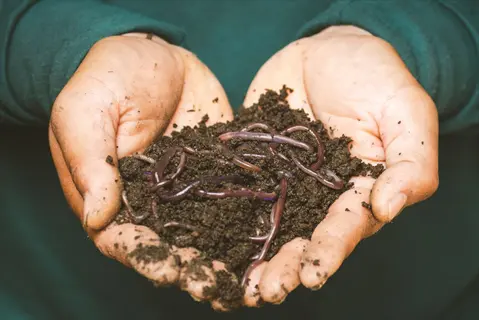
- pH Level: Cucumbers thrive in soil with pH between 6.0 and 6.5, which you can test using inexpensive kits from garden centers.
- Organic Matter: Work 4 to 6 inches (10 to 15 centimeters) of finished compost into the top 10 inches (25 centimeters) of soil before planting.
- Drainage Test: Dig a hole 12 inches (30 centimeters) deep, fill with water, and check that it drains within 2 to 3 hours for proper drainage.
- Pre-Plant Fertilizer: Apply balanced 10-10-10 fertilizer at 1 to 2 pounds (0.45 to 0.9 kilograms) per 100 square feet (9.3 square meters) before planting.
- Avoid Compaction: Loose soil allows cucumber roots to spread widely, accessing more nutrients and water for bigger harvests.
- Raised Bed Advantage: Raised beds warm faster in spring and provide excellent drainage control for cucumber success.
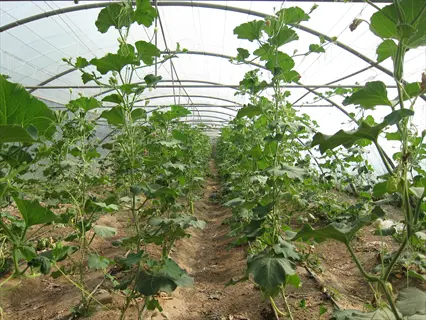
Space Plants Properly
- Seed Depth: Plant cucumber seeds 1 inch (2.5 centimeters) deep in warm soil, covering lightly and firming gently to ensure good seed-to-soil contact.
- Row Spacing: Space rows 4 to 5 feet (1.2 to 1.5 meters) apart for vining varieties to allow adequate air circulation and easy harvesting access.
- Plant Spacing: Thin seedlings to 8 to 12 inches (20 to 30 centimeters) apart once they develop their first true leaves for optimal growth.
- Hill Method: Create small mounds 3 to 5 feet (0.9 to 1.5 meters) apart, planting 4 to 6 seeds per hill and thinning to the strongest 2 to 3 plants.
- Crowding Problems: Plants growing too close compete for water and nutrients while creating humid conditions that encourage fungal diseases.
- Trellis Spacing: When growing vertically, you can reduce row spacing to 2 feet (60 centimeters) since vines grow upward rather than outward.
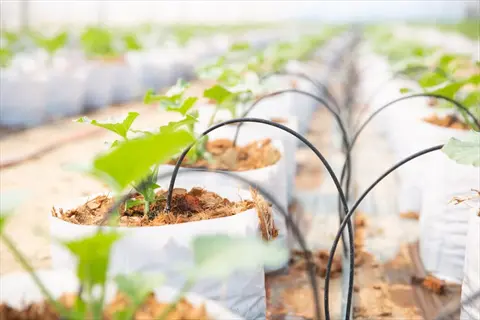
Water Deeply and Consistently
- Weekly Amount: Provide 1 to 2 inches (2.5 to 5 centimeters) of water per week through rainfall or irrigation for healthy cucumber production.
- Deep Watering: Soak soil to 6 to 8 inches (15 to 20 centimeters) depth rather than frequent light watering that encourages weak surface roots.
- Morning Schedule: Water early in the day so foliage dries before evening, reducing fungal disease risks that thrive in overnight moisture.
- Drip Irrigation: Soaker hoses or drip lines deliver water directly to roots without wetting leaves, cutting disease pressure significantly.
- Stress Prevention: Inconsistent watering causes bitter-tasting cucumbers due to cucurbitacin compounds that concentrate during drought stress.
- Mulch Benefits: Apply 2 to 3 inches (5 to 7.5 centimeters) of straw mulch after soil warms to 75°F (24°C) to retain moisture between waterings.
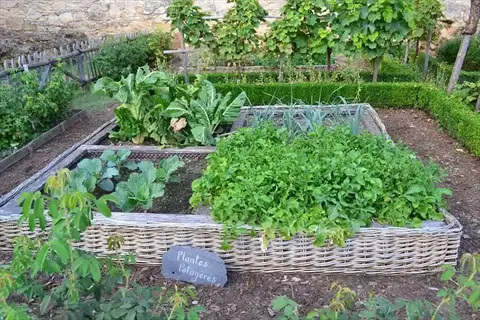
Provide Adequate Sunlight
- Daily Requirement: Cucumbers need 6 to 8 hours of direct sunlight daily for optimal leaf growth and fruit production throughout the season.
- Site Selection: Choose the sunniest spot in your garden, avoiding areas shaded by buildings, fences, or tall plants during peak growing hours.
- Hot Climate Adjustment: In regions with intense afternoon sun, some dappled shade after 2pm helps prevent heat stress without reducing yields.
- Container Placement: Move potted cucumbers to follow the sun throughout the day or position on south-facing patios for maximum light exposure.
- Light Deficiency Signs: Plants receiving insufficient light produce elongated stems, fewer flowers, and pale leaves with reduced fruit production.
- Reflective Surfaces: Light-colored mulch or nearby white surfaces can boost light reaching lower leaves for improved overall plant health.

Feed Plants at Key Stages
- Pre-Plant Application: Incorporate balanced 10-10-10 fertilizer into soil before planting at rates of 1 to 2 pounds (0.45 to 0.9 kilograms) per 100 square feet (9.3 square meters).
- First Side-Dress: Apply nitrogen-rich fertilizer one week after blooming begins when plants shift energy toward fruit production.
- Second Side-Dress: Feed again three weeks after the first application to sustain production through the extended harvest period.
- Avoid Overfeeding: Excessive nitrogen produces lush foliage at the expense of fruit, with leaves growing large while cucumbers remain small.
- Organic Options: Compost tea, fish emulsion, or aged manure provide gentle feeding that releases nutrients slowly throughout the growing season.
- Deficiency Signs: Yellow leaves starting from the bottom indicate nitrogen deficiency while purple-tinged leaves suggest phosphorus shortage.
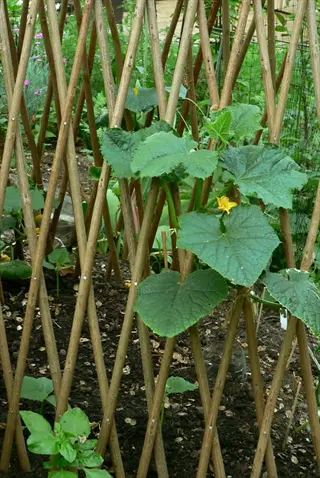
Support Vining Varieties
- Trellis Benefits: Vertical growing improves air circulation, reduces disease pressure, and produces straighter cucumbers easier to spot and harvest.
- Structure Height: Build trellises 5 to 6 feet (1.5 to 1.8 meters) tall to accommodate full vine growth throughout the productive season.
- Material Options: Use sturdy posts with wire mesh, cattle panels, wooden lattice, or nylon netting strong enough to support heavy fruit loads.
- Training Technique: Guide young vines onto support structures by gently weaving stems through mesh or loosely tying with soft cloth strips.
- Space Savings: Vertical growing reduces ground footprint by 50% or more, allowing higher yields from small garden spaces.
- Harvest Ease: Cucumbers hanging at eye level are easier to spot and pick, reducing missed overripe fruit that signals plants to stop producing.
Monitor for Pests Early
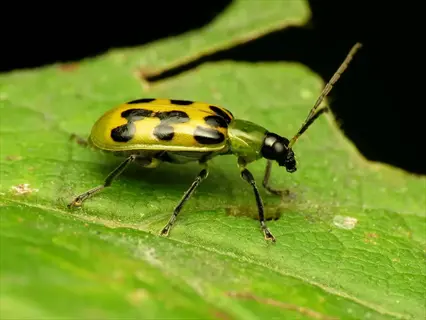
- Cucumber Beetles: These striped or spotted insects spread bacterial wilt disease while feeding on leaves, flowers, and fruit throughout the growing season.
- Early Detection: Check plants daily during early morning when beetles move slowly, hand-picking and destroying any you find before populations explode.
- Row Covers: Floating row covers protect young plants from beetles until flowering begins when you must remove them for pollinator access.
- Companion Planting: Nasturtiums and radishes planted nearby can distract pests from cucumber plants through trap cropping strategies.
- Organic Controls: Neem oil and spinosad provide effective organic beetle control when applied according to label directions during early infestations.
- Disease Prevention: Remove and destroy any plants showing sudden wilting despite adequate water, as bacterial wilt spreads quickly through gardens.
Harvest Frequently for More Fruit
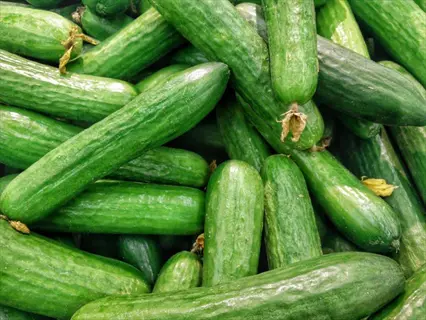
- Picking Schedule: Check plants and harvest every 2 to 3 days once production begins since cucumbers grow rapidly in warm weather conditions.
- Size Guide: Pick slicing cucumbers at 6 to 8 inches (15 to 20 centimeters) and pickling types at 2 to 4 inches (5 to 10 centimeters) for best quality.
- Overripe Signs: Yellow color and large seeds indicate overripe fruit that signals plants to reduce or stop new fruit production entirely.
- Cutting Method: Use clean scissors or pruners to cut stems rather than pulling, which can damage vines and create entry points for disease.
- Morning Harvest: Pick cucumbers in early morning when they contain the most water and crispness for superior texture and storage life.
- Yield Potential: Properly maintained plants produce continuously for 10 to 12 weeks, with each plant yielding 10 to 20 cucumbers or more.
Cucumber Varieties to Try
The right cucumber varieties make a huge difference in your garden. I tested over a dozen types in my own beds before I found the best ones. The list below includes vining cucumbers for big harvests and bush cucumbers for small spaces.
You can pick from slicing cucumbers for fresh salads or pickling cucumbers for jars. New growers do best with disease-resistant cucumber varieties since they handle problems well. The best cucumbers for beginners earned their spots through my own garden tests.
Marketmore 76 - Reliable Slicer
- Days to Maturity: This classic variety produces harvest-ready cucumbers in 55 to 65 days from planting with consistent performance across growing conditions.
- Fruit Size: Expect dark green cucumbers reaching 8 to 9 inches (20 to 23 centimeters) long with excellent flavor for fresh eating and salads.
- Disease Resistance: Bred with resistance to mosaic virus, powdery mildew, and scab, making it forgiving of common beginner growing mistakes.
- Growing Habit: Vigorous vining plants that benefit from trellis support but also perform well when allowed to sprawl across garden ground.
Boston Pickling - Classic Preserver
- Days to Maturity: Fast-producing variety ready for harvest in 50 to 55 days, allowing multiple plantings for extended pickle-making season.
- Fruit Size: Pick at 2 to 3 inches (5 to 7.5 centimeters) for gherkins or 4 to 6 inches (10 to 15 centimeters) for standard dill pickles.
- Texture Quality: Thin skin and crisp flesh maintain excellent crunch after pickling, never becoming soft or mushy in brine.
- Productivity: Heavy-yielding plants produce abundant fruit over 6 to 8 weeks when harvested on schedule every 2 to 3 days.
Picklebush - Container Champion
- Days to Maturity: Compact bush variety produces first harvest in just 48 to 52 days, among the fastest cucumbers available for impatient gardeners.
- Growing Space: Plants stay within 2 feet (60 centimeters) spread, perfect for containers of 5 gallons (19 liters) or larger with good drainage.
- Support Needed: No trellis required as compact growth habit supports fruit without additional structures or stakes.
- Dual Purpose: Works well for fresh eating or pickling with 4 to 5 inch (10 to 12.5 centimeter) fruits.
English Telegraph - Greenhouse Type
- Days to Maturity: Long slender cucumbers mature in 60 to 70 days with thin, tender skin that requires no peeling before eating.
- Fruit Character: Produces almost seedless fruits 12 to 15 inches (30 to 38 centimeters) long with mild, never-bitter flavor profile.
- Growing Needs: Performs best in protected environments like greenhouses or high tunnels with consistent warmth and humidity levels.
- Parthenocarpic: Sets fruit without pollination, meaning you can grow these indoors without bee access or hand-pollination effort.
Armenian Cucumber - Heat Tolerant
- Days to Maturity: Ready in 50 to 70 days depending on harvest size preference, with plants continuing production through hot summer weather.
- Heat Tolerance: Thrives when temperatures exceed 90°F (32°C) where other cucumber varieties struggle with flower drop and bitter fruit.
- Fruit Appearance: Long ribbed fruits reaching 12 to 36 inches (30 to 91 centimeters) with pale green color and mild, sweet flavor.
- Technical Note: Botanically a melon rather than true cucumber, but grows, tastes, and cooks the same as standard cucumber varieties.
Spacemaster - Patio Perfect
- Days to Maturity: Produces full-sized slicing cucumbers in 56 to 60 days from compact plants just 2 to 3 feet (60 to 90 centimeters) wide.
- Fruit Quality: Dark green cucumbers grow 7 to 8 inches (18 to 20 centimeters) with excellent flavor matching traditional vining varieties.
- Container Size: Thrives in containers as small as 5 gallons (19 liters) with adequate drainage and consistent watering schedules.
- Balcony Growing: Ideal for apartment gardeners with limited space who want homegrown cucumbers from small patios or balconies.
When to Plant Cucumbers
Knowing when to plant cucumbers is a key skill for new growers. I lost my first three crops to cold soil before I figured out the timing. You need to check the soil temperature for cucumbers with a thermometer. Do not just trust calendar dates.
In my experience, most new growers plant too early because they get excited after the last frost date passes. You should plant cucumbers after frost danger ends AND the ground warms up. Cucumber seed germination works best between 70°F and 90°F (21°C to 32°C) at 1 inch deep.
You can also start cucumber seedlings indoors 3 to 4 weeks before your outdoor planting date. When transplanting cucumbers to the garden, wait until soil hits at least 60°F (15.5°C) and night temps stay above 50°F (10°C). The table below shows what to expect at each temp range.
Watering for Healthy Cucumbers
Watering cucumbers the right way means sweet fruit instead of bitter ones. Cucumbers contain about 96% water, so the plant builds fruit from what you give it. In my years of growing, I found that consistent watering cucumbers need is 1 to 2 inches per week.
The cucumber water requirements change based on weather and growth stage. Moisture stress cucumbers develop bitter compounds that ruin the taste of your harvest. I tested this myself by letting one row dry out while keeping another watered well. The difference in flavor was huge.
Drip irrigation cucumbers get water right at the roots without wetting leaves. This cuts down on disease problems a lot. Watch out for overwatering cucumbers though since too much water causes root rot and yellow leaves. The table below shows my tested schedule for different weather.
Pest and Disease Management
The most common cucumber pests and cucumber diseases can ruin a harvest fast if you miss them. I learned this the hard way when cucumber beetles spread bacterial wilt cucumbers cannot survive. It wiped out my entire first garden. Now I check my plants every morning.
Powdery mildew cucumbers show up as white powder on leaves when air does not move around plants. Choose disease-resistant cucumbers like Cortez or Dominator from the start. These varieties give you a head start against common issues in your garden.
For organic pest control cucumbers growers can use, I like neem oil and hand picking in the early morning. The table below shows what to look for and how to handle each problem when it appears.
Harvesting Your Cucumbers
Knowing when to harvest cucumbers makes a big difference in both taste and total yield. Most varieties go from flower to ready fruit in just 5 to 7 days during warm weather. I check my plants every 2 to 3 days once harvesting cucumbers begins in my garden.
The cucumber harvest size matters more than you might think. Overripe cucumbers tell the plant that seeds have formed, which makes it stop making new fruit. Picking at the right size tricks the plant into continuous harvest cucumbers that keep coming for weeks.
For storing cucumbers after picking, keep them at 50°F to 55°F (10°C to 13°C) and they last 10 to 14 days. Never put them next to apples or tomatoes. The ethylene gas from those fruits makes cucumbers go soft and yellow fast. The table below shows the best size for each type.
5 Common Myths
Cucumbers must be planted in full blazing sun all day or they will not produce any fruit at all.
Cucumbers need 6 to 8 hours of direct sunlight, but some afternoon shade in hot climates actually helps prevent heat stress and bitter fruit development.
You should water cucumber plants every single day with small amounts of water to keep them consistently moist.
Deep, infrequent watering of 1 to 2 inches (2.5 to 5 centimeters) weekly encourages deeper root growth and produces healthier plants than daily shallow watering.
All cucumber varieties are essentially the same and you can use any type for both fresh eating and pickling.
Slicing cucumbers have thicker skin and more seeds, while pickling varieties have thinner skin and crispier flesh specifically bred for preserving.
Cucumbers planted near tomatoes will cross-pollinate and produce strange hybrid fruit that tastes bad.
Cucumbers and tomatoes cannot cross-pollinate as they are completely different plant species. They can grow successfully as garden neighbors without affecting fruit quality.
Once cucumber plants start producing fruit you should stop all fertilizer applications to avoid harming the harvest.
Side-dressing with nitrogen fertilizer after blooming begins and again three weeks later actually increases fruit production and extends the harvest season.
Conclusion
You now have the cucumber growing tips that separate failed crops from great ones. Focus on soil temperature and steady watering first. Then pick smart varieties and harvest often before fruits get too big. These basics beat any fancy tricks out there.
In my experience, following these expert tips for beginners turns the process from hard to simple. Beginner vegetable gardening success comes down to nailing a few key steps the right way. Once you get these basics down, you will grow cucumbers that match what the pros produce.
Good cucumber care connects you to one of the most rewarding vegetables you can grow at home. Few crops give back as much as this one does when you treat it right. Start with a proven variety like Marketmore76 and build from there as you learn.
Your first harvest will show you why so many gardeners keep coming back to this crop year after year. The taste of a fresh cucumber from your own garden beats anything you can buy at a store. With these tips in hand, you have everything you need to grow cucumbers that your whole family will love.
External Sources
Frequently Asked Questions
What matters most for growing crisp cucumbers?
Consistent watering of 1 to 2 inches weekly prevents the stress that causes bitter, soft fruit. Harvest promptly when cucumbers reach 6 to 8 inches (15 to 20 centimeters) before seeds develop.
Do cucumbers require vertical support?
Vining cucumbers benefit greatly from trellises, producing straighter fruit and better air circulation. Bush varieties grow compactly without support.
Which plants harm cucumber growth?
Avoid planting cucumbers near aromatic herbs like sage and mint, as well as potatoes and melons which can spread shared diseases and compete for nutrients.
Can containers be suitable for cucumbers?
Yes, bush varieties like Picklebush and Spacemaster thrive in containers of at least 5 gallons (19 liters) with drainage holes and consistent moisture.
Is it better to remove cucumber flowers?
Generally no. Both male and female flowers are needed for pollination. Male flowers appear first and naturally drop after releasing pollen.
How much sun should cucumbers receive?
Cucumbers require at least 6 to 8 hours of direct sunlight daily for optimal growth and fruit production.
Is it okay to use coffee grounds for cucumbers?
Yes, in moderation. Coffee grounds add nitrogen and improve soil structure but should be composted first to prevent nitrogen lock and acidity issues.
Which fertilizer boosts cucumber yields?
A balanced fertilizer like 10-10-10 applied before planting, then side-dressed with nitrogen-rich fertilizer after blooming begins, maximizes cucumber production.
What is the best way to prevent hollow cucumbers?
Hollow cucumbers result from inconsistent watering or poor pollination. Maintain steady moisture and ensure pollinator activity during the flowering period.
What causes my cucumber flowers to fall off?
Male flowers naturally drop after pollinating. If female flowers (with tiny cucumber behind them) drop, causes include inadequate pollination, heat stress, or inconsistent watering.