
Introduction
Most gardeners who want to learn how to grow eggplant: pro tips for big harvests make one critical mistake that ruins their entire season. They plant too early. This crop needs heat like a tropical houseplant, and cool spring nights will stunt your plants before they get started. Patience with the calendar makes all the difference when you grow this tasty vegetable in your backyard.
I failed at growing eggplant three years in a row before I figured out what was going wrong with my plants. The problem was simple. I kept rushing transplants into cold soil because I was eager to start each spring. Warm season vegetables need patience during those cool nights when temps drop below 50°F (10°C). Once I waited for warm soil, my yields jumped fast. The change was like night and day once I learned to be patient with my timing.
Americans eat just over 1 pound of eggplant per person each year on average. Yet a 10 foot row in your home garden eggplant patch can produce 20 pounds of fruit when you follow good eggplant growing tips from tested sources. That gives you plenty to eat fresh and share with neighbors all summer long. You can make eggplant parm, baba ghanoush, stir fries, and dozens of other tasty dishes from your own backyard garden plot.
This guide shares the exact methods I use to get big harvests from my plants every summer. You will learn when to plant for your area and how to start seeds indoors the right way. I also cover which varieties produce heavy yields for backyard growers like us. These tips come from my own hands on testing plus data from top university research. Everything here has been tested in real garden beds across many growing seasons.
10 Pro Tips for Big Harvests
These 10 eggplant growing tips come from years of testing in my own garden beds. I also pulled data from major university research to back it all up. Each tip tells you what to do, why it works, and how to do it. Follow all 10 and you will maximize eggplant yields.
Most gardeners miss simple techniques that make productive eggplant plants produce even more fruit. Things like when to pinch growing tips and how many fruits to leave on each plant can double your harvest. Good eggplant care goes beyond basic watering and feeding. The details matter when you want big eggplant harvests from a small garden space.
Wait for Warm Soil Temperatures
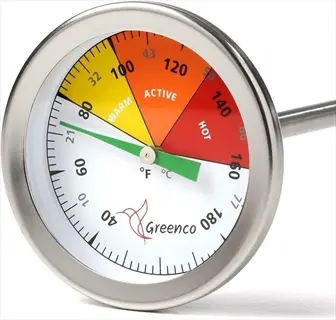
- Why it matters: Eggplants simply will not thrive in cold soil because their roots cannot absorb nutrients efficiently below 60°F (15.5°C), leading to stunted growth and poor establishment.
- The science: University research confirms soil temperatures between 60-70°F (15.5-21°C) are essential for transplanting success, with 70°F being optimal for rapid root development.
- How to measure: Use a soil thermometer inserted 4 inches (10 cm) deep in morning hours for accurate readings, as afternoon readings can be misleadingly warm.
- Warming techniques: Black plastic mulch can raise soil temperature by 5-10°F (3-5.5°C), making it invaluable for northern gardeners pushing the season earlier.
- Timing tip: Wait at least two weeks after your last frost date, and longer if spring weather remains cool and unsettled in your area.
- Common mistake: Many gardeners transplant based on calendar dates rather than actual soil conditions, leading to transplant shock and setback.

Ensure Warm Nighttime Air Temps
- Why it matters: Nighttime temperatures consistently above 50°F (10°C) are non-negotiable for eggplant survival, as cold nights damage plant tissue and halt fruit development completely.
- The science: Michigan State University research shows fruit will not set when temperatures dip below 60°F (15.5°C), and plants suffer significant stress below 50°F (10°C).
- Protection strategies: Use row covers, cloches, or water filled plant protectors during unexpectedly cool nights to maintain adequate temperatures around plants.
- Monitoring approach: Check your extended weather forecast for nighttime lows before transplanting, and delay if temperatures below 50°F (10°C) are predicted.
- Recovery time: Plants exposed to temperatures below 50°F (10°C) may survive but often require 2-3 weeks to recover before resuming normal growth.
- Regional consideration: Gardeners in northern zones should plan for late May or early June transplanting to avoid cold night damage.
Start Seeds with Bottom Heat
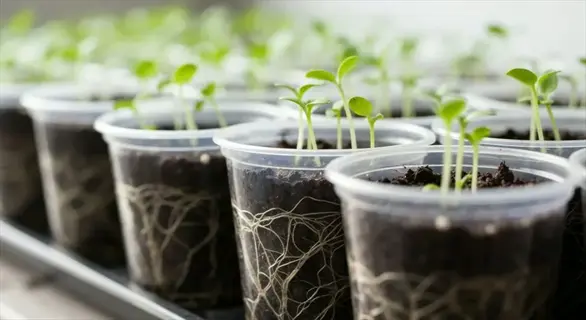
- Why it matters: Eggplant seeds require warmth between 75-85°F (24-29°C) for reliable germination, which most homes cannot provide without supplemental heat.
- The science: Utah State University recommends maintaining 80°F (27°C) until roots emerge, then reducing to 65-75°F (18-24°C) for continued seedling development.
- Equipment needed: A seedling heat mat placed under trays provides consistent bottom heat, with thermostat control being ideal for maintaining target temperatures.
- Timeline: Begin seeds 8-10 weeks before your intended transplant date, accounting for the slow germination period of 14-21 days typical for eggplant.
- Light requirements: Once sprouted, seedlings need 12-14 hours of bright light daily, achievable with grow lights positioned 6 inches (15 cm) above plants.
- Hardening off: Gradually expose seedlings to outdoor conditions over 7-10 days before transplanting to prevent shock and leaf burn.
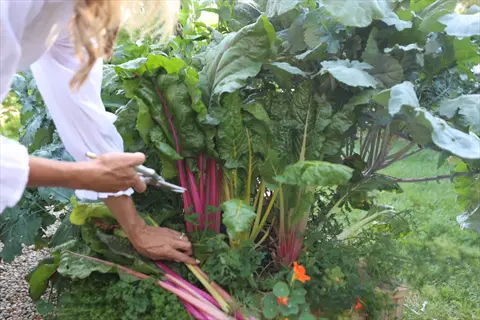
Pinch Growing Tips at 12 Inches
- Why it matters: Pinching the main growing tip when plants reach 12 inches (30 cm) tall encourages lateral branching, which increases the number of fruiting sites significantly.
- The science: University of Maryland Extension specifically recommends this technique to create bushier plants with more flowering branches for increased yield.
- How to pinch: Using clean fingers or sanitized scissors, remove the top inch (2.5 cm) of the main stem including the small developing leaves at the tip.
- Timing precision: Wait until the plant is established and actively growing, typically 2-3 weeks after transplanting, before making this intervention.
- Expected results: Properly pinched plants develop 4-6 main branches instead of a single stem, potentially doubling fruit production over the season.
- Follow-up care: After pinching, ensure adequate nitrogen is available to support the new growth, as the plant will require extra energy for branching.
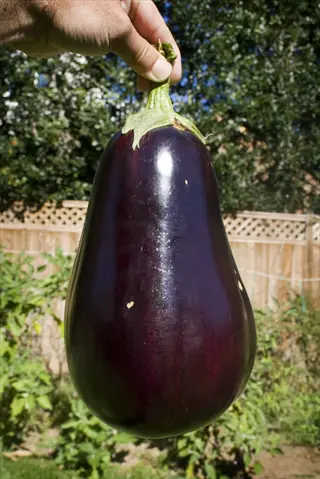
Limit Fruits for Larger Specimens
- Why it matters: Allowing unlimited fruits results in many small, seedy eggplants, while restricting to 5-6 fruits per plant channels energy into fewer, larger, higher quality fruits.
- The science: University of Minnesota Extension confirms this technique produces fruits weighing up to 2 lbs (0.9 kg) each rather than numerous undersized specimens.
- How to thin: Once fruits begin developing, identify the 5-6 best positioned, healthiest fruits and remove additional flowers and small fruits as they appear.
- Selection criteria: Keep fruits spaced evenly around the plant for balanced growth, and remove any misshapen or insect damaged fruits first.
- Timing consideration: Thin fruits during morning hours when plants are fully hydrated and less stressed by heat for minimal impact on the plant.
- Exception: If you prefer numerous smaller eggplants for grilling or pickling, skip this step and allow natural fruit set to occur.

Fertilize After Fruit Set
- Why it matters: Applying nitrogen before fruits develop causes excessive leaf growth at the expense of fruit production, a common mistake that reduces overall yields.
- The science: University of Florida research shows yield response plateaus around 200 lb per acre nitrogen, with pre-planting applications meeting initial needs adequately.
- Timing guidance: Wait until you see the first small fruits developing before applying additional nitrogen fertilizer as a side dress application.
- Application method: Utah State recommends applying 1/2 tablespoon of 21-0-0 ammonium sulfate per plant at weeks 4 and 8 after transplanting once fruits appear.
- Alternative approach: Clemson Extension suggests 5 lbs calcium nitrate per 1,000 sq ft every 3-4 weeks for a more gradual nitrogen release.
- Organic option: Compost tea or fish emulsion applied every 2-3 weeks after fruit set provides nitrogen without risk of over fertilization.
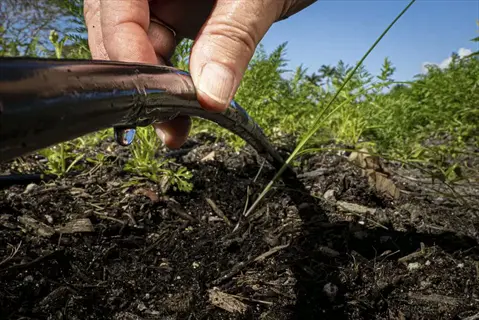
Water Deeply and Infrequently
- Why it matters: Light daily watering creates weak surface roots, while deep weekly watering encourages extensive root systems that access nutrients and moisture effectively.
- The science: Multiple university extensions recommend 1-2 inches (2.5-5 cm) of water weekly, delivered in one or two deep soakings rather than frequent light applications.
- Measurement method: Place a straight sided container near plants during watering to measure actual water delivered, aiming for 1 inch (2.5 cm) depth per session.
- Drip advantage: Drip irrigation or soaker hoses deliver water directly to roots while keeping foliage dry, reducing disease pressure significantly.
- Timing consideration: Water in early morning so foliage dries quickly, reducing fungal disease risk while ensuring plants are hydrated before afternoon heat.
- Mulch benefit: Apply 3-4 inches (7.5-10 cm) of organic mulch to retain soil moisture, reduce watering frequency, and maintain even soil temperatures.
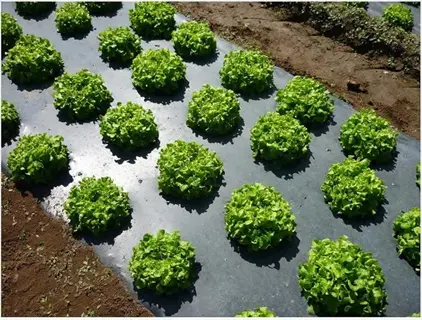
Use Black Plastic Mulch
- Why it matters: Black plastic mulch warms soil significantly, conserves moisture, and suppresses weeds, addressing three major challenges for eggplant cultivation simultaneously.
- The science: Research from multiple universities confirms black plastic can raise soil temperatures 5-10°F (3-5.5°C), accelerating growth and extending the effective growing season.
- Installation timing: Lay black plastic 2-3 weeks before transplanting to allow soil warming, then cut X shaped holes for transplants when temperatures are appropriate.
- Irrigation consideration: Install drip tape or soaker hoses under the plastic before laying it, as overhead watering becomes ineffective once plastic is in place.
- Alternative materials: IRT plastic warms soil even more effectively while reducing weed growth compared to standard black plastic.
- End of season removal: Remove plastic after the growing season to prevent soil degradation and allow organic matter to be incorporated for next year.
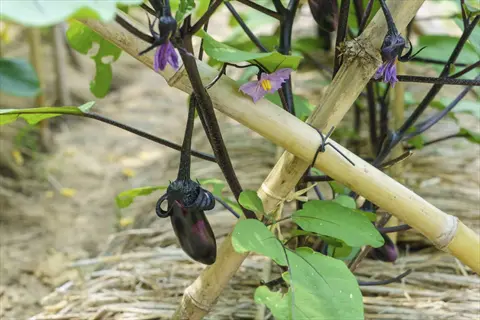
Stake or Cage Heavy Plants
- Why it matters: Eggplants can reach 4.5 feet (1.4 m) tall with fruits weighing up to 2 lbs (0.9 kg) each, making structural support essential to prevent branch breakage.
- Support options: Tomato cages, wooden stakes, or small trellises all work effectively, with installation at transplanting time to avoid root disturbance later.
- Staking method: Drive stakes 6 inches (15 cm) from the stem and use soft ties to loosely attach main branches as they grow, avoiding tight bindings that restrict growth.
- Cage advantage: Round tomato cages allow branches to rest naturally on the support wires without tying, reducing labor while providing adequate support.
- Fruit protection: Supported plants keep developing fruits off the ground, reducing soil borne disease contact and preventing rot during wet weather.
- Wind consideration: In windy locations, stake support is more stable than cages, and multiple stakes per plant may be necessary for tall varieties.
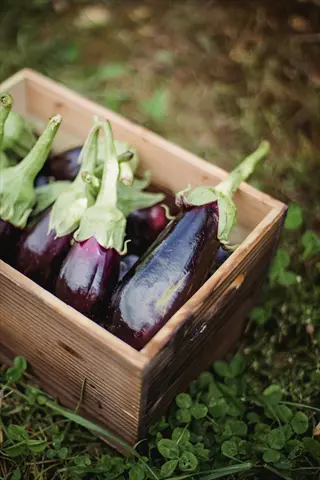
Harvest Frequently for More Fruit
- Why it matters: Leaving mature fruits on the plant signals it to stop producing, while frequent harvesting encourages continued flowering and fruit set throughout the season.
- The science: Regular harvesting triggers hormonal responses that promote additional flowering, potentially extending your productive season by several weeks.
- Harvest indicators: Pick when skin is uniformly glossy and firm, fruits spring back when pressed gently, and size reaches 6-8 inches (15-20 cm) for standard varieties.
- Cutting technique: Use sharp pruners or a knife to cut the stem 1 inch (2.5 cm) above the cap, as pulling can damage the plant and invite disease.
- Frequency goal: Check plants every 2-3 days during peak production, as eggplants can become overripe and bitter within days of reaching ideal maturity.
- Season extension: Late season harvests may be smaller but continue production by consistently removing all mature fruits before seeds begin hardening.
8 Best Eggplant Varieties
Choosing the right eggplant varieties makes a huge difference in your harvest success. I tested dozens of types of eggplant over the years. This list shows 8 proven winners that deliver great results for home gardeners. Each one has different strengths based on your growing conditions.
The best eggplant varieties fall into two main groups. Traditional globe types like Black Beauty eggplant produce big fruits perfect for slicing and frying. Japanese eggplant types like Ichiban eggplant grow faster and yield more fruits per plant. Both groups can work well in your garden if you match them to your climate and space.
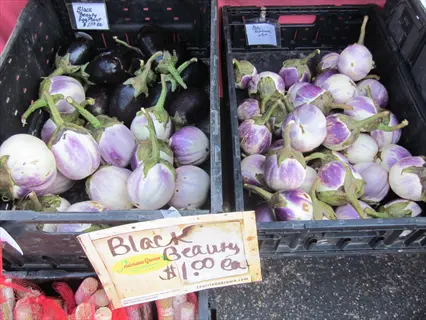
Black Beauty
- Maturity: This classic heirloom requires 74-80 days from transplant to harvest, making it a mid season producer suitable for most growing regions with adequate warm weather.
- Fruit characteristics: Large, glossy dark purple oval fruits weigh 1-3 lbs (0.45-1.4 kg) each with dense, creamy white flesh ideal for slicing and traditional recipes.
- Yield potential: Expect 4-6 large fruits per plant when properly thinned, or 8-10 smaller fruits when allowed to set naturally without intervention.
- Disease resistance: Shows good tolerance to verticillium wilt, a common soil borne disease affecting nightshade family plants in home gardens.
- Best uses: Perfect for breading and frying, making eggplant parmesan, or grilling thick slices for sandwiches and Mediterranean dishes.
- Growing notes: Plants reach 24-30 inches (60-75 cm) tall with sturdy stems that usually support fruit without staking in protected locations.

Ichiban
- Maturity: One of the earliest producers at 58-65 days from transplant, Ichiban delivers harvests when other varieties are still developing their first fruits.
- Fruit characteristics: Long, slender dark purple fruits measure 10-12 inches (25-30 cm) with thin skin and tender flesh containing very few seeds.
- Yield potential: Highly productive plants yield 10-15 fruits per plant throughout the season, outperforming globe types in total harvest weight.
- Heat tolerance: Performs very well in hot climates where temperatures exceed 85°F (29°C), continuing to set fruit when other varieties struggle.
- Best uses: Excellent for stir fries, grilling whole, or slicing into long strips for Asian inspired dishes and quick cooking preparations.
- Growing notes: Plants grow upright to 36 inches (90 cm) and benefit from staking to keep heavy fruit loads from touching the ground.
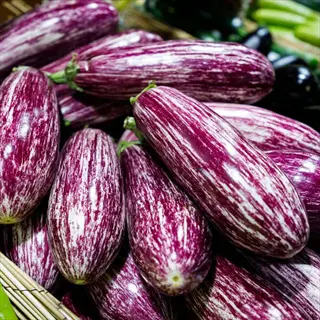
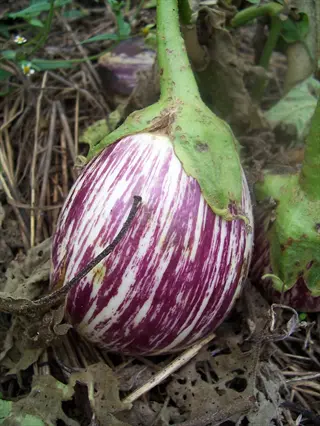
Fairy Tale
- Maturity: Compact plants produce fruits in 50-55 days from transplant, making this an excellent choice for short season gardeners and succession planting.
- Fruit characteristics: Attractive white and purple striped fruits measure 4-6 inches (10-15 cm) with sweet, non bitter flesh even when slightly overripe.
- Yield potential: Prolific producer yielding 20-30 small fruits per plant, perfect for single serving portions and decorative presentation.
- Container suitability: Compact 18-24 inch (45-60 cm) plants thrive in 5 gallon (19 liter) containers, making this the top choice for patio gardening.
- Best uses: Ideal for grilling whole, roasting halved, or adding to vegetable kabobs where uniform portion sizes are desired.
- Growing notes: All America Selections winner with proven performance across many growing conditions and excellent ornamental appeal in gardens.
Epic
- Maturity: Reliable producer maturing in 62-70 days from transplant, offering a good balance between early production and large fruit size.
- Fruit characteristics: Teardrop shaped dark purple fruits weigh 8-12 oz (225-340 g) each with excellent texture and mild, sweet flavor.
- Yield potential: Vigorous plants produce 6-8 large fruits per plant with consistent sizing that appeals to market gardeners and home growers alike.
- Disease resistance: Strong resistance to tobacco mosaic virus and good tolerance to other common eggplant diseases, reducing pest management needs.
- Best uses: Versatile variety excellent for all cooking methods including baking, grilling, sauteing, and making dips like baba ghanoush.
- Growing notes: Clemson Extension recommends Epic as a top performer for southeastern growing conditions with hot, humid summers.
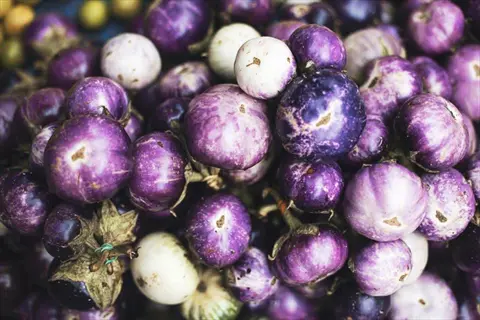
Rosa Bianca
- Maturity: Italian heirloom requiring 75-85 days from transplant, best suited for regions with long, warm growing seasons and patient gardeners.
- Fruit characteristics: Stunning lavender and white round fruits weigh 12-16 oz (340-450 g) with very creamy, mild flesh and very few seeds.
- Yield potential: Moderate producer with 4-6 fruits per plant, valued more for exceptional eating quality than heavy production.
- Flavor profile: Widely considered one of the best tasting eggplants available, with sweet, delicate flesh that requires less salting than other varieties.
- Best uses: Prized for grilling, roasting, and making caponata where subtle flavor and creamy texture are paramount.
- Growing notes: Requires consistent moisture and protection from afternoon sun in hot climates to prevent sunscald on light colored skin.

Hansel
- Maturity: Quick maturing variety ready in 55-60 days from transplant, perfect for gardeners wanting multiple successions throughout the growing season.
- Fruit characteristics: Clusters of 3-6 inch (7.5-15 cm) dark purple finger shaped fruits grow in groups, similar to bananas, for easy harvesting.
- Yield potential: Very productive plants yield 25-40 small fruits per season, excellent for cooks who use eggplant frequently in daily meals.
- Container suitability: Compact habit makes Hansel ideal for 3-5 gallon (11-19 liter) containers and small space gardens with limited room.
- Best uses: Perfect for grilling whole, pickling, or adding to pasta dishes and stir fries where small, tender fruits are preferable.
- Growing notes: All America Selections winner bred specifically for home gardeners, with no staking required due to compact growth habit.

Casper
- Maturity: White variety maturing in 70-80 days from transplant, offering unique appearance with performance comparable to standard purple types.
- Fruit characteristics: Ivory white elongated fruits measure 5-6 inches (12-15 cm) with smooth texture, mild mushroom like flavor, and tender skin.
- Yield potential: Good producer with 6-8 fruits per plant, appreciated for consistent sizing and reliable performance across growing conditions.
- Novelty appeal: White color makes Casper excellent for gardeners wanting visual variety or those who find traditional purple eggplant unappealing.
- Best uses: Excellent for dishes where milder flavor is desired, and the white flesh does not discolor as quickly as purple varieties when cut.
- Growing notes: Shows better cold tolerance than some purple varieties, making it suitable for northern gardens with shorter warm seasons.
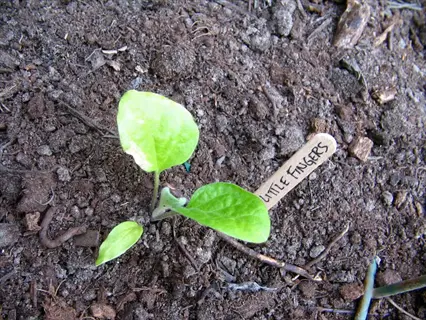
Little Finger
- Maturity: Very early producer at 50-60 days from transplant, allowing northern gardeners to harvest successfully even with compressed growing seasons.
- Fruit characteristics: Thin, dark purple fruits measure just 3-6 inches (7.5-15 cm) long and harvest at finger thickness for the most tender texture.
- Yield potential: Heavy bearer producing 30-50 small fruits per plant when harvested continuously, exceptional for its compact plant size.
- Container suitability: One of the best container varieties with plants reaching only 18-24 inches (45-60 cm) tall while remaining highly productive.
- Best uses: Ideal for pickling whole, grilling without slicing, or adding to Asian noodle dishes where small, tender eggplants are traditional.
- Growing notes: Harvest when fruits are no thicker than a finger for best texture, as larger fruits develop more seeds and tougher skin.
Starting Seeds Indoors
Starting eggplant from seed gives you access to dozens of varieties that nurseries never stock on their shelves. I save money each year by starting eggplant indoors with a simple seed starting schedule that works every time. The process takes 8-10 weeks from sowing to transplant, so you need to plan ahead.
Indoor seed starting requires some basic equipment but the investment pays off fast. You need a seedling heat mat to keep soil warm enough for eggplant seedlings to sprout on time. Good news for budget gardeners: Michigan State research shows eggplant seeds stay viable for 6-10 years when stored in a cool, dry place.
Week 1-2: Sowing and Germination
- Starting date: Count backward 8-10 weeks from your intended transplant date to figure out when to sow your seeds for the best timing.
- Sowing depth: Plant seeds 1/4 inch (6 mm) deep in sterile seed starting mix, spacing 2 inches (5 cm) apart or using individual cells.
- Temperature requirement: Maintain soil temperature at 80°F (27°C) using a seedling heat mat until roots emerge, as cooler temperatures delay germination.
- Moisture management: Keep soil moist but not waterlogged, covering trays with clear plastic or humidity domes until sprouts appear.
- Light during germination: Seeds do not require light to germinate but benefit from warmth, so focus on maintaining heat rather than providing light at this stage.
- Patience required: Expect germination in 14-21 days, which is slower than many vegetables, so do not discard trays until at least 4 weeks have passed.
Week 3-4: Early Seedling Care
- Light requirements: Once sprouted, provide 12-14 hours of bright light daily using grow lights positioned 6 inches (15 cm) above seedlings.
- Temperature adjustment: Reduce temperature to 65-75°F (18-24°C) after germination to encourage stocky, sturdy stem development rather than leggy growth.
- Thinning: Once seedlings develop their first true leaves after cotyledons, thin to one plant per cell or space to 3 inches (7.5 cm) apart.
- Air circulation: Remove humidity domes and provide gentle air movement with a small fan to strengthen stems and prevent fungal diseases.
- Watering technique: Water from below by placing trays in water until soil surface becomes moist, then drain excess to prevent root rot.
- Watch for problems: Damping off disease appears as seedlings collapsing at soil level, prevented by good air circulation and avoiding overwatering.
Week 5-6: Potting Up
- Timing indicator: Transplant to larger containers when seedlings have 4-6 true leaves and roots begin emerging from drainage holes of starter cells.
- Container size: Move to 2-4 inch (5-10 cm) pots filled with quality potting mix, burying stems slightly deeper than they were growing before.
- Transplant benefit: Missouri Extension notes using larger containers reduces transplant shock when moving to the garden later in the season.
- Fertilizing begins: Start feeding with half strength liquid fertilizer weekly once plants are established in new containers and growing strong.
- Light maintenance: Continue providing 12-14 hours of light daily, raising lights as plants grow to maintain 6 inch (15 cm) distance from foliage.
- Expected size: Plants should be 4-6 inches (10-15 cm) tall with sturdy stems by this stage, well on track for outdoor transplanting.
Week 7-8: Hardening Off Process
- Purpose: Acclimate indoor grown seedlings to outdoor conditions including sun, wind, and temperature fluctuations before permanent transplanting.
- Day 1-3: Place plants outdoors in shade for 1-2 hours daily, protected from wind, and increase exposure time each day as they adjust.
- Day 4-6: Move plants to partial sun for 3-4 hours, still protecting from strong wind and bringing indoors if temperatures drop below 50°F (10°C).
- Day 7-10: Expose plants to full sun for 6+ hours, leaving outdoors overnight if temperatures remain above 50°F (10°C) without drops.
- Final check: Utah State recommends transplants should have 6-9 leaves and be 5-8 inches (12-20 cm) tall before moving to the garden for good.
- Transplant timing: Wait until soil temperatures reach 60°F (15.5°C) and nighttime air temps exceed 50°F (10°C) for successful establishment.
Transplanting Eggplant
Knowing when to transplant eggplant is the single most important factor for a successful harvest. I ruined two full seasons by planting too early based on the calendar. The truth is that soil temperature matters more than dates for eggplant planting time. Your last frost date is just the starting point for figuring out the right timing.
Transplanting eggplant too early causes transplant shock that can set your plants back by weeks. Cold soil below 60°F (15.5°C) stops root growth and makes plants weak and sickly all season. The table below shows you when to plant eggplant based on your region so you can time it right from the start.
These dates come from Missouri Extension research and work well for most gardeners. Your local conditions may shift the timing by a week or two. Check your soil temps before you plant to be sure.
Soil and Fertilizer Essentials
Getting the eggplant soil requirements right gives your plants the best chance to produce heavy yields. Most gardeners make the mistake of fertilizing eggplant too early in the season. I learned the hard way that eggplant fertilizer timing matters more than the amount you apply. Feed too soon and you get leaves, not fruit.
Good soil preparation eggplant beds need starts 2-3 weeks before you transplant. Test your eggplant soil pH and aim for 6.0 to 6.5 for the best nutrient uptake. The side dressing schedule below shows you when to add nitrogen and other nutrients for maximum fruit production.
Pre-Plant Soil Preparation
- pH requirements: Test soil pH and aim for 6.0-6.5 as optimal, though eggplants tolerate a range of 5.5-7.5 based on university extension sources.
- Organic matter: Incorporate 2-4 inches (5-10 cm) of compost into the planting bed to improve drainage, moisture retention, and nutrient uptake at once.
- Drainage check: Eggplants require well drained soil that does not puddle after rain, as waterlogged roots lead to disease and poor plant health.
- Bed preparation: Loosen soil to a depth of 12 inches (30 cm) to fit the deep taproot system that develops as plants mature.
- Base fertilizer: Apply balanced fertilizer at planting time, such as 2-3 lbs (0.9-1.4 kg) of 10-10-10 per 100 sq ft (9 sq m) worked into the top 6 inches.
- Timing: Complete soil work 2-3 weeks before transplanting, allowing amendments to blend and soil microbes to activate.
Nitrogen Fertilization Strategy
- Critical timing: Apply nitrogen fertilizer after first fruits set, not before, as early nitrogen causes too much leaf growth at the expense of fruit production.
- Home garden rate: Utah State recommends 1/2 tablespoon of 21-0-0 ammonium sulfate per plant at weeks 4 and 8 after transplanting.
- Alternative formula: Clemson Extension suggests 5 lbs (2.3 kg) calcium nitrate per 1,000 sq ft (93 sq m) every 3-4 weeks during production.
- Application method: Side dress by creating a trench 4-6 inches (10-15 cm) from plant stems, applying fertilizer, and covering with soil.
- Extended harvest: For late season production, apply about 1 tablespoon additional nitrogen per plant based on University of Florida research.
- Over fertilization signs: Dark green leaves, too much leaf growth, and poor fruit set indicate you have applied too much nitrogen.
Phosphorus and Potassium Needs
- Phosphorus role: Essential for root development and fruit formation, phosphorus should be added at planting when soil tests indicate deficiency.
- Potassium importance: University of Florida research shows potassium levels of 3,500-3,800 ppm indicate optimal nutrition for fruit development.
- Pre plant application: Apply 2-4 lbs (0.9-1.8 kg) of 0-20-20 per 100 sq ft (9 sq m) if soil tests show low phosphorus and potassium levels.
- Organic sources: Bone meal provides phosphorus while wood ash or kelp meal supply potassium for gardeners who prefer organic amendments.
- Soil testing: Get soil tested before planting season to identify specific deficiencies rather than applying nutrients that may be adequate.
- Mobility difference: Unlike nitrogen, phosphorus and potassium do not move well in soil, so incorporate them into the root zone rather than the surface.
Micronutrient Considerations
- Calcium importance: Adequate calcium prevents blossom end rot, similar to tomatoes, ensured by maintaining consistent soil moisture and proper pH.
- Magnesium role: Necessary for chlorophyll production, magnesium deficiency shows as yellowing between leaf veins on older leaves.
- Epsom salt use: If soil tests indicate magnesium deficiency, apply 1 tablespoon per gallon of water monthly during flowering season.
- Compost benefits: Quality compost provides enough micronutrients for eggplant production without additional supplements in most cases.
- Foliar feeding: If deficiencies appear mid season, foliar sprays of micronutrient solutions provide faster correction than soil applications.
- Organic option: Seaweed extracts or kelp meal provide a broad spectrum of micronutrients suitable for organic gardening methods.
5 Common Myths
Eggplants need daily watering to produce well and keep soil constantly moist for best results.
Deep, infrequent watering of 1-2 inches (2.5-5 cm) weekly promotes stronger root systems. Overwatering causes root rot and reduces yields more than slight drought stress.
Heavy fertilization throughout the growing season leads to bigger eggplant harvests and more fruit.
Excess nitrogen before fruit set causes lush foliage but poor fruiting. University research shows fertilizing after first fruits appear produces optimal yields without excessive vegetative growth.
Eggplants from seed take too long for most gardeners, so buying transplants is always better.
Starting seeds 8-10 weeks indoors with bottom heat works reliably. Seeds remain viable for 6-10 years and offer more variety choices than nursery transplants typically provide.
Purple eggplant varieties are the most productive and best choice for home gardeners everywhere.
Asian varieties like Ichiban and slender Japanese types often outproduce globe varieties in yield per plant, and white or striped varieties perform equally well with proper care.
Eggplants will fruit regardless of temperature as long as they receive enough water and sunlight.
Temperature is the most critical factor. Fruit will not set when temperatures drop below 60F (15.5C), and plants suffer damage below 50F (10C) regardless of other conditions.
Conclusion
Successful eggplant growth comes down to three key factors that every gardener needs to master. Warm soil matters most when you plant. Wait for the right temps before you transplant. Time your fertilizer after fruit set instead of before. Follow these eggplant growing tips and you will see results in your first season.
University research confirms that home garden eggplant beds can produce 20 pounds per 10 foot row when you get the basics right. That kind of yield lets you enjoy fresh eggplant all summer and share the harvest with friends. Productive eggplant plants keep giving fruit until the first frost damages their leaves in fall.
Patience during cool spring weather pays off in big harvests later in the season. I used to rush my transplants and wonder why my plants never produced well. Now I wait for the right temperatures and my eggplant grows better than ever in the backyard garden.
Start with these tips and you can grow eggplant that beats anything you find at the grocery store. Fresh eggplant from your garden tastes better than store bought. Plus you get access to dozens of varieties that stores never carry. Your best harvest starts with good timing and the right care from day one.
External Sources
Frequently Asked Questions
What matters most for successful eggplant growth?
Temperature management is the most critical factor. Eggplants need soil temps above 60F (15.5C), nighttime air temps consistently above 50F (10C), and daytime temps between 70-85F (21-29C). Without proper warmth, plants will struggle and fruit set will fail.
Could eggplants thrive in containers?
Eggplants grow well in containers with the right setup:
- Use at least a 5-gallon (19-liter) container with drainage holes
- Choose compact varieties like Fairy Tale, Patio Baby, or Ichiban
- Dark-colored pots absorb heat and warm soil faster
- Water more frequently than ground-planted eggplants
What causes eggplant flowers to drop without fruiting?
Flower drop typically results from environmental stress. Low temperatures below 60F (15.5C), inconsistent watering, excessive nitrogen fertilizer, or poor pollination all cause blossoms to fall before fruit develops.
What is the best way to maximize eggplant yields?
Boost your harvest with these proven techniques:
- Pinch growing tips at 12 inches (30 cm) tall to encourage branching
- Limit fruits to 5-6 per plant for larger specimens
- Side-dress with nitrogen at weeks 4 and 8 after transplanting
- Harvest frequently to encourage continued production
Can Epsom salt be beneficial for eggplants?
Epsom salt provides magnesium, which can help if your soil is deficient. Apply 1 tablespoon per gallon of water monthly during flowering. However, test your soil first as most garden soils have adequate magnesium.
Which companion plants help eggplants?
Strategic companion planting benefits eggplants in several ways:
- Basil repels aphids and improves flavor
- Marigolds deter flea beetles and nematodes
- Beans fix nitrogen in the soil
- Peppers share similar growing requirements
How frequently should I water eggplants?
Eggplants need 1-2 inches (2.5-5 cm) of water weekly through deep, infrequent irrigation. Water at the base in the morning, keeping foliage dry. Container plants may need daily watering during hot weather.
How can you tell when eggplant is ready to harvest?
Harvest indicators include:
- Glossy, shiny skin that springs back when pressed
- Fruit reaches 6-8 inches (15-20 cm) for standard varieties
- Seeds are still soft and pale inside
- Dull skin and hard seeds indicate overripeness
Do eggplants require full sun?
Eggplants require minimum 6 hours of direct sunlight daily, with 8-10 hours being optimal for maximum fruit production. In hot climates, some afternoon shade can prevent sunburn on fruits.
What is the best way to prevent common eggplant pests?
Prevention strategies are more effective than treatment:
- Use row covers immediately after transplanting to block flea beetles
- Practice 3-4 year crop rotation with nightshade family plants
- Keep plants healthy as vigorous plants resist pest damage better
- Remove debris to eliminate overwintering sites for pests