
The best vegetable garden position sits in a spot that gets 6 to 8 hours of direct sun each day. This single factor matters more than soil quality or bed size for your success. A sunny spot with poor soil will grow better crops than rich soil in deep shade.
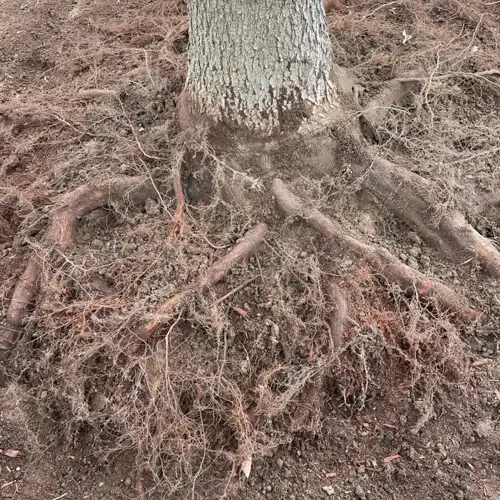
I made this mistake with my first garden. I put it under a big oak tree because the grass there grew thin and I thought it would be easy to dig. My tomatoes grew tall and leggy reaching for light. They made almost no fruit that year. When I moved my beds to the sunny south side of my yard, my harvest jumped by three times or more.
Think about where to put vegetable garden beds by watching your yard for a full day. Mark which spots get morning sun, midday sun, and evening sun. Most vegetables want sun from morning through afternoon. Leafy greens can handle some shade, but tomatoes and peppers need full sun all day long.
Good drainage ranks second on your list of needs for an ideal garden location. Walk your yard after a heavy rain and look for puddles. Standing water drowns roots and spreads disease. Pick a spot where water drains away within a few hours. Raised beds can fix drainage problems if your best sunny spot stays wet.
Put your garden close to a water source so you can reach it with a hose. A garden far from water means dragging hoses across your lawn or carrying heavy watering cans. You'll skip watering on busy days when the trip takes too long. My garden sits 30 feet from my spigot and that distance feels just right.
Check Sun Exposure
- Time needed: Watch your yard from sunrise to sunset and note sunny vs shaded areas each hour.
- What to look for: Your best spot gets 6+ hours of direct sun with no tree or building shadows.
- Pro tip: Take photos at 8am, noon, and 4pm to compare light patterns when you review later.
Test Your Drainage
- Simple test: Dig a hole 12 inches deep and fill it with water to watch how fast it drains out.
- Good drainage: Water drops about 1 inch per hour in healthy soil that won't drown your roots.
- Fix poor spots: Build raised beds 8 to 12 inches high if your best sunny area drains slow.
Plan for Access
- Water source: Stay within easy hose reach of your spigot so you don't skip watering on busy days.
- Path width: Leave 2 to 3 feet between beds for wheelbarrows and easy harvesting access.
- House view: Put your garden where you can see it from a window to spot problems fast.
South-facing slopes make great garden spots because they warm up faster in spring. Cold air drains down these slopes and away from your plants. You can plant earlier and harvest later than gardeners on flat ground. North-facing slopes stay cooler and work better for lettuce and spinach in hot summers.
Wind protection matters more than most new gardeners think. Strong winds dry out soil and break stems on tall crops. A fence or hedge on the windy side of your garden blocks gusts while still letting air flow through. Don't box your garden in on all sides or you'll trap humid air that breeds fungal diseases.
Put your garden where you can see it from your kitchen window or back door. You'll catch pest problems and ripe vegetables faster when your beds stay in view. A garden hidden in the back corner gets ignored. The ideal garden location brings you joy every time you look outside.
Read the full article: 10 Best Vegetable Garden Layout Ideas