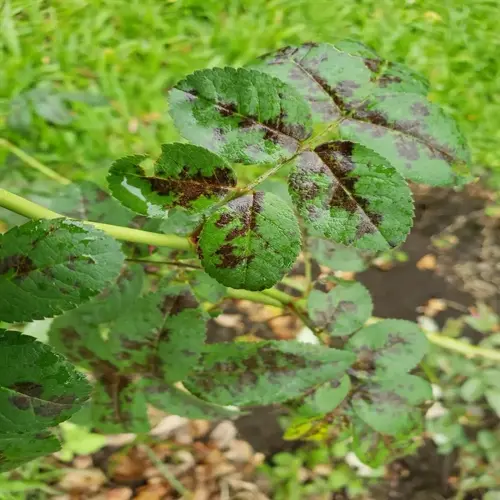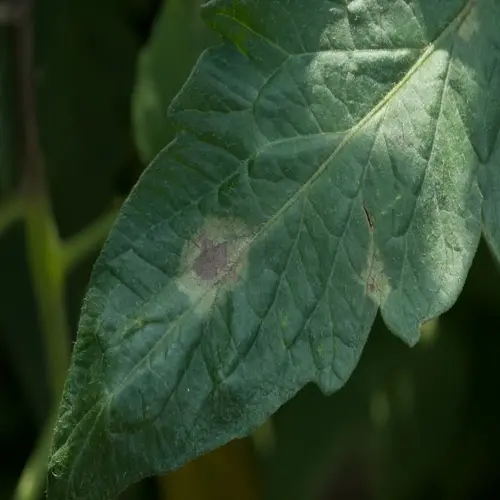

Overwatered lettuce shows clear warning signs you can spot early. Look for yellow leaves starting at the bottom of the plant. The leaves feel soft and limp instead of crisp. Stems near the soil turn mushy or brown. In bad cases, the whole plant wilts even though the soil is wet. These signals tell you to back off the water right away.
I learned this lesson with my first lettuce bed. I watered every day thinking more was better. Within two weeks, my plants looked sick. Yellow leaves spread up from the base. The stems felt soft when I touched them. When I pulled one plant to check, the roots were brown and slimy instead of white. That was my wake-up call.
Why does lettuce too much water cause these problems? Roots need oxygen just like leaves do. When soil stays too wet, air pockets fill with water. Your lettuce roots can't breathe. The cells start dying from lack of oxygen. Dead cells turn yellow first, then brown, then mushy. This process moves fast once it starts.
Here's what confuses most gardeners. Overwatered lettuce wilts just like dry lettuce. The droopy leaves look alike in both cases. The key difference is your soil. Stick your finger two inches deep into the dirt. Wet soil means overwatering is your problem. Dry soil means you need to add water.
Watch for lettuce root rot signs as damage gets worse. Healthy roots are white and firm. Rotting roots turn brown or black. They feel slimy or break apart when you touch them. A bad smell coming from the soil base confirms root rot. By this stage, the plant is often too far gone to save. Prevention beats cure here.
When I tested recovery methods, timing made all the difference. Plants caught early with just yellow leaves bounced back after I improved drainage and cut watering. Plants with mushy stems were a lost cause. I pulled those and started fresh. Early action saves your lettuce from rot.
You can fix overwatering if you catch it in time. Stop watering until the top inch of soil dries out. Add drainage holes if your containers lack them. Mix perlite into heavy soil to improve air flow. Move affected plants to drier spots if possible. Let your lettuce dry out between waterings going forward.
The best fix is prevention. Water your lettuce when the top inch of soil feels dry. Use containers with good drainage. Grow in raised beds if your ground soil holds water. Check soil moisture before adding water, not on a fixed schedule. Your lettuce wants moist soil, not wet soil. Know the difference and your plants will thrive.
Read the full article: Bolting in Lettuce: Causes and Prevention Tips