
Introduction
You walk into your garden expecting crisp salad greens. Instead, you find tall stalks with tiny yellow flowers. One bite confirms your fears. The leaves taste impossibly bitter. This is bolting in lettuce. It ruins more summer harvests than pests or disease ever will.
My first summer garden taught me a hard lesson. Three raised beds full of lettuce turned bitter in one week. The plants shot up almost overnight. I had no idea what went wrong. That bitter taste still haunts me. Now I know why lettuce bolts and how to stop it.
What causes this? Studies from Minnesota explain it well. Temps above 75°F for several days trigger lettuce bolting. Your plant hits its panic button. It thinks a heat wave will kill it soon. So it rushes to make seeds before death.
This summer lettuce problem hits everyone. Backyard growers lose entire crops. Farms lose thousands of dollars. Studies show bolted lettuce becomes too bitter to sell at markets. The bitter compounds make it almost inedible for most people.
The good news? You can prevent lettuce flowering in your garden. Learning the science gives you real power. I've tested many methods over the years. Some work great. Others don't work at all. This guide shares what I've learned.
You'll learn how to spot early warning signs before it's too late. We'll cover the science behind why plants bolt. I'll show you which varieties resist heat best. You'll also learn salvage options if bolting happens anyway. Fresh summer salads are possible with the right approach.
What Is Bolting in Lettuce
Bolting means your lettuce shifts to seed mode. Your plant stops making leaves. It starts making seeds instead. Scientists have a name for this change. The plant moves from growing to breeding. It happens fast once triggered. You can't reverse it.
Research from Frontiers in Plant Science found that 12,204 genes change during this shift. That's a massive change inside your plant. The lettuce chooses its legacy over its current form. Every bit of energy goes toward making seeds for the next batch.
The bitter taste comes from lactucarium. This milky white sap makes bolted leaves taste awful. You'll notice the sap when you cut stems on a bolting plant. The more advanced the bolting, the more sap your plant produces.
Lettuce sits in the daisy plant family. It's called a long day plant. This means it reacts to day length, not just heat. Spinach and cilantro share this trait. All three bolt around the same time in summer. The longer days of June and July act as triggers.
I've grown lettuce for over 15 years now. I still lose plants to bolting every summer. The key is I spot it early and harvest what I can. Knowing what bolting is helps you respond faster when you see the signs.
8 Best Heat Resistant Lettuce Varieties
I tested dozens of lettuce types in my garden over the years. You need real data, not vague promises. Colorado State ran a big test too. They grew 50 lettuce types during a brutal summer. That season had 26 days above 90°F. Some types held strong. Others bolted within weeks.
Batavian types won the tests. They showed zero bolting the entire season. That's amazing under heat that would destroy your normal lettuce. I switched most of my summer plantings to these types. You should consider doing the same.
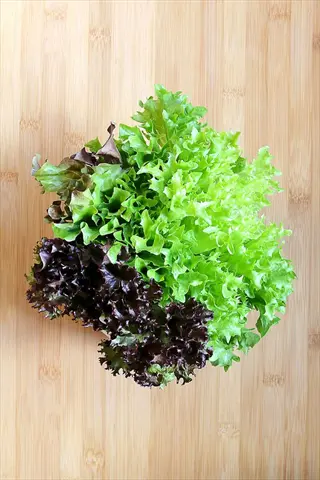
Nevada Batavian Lettuce
- Bolt Resistance: Colorado State trials showed Nevada had zero bolting all summer despite 26 days with temps above 90°F (32°C).
- Growth Habit: Forms large, dense heads with thick, crunchy leaves that stay crisp even in heat.
- Days to Maturity: Reaches harvest size in about 50 to 55 days from transplant. This allows multiple plantings each season.
- Flavor Profile: Keeps its mild, sweet flavor without turning bitter even during long heat waves.
- Best Growing Conditions: Thrives in full sun to partial shade with steady moisture. Tolerates heat that kills standard lettuce.
- Recommendation: Top choice for hot climates or anyone wanting summer lettuce without constant worry.
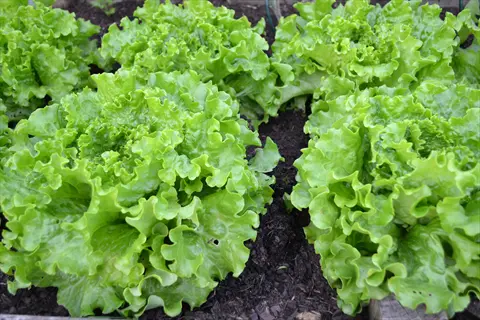
Sierra Batavian Lettuce
- Bolt Resistance: Matched Nevada in university trials with zero bolting recorded. This shows strong genetics in Batavian types.
- Growth Habit: Produces large heads with ruffled leaf edges that add visual appeal to salads. Stays crisp in summer heat.
- Days to Maturity: Ready for harvest in 48 to 52 days. That's a bit faster than Nevada for quicker turnaround.
- Flavor Profile: Offers a more robust lettuce flavor than Nevada. Still avoids the bitterness that plagues standard varieties.
- Disease Resistance: Shows good resistance to tipburn and other heat related problems.
- Recommendation: Great alternative to Nevada for gardeners wanting variety without giving up performance.
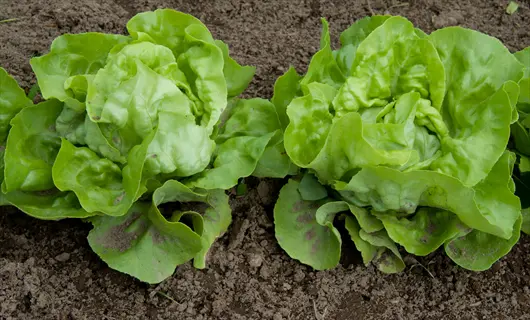
Tahoe Batavian Lettuce
- Bolt Resistance: Completed the trio of zero bolting Batavian varieties in Colorado State trials. This type is the gold standard.
- Growth Habit: Forms compact, dense heads ideal for smaller gardens or container growing. Resists heat stress well.
- Days to Maturity: Matures in 50 to 54 days with consistent sizing. Harvest timing stays predictable even in variable weather.
- Flavor Profile: Delivers classic lettuce taste with satisfying crunch. Stays palatable when other varieties turn bitter.
- Water Efficiency: Handles brief dry periods better than many lettuce types. Steady moisture still produces best results.
- Recommendation: Best choice for container gardeners or those with limited space who need max bolt resistance.
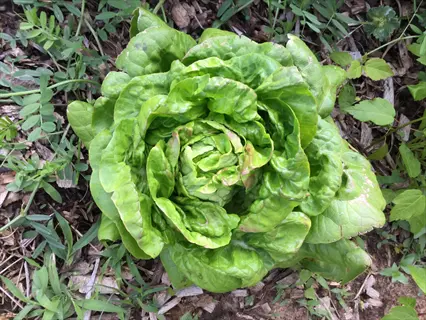
Lochness Butterhead Lettuce
- Bolt Resistance: Held for over 90 days before showing any bolting signs. One of the most reliable butterhead options.
- Growth Habit: Produces the signature soft, buttery leaves that butterhead lovers prize. Forms loose but defined heads.
- Days to Maturity: Reaches harvest size in 55 to 60 days. The extended pre bolt period allows multiple harvests.
- Flavor Profile: Maintains delicate, sweet butterhead flavor that sets this type apart. Works even under moderate heat stress.
- Texture Quality: Leaves stay tender without getting tough or rubbery like stressed butterhead plants.
- Recommendation: Top butterhead pick for gardeners who love this type but struggle with summer bolting.
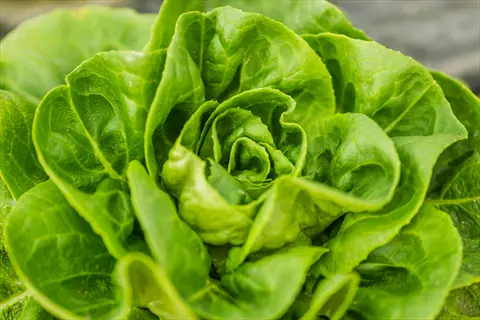
Optima Butterhead Lettuce
- Bolt Resistance: Matched Lochness with 90 plus days of bolt free growth. A solid second butterhead option.
- Growth Habit: Forms round heads with the classic butterhead rosette shape. Looks as good as it tastes in garden beds.
- Days to Maturity: Harvest ready in 52 to 58 days with uniform head growth. Makes planning easier.
- Flavor Profile: Offers sweet, mild flavor that makes it popular for fresh eating and as a salad base.
- Heat Adaptation: Shows real strength in keeping leaf quality during heat waves that cause tipburn in other varieties.
- Recommendation: Great for gardeners who want flavor and appearance with reliable summer production.
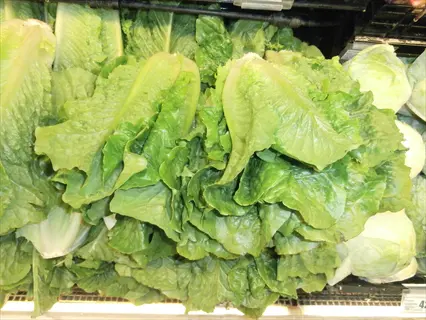
Green Towers Romaine Lettuce
- Bolt Resistance: Showed strong performance with 90 to 100 days before bolting in Colorado trials. Far exceeds standard romaine.
- Growth Habit: Produces tall, upright heads with the classic romaine shape. Provides satisfying crunch for Caesar salads and wraps.
- Days to Maturity: Matures in 60 to 65 days to full size. Outer leaves can be harvested earlier for cut and come again style.
- Flavor Profile: Delivers the light bitterness that romaine fans prefer. Avoids the harsh taste of heat stressed plants.
- Nutritional Value: Romaine types offer higher nutrition than iceberg. Green Towers keeps this advantage in summer.
- Recommendation: Best romaine choice for classic Caesar salad greens through the summer months.
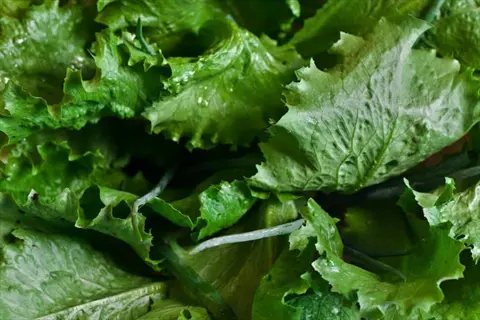
Green Forest Romaine Lettuce
- Bolt Resistance: Performed alongside Green Towers with 90 to 100 days of bolt resistance. A top tier romaine option.
- Growth Habit: Develops darker green leaves than Green Towers. Denser head formation gives more usable lettuce per plant.
- Days to Maturity: Ready in 62 to 68 days with good uniformity. Makes harvest timing simple for multiple plantings.
- Flavor Profile: Offers robust romaine flavor with more intensity than Green Towers. Appeals to those who prefer bold greens.
- Disease Resistance: Shows better resistance to downy mildew and other lettuce diseases that come with summer humidity.
- Recommendation: Ideal for gardeners wanting darker, more flavorful romaine with the same great bolt resistance.

Concept Green Leaf Lettuce
- Bolt Resistance: Held for 75 plus days in trials. Best performance among green leaf types though not matching Batavian results.
- Growth Habit: Produces loose, frilly leaves perfect for cut and come again harvesting. Extends production from each plant.
- Days to Maturity: Fast maturing at 45 to 50 days. Enables quick succession plantings to keep fresh lettuce available.
- Flavor Profile: Mild, versatile flavor works well in mixed salads and as a garnish. Maintains quality under moderate heat.
- Harvest Flexibility: Loose leaf habit allows picking outer leaves while inner growth continues. Maximizes yield per plant.
- Recommendation: Best loose leaf option for gardeners who prefer this versatile type and practice succession planting.
You can find these types through Johnny's Seeds, High Mowing, and Baker Creek. Many local garden centers now stock heat tolerant options. Order early for your best choice. Popular types sell out before summer planting starts.
Why Lettuce Bolts: The Science
Your lettuce has an internal timer running at all times. Both heat and light affect this timer. Heat speeds up the clock. Long days give the final push to start flowering. Knowing this process helps you fight back.
Research from PMC found the LsSOC1 gene shows 256 fold increase during bolting. That's a massive switch flipping inside your plant. This gene turns on the flowering path. It kicks in once heat and light cross key levels.
Hormones play a central role in bolting. PMC studies showed that hormone treatment caused bolting by day 4. Untreated plants didn't bolt until day 23. Plants make these hormones when stressed. This explains why heat waves trigger such rapid bolting.
Oregon State showed something about day length. The length of dark periods matters more than daylight hours. Your lettuce measures the night, not the day. Short summer nights signal that peak season is ending. Seed making should begin.
Michigan State adds one more thing. Cold during early growth can prime lettuce for bolting later. Spring transplants exposed to temps between 35°F to 59°F may bolt earlier than you expect once warm weather arrives.
I learned this when my early spring transplants bolted weeks before summer lettuce from seed. Now I keep my seedlings above 68°F to 70°F to avoid this cold trigger. Small changes in how you start seeds make a real difference.
How to Identify Bolting Early
Catching bolting early saves your harvest. The process follows a set order like chapters in a book. Once you know what to look for, you can harvest leaves before bitterness takes over. Wait too long and the whole plant becomes inedible.
Purdue says that bolting can't be stopped once flowering starts. This makes early spotting key. You have days, not weeks, to act once first signs appear. Learning stage one gives you the best chance to save your crop.
Stage One: Center Growth Acceleration
- Visual Sign: The center of your lettuce head grows faster than outer leaves. It pushes upward rather than spreading out in the normal rosette pattern.
- Timeline: This stage appears 3 to 7 days before stem elongation becomes obvious. You have a brief window for action or harvest.
- Leaf Changes: Inner leaves may look more pointed and stretched compared to the rounded shape of earlier growth.
- Action Window: Harvest right away if you notice this change during hot weather. Remaining leaves will still taste normal at this early stage.
Stage Two: Stem Elongation Begins
- Visual Sign: A distinct central stalk becomes visible. It pushes up through the head center and stretches the plant upward beyond its normal shape.
- Timeline: Once elongation starts, the process speeds up fast. Stems can grow several inches within days during hot conditions.
- Leaf Changes: Leaves become more spaced out along the stretching stem. They no longer cluster at the base like healthy plants.
- Action Window: Harvest all usable outer leaves right away. Consider removing the plant if you need the space for new plantings.
Stage Three: Flower Bud Formation
- Visual Sign: Small clusters of buds appear at the top of the stretched stem. They start green and tight before opening into small yellow flowers.
- Timeline: Buds appear 7 to 14 days after stem elongation becomes obvious. This varies by variety and temperature.
- Leaf Changes: All leaves on the plant start producing bitter lactucarium at this stage. Even lower leaves become unpleasant to eat.
- Action Window: The plant is now committed to reproduction. Leaves are too bitter for most people. They remain safe to eat though.
Stage Four: Full Flowering
- Visual Sign: Multiple small yellow flowers open along branching stems. They look like tiny dandelion blooms and attract pollinators to your garden.
- Timeline: Flowering continues for 2 to 4 weeks as the plant channels all energy into seed production instead of leaf growth.
- Sap Changes: Cutting stems at this stage releases abundant white milky sap. This visible form of lactucarium causes bitterness throughout the plant.
- Action Window: Consider leaving plants for beneficial insects or seed collection. Eating the leaves is no longer practical due to extreme bitterness.
Stage Five: Seed Development
- Visual Sign: Flowers develop into fluffy seed heads similar to dandelion puffs. Each one contains viable seeds ready to spread by wind.
- Timeline: Seeds mature about 2 to 3 weeks after flowering begins. Heads turn from green to brown as they dry.
- Collection Timing: Seeds are ready for harvest when heads are dry. They should detach with ease when touched or shaken.
- Garden Value: Allowing some plants to reach this stage provides free seeds. It also supports beneficial insects during the flowering period.
Check your lettuce every morning during hot weather. I've seen plants go from stage one to stage three in less than a week during heat waves. The white milky sap that appears when you cut a stem tells you bitterness has started. That sap means the taste is going downhill fast.
7 Proven Ways to Prevent Bolting
In my experience, one method alone won't save your lettuce. That's why commercial growers use several methods at once. No single trick works every time. Think of bolting defense as building layers. Each layer cuts your risk. Stack them and you'll harvest lettuce through brutal heat.
I've ranked these from most useful to least. Research backs up this order. Picking the right type tops the list. Colorado State proved this stops bolting even under 26 days of extreme heat. Start there. Then add more layers.
Choose Heat-Resistant Varieties
- Why It Works: Bolt resistant genetics let plants tolerate higher temps and longer days before triggering the reproductive switch. Some varieties never bolt under normal garden conditions.
- Research Backing: Colorado State University trials proved Batavian varieties like Nevada, Sierra, and Tahoe had zero bolting despite 26 days exceeding 90°F (32°C).
- Implementation: Replace standard lettuce with proven performers like Batavian types for summer planting. Save quick bolting varieties for spring and fall.
- Cost Consideration: Heat resistant seeds cost the same as standard varieties. This makes it the most affordable bolting prevention method available.
Install Shade Cloth Coverage
- Why It Works: Shade cloth reduces both direct sun and leaf surface temperature. It addresses two key bolting triggers while keeping enough light for healthy growth.
- Coverage Level: Use 30% to 50% shade cloth for lettuce. Higher density blocks too much light. Lower density won't reduce temperature enough.
- Implementation: Install shade cloth on hoops or frames 2 to 3 feet (60 to 90 cm) above plants. This allows air flow that prevents disease.
- Timing Strategy: Apply shade cloth when daytime temps go above 75°F (24°C). Don't wait for plants to show stress.
Practice Succession Planting
- Why It Works: Succession planting ensures young plants replace maturing ones. You always have lettuce in its prime stage regardless of bolting in older plants.
- Planting Schedule: Sow new lettuce seeds every 2 to 3 weeks throughout the growing season. Switch to heat resistant varieties during summer months.
- Implementation: Keep at least 3 to 4 plantings at different growth stages. Start young seedlings as older plants approach harvest or bolting risk.
- Space Management: Interplant lettuce between slower growing vegetables. Or use dedicated succession beds that rotate through the growing cycle.
Maintain Consistent Soil Moisture
- Why It Works: Drought stress triggers bolting. Plants perceive water scarcity as a survival threat. They speed up seed production before conditions get worse.
- Moisture Level: Keep soil moist but not waterlogged. Aim for the texture of a wrung out sponge throughout the root zone.
- Implementation: Water deep in the morning. This lets foliage dry before evening. It reduces disease pressure while keeping soil moist through the day.
- Monitoring Method: Check soil moisture daily during hot weather. Insert a finger 2 inches (5 cm) deep. Water when the soil feels dry at that depth.
Apply Heavy Mulch Layer
- Why It Works: Mulch insulates soil from temperature swings. It keeps roots cooler during hot days and holds moisture that would evaporate from bare soil.
- Mulch Depth: Apply 3 to 4 inches (8 to 10 cm) of organic mulch around lettuce plants. Use straw, shredded leaves, or wood chips.
- Implementation: Keep mulch 1 to 2 inches (2.5 to 5 cm) away from lettuce stems. This prevents moisture buildup that could cause rot.
- Added Benefits: Mulch stops weeds that compete for water and nutrients. It breaks down over time and improves soil structure.
Time Plantings Based on Weather
- Why It Works: Planting lettuce to mature during cooler periods avoids exposing plants to the long hot days that trigger bolting.
- Spring Timing: Start seeds indoors 4 to 6 weeks before last frost. Harvest before summer heat arrives. Use quick maturing varieties for fastest results.
- Fall Timing: Plant heat resistant varieties in late summer for fall harvest. Decreasing day length and cooling temps suppress bolting.
- Summer Strategy: Focus summer plantings on the most bolt resistant varieties. Accept that some bolting may occur despite best efforts.
Avoid Transplant Stress
- Why It Works: Root disturbance and shock during transplanting can trigger stress induced bolting. This is worse when combined with temperature extremes.
- Temperature Guidance: Michigan State University Extension advises keeping transplants above 68°F to 70°F (20°C to 21°C) to avoid triggering vernalization.
- Implementation: Harden off seedlings over 7 to 10 days. Transplant during cool morning or evening hours. Water right after planting.
- Root Protection: Use cell trays or peat pots that minimize root disturbance. Transplant the whole root ball without breaking apart roots.
I've found that 3 to 4 methods work best when used together. Heat resistant types plus shade cloth gives me lettuce even in July. Add steady watering and you're set. Start with the top three methods if you're short on time.
What to Do With Bolted Lettuce
What to do with bolted lettuce? Don't throw it away. I've learned to see bolting as an opportunity, not failure. You can extract value from every stage of the lettuce life cycle. Turn crop failure into garden success. The key is knowing your options.
Bolted lettuce stays safe to eat despite the bitter taste. Research shows nothing harmful forms during bolting. You can eat it if you want. Most people find the bitterness too strong though. Your chickens and rabbits won't mind at all. Feed lettuce to chickens and they'll gobble it up.
Harvest Remaining Edible Leaves
- Best Approach: Focus on younger inner leaves and those closest to the base. They stay less bitter than older outer leaves during early bolting.
- Taste Testing: Sample leaves before harvesting lots. Bitterness levels vary between individual plants and bolting stages.
- Preparation Tips: Mixing bolted lettuce with sweeter greens or strong dressings can mask moderate bitterness. Cooking in stir fries works too.
- Timing Critical: Harvest right when you notice bolting signs. Bitterness increases fast once the process begins and spreads through the plant.
Feed to Chickens or Rabbits
- Animal Safety: Bolted lettuce is safe for poultry, rabbits, guinea pigs, and other animals. The bitterness doesn't stop most livestock from eating it.
- Nutritional Value: Lettuce provides hydration and roughage for animals. It makes a useful supplement to regular feed during hot weather.
- Feeding Method: Offer whole plants for chickens to pick apart. Chop leaves for smaller animals. Remove any soil or debris before feeding.
- Alternative Recipients: Local animal shelters or neighbors with livestock may welcome bolted lettuce if you don't keep animals yourself.
Allow Flowering for Pollinators
- Ecosystem Benefit: Lettuce for pollinators makes sense. Flowers attract bees, hoverflies, and wasps that help control garden pests.
- Timing Advantage: Lettuce flowers during summer when many gardens lack blooming plants. This provides valuable nectar during the gap.
- Garden Placement: Move bolting plants to garden edges or pollinator areas. They won't shade other crops while providing insect habitat.
- Extended Bloom: A single bolting lettuce plant can flower for 2 to 4 weeks. This gives sustained food for beneficial insects.
Save Seeds for Future Planting
- Seed Quality: Save lettuce seeds from garden plants. They sprout well and keep variety traits. Open pollinated types work best.
- Collection Method: Wait until seed heads are dry and fluffy like dandelions. Cut stems and shake seeds into a paper bag to collect.
- Storage Requirements: Dry seeds for several days. Then store in labeled paper envelopes or glass jars in a cool, dark spot for 3 to 5 years.
- Selection Tip: Save seeds from your last bolting plants. Over time you develop a more bolt resistant strain adapted to your garden.
Use as a Trap Crop
- Pest Control: Bolting lettuce attracts aphids and other pests away from valuable crops. It pulls bugs where you can manage them.
- Strategic Placement: Put bolting plants at garden perimeters or between other crops. They catch pests before they reach your vegetables.
- Removal Timing: Once trap plants get infested, remove and dispose of them. This kills pest groups from the garden.
- Integrated Approach: Mix trap cropping with insect habitat. Allow some plants to flower while removing infested ones.
Compost Bolted Lettuce
- Composting Value: Compost bolted lettuce for great results. It breaks down fast in piles. It adds green material that speeds things up.
- Disease Consideration: Only compost healthy plants in home piles. Sick material may not get hot enough to kill pathogens.
- Chop First: Cut bolted plants into smaller pieces to speed breakdown. This stops intact plants from rooting in compost.
- Nutrient Return: Composted lettuce returns nutrients to garden soil. This closes the loop and supports future growing seasons.
I let 2 to 3 plants bolt on purpose each season. The bees love the flowers. I save seeds for next year. What looks like crop failure becomes free seeds and pest control. Some gardeners plan for this. It's smart garden management, not failure. Change how you think about uses for bolted lettuce.
5 Common Myths
Once lettuce starts bolting you can stop it by removing the flower stalk and the plant will return to normal leaf production.
Bolting cannot be reversed once it begins because the plant has already undergone hormonal changes shifting it permanently into reproductive mode, affecting all future growth.
All lettuce varieties bolt at the same rate when exposed to summer heat and long daylight hours.
Colorado State University trials showed dramatic differences between varieties, with Batavian types showing zero bolting while some green leaf varieties bolted within weeks under identical conditions.
Bolted lettuce becomes toxic and should never be consumed by humans or animals.
Bolted lettuce remains completely safe to eat for humans and animals though the bitter lactucarium compound makes it less palatable, and many gardeners feed it to chickens or rabbits.
Watering lettuce more frequently during hot weather prevents bolting entirely.
While consistent moisture helps reduce stress-induced bolting, temperature and photoperiod are the primary triggers, and excessive watering alone cannot override these environmental signals.
Lettuce grown in containers or indoors never experiences bolting problems.
Container and indoor lettuce can still bolt if exposed to high temperatures or extended light periods, though controlled environments allow better management of these bolting triggers.
Conclusion
Knowing the science puts you in control. You're not just reacting to bolting anymore. You know the triggers. You know the signs. You know the fixes. This changes how you grow lettuce for good.
Let me share the best bolting prevention strategies one more time. Start with heat resistant varieties. Colorado State proved this works. Nevada, Sierra, and Tahoe never bolted in their tests. They made it through 26 days above 90°F with zero bolting.
Picking the right seeds is your strongest defense. I've tested this in my own garden for years. The right seeds win half the battle before you even plant. Don't waste money on types that bolt fast.
Layer more methods on top of good seeds. Use shade cloth when temps rise. Water your plants each day to keep stress low. Time your plantings to avoid peak summer heat. Each method helps. Use 3 to 4 together for your best summer lettuce harvest.
Even I lose plants to bolting. Sudden heat waves still catch me off guard after years of growing lettuce. The key is knowing what to do next. Save seeds. Feed your animals. Help the bees. Bolting doesn't mean total loss.
Your next growing season will be different. You now know how to prevent lettuce bolting with proven methods. Pick up some heat resistant seeds this week. Install shade cloth before the heat hits. Keep that soil moist and cool. Successful lettuce growing is now in your hands. Fresh summer salads are waiting for you.
External Sources
Frequently Asked Questions
How to fix bolting lettuce?
Once lettuce begins bolting, it cannot be reversed. Harvest remaining edible leaves immediately, then either remove the plant or let it flower for seed saving and pollinator support.
Can you eat lettuce when it's bolted?
Yes, bolted lettuce is safe to eat but becomes increasingly bitter due to lactucarium production. Younger leaves near the base remain more palatable than older outer leaves.
Can lettuce regrow after bolting?
Lettuce rarely regrows productively after bolting because the plant has completed its life cycle. Cutting back may produce small leaves, but quality suffers significantly.
What does it mean if your lettuce bolts?
Bolting means your lettuce has shifted from vegetative leaf growth to reproductive flowering mode, typically triggered by heat stress, long daylight hours, or drought conditions.
Should I remove bolted lettuce?
Consider these options:
- Remove and compost if you need garden space for new plantings
- Leave to flower for beneficial insects and pollinators
- Allow seed heads to mature for saving seeds
What triggers bolting in lettuce?
Multiple environmental factors trigger bolting:
- Temperatures above 75 degrees Fahrenheit for consecutive days
- Photoperiod exceeding 12 to 14 hours of daylight
- Inconsistent watering causing drought stress
- Root disturbance from transplanting
How to keep lettuce growing all summer?
Extend summer lettuce production by:
- Plant heat-resistant varieties like Batavian types
- Install shade cloth providing 30 to 50 percent coverage
- Practice succession planting every two to three weeks
- Mulch heavily and water consistently
What does overwatered lettuce look like?
Overwatered lettuce shows yellowing lower leaves, wilting despite wet soil, soft mushy stems, and potential root rot with a foul smell when pulled from soil.
Can I cut the top off my lettuce?
Yes, cutting lettuce leaves while leaving the crown intact allows regrowth. Harvest outer leaves first or cut one inch above soil level for cut-and-come-again harvesting.
Does lettuce need full sun or shade?
Lettuce prefers partial shade in warm climates, receiving four to six hours of sunlight. Full sun works in cool weather but causes bolting during summer heat.