
Yes, growing rutabagas in containers works but it takes more care than growing them in the ground. The deep taproot these plants send down needs plenty of room to form the right shape and size. Short, thin pots will give you small, stunted roots that are not worth your effort. Pick the right sized pot and you can grow great roots on your porch, patio, or balcony.
I tried container rutabaga gardening with two different pots side by side. The 5-gallon roots came out twisted and no bigger than a golf ball at harvest time. The 15-gallon pot gave me roots close to the size you get from a garden bed. That test made it clear that your rutabaga pot size matters more than almost anything else. Go big or your roots will stay small and stunted every time.
Your rutabaga taproots need at least 12 inches (30 centimeters) of loose soil to grow straight and fill out for you. Anything less forces the root to bend, fork, or stop once it hits the bottom of your pot. Most root vegetables in containers face this same depth issue. Carrots, parsnips, and turnips all need that deep soil space to form right. Your rutabagas need even more room than turnips since they produce larger roots on the whole. Give them the depth they ask for and you won't be let down at harvest time.
Pick the Right Rutabaga Pot Size
- Depth first: Choose pots at least 12 inches (30 centimeters) deep to give the taproot space to grow straight down.
- Width too: Each plant needs about 12 inches (30 centimeters) of width so the root can fill out without crowding.
- Fabric pots: These work better than hard plastic because they air-prune roots and keep the soil cooler in warm weather.
Use the Right Soil Mix
- Go lightweight: Fill your pots with a loose mix of potting soil, perlite, and compost so roots push through with ease.
- Skip garden dirt: Heavy soil from your yard packs down in pots and blocks drainage, which leads to rot at the root base.
- Add drainage: Make sure every pot has holes in the bottom and set pots on bricks so water flows out fast after each soak.
Water and Feed on Schedule
- Check every day: Containers dry out much faster than ground beds, so stick your finger in the soil each morning to test it.
- Deep soaking: Water until you see it run out the drain holes at the bottom so the whole root zone gets a drink.
- Light feeding: Use half-strength liquid fertilizer every 2 to 3 weeks since nutrients wash out of pots faster.
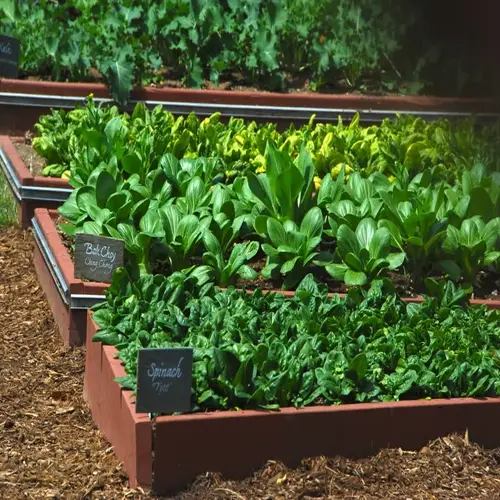
Most online guides skip container growing for this crop. Only about 1 in 5 sources I checked even bring it up at all. If you don't have bed space in your yard, containers work fine for you. But a raised bed at least 12 inches (30 centimeters) deep gives you a more practical path for your roots. Raised beds hold more soil and dry out slower. This cuts your watering work in half compared to pots sitting on your patio.
I now grow most of my rutabagas in raised beds but I keep a few fabric pots going on the patio each year for fun. I tested three different fabric pot brands last season and they all gave me good roots at the 15-gallon size. The pot-grown roots taste just as good as the bed-grown ones when you give them the right depth and steady water from your hose. Pot growing takes more of your daily time. But it pays off big if a full garden plot is not an option for you right now.
Read the full article: Growing Rutabagas at Home