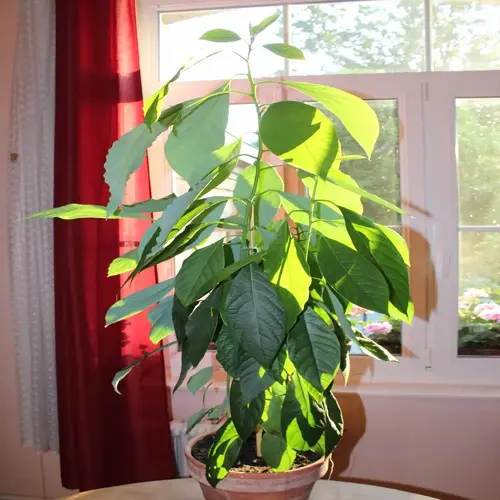

Yes, burning bush poisonous compounds can harm you if you eat large amounts of this plant. The shrub contains cardiac glycosides and alkaloids in its leaves, bark, and berries. These substances cause health problems when swallowed but pose little risk from simple contact with your skin during normal yard work.
I have pruned burning bush shrubs for many years without any problems at all. The key fact is that burning bush toxic effects only kick in when you eat the plant material. You can trim and shape these plants all day long with bare hands and stay safe. My neighbor also handles her large hedge each fall with no issues at all from touching it.
Scientists call this plant Euonymus alatus in their research papers. Euonymus alatus toxicity has two main causes you should know about. Cardiac glycosides mess with your heart's normal rhythm. They can cause an irregular beat if you eat a large dose. Alkaloids go after your gut instead and bring on nausea, vomiting, and stomach cramps.
The FDA has put burning bush on its list of unsafe herbs based on real poisoning cases over the years. NC State Extension notes that eating the plant causes abdominal pain, diarrhea, weakness, and chills in most people. The Pet Poison Helpline says even small amounts may upset your stomach a bit. Serious harm needs a much larger dose though, so most accidental contact stays mild.
Those bright red berries create the biggest danger since kids may think they look tasty and good to eat. Each berry holds seeds with the highest toxin levels in the whole plant by far. A curious toddler who grabs a handful could end up with a very sick stomach for hours. Your pets face the same risk if they chew on fallen berries in the yard during autumn months.
Good burning bush safety starts with watching young children near these shrubs at all times of year. Fall brings out those tempting red berries that catch little eyes and make kids curious about tasting them. Teach your older kids that these berries will make them sick no matter how pretty they look. Simple awareness goes a long way toward keeping your whole family safe from any harm.
I make it a habit to wash my hands after every pruning session as a basic safety step. If sap gets into a cut on your skin, rinse it well with soap and water right away. This quick habit stops any chance of moving plant bits to your mouth by accident later on. Keep a small towel nearby when you work on the shrubs for easy cleanup afterward each time.
Call your local poison control center fast if someone swallows any burning bush parts at all. Grab a sample of what they ate so doctors can check the plant type and give the right care. Most cases get better with basic care at home and pass within a day or two without major issues. Large doses may need heart monitoring at a hospital just to be safe. The bitter taste usually stops people from eating enough to cause major harm, which explains why severe cases stay so rare.
Read the full article: Burning Bush Plant Care and Growing Guide