
Introduction
A single hummingbird visits over 1,000 flowers each day just to stay alive. These tiny birds drink up to twice their body weight in nectar. That huge appetite makes hummingbird friendly flowers one of the most important choices in your garden.
I started growing flowers for these birds about 12 years ago. One hovered at my kitchen window looking for food, and that moment changed how I plan my garden. Now I attract hummingbirds from early spring through late fall using plants I know they love.
The U.S. Fish and Wildlife Service counts 16 species that visit North America each year. Six of those now carry a Conservation Concern status. Your pollinator garden can help these birds by growing the native nectar plants they need.
This guide covers the best flower choices and explains why certain blooms work better than others. You will learn how to plan for blooms all season long and find container options for patios and balconies of any size.
10 Best Hummingbird Flowers
These 10 flowers have earned their spots on this list through years of real garden testing. I grew each one in my own beds and watched how hummingbirds respond to them across different seasons.
The Ruby-throated hummingbird rules east of the Mississippi. Anna's and Rufous species dominate western gardens. Your region matters when picking flowers, but these 10 plants attract hummingbirds from coast to coast.
Each flower below shows bloom times, growing zones, and light needs. You can match these plants to your specific garden conditions. Cardinal flower, bee balm, coral honeysuckle, trumpet vine, and columbine lead the native picks. Salvia, penstemon, fuchsia, lantana, and cuphea round out the list with proven hummingbird appeal.
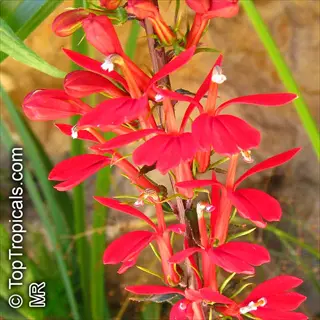
Cardinal Flower
- Bloom Time: July through September, providing crucial late-season nectar when many other flowers have faded and hummingbirds are building reserves for migration.
- Growing Conditions: Thrives in partial shade to full sun with consistently moist to wet soil, making it ideal for rain gardens, stream banks, and low-lying garden areas.
- Flower Description: Brilliant scarlet red spikes of tubular flowers rise two to four feet tall (60 to 120 centimeters), with each individual bloom perfectly shaped for hummingbird bills.
- Native Range: Native throughout eastern North America from zones 3 to 9, this wildflower has co-evolved with Ruby-throated hummingbirds for optimal pollination.
- Garden Value: Provides vertical structure and intense color in shade gardens where few other hummingbird flowers succeed, attracting birds to overlooked garden corners.
- Care Notes: Requires consistent moisture and benefits from mulching to keep roots cool. Self-seeds readily in favorable conditions to naturalize shade garden areas.
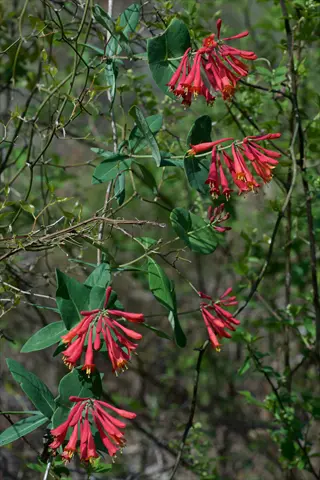
Trumpet Honeysuckle
- Bloom Time: April through July with repeat blooms possible through fall, offering one of the longest flowering periods of any native hummingbird vine.
- Growing Conditions: Performs best in full sun but tolerates partial shade, adapting to various soil types from sandy to clay in zones 4 to 9.
- Flower Description: Clusters of coral-red to orange tubular flowers up to two inches (5 centimeters) long appear at branch tips, followed by red berries that attract songbirds.
- Native Range: Native to the eastern and southern United States, this well-behaved vine does not become invasive like its Japanese honeysuckle cousin.
- Garden Value: Provides vertical interest on trellises, fences, and arbors while creating a living hummingbird feeding station that draws birds at eye level.
- Care Notes: Prune after flowering to encourage bushier growth and more blooms. Drought tolerant once established but benefits from occasional deep watering.
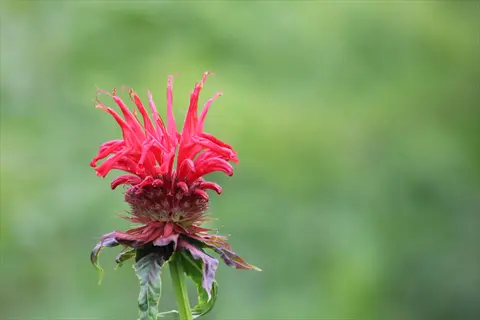
Bee Balm
- Bloom Time: June through August with shaggy, mop-head blooms that draw hummingbirds and butterflies throughout the summer garden season.
- Growing Conditions: Prefers full sun to partial shade with average to moist soil in zones 4 to 9. Good air circulation helps prevent powdery mildew issues.
- Flower Description: Distinctive round flower heads with tubular petals in shades of red, pink, purple, and white. Red varieties like Jacob Cline are hummingbird favorites.
- Native Range: Wild bergamot and other native bee balm species grow throughout North America, with cultivated varieties offering disease resistance.
- Garden Value: Forms spreading clumps that naturalize to create drifts of color while providing nectar, making it excellent for cottage gardens and pollinator meadows.
- Care Notes: Divide clumps every three years to maintain vigor. Deadheading spent blooms encourages continued flowering into late summer.
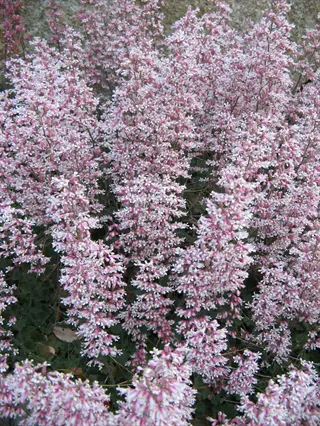
Coral Bells
- Bloom Time: Late spring through early summer, with delicate flower spikes rising above colorful foliage to attract early-season hummingbirds.
- Growing Conditions: Excellent shade tolerance makes this native perennial ideal for woodland gardens in zones 4 to 9 with well-drained soil.
- Flower Description: Airy wands of tiny bell-shaped flowers in coral, pink, red, or white dangle from slender stems reaching twelve to eighteen inches (30 to 45 centimeters) tall.
- Native Range: Native to North American woodlands and rocky outcrops, coral bells thrive in conditions many showy plants cannot tolerate.
- Garden Value: Year-round foliage interest in purple, green, silver, and coral tones combines with hummingbird-attracting flowers for multi-season garden appeal.
- Care Notes: Remove flower stalks after blooming to encourage foliage growth. Mulch crown in winter and divide every three to four years.
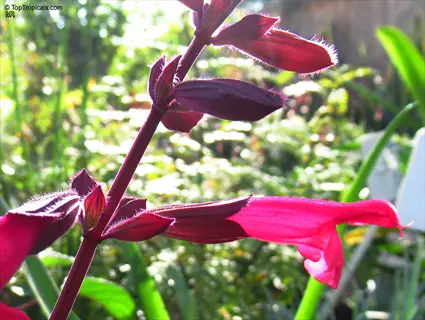
Salvia
- Bloom Time: Late spring through frost with continuous flower spikes when deadheaded regularly, providing all-season hummingbird attraction.
- Growing Conditions: Full sun lover that tolerates heat and drought once established, thriving in zones 4 to 10 depending on species.
- Flower Description: Vertical spikes of tubular flowers in brilliant red, coral, blue, purple, and pink. Each flower is perfectly sized for hummingbird bills.
- Native Range: Many native salvias exist including scarlet sage (Salvia coccinea) and hummingbird sage (Salvia spathacea) from California.
- Garden Value: Both annual and perennial salvias offer long bloom periods with low maintenance, making them backbone plants for any hummingbird garden.
- Care Notes: Cut back by one-third after the first flush of blooms to encourage bushier growth and continued flowering through the growing season.
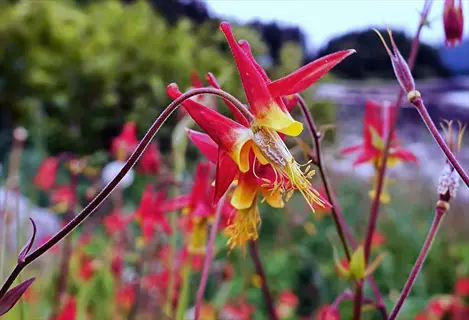
Columbine
- Bloom Time: April through June, providing crucial early-season nectar when migrating hummingbirds arrive hungry from their long journeys.
- Growing Conditions: Partial shade to full sun in zones 3 to 8 with average, well-drained soil. Tolerates rocky and sandy conditions.
- Flower Description: Distinctive spurred flowers with nectar-filled tubes in red, yellow, pink, purple, and bicolor combinations dangle from delicate stems.
- Native Range: Wild columbine (Aquilegia canadensis) with red and yellow blooms is native to eastern North America and particularly loved by Ruby-throated hummingbirds.
- Garden Value: Naturalizes in woodland gardens and rock gardens, self-seeding to create charming colonies that welcome spring migrating hummingbirds.
- Care Notes: Allow some flowers to go to seed for natural spreading. Cut back after flowering for possible second bloom and fresh foliage.
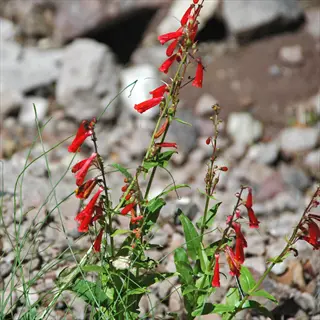
Penstemon
- Bloom Time: Late spring through midsummer with tall spikes of tubular blooms that are perfectly adapted for hummingbird pollination.
- Growing Conditions: Full sun with excellent drainage in zones 3 to 9 depending on species. Many penstemons thrive in dry, lean soils.
- Flower Description: Foxglove-like spikes of tubular flowers in red, pink, purple, and white. Each bloom features a distinctive bearded lower lip.
- Native Range: Over 250 penstemon species are native to North America, making them among the most important native hummingbird flowers on the continent.
- Garden Value: Drought-tolerant once established, penstemons bring vertical interest to xeric gardens while requiring minimal supplemental water.
- Care Notes: Avoid overwatering and heavy clay soils that hold moisture. Cut back flower stalks after blooming to encourage basal growth.
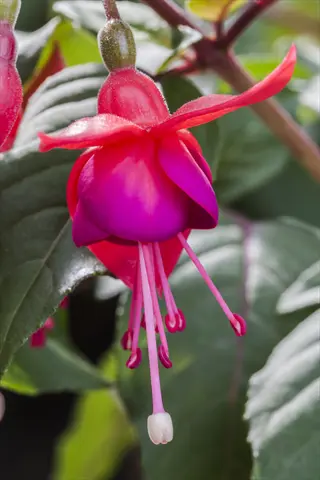
Fuchsia
- Bloom Time: Spring through fall frost with continuous dangling blooms that are among the most reliable hummingbird attractors.
- Growing Conditions: Partial to full shade in zones 6 to 11 outdoors, grown as an annual or container plant in colder regions.
- Flower Description: Pendulous flowers with flared sepals and tubular corollas in combinations of red, pink, purple, and white dangle like dancing ballerinas.
- Native Range: While most garden fuchsias originated from South American species, they have become essential hummingbird plants in shaded gardens.
- Garden Value: Thrives in conditions too shady for most hummingbird plants, bringing these pollinators to porches, patios, and woodland gardens.
- Care Notes: Keep soil consistently moist but not waterlogged. Bring containers indoors before frost or treat as an annual in cold climates.
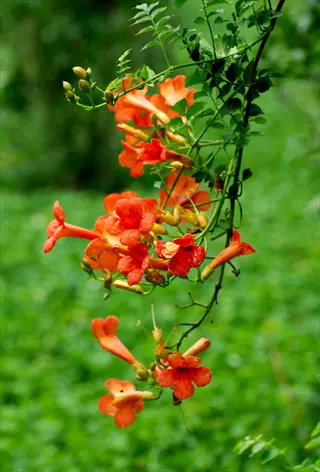
Trumpet Vine
- Bloom Time: June through September with large clusters of bright orange-red trumpet flowers that are visible from across the garden.
- Growing Conditions: Full sun in zones 4 to 9, tolerating poor soil, drought, and neglect once established. Can be aggressive in ideal conditions.
- Flower Description: Clusters of three-inch (7.5 centimeter) trumpet-shaped flowers in vivid orange-red attract hummingbirds from considerable distances.
- Native Range: Native to southeastern United States, this vigorous vine has naturalized throughout much of North America where hummingbirds spread its seeds.
- Garden Value: Covers large structures quickly and produces massive numbers of flowers that can support multiple hummingbird visits simultaneously.
- Care Notes: Prune heavily in late winter to control size and encourage flowering on new wood. Contain root suckers to prevent unwanted spreading.
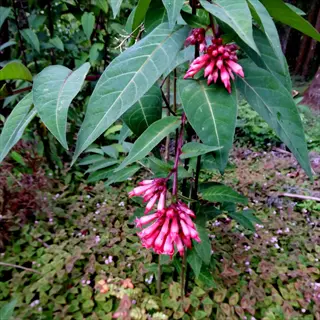
Cuphea
- Bloom Time: Spring through frost with non-stop tubular blooms on compact plants that require no deadheading to continue flowering.
- Growing Conditions: Full sun to partial shade in zones 9 to 11 as a perennial, grown as an annual or container plant in colder zones.
- Flower Description: Small but abundant tubular flowers in orange, red, pink, and purple appear along the stems continuously throughout the growing season.
- Native Range: Native to Mexico and Central America, cuphea has become a staple hummingbird plant for containers and annual beds.
- Garden Value: Heat-loving and drought-tolerant once established, cuphea thrives in hot summer conditions that stress many other flowers.
- Care Notes: Pinch young plants to encourage branching. Minimal care needed beyond occasional watering during extended dry periods.
Why Hummingbirds Love Tubular Flowers
Hummingbirds and tubular flowers have grown together for thousands of years. I noticed this connection when I first started watching birds at my salvias. Knowing their flower shape preferences helps you pick the best blooms for your garden.
Think of a hummingbird's bill as a key and the flower as a lock. Tubular flowers hummingbirds love are shaped to fit their long, slender bills. The birds slip in and reach nectar that bees and butterflies cannot touch. Trumpet-shaped flowers work the same way and keep insects away from nectar-rich flowers.
Red flowers hummingbirds prefer also give them an edge over insects. The USDA Forest Service notes that most insects cannot see red as well as other colors. This means less competition for nectar at bright colored flowers in shades of red, orange, and pink.
Research shows these tiny birds can even tell which flowers hold the most nectar. NIH studies found hummingbirds spent 53% more time at flowers with higher nectar levels. Your garden benefits when you choose blooms that match their natural feeding style.
Native Plants for Hummingbirds
Native plants hummingbirds rely on work better than imported flowers. I switched my garden to native nectar plants five years ago and saw twice as many visits within the first season. The USDA Forest Service confirms what I noticed in my yard.
These birds have grown alongside regional native plants for thousands of years. Their bills, tongues, and feeding habits match the shape and nectar of local wildflowers hummingbirds visit in the wild. Bird-friendly plants from your region just work better than those from other places.
The native vs non-native choice matters for more than just attraction. The USDA warns that non-native plants can spread into wild areas and harm local ecosystems. With 6 hummingbird species now listed as conservation concerns, your plant choices carry real weight.
Eastern North America
- Cardinal Flower (Lobelia cardinalis): This wetland native produces brilliant red spikes from July through September, perfectly timed for Ruby-throated hummingbirds building reserves before their 500-mile Gulf crossing.
- Wild Columbine (Aquilegia canadensis): Among the first native flowers to bloom in spring with red and yellow spurred flowers, providing essential nectar for hungry arriving migrants.
- Trumpet Honeysuckle (Lonicera sempervirens): This native vine blooms April through July with coral tubular flowers, unlike the invasive Japanese honeysuckle that should be avoided.
- Bee Balm (Monarda didyma): Summer-blooming native with shaggy red flower heads that naturalize in moist garden areas to create hummingbird hotspots.
Western North America
- California Fuchsia (Epilobium canum): Late-season native that blooms August through October with fiery red-orange flowers when little else provides nectar for migrating Rufous hummingbirds.
- Hummingbird Sage (Salvia spathacea): This shade-tolerant California native produces magenta flower spikes from March through May in woodland garden settings.
- Manzanita (Arctostaphylos species): Winter and early spring blooming shrub with bell-shaped pink flowers that provides nectar during the critical early season in mild climates.
- Scarlet Bugler (Penstemon centranthifolius): Drought-tolerant native with tall red flower spikes perfect for xeric gardens in southwestern states.
Midwest and Plains
- Foxglove Beardtongue (Penstemon digitalis): Hardy native thriving in zones 3 to 8 with white to pale pink tubular flowers from late spring into early summer.
- Wild Bergamot (Monarda fistulosa): Lavender flower heads bloom June through August in dry to medium prairie soils, attracting both hummingbirds and native bees.
- Royal Catchfly (Silene regia): This rare prairie native produces brilliant red flowers that stand out in meadow plantings from June through August.
- Butterfly-Weed (Asclepias tuberosa): Orange flower clusters on this drought-tolerant milkweed relative provide nectar while supporting monarch butterfly populations.
Southeast and Gulf Coast
- Coral Honeysuckle (Lonicera sempervirens): Native vine that thrives in heat and humidity with continuous coral-red tubular blooms from spring through fall.
- Standing Cypress (Ipomopsis rubra): Dramatic biennial with red tubular flowers on tall spikes that attracts Ruby-throated hummingbirds throughout the summer months.
- Scarlet Sage (Salvia coccinea): Native annual that reseeds readily in warm climates, producing red flower spikes that bloom continuously from spring through frost.
- Firebush (Hamelia patens): Semi-tropical native shrub with orange-red tubular flowers year-round in zones 9 to 11, serving as a major nectar source in Florida.
Flowers by Light Requirements
Your garden's light levels decide which flowers will thrive and which will struggle. I learned this the hard way after losing a row of salvias planted in too much shade. Match your hummingbird plants light requirements to your conditions and save time and money.
Full sun plants need six or more hours of direct sunlight during the growing season according to Illinois DNR. Partial shade plants handle three to six hours. Shade flowers hummingbirds visit get by on less than three hours of direct sun each day.
Many urban gardens have limited sun due to trees and buildings. Good news for city gardeners: plants for shade hummingbirds do exist and work well in challenging spots. Cardinal flower, fuchsia, and impatiens all bring these birds to shady corners of your yard.
Seasonal Bloom Planning
A continuous bloom garden keeps hummingbirds coming back from spring through fall. I planned my first bloom sequence garden after watching birds leave my yard during a mid-summer gap when nothing was flowering. That mistake taught me why timing matters so much.
Ruby-throated hummingbirds arrive in spring after an 18 to 20 hour flight across the Gulf of Mexico. They need spring blooming flowers right away to refuel. By fall, these same birds are eating as much as they can before their return trip. Late season flowers help them build the fat reserves they need.
Penn State research shows wild columbine blooms April through June. Cardinal flower picks up from July through September. Plan your overlapping bloom times with seasonal flowers hummingbirds need. Your summer flowers hummingbirds love will bridge the gap between spring and fall.
Early Spring (March-April)
- Wild Columbine: Among the first native flowers to greet returning migrants with red and yellow spurred blooms, this woodland perennial starts blooming as early as March in southern zones.
- Bleeding Heart: Pendant pink or white heart-shaped flowers emerge in early spring, providing nectar in shaded areas before summer flowers begin their display.
- Manzanita: In western gardens, this evergreen shrub produces bell-shaped pink flowers from late winter into early spring when few other nectar sources are available.
- Coral Honeysuckle: This native vine often begins blooming in April and continues through July, bridging the gap between spring and summer flowers.
Late Spring (May-June)
- Penstemon: Foxglove-like spikes of tubular flowers in various colors begin their display in late spring and continue into midsummer across most growing zones.
- Coral Bells: Delicate flower wands rise above colorful foliage from late spring into early summer, attracting hummingbirds to shade garden areas.
- Salvia: Both annual and perennial salvias begin their long bloom season in late spring, with red varieties being the most attractive to hummingbirds.
- Trumpet Honeysuckle: Continues its prolific blooming through late spring with clusters of coral tubular flowers on this native vine.
Summer (June-August)
- Bee Balm: Shaggy flower heads in red, pink, and purple dominate the summer garden, drawing hummingbirds to their nectar-rich tubular blooms.
- Lantana: Heat-loving clusters of multicolored flowers bloom continuously through the hottest months when many other plants struggle.
- Cuphea: Non-stop tubular blooms require no deadheading to continue flowering throughout the summer growing season and beyond.
- Trumpet Vine: Large clusters of orange-red trumpets appear from June through September, visible from across the garden to attract passing hummingbirds.
Late Summer to Fall (August-October)
- Cardinal Flower: Brilliant red spikes provide crucial late-season nectar when hummingbirds are building fat reserves for their long southward migration.
- California Fuchsia: Western gardens benefit from this late bloomer's fiery red-orange flowers that sustain Rufous hummingbirds through their fall migration.
- Salvia (repeat bloom): With regular deadheading, salvias continue producing flower spikes until hard frost, offering reliable late-season nectar.
- Fuchsia: Pendulous blooms continue until frost in containers and shade gardens, providing nectar right up to hummingbird departure dates.
Container Gardening for Hummingbirds
You do not need a big yard to attract hummingbirds. I grew my first patio hummingbird garden on a ten foot balcony in an apartment. Container plants hummingbirds love can bring these birds to almost any small space.
A small space hummingbird garden works well when you choose the right potted hummingbird flowers. Fuchsia, cuphea, lantana, and salvia all grow great in pots. Hanging basket hummingbirds visit often because the blooms stay at eye level for feeding.
Pick containers at least 12 inches wide for most plants. Use quality potting mix and water when the top inch feels dry. These simple steps help your container garden thrive on any patio or balcony.
Fuchsia
- Container Size: Use containers at least twelve inches (30 centimeters) in diameter for standard varieties, or hanging baskets for trailing types.
- Growing Tips: Keep soil consistently moist but not waterlogged and place in partial to full shade where these shade-lovers thrive.
- Bloom Period: Flowers continuously from spring through fall frost with minimal deadheading needed for continued blooming.
- Special Care: Bring containers indoors before frost in cold climates or treat as annuals. Prefers temperatures below 85 degrees Fahrenheit (29 degrees Celsius).
Cuphea (Firecracker Plant)
- Container Size: Thrives in containers eight to twelve inches (20 to 30 centimeters) in diameter, growing into compact mounds of tubular flowers.
- Growing Tips: Full sun brings the most blooms, and this heat-lover tolerates dry conditions once roots are established.
- Bloom Period: Non-stop flowering from planting until frost with no deadheading required for continuous blooms.
- Special Care: Excellent heat and drought tolerance makes cuphea ideal for hot south-facing balconies and patios.
Lantana
- Container Size: Use containers at least twelve inches (30 centimeters) wide, as lantana develops an extensive root system.
- Growing Tips: Full sun and well-drained soil produce the most flowers. Allow soil to dry slightly between waterings.
- Bloom Period: Continuous clusters of multicolored flowers from late spring through fall frost in most growing zones.
- Special Care: Prune leggy growth to encourage bushier shape and more blooms. Hardy as a perennial in zones 9 to 11.
Salvia
- Container Size: Most salvias perform well in containers twelve inches (30 centimeters) or larger depending on the variety's mature size.
- Growing Tips: Full sun and well-drained potting mix produce the best flowering. Avoid heavy clay soils that stay wet.
- Bloom Period: Late spring through frost with regular deadheading extending the bloom period significantly.
- Special Care: Cut back by one-third after the first bloom flush to encourage bushier growth and more flower spikes.
Pentas
- Container Size: Compact varieties thrive in ten-inch (25 centimeter) containers while larger varieties need twelve inches (30 centimeters) or more.
- Growing Tips: Full sun to partial shade with consistently moist but well-drained soil produces clusters of star-shaped flowers.
- Bloom Period: Continuous blooming from planting through frost with deadheading encouraging even more flower production.
- Special Care: Pinch growing tips when young to encourage branching. Overwinter indoors in cold climates.
5 Common Myths
Hummingbirds only visit red flowers, so other colors are useless in a hummingbird garden.
Hummingbirds visit flowers of many colors including orange, pink, purple, and even blue. Research shows they feed on diverse colored blooms, especially when red flowers are scarce in early spring.
Hummingbird feeders are better than planting flowers because they provide more reliable food.
Native flowers provide superior nutrition with varied nectar concentrations plus the insects that make up 20 percent of a hummingbird's diet. Flowers also encourage natural foraging behavior.
Non-native exotic flowers attract more hummingbirds than plain native wildflowers do.
Native plants attract hummingbirds more effectively because they have co-evolved together for thousands of years. The USDA warns that non-native plants can become invasive and harm ecosystems.
Hummingbirds only eat nectar and do not need any other food sources in their diet.
Hummingbirds are omnivores that rely on small insects for approximately 20 percent of their diet. They need protein from gnats, spiders, and other tiny invertebrates for muscle development and breeding.
You need a large garden with dozens of plants to successfully attract hummingbirds.
Even a small container garden on a balcony can attract hummingbirds. A few well-chosen tubular flowers in pots provide enough nectar to bring these pollinators to urban spaces.
Conclusion
Hummingbird friendly flowers create the hummingbird habitat these birds need. Tubular shapes work best. Red and orange colors grab attention. Native plants hummingbirds evolved with help you attract hummingbirds to your garden.
Six hummingbird species are now at risk. Your pollinator garden choices make a real difference for these birds. I have watched the same birds return to my garden year after year. Your choices today set up visits for many seasons to come.
Start with two or three proven plants like cardinal flower, salvia, and coral honeysuckle. These give you a solid foundation before you add more blooms. Plan for blooms from spring through fall and your garden will keep these birds fed all season.
Even a small container garden can bring hummingbirds to your space. Whether you have a big backyard or just a balcony, the right flowers will draw these amazing pollinators to visit. Start planting today and enjoy watching them at your blooms for years.
External Sources
Frequently Asked Questions
What is a hummingbird's favorite flower?
Cardinal flower and trumpet honeysuckle are among the top favorites due to their tubular red blooms and abundant nectar production.
What are the best flowers for attracting hummingbirds in pots?
The best container flowers include:
- Fuchsia
- Cuphea (firecracker plant)
- Lantana
- Salvia
- Pentas
What flowers attract hummingbirds to hanging baskets?
Trailing and cascading varieties work best:
- Fuchsia hybrids
- Trailing petunias
- Verbena
- Calibrachoa
- Nasturtium
What does it mean when a hummingbird hovers in front of your face?
Hummingbirds are naturally curious and may investigate bright colors or movement. They could also be associating you with their food source if you maintain feeders or flowers nearby.
What winter flowers attract hummingbirds?
In mild climates, winter-blooming options include manzanita, California fuchsia, and flowering maple. Most North American hummingbirds migrate south for winter.
How do you create a hummingbird garden from scratch?
Start with these essential steps:
- Choose a mix of native tubular flowers in red, orange, and pink colors
- Plan for continuous blooms from spring through fall
- Include both sun and shade plants based on your site
- Add shrubs and trees for perching and nesting
- Avoid pesticides to protect the insects hummingbirds also eat
Do hummingbirds prefer flowers or feeders?
Hummingbirds naturally prefer flowers because they provide varied nectar concentrations and the insects they need for protein. Flowers also offer more natural foraging behavior.
Why do hummingbirds prefer red flowers?
Hummingbirds favor red flowers because most insects cannot see red as well as other colors, meaning less competition for nectar at red blooms.
Can you grow hummingbird flowers in shade?
Yes, several excellent shade options exist:
- Cardinal flower (Lobelia cardinalis)
- Fuchsia
- Bleeding heart
- Coral bells
- Impatiens
How often do hummingbirds need to feed throughout the day?
Hummingbirds feed every 10-15 minutes throughout daylight hours due to their extremely fast metabolism. They consume up to twice their body weight in nectar daily to maintain energy.