
Introduction
Learning how to prune hydrangeas the right way gives you a shrub covered in stunning blooms. Get it wrong and you end up with nothing but leaves. Wrong timing is the top reason these flowering shrubs fail to bloom. I made common pruning mistakes for three straight years before I figured out what went wrong.
About 70 hydrangea species grow around the world, but only 5 types show up in most home gardens. Each of these species needs a different pruning approach based on when and where it forms flower buds. This simple fact explains why so many gardeners feel lost when they grab their pruners.
Think of hydrangea pruning like caring for fruit trees. You would never prune an apple tree the same way you prune a peach tree. They set fruit on different types of wood. Hydrangeas work the same way. Some bloom on last year's stems while others flower on fresh spring growth.
This guide shows you how to get maximum blooms every single season. You will learn to spot your hydrangea type and use the right timing for each cut. These tips keep your beautiful flowering shrubs blooming strong year after year.
Hydrangea Types and Identification
You need to know your exact hydrangea type before you make a single cut. The name hydrangea comes from the Greek words Hydor and Angos, which mean water and vessel. This name hints at how much these plants love moisture. I spent years guessing at my hydrangea types and made too many pruning mistakes because of it.
Most gardeners grow one of 5 common hydrangea types in their yards. Each has unique leaf shapes and flower forms. Bigleaf hydrangea and panicle hydrangea are the most popular. Smooth hydrangea, oakleaf hydrangea, and climbing hydrangea round out the list. Good hydrangea identification is the first step to proper care.
Bigleaf Hydrangea (H. macrophylla)
- Identification: Features large, glossy, serrated leaves measuring 4 to 8 inches (10 to 20 cm) long with rounded mophead or flat lacecap flower clusters that bloom in shades of blue, pink, or purple.
- Growth Habit: Forms dense, rounded shrubs reaching 4 to 6 feet (1.2 to 1.8 m) tall and wide with thick, somewhat brittle stems that emerge green and turn woody brown with age.
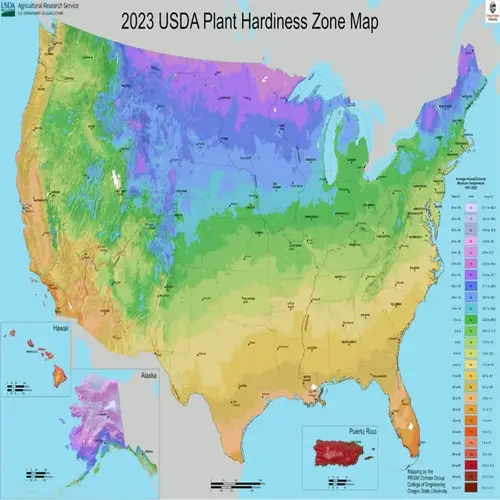
- Hardiness Range: Thrives in USDA zones 5 through 9, though flower buds are vulnerable to winter damage in zones 5 and 6 where temperatures drop below negative 10 degrees Fahrenheit (negative 23 degrees Celsius).
- Bloom Timing: Flowers appear in early to midsummer on stems that grew the previous year, making this species an old wood bloomer.
Panicle Hydrangea (H. paniculata)
- Identification: Features elongated, cone-shaped flower panicles measuring 6 to 8 inches (15 to 20 cm) long that start white or lime green and gradually age to pink or burgundy through fall.
- Growth Habit: Can reach 8 to 15 feet (2.4 to 4.6 m) tall in landscape settings, with some varieties trainable as single-trunk tree forms that unpruned may exceed 20 feet (6 m).
- Hardiness Range: Extremely cold-hardy in USDA zones 3a through 8b, surviving winter temperatures as low as negative 40 degrees Fahrenheit (negative 40 degrees Celsius) without bud damage.
- Bloom Timing: Flowers emerge in mid to late summer on current season's growth, classifying this species as a new wood bloomer that tolerates aggressive spring pruning.
Smooth Hydrangea (H. arborescens)
- Identification: Produces large, dome-shaped white flower clusters that can reach 12 inches (30 cm) across on the popular Annabelle cultivar, with medium-sized heart-shaped leaves.
- Growth Habit: Native to eastern North America, this compact shrub typically grows 3 to 5 feet (0.9 to 1.5 m) tall and wide with a naturally rounded form and rapid growth rate.
- Hardiness Range: One of the most cold-tolerant hydrangeas, thriving in USDA zones 3a through 9b and recovering quickly even if stems die back to the ground in harsh winters.
- Bloom Timing: Flowers appear in midsummer on new growth, making this species extremely forgiving of pruning and suitable for cutting back hard in late winter.
Oakleaf Hydrangea (H. quercifolia)
- Identification: Named for its distinctive oak-shaped leaves that turn brilliant shades of red, orange, and burgundy in fall, with elongated white flower panicles that age to pink.
- Growth Habit: Native to the southeastern United States, this shrub reaches 4 to 8 feet (1.2 to 2.4 m) tall with attractive exfoliating bark on mature stems that adds winter interest.
- Hardiness Range: Grows well in USDA zones 5 through 9, but flower buds can be damaged at temperatures below negative 5 degrees Fahrenheit (negative 21 degrees Celsius).
- Bloom Timing: Flowers form on previous year's wood in late spring to early summer, requiring careful pruning timing to preserve next year's blooms.
Climbing Hydrangea (H. anomala)
- Identification: Features fragrant white lacecap flowers surrounded by showy sterile florets, with rounded glossy leaves and clinging aerial rootlets that attach to surfaces.
- Growth Habit: This vigorous vine can climb 40 to 60 feet (12 to 18 m) on trees, walls, or structures, though it takes approximately 3 years to establish before growing rapidly.
- Hardiness Range: Performs best in USDA zones 4 through 7, preferring partial shade and protection from intense afternoon sun in warmer regions.
- Bloom Timing: Flowers appear on old wood in late spring, meaning pruning should occur immediately after flowering or avoided entirely for best results.
Old Wood vs New Wood Bloomers
The old wood vs new wood concept is the key to success with hydrangea pruning. Old wood bloomers set their flower buds in late summer and store them through winter on last year's stems. New wood bloomers create flower buds on fresh growth each spring. This single difference controls when and how much you can prune.
Research shows that bud formation starts when daily temps fall to around 63 degrees F (17 degrees C) in late summer. Think of an old wood bloomer like a savings account. The plant deposits flower buds in August and September, then withdraws those blooms the next summer. Cut those stems in fall or winter and you lose next year's flowers.
A plant's native climate shapes whether it will bloom on old wood or bloom on new wood. Hydrangeas from cold regions with short growing seasons tend to form buds on new spring growth so they can bloom the same year. Species from milder areas can afford to store buds on old stems since winter damage is less of a risk.
In my experience, knowing your hydrangea's bloom habit saves you from the most common pruning mistake. I cut my bigleaf hydrangea to the ground one March and wondered why it gave me zero flowers that summer. The buds I removed had formed 8 months earlier and would have bloomed in weeks.
When to Prune Each Hydrangea Type
Knowing when to prune hydrangeas is just as vital as knowing how. Bigleaf hydrangeas form next year's flower buds in August to September, so any pruning must happen before that window. I learned this the hard way after years of fall pruning that cost me bloom after bloom.
Pruning timing changes based on your USDA climate zone. The best time to prune new wood bloomers falls between late winter and early spring. For old wood bloomers, prune right after the flowers fade in summer. Skip fall pruning on all hydrangeas since it removes buds or leaves plants weak going into winter.
Watch for visual cues along with calendar dates. Spring pruning works best when you see leaf buds starting to swell but before new shoots get longer than 2 inches (5 cm). Late winter pruning should happen while the plant still looks dormant. These cues help you adjust for your local climate.
Step-by-Step Pruning Techniques
Good pruning technique starts with the right tools and clean cuts. I keep sharp bypass pruning shears for stems under half an inch and loppers for anything thicker. Always clean your tools with rubbing alcohol or a 10% bleach solution between plants. This simple step stops diseases from spreading through your garden.
How much to prune depends on your goals and hydrangea type. Ohio State research shows smooth hydrangea can be cut to less than 4 inches (10 cm) and still produce blooms over 12 inches (30 cm) across. Illinois Extension suggests removing one third to one half of total shrub mass on new wood bloomers. Always remove dead branches first before making size cuts.
Deadheading Spent Flowers
- When to Use: Apply this technique throughout the blooming season to improve appearance and encourage reblooming on varieties that produce flowers on both old and new wood.
- How to Execute: Use sharp bypass pruners to cut each spent flower cluster just above the first set of large leaves, typically 6 to 12 inches (15 to 30 cm) below the faded bloom.
- Important Consideration: On old wood bloomers, stop deadheading by late July to avoid accidentally removing next year's developing flower buds that form just below this summer's flowers.
Removing Dead and Damaged Wood
- When to Use: Perform this maintenance pruning in early spring when you can distinguish dead brown stems from live green ones as buds begin to swell.
- How to Execute: Cut dead stems back to the ground or to the point where you see green tissue inside the stem, making cuts at a 45-degree angle about one quarter inch (0.6 cm) above an outward-facing bud.
- Important Consideration: Always sanitize pruning tools with rubbing alcohol or a 10% bleach solution between cuts to prevent spreading fungal diseases from infected wood to healthy tissue.
Size Control Pruning
- When to Use: Apply when hydrangeas have outgrown their allotted space, but time this differently depending on species to avoid sacrificing blooms.
- How to Execute: For new wood bloomers, cut stems back to 12 to 24 inches (30 to 60 cm) in late winter. For old wood bloomers, reduce size immediately after flowering by cutting back individual branches rather than shearing the whole plant.
- Important Consideration: Severe size reduction on bigleaf and oakleaf hydrangeas may eliminate flowers for one or two seasons as the plant redirects energy to vegetative growth.
Rejuvenation Pruning for Old Shrubs
- When to Use: Consider rejuvenation when hydrangeas become woody and unproductive with few flowers and sparse foliage concentrated at the top of tall bare stems.
- How to Execute: Remove one-third of the oldest, thickest stems at ground level each year for three consecutive years, allowing the plant to regenerate gradually while maintaining some flowers.
- Important Consideration: New wood bloomers like smooth and panicle hydrangeas can be cut entirely to the ground in one season, but old wood bloomers require the gradual three-year approach to preserve blooms.
Thinning for Air Circulation
- When to Use: Perform thinning cuts when you notice fungal leaf spots, powdery mildew, or dense congested growth that prevents airflow through the center of the shrub.
- How to Execute: Remove entire stems at their point of origin rather than shortening them, targeting crossing branches, inward-growing shoots, and the weakest stems in crowded areas.
- Important Consideration: University of Maryland Extension notes that several leaf spot diseases infect hydrangeas and that dense growth prevents air circulation, making thinning an important disease prevention strategy.
I have found that rejuvenation pruning works wonders on neglected shrubs. My bigleaf hydrangea stopped blooming for years. After three seasons of removing the oldest stems, it came back with more flowers than ever. Patience pays off.
Troubleshooting No-Bloom Problems
A hydrangea not blooming is one of the most common garden problems I hear about. The University of Maryland states that pruning at the wrong time is the number one reason for no flowers. But bud damage from frost, too much shade, and over-feeding can also stop your blooms.
Why won't my hydrangea bloom? Start by ruling out the most likely causes one by one. I once spent two years trying to fix a bloom problem before I realized my issue was too much nitrogen from lawn fertilizer runoff. The list below walks you through the main culprits and their fixes.
Wrong Pruning Timing
- Symptoms: Healthy foliage but zero flowers, or significantly reduced flower production compared to previous years despite vigorous green growth.
- Likely Cause: Pruning old wood bloomers in fall, winter, or early spring removed the stems carrying next summer's flower buds that formed the previous August through September.
- Solution: Skip pruning entirely next season to allow flower buds to develop, then prune only immediately after flowering ends in summer going forward.
Winter Bud Damage
- Symptoms: Strong stem growth in spring but flowers fail to appear, or only scattered blooms at the base of the plant where snow cover provided insulation.
- Likely Cause: Temperatures dropping below negative 5 to negative 10 degrees Fahrenheit (negative 21 to negative 23 degrees Celsius) killed exposed flower buds on bigleaf and oakleaf hydrangeas.
- Solution: In cold zones, protect plants with a mesh cylinder filled with fallen leaves or wrap in burlap after the ground freezes but before severe cold arrives.
Late Spring Frost Damage
- Symptoms: Emerging buds and new growth appear blackened, wilted, or mushy following an unexpected late frost event in spring.
- Likely Cause: Tender new growth and swelling flower buds are vulnerable to frost damage even on otherwise cold-hardy species once active growth begins.
- Solution: Monitor weather forecasts and cover plants with sheets or frost cloth when temperatures below 32 degrees Fahrenheit (0 degrees Celsius) are expected after buds begin swelling.
Excessive Shade
- Symptoms: Lush green foliage with few or no flowers, often combined with leggy stretched growth reaching toward available light.
- Likely Cause: While hydrangeas prefer some shade, too much shade prevents adequate energy production for flower formation, especially in northern climates.
- Solution: Most hydrangeas need at least 4 hours of direct sunlight daily, ideally morning sun with afternoon shade. Consider relocating plants or removing competing vegetation.
Nitrogen Overfertilization
- Symptoms: Abundant dark green foliage and rapid vegetative growth but poor flower production or small undersized flower clusters.
- Likely Cause: Excess nitrogen from lawn fertilizer runoff or heavy feeding encourages leaf growth at the expense of flower bud development.
- Solution: Avoid high-nitrogen fertilizers near hydrangeas and skip feeding entirely unless plants show signs of nutrient deficiency. If fertilizing, choose balanced or phosphorus-rich formulas.
Winter Protection Strategies
Winter protection makes the difference between blooms and bare stems in cold hardiness zones. Protecting hydrangeas from frost takes planning but pays off with flowers every summer. I have tested many methods and found that matching your approach to your zone works best.
Oakleaf buds survive below zero but suffer damage below negative 10 degrees F. Complete bud kill happens at negative 20 degrees F. Mulching hydrangeas and using barriers can stop this winter damage prevention challenge. Focus on old wood bloomers since they carry next year's buds through the cold months.
USDA Zones 3 to 4: Severe Cold Protection
- Species Selection: Focus on smooth and panicle hydrangeas which are hardy to negative 40 degrees Fahrenheit (negative 40 degrees Celsius) and bloom reliably on new wood regardless of winter dieback.
- Mulching Strategy: Apply 4 to 6 inches (10 to 15 cm) of shredded bark or leaf mulch over the root zone after the ground freezes, extending at least 18 inches (46 cm) beyond the drip line.
- Bud Protection: If growing bigleaf types, construct a wire mesh cylinder around the plant and fill it completely with dry fallen leaves, then cover the top with burlap to prevent moisture entry.
USDA Zones 5 to 6: Moderate Protection
- Species Consideration: All hydrangea types can grow here but bigleaf and oakleaf flower buds are vulnerable during cold snaps below negative 10 degrees Fahrenheit (negative 23 degrees Celsius).
- Timing Matters: Wait until after several hard frosts but before temperatures consistently drop below 20 degrees Fahrenheit (negative 7 degrees Celsius) to apply winter protection.
- Wrapping Technique: Loosely wrap bigleaf hydrangeas with burlap, creating an air pocket around stems rather than tight binding that could trap moisture and cause rot.
USDA Zones 7 to 9: Minimal Protection
- General Care: Most hydrangeas overwinter successfully without special protection in these mild climates where temperatures rarely drop below 10 degrees Fahrenheit (negative 12 degrees Celsius).
- Mulch Application: Apply 2 to 3 inches (5 to 8 cm) of organic mulch to insulate roots and retain moisture, but keep mulch several inches away from stems to prevent rot.
- Frost Event Response: In zone 7 during unusual cold snaps, covering plants with sheets or frost cloth overnight provides adequate temporary frost protection.
Protecting Reblooming Varieties
- Unique Advantage: Endless Summer, BloomStruck, and Let's Dance series bloom on both old and new wood, meaning some flowers will appear even if old wood buds are damaged.
- Protection Priority: Focus protection on the oldest stems at the base of the plant where the largest flower buds develop, as these produce the biggest earliest blooms.
- Spring Assessment: Wait until mid-spring to prune reblooming varieties so you can accurately assess which stems survived winter and which need removal.
I leave dried flower heads on my plants through winter for winter damage prevention. Research shows these provide natural insulation for the buds right below them. This simple trick helped my bigleaf hydrangeas bloom in zone 5 after years of failure.
5 Common Myths
All hydrangeas should be pruned in early spring before new growth begins to encourage the biggest blooms possible.
Only new wood bloomers benefit from spring pruning. Pruning old wood bloomers like bigleaf hydrangeas in spring removes their already-formed flower buds and eliminates that year's blooms entirely.
Cutting hydrangeas to the ground each year keeps them healthy and produces more flowers than light pruning would.
Hard pruning is only appropriate for smooth and panicle hydrangeas. Bigleaf, oakleaf, and climbing hydrangeas store flower buds on previous year's stems and will produce zero flowers if cut to the ground.
Hydrangeas must be pruned every year or they will stop flowering and become weak, unhealthy plants over time.
Hydrangeas do not require annual pruning to bloom. Many gardeners never prune their hydrangeas and still enjoy abundant flowers. Pruning is optional for shaping, size control, or removing damaged growth.
Deadheading spent hydrangea flowers in fall helps the plant prepare for winter and improves next year's bloom production.
Leaving dried flower heads through winter actually protects developing buds from frost damage. The old blooms act as insulation, and removing them exposes tender growth to cold temperatures.
Blue and pink hydrangeas are different species that require completely different pruning techniques and timing.
Blue and pink flowers typically appear on the same bigleaf hydrangea species. Color depends on soil pH, not variety, and both colors require identical pruning timing immediately after flowering ends.
Conclusion
Pruning hydrangeas the right way starts with knowing your specific type and whether it blooms on old or new wood. This single piece of knowledge prevents the number one cause of bloom failure. I spent years confused about why my shrubs would not flower until I learned this simple distinction.
Many gardeners find hydrangea care confusing at first. The old wood versus new wood difference trips up most people until they see it in action. Once you match your pruning timing to your plant's bloom habit, you will get successful blooms year after year.
This hydrangea pruning guide gives you the tools to care for any of the 5 common species in home gardens. Use the timing charts, follow the techniques, and watch your flowering shrubs transform. Your plants will reward your effort with bigger and better blooms each season.
If you still feel uncertain about your variety, keep this in mind: no pruning is better than wrong pruning. Hydrangeas are forgiving plants that bounce back from mistakes. Take your time learning what you have and adjust your approach as you go.
External Sources
Frequently Asked Questions
Are coffee grounds good for hydrangeas?
Coffee grounds can benefit hydrangeas by adding organic matter to soil and slightly lowering pH, which may help produce bluer flowers on bigleaf varieties. However, they should be used sparingly as a mulch component rather than applied directly in large quantities.
What is the lifespan of a hydrangea?
Hydrangeas are long-lived shrubs that can thrive for decades with proper care:
- Most hydrangea varieties live for 20 to 50 years or longer
- Oakleaf and climbing hydrangeas often exceed 50 years
- Proper pruning and care extend plant longevity significantly
Is it better to prune or deadhead hydrangeas?
Deadheading is the safer option for most hydrangeas:
- Deadheading removes spent flowers without affecting future blooms
- Full pruning carries risk of removing flower buds on old wood types
- Reblooming varieties benefit from deadheading throughout the season
What happens if you don't cut back hydrangeas?
Unpruned hydrangeas will generally continue to bloom but may become:
- Larger and more sprawling over time
- Top-heavy with smaller flower clusters
- Prone to disease from dense, congested growth
How do I know if I should prune my hydrangea?
Consider pruning your hydrangea if you notice dead or damaged branches, the plant has become overgrown or misshapen, dense growth is preventing air circulation, or you want to control the overall size of the shrub.
How do I prepare a hydrangea for winter?
Winter preparation depends on your climate and hydrangea type:
- Apply 3 to 4 inches (7.6 to 10.2 cm) of mulch around the base
- Wrap bigleaf types in burlap or mesh filled with leaves in cold zones
- Avoid pruning old wood bloomers in fall to protect flower buds
Is it better to under-prune or over-prune?
Under-pruning is generally safer than over-pruning, especially for old wood bloomers. Removing too much growth can eliminate next year's flower buds entirely, while light pruning or no pruning rarely causes lasting harm.
How to cut back a leggy hydrangea?
To fix a leggy hydrangea, use renewal pruning by:
- Removing one-third of the oldest stems at ground level each year
- Making cuts just above outward-facing buds to encourage fullness
- Spreading rejuvenation over three years to maintain some blooms
Which hydrangeas should not be cut back in the fall?
Old wood bloomers should never be pruned in fall because they form next year's flower buds in late summer. Bigleaf, oakleaf, mountain, and climbing hydrangeas all bloom on old wood and will lose their flowers if cut back in autumn.
Do hydrangeas need to be cut back for winter?
Most hydrangeas do not need to be cut back for winter:
- Old wood types should never be pruned in fall
- New wood types can wait until late winter or early spring
- Leaving dried flower heads provides winter interest and bud protection